
Antique Bronze Censer
An antique bronze censer brings centuries of ritual craft and sculptural weight to a room, offering both form and fragrance.
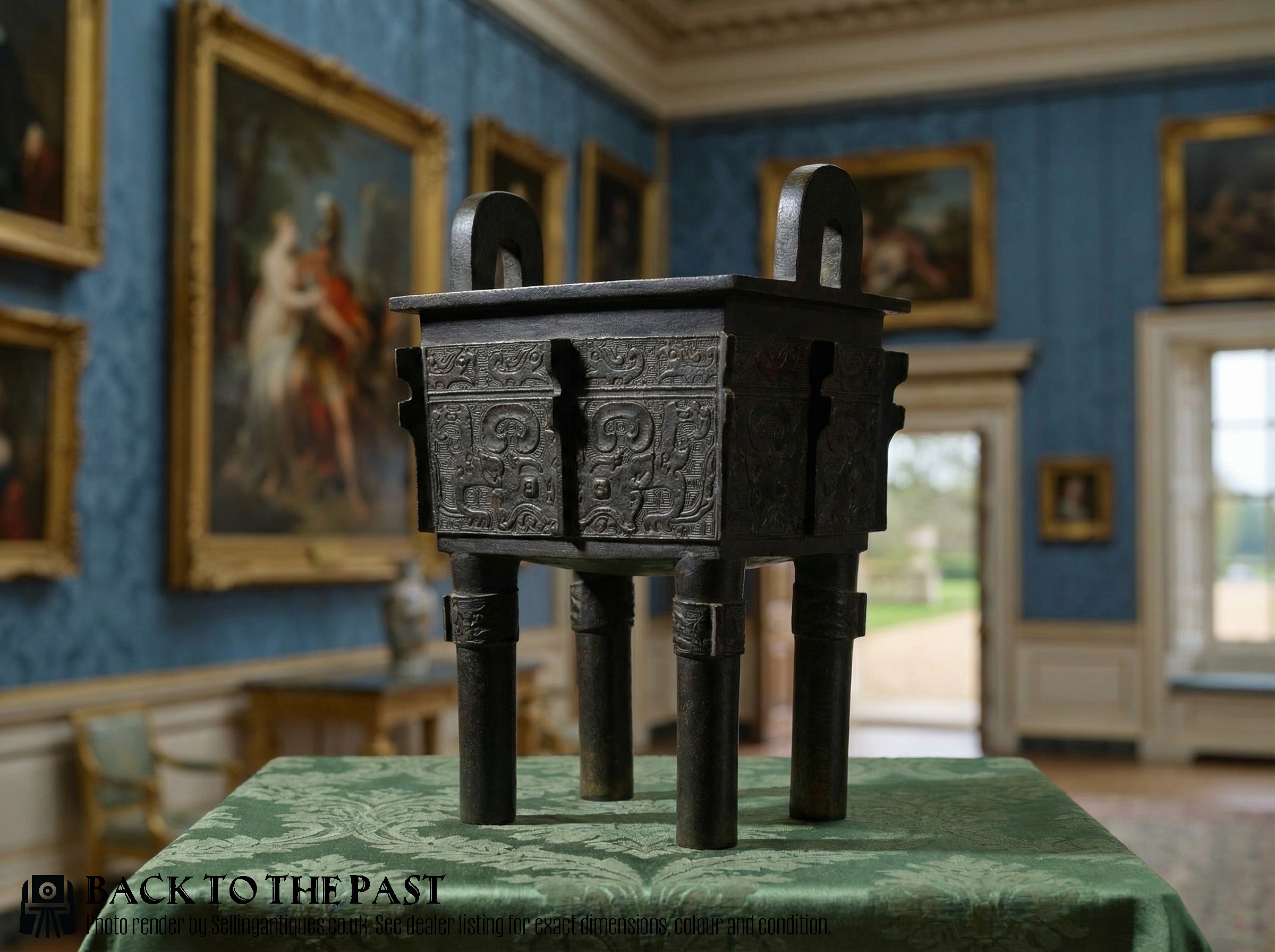
How they were made
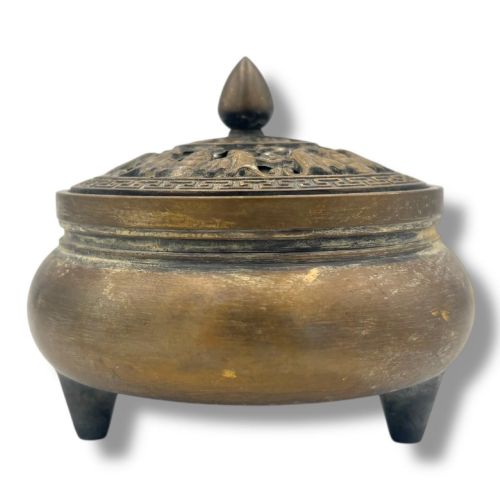
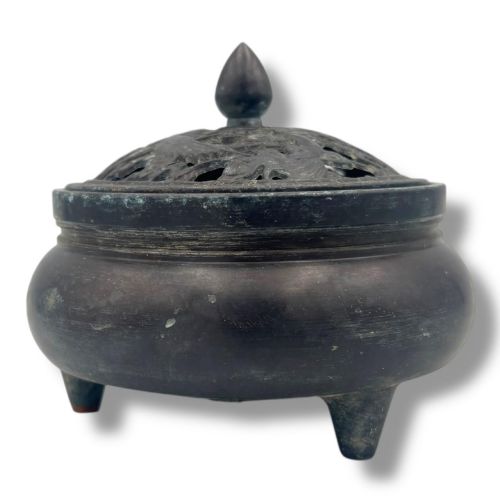
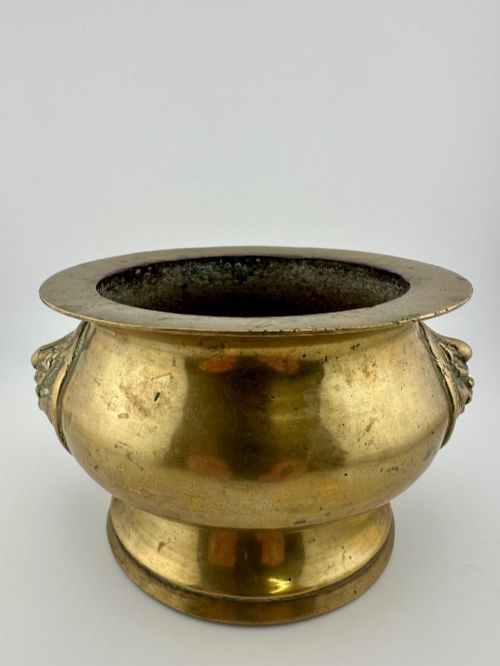
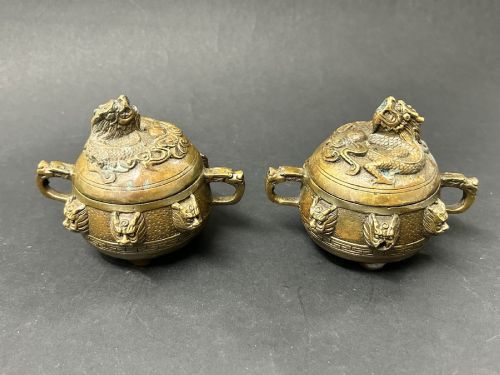
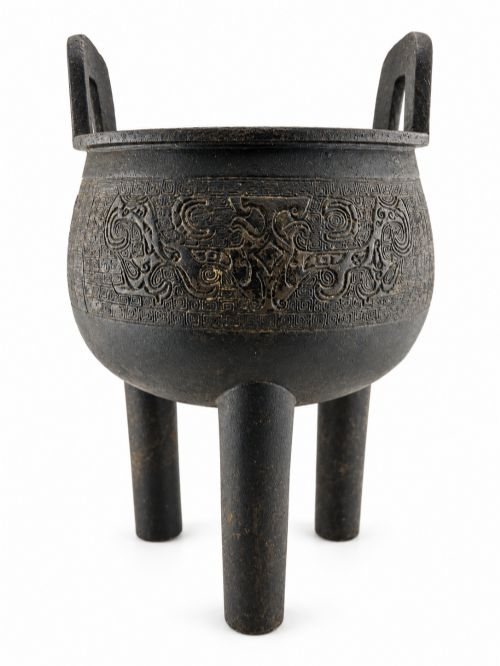
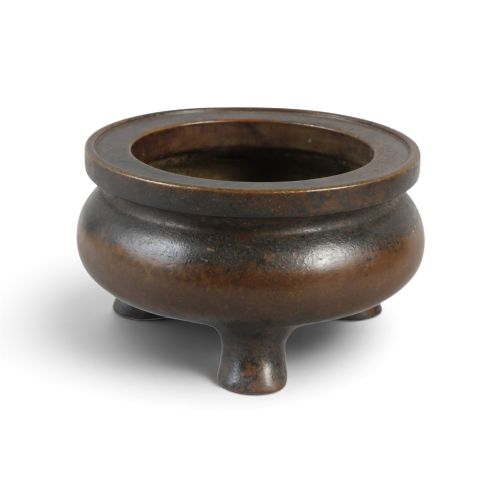
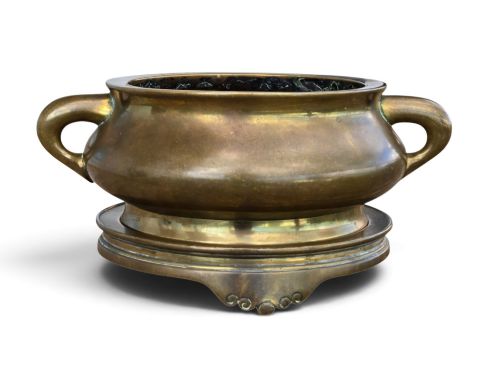
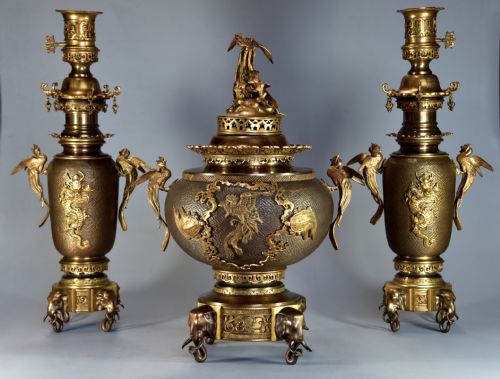
Artisans produced these vessels primarily through bronze casting techniques, creating walls of notable thickness and substantial weight. Molten metal poured into moulds allowed for the formation of complex tripod legs, handles, and relief panels depicting motifs like the lotus or the three friends of winter.
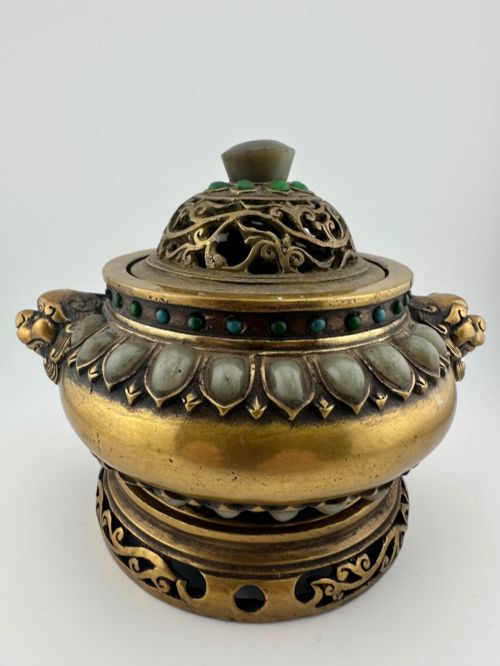
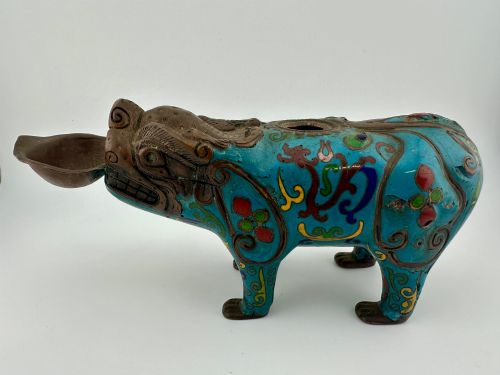
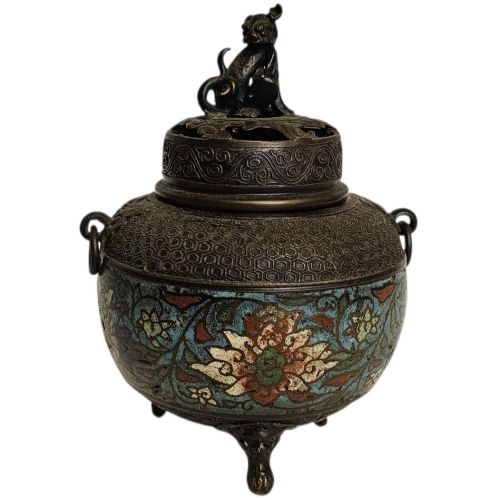
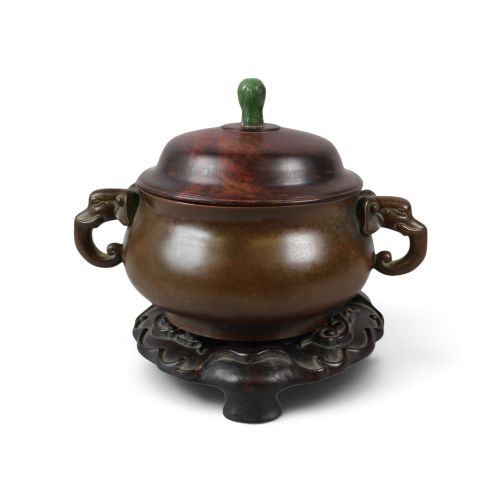
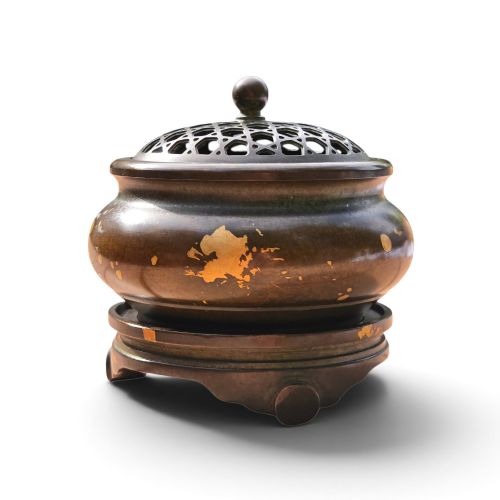
Surface finish involved patination, gold-splashing, or gilding to alter the raw metal tone. Workshops also integrated contrasting elements such as hardstone inlays, jade finials, and cloisonné enamel work to decorative surfaces and lids.
What varies in quality
Quality rests significantly in the precision of the casting and the finished weight of the vessel. Heavier, densely cast bodies exhibit a bell-ring resonance and structural stability that lighter commercial copies lack.
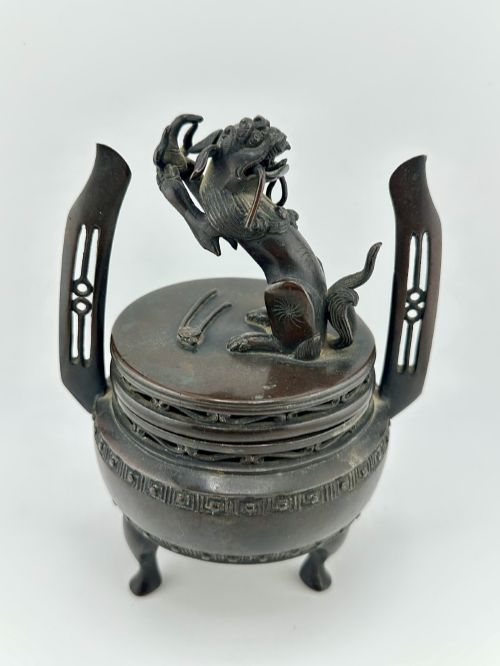
The crispness of detail in applied elements, such as taotie masks, dragon motifs, and pierced floral lids, defines the upper tier of objects. Surviving original stands, matched covers, and well-maintained patinas further elevate the standing of a piece.
Antique Bronze Censer Retail Price Guide 2026
Typical asking prices for bronze censer among the pieces listed under this phrase on Sellingantiques today, from the lower quarter to the upper quarter. They describe what is for sale here now, not the wider market.
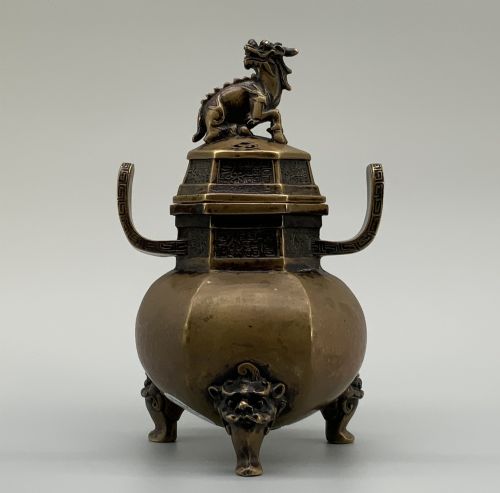
Goat and qilin finials keep watch over the incense smoke.
The Antique Bronze Censer Glossary
- Censer
- A vessel designed specifically for burning incense. These pieces range from small scholar's studio items to large temple tripods.
- Tripod
- A vessel supported by three legs. This configuration appears frequently in early Chinese bronze vessels.
- Cloisonne
- A decorative technique where enamel paste fills compartments created by soldered wire on a metal base. Pieces feature coloured patterns across the body or lid.
- Patina
- The surface sheen and colour developed on bronze over time through oxidation and handling. A fine patina shows depth and age.
- Archaist
- A style reproducing the forms, motifs, and decorations of ancient ritual bronzes from early dynasties. Makers adopted these classical shapes in later centuries.
- Koro
- The Japanese term for an incense burner. These vessels often feature animal finials or intricate openwork lids.
Antique Bronze Censer: Frequently Asked Questions
How were antique bronze censers used?
These vessels burned aromatic incense resins or woods during religious ceremonies, imperial court rituals, and quiet scholarly contemplation. Placed on desks or altars, they directed smoke through pierced lids.
Domestic settings also utilised them simply as decorative objects or ambient fragrance burners. Their solid construction handled heat safely over repeated use.
What is a scholar's censer?
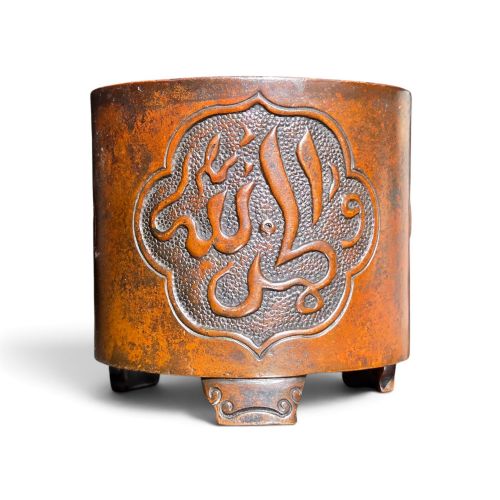
A scholar's censer is a smaller, restrained bronze vessel made for the desk of a literate official or scholar in traditional China. They prioritised subtle form, fine weight, and tactile patina over loud ornamentation.
These pieces often bear studio marks and were intended for personal appreciation during poetry, painting, or meditation.
How do you date an antique bronze censer?
Dating relies on examining the casting technique, alloy weight, style of decoration, and any reign or studio marks present on the base. Ming period pieces often show heavier casting and distinct archaistic relief work.
Later Qing and Meiji iterations introduce varied patination methods, cloisonne enamel, and specific handle designs. Comparing the piece to recorded archive examples establishes its period.
What do reign marks mean?
Reign marks, such as those of the Xuande or Qianlong eras, name the historical imperial period associated with the style of the piece. Many later Qing vessels bear Xuande marks as a tribute to earlier masterworks rather than denoting the exact year of manufacture.
Collectors evaluate the mark alongside the casting quality, wear, and overall material characteristics to determine the actual age.