

Antique Bronze Candelabra
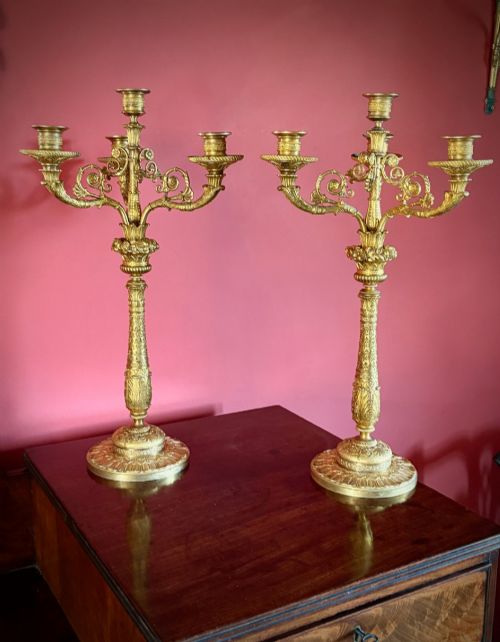
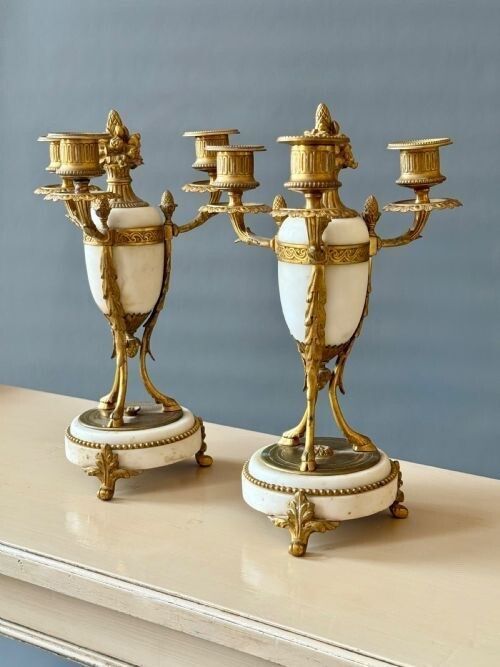
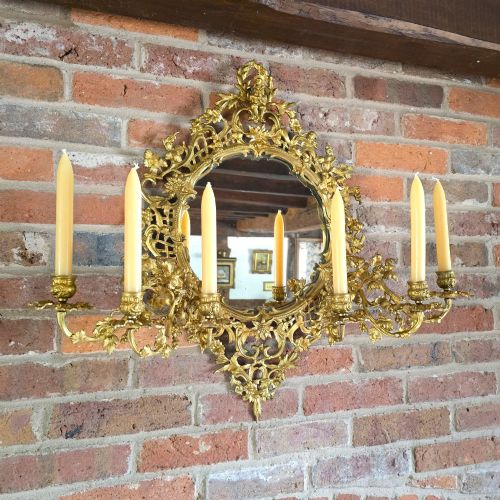
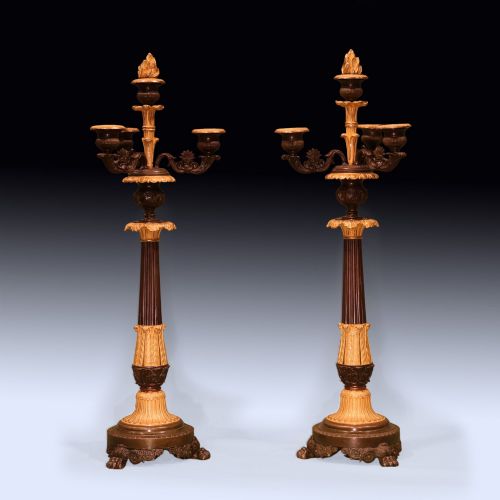
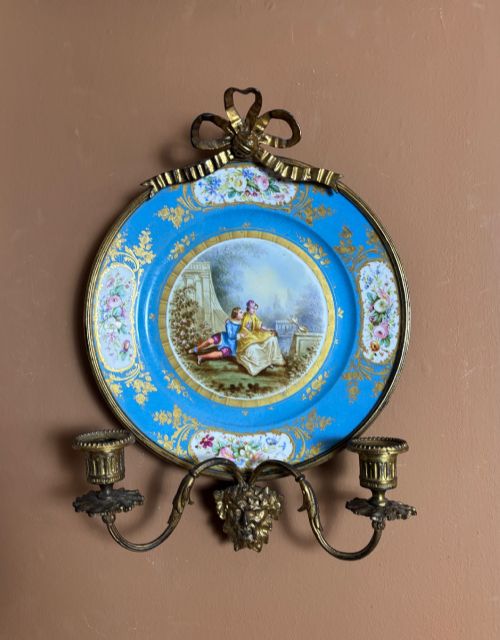
These antique bronze candelabra combine patinated metal with marble and ormolu to illuminate rooms with classical and revival design.

What antique bronze candelabra are
An antique bronze candelabra is a branched lighting fixture designed to hold multiple candles, often forming part of a garniture set alongside matching mantel clocks. When you search for antique bronze candelabra, you encounter robust multi-light stands originating predominantly from the eighteenth and nineteenth centuries.
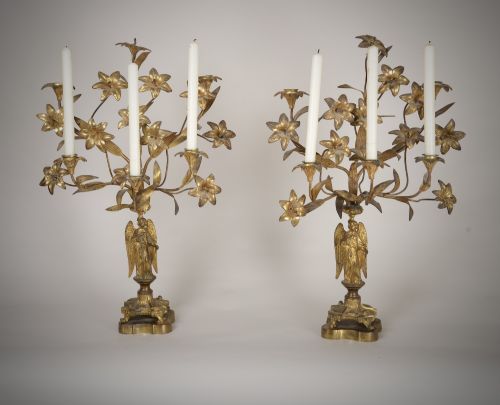
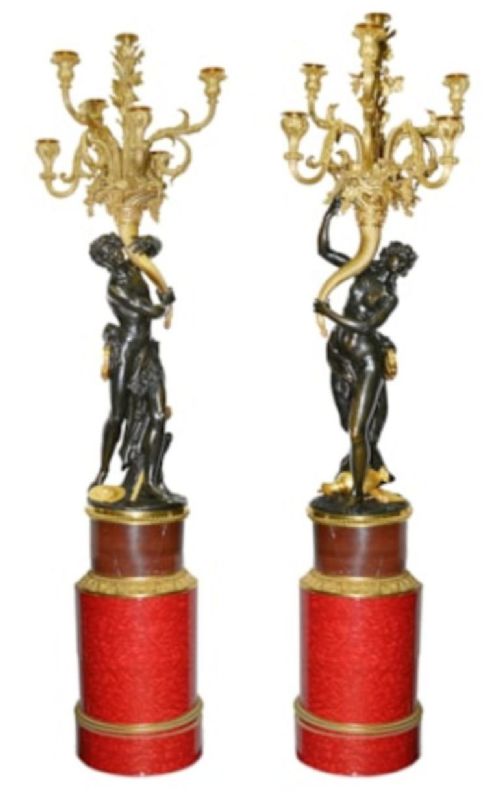
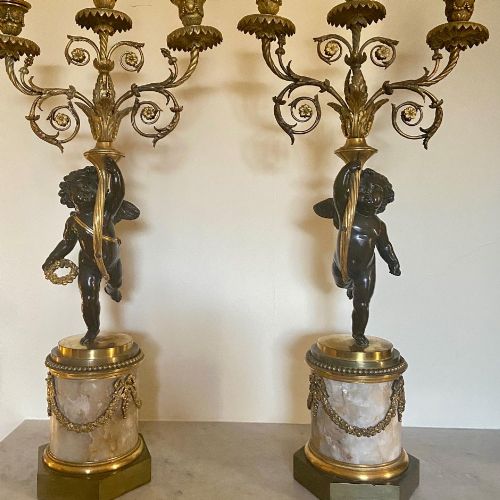
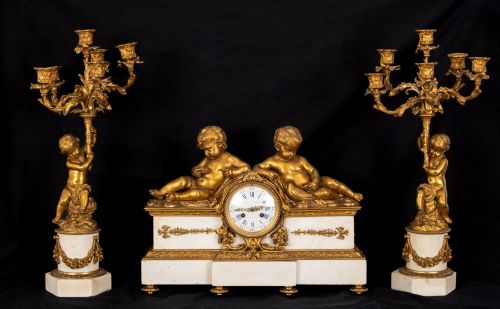
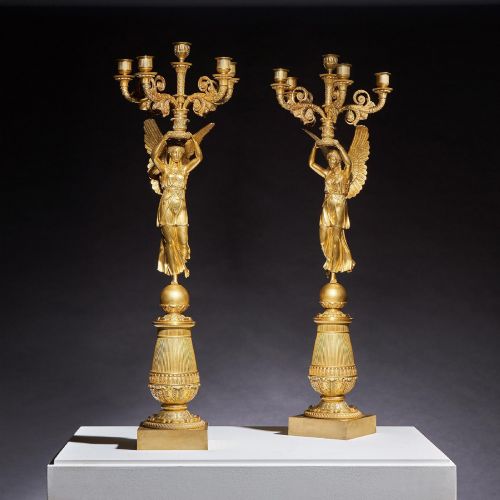
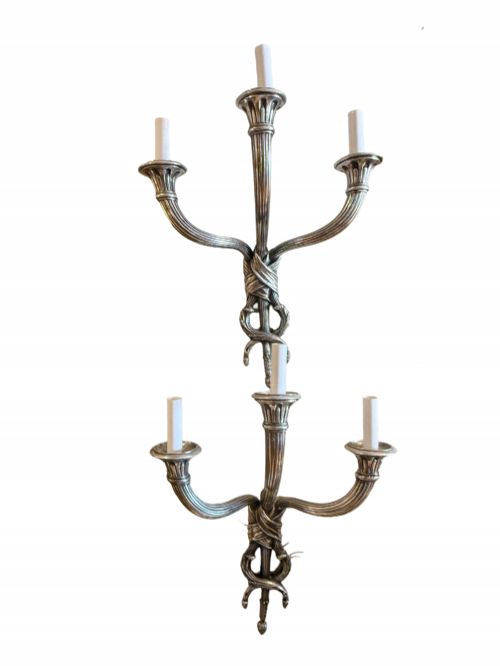
The most common examples on this page are pairs dating from the nineteenth century, reflecting French Empire, Louis XVI, and Victorian tastes. These pieces frequently incorporate figural elements such as putti, knights, or fauns alongside classical architectural motifs.
Originating largely from French workshops and English makers influenced by continental styles, these candelabra served both practical lighting purposes and grand decorative display in period interiors.
How they were made
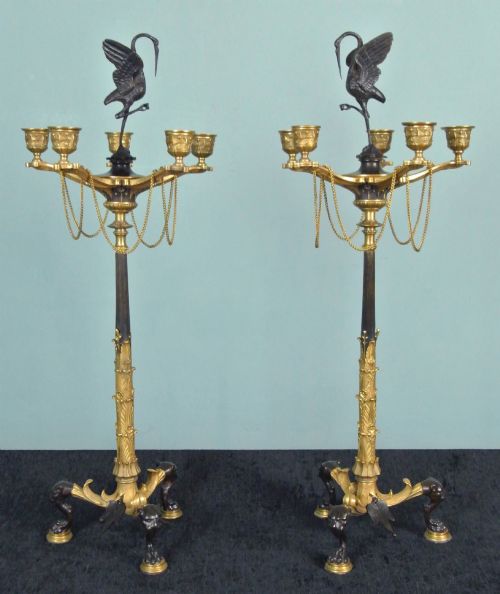
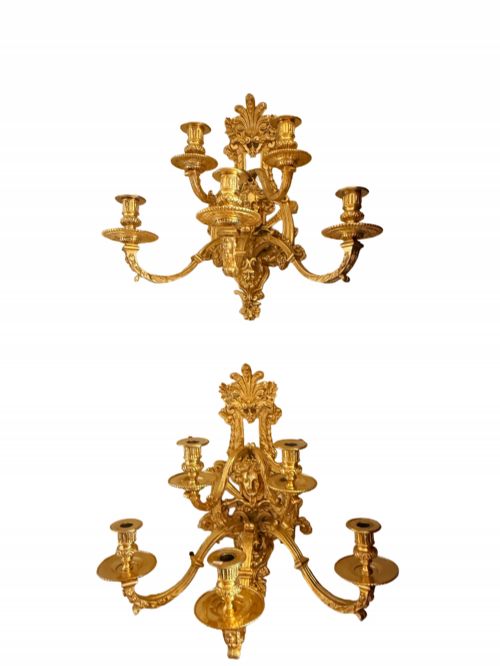
Craftsmen cast these pieces in bronze, utilising both patinated finishes to create dark, textured surfaces and fire-gilding, known as ormolu, to achieve brilliant golden highlights. Many designs combine the metal body with contrasting natural materials like white marble, Sienna marble, fluorspar, and malachite.
Foundries employed intricate lost-wax or sand casting methods to shape detailed figural mounts, acanthus scrolls, and candle nozzles. Artisans then assembled the separate cast components with threaded pins, finishing the surfaces through meticulous hand-chasing and polishing.
Retail Price Guide 2026
Typical UK retail prices for bronze candelabra, calculated from the Sellingantiques database of over a million retail prices indexed since 2003. This retail price guide relies exclusively on Sellingantiques data; no external sources or auction records are used, so the figures do not describe the wider market.
Materials recorded include patinated bronze, ormolu, white and Sienna marble, fluorspar, and malachite.
What varies in quality
Material selection also dictates the hierarchy of quality, with heavy mounts, substantial bronze weight, and the integration of desirable hardstones like fluorspar or malachite marking out the more ambitious commissions.
Francois Redmond·William Bullock·Jules Salmson·Samson
The Antique Bronze Candelabra Glossary
- Ormolu
- Gilt bronze produced by applying an amalgam of gold and mercury to a bronze object before heating to drive off the mercury. This historic technique creates a durable, luminous golden surface found on many French pieces.
- Patinated Bronze
- Bronze treated with chemical solutions to produce a stable, dark surface coloration. This finish provides a stark tonal contrast against bright ormolu mounts.
- Clock Garniture
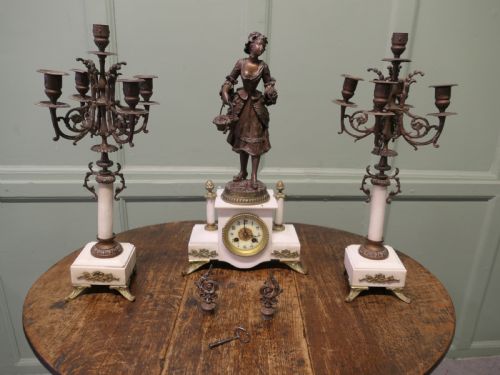
- A matching set comprising a central mantel clock flanked by two matching candelabra or urns. These decorative ensembles formed the visual centrepiece of nineteenth-century fireplace mantels.
- Champlevé
- An enamelling technique where troughs are dug into the bronze surface and filled with vitreous paste before firing. This colourful decoration appears on specific Victorian examples.
- Retour d'Egypte
- A design style inspired by Napoleon's campaign in Egypt, incorporating pharaonic motifs into decorative arts. Pieces in this manner feature distinct classical antiquity influences.
Frequently Asked Questions
How do I clean an antique bronze candelabra?
Dust the surface gently with a soft, dry brush to prevent the accumulation of dirt within the intricate recesses of the casting. Avoid harsh liquid cleaners, commercial brass polishes, or abrasive cloths that can strip the historic patination or wear away delicate ormolu.
For stubborn grime, use a slightly damp cloth with mild soap, drying the metal immediately afterwards. Preserving the natural ageing of the bronze maintains the historical character of the piece.
Were these converted into lamps?
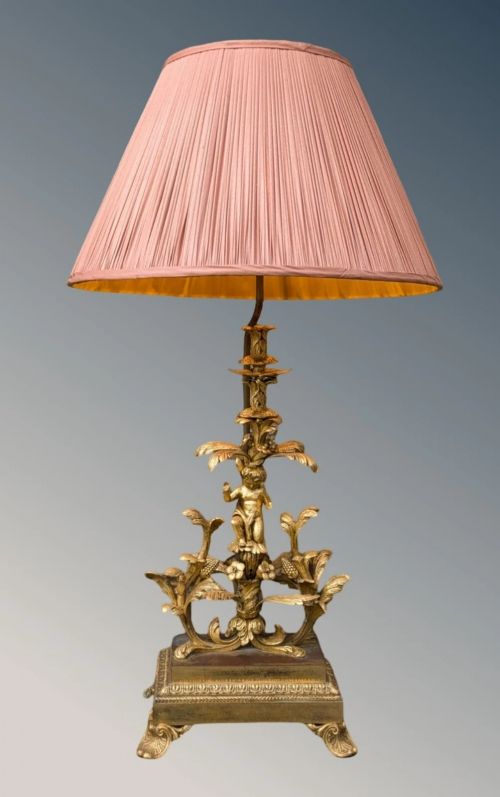
Many nineteenth-century candelabra underwent conversions to electricity during the twentieth century to suit modern domestic lighting needs. Some examples retain their original candle sockets, while others feature wired fittings threaded through the central stem.
Collectors often debate the merits of conversion, though reversible wiring methods allow modern use without permanently damaging the historic structure.
How do I identify French Empire style?
French Empire pieces display strict symmetry, military trophies, classical figures, and crisp ormolu mounts against dark patinated bronze. The aesthetic draws heavily on ancient Roman, Greek, and Egyptian iconography.
This style flourished during the early nineteenth century under Napoleon, emphasising monumental scale and imperial grandeur in interior decoration.
What is a clock garniture set?
A clock garniture is a decorative ensemble consisting of a central mantel clock accompanied by a matching pair of side pieces, usually candelabra or urns. These three items shared identical materials, styles, and foundry techniques to create a unified display across a fireplace mantel.
Complete surviving sets represent coordinated interior design schemes from the nineteenth century.