






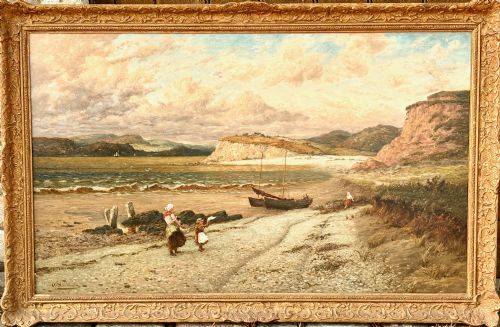
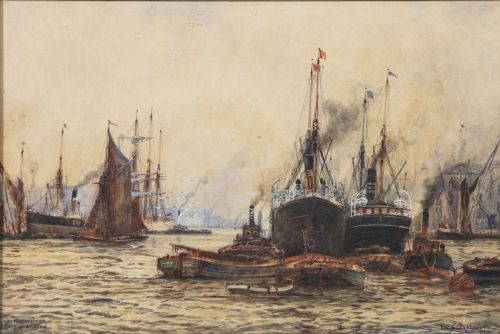
Antique British Seascape Art
Antique british seascape art captures maritime life and coastal views through traditional painting.
Antique British Seascape Art
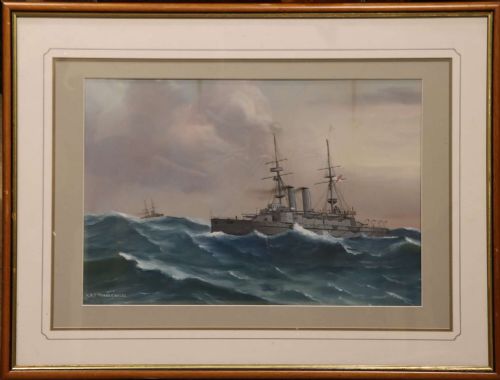
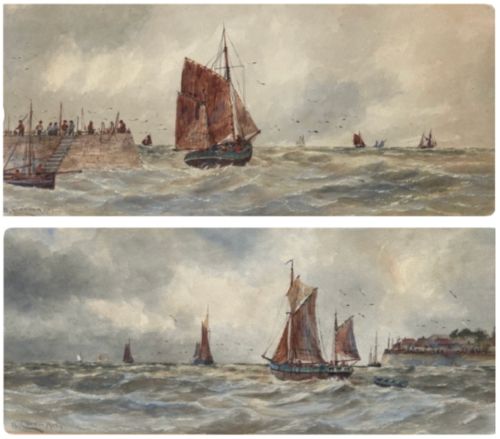
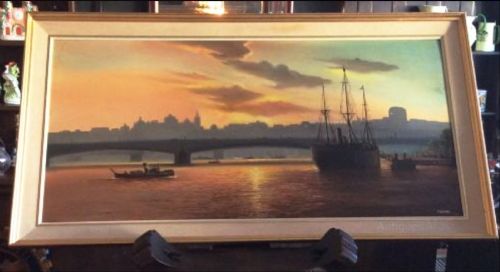
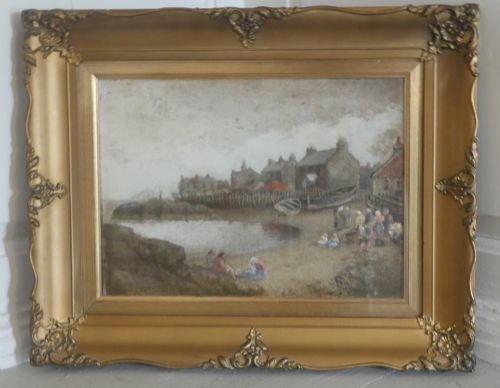
Antique british seascape art comprises paintings focusing on coastal views, harbours, and maritime shipping scenes. Buyers find works spanning the nineteenth century through the early twentieth century.
How they were made
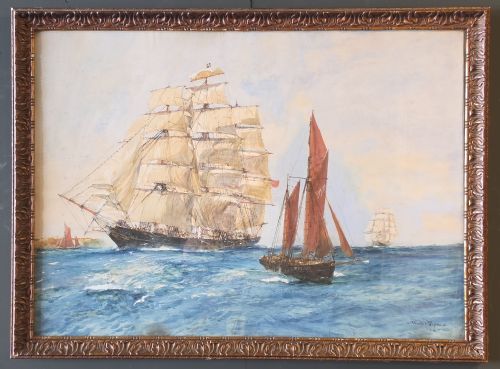
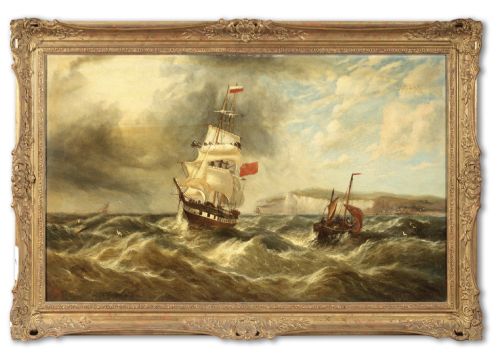
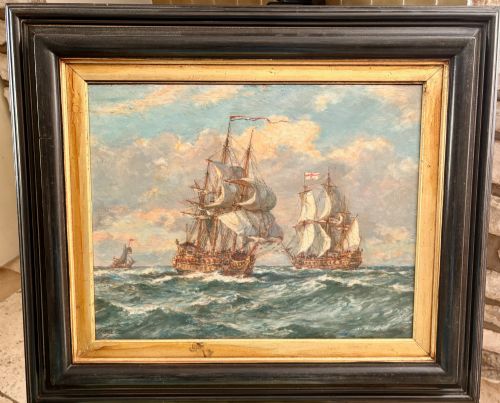
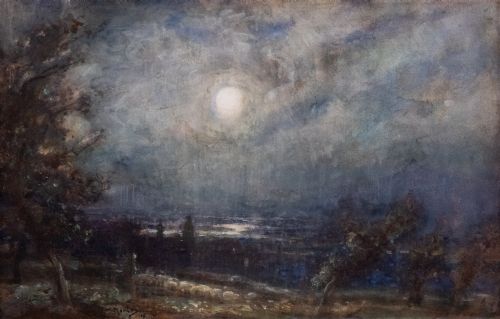
Artists applied watercolour pigment to paper, often capturing light and movement in coastal atmospheres. Alternatively, oil on canvas allowed painters to build heavy impasto textures for rough seas and rocky shores.
Completed paintings typically sat within wooden frames, frequently finished with gilt wood moulding to complement the artwork.
Listings feature works spanning from 1860 through the 1960s, utilising paper, canvas, and wood.
What varies in quality
Quality rests upon the artist's ability to render maritime anatomy accurately, from rigging on sailing ships to the correct motion of waves. Stronger compositions convey genuine atmosphere and depth rather than static reproduction.
The preservation of the pigment and the condition of the canvas or paper also dictate value. Works retaining their original colour intensity and framed securely stand apart from faded or heavily restored examples.
James Orrock·William Cannon·Charles Edward Dixon·William Banks Fortescue·John Rose Miles·Bernard Gribble·Thomas William Morley·Frank William Scarbrough·Francis Moltino·Hector Caffieri·Richard Henry Wright·Bernard Benedict Hemy·Thomas Creswick·Thomas Bush Hardy·John Wilson Carmichael·William Matthison·Thomas Hodgson Liddell·William Henry Williamson·John Holland·George Stanfield Walters·Frank Kelsey·Henry Barlow Carter·William Frederick Settle·Charles William Wyllie·Charles William Adderton
The Antique British Seascape Art Glossary
- Impasto
- Paint applied thickly to a canvas so that it stands proud of the surface. This technique creates a three-dimensional texture that catches the light and emphasises water or sky.
- Gouache
- An opaque watercolour paint mixed with a white pigment. It provides solid blocks of colour and fine detail in maritime illustrations.
- Coble
- A traditional type of open fishing boat native to the north-east coast of England. These flat-bottomed vessels appear frequently in regional coastal art.
- Maritime
- Pertaining to the sea, shipping, and navigation. In this category, it defines scenes dominated by vessels and coastal operations.
Antique British Seascape Art: Frequently Asked Questions
How do I date an antique seascape painting?
Dating relies on stylistic clues, framing methods, and artist signatures recorded in historical archives. Clothing styles of figures on the shore or the type of shipping vessel depicted often narrow the decade.
Paper watercolours from the nineteenth century differ noticeably in texture and pigment handling compared to later twentieth-century boards and canvases.
What is the difference between marine and seascape art?
Marine art specifically centres on ships, naval engagements, and deep-water navigation. Seascape art encompasses a broader view that includes coastal landscapes, beaches, and harbour towns.
Many British paintings blend these genres by showing vessels moored near traditional fishing ports.
How should I display watercolour art safely?
Watercolours require protection from direct sunlight to prevent the pigments from fading permanently over time. Framing behind glass with conservation-grade mounting keeps the paper stable.
Avoid hanging these pieces in damp rooms such as kitchens or bathrooms where moisture can damage the paper.
Are oil paintings on canvas durable?
Oil on canvas offers robust longevity when kept away from extreme temperature fluctuations. The hardened paint layer protects the fabric support beneath from normal atmospheric conditions.
Periodic light dusting with a dry brush maintains the surface without requiring chemical cleaners.