



Antique Brass Tabletop Holders
These antique brass tabletop holders bring functional metalwork and polished warmth to desks and dining surfaces alike.
Antique Brass Tabletop Holders
When searching for antique brass tabletop holders, collectors encounter a diverse group of domestic metalwork spanning the eighteenth, nineteenth, and early twentieth centuries. These objects include desk accessories, letter cases, book carriers, candelabra, and candlesticks designed for everyday surface use.
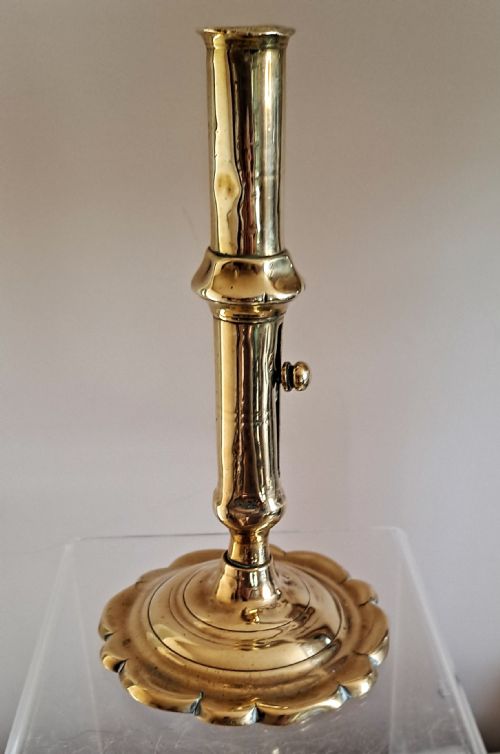
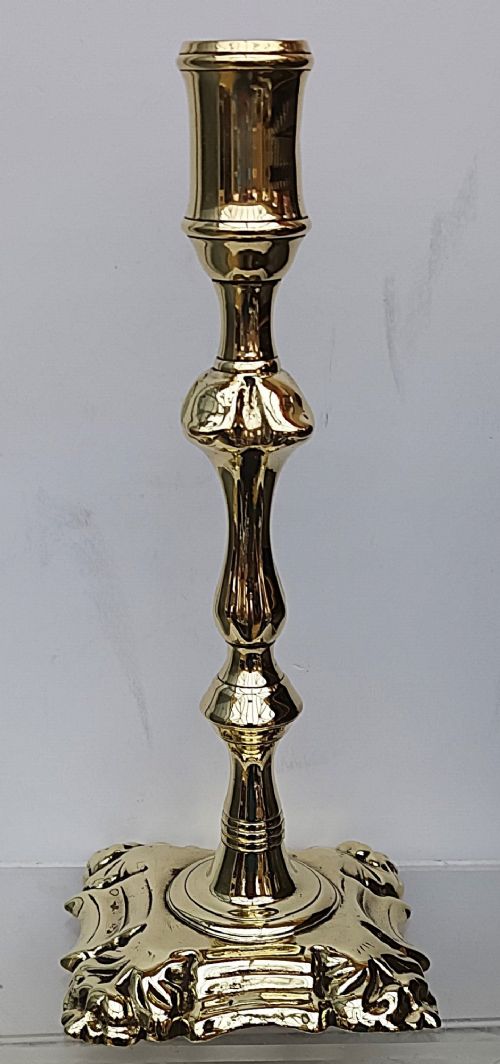
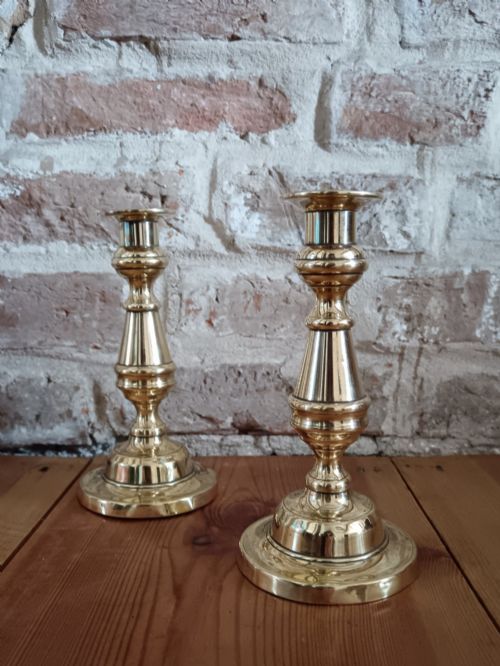
The most common forms on this page are candlesticks and multi-arm candelabra, alongside desk items incorporating mahogany, oak, and glass. Pieces range from plain Georgian petal-based designs to ornate Victorian and Edwardian examples featuring ejector mechanisms or rotating sections.
Materials and construction methods
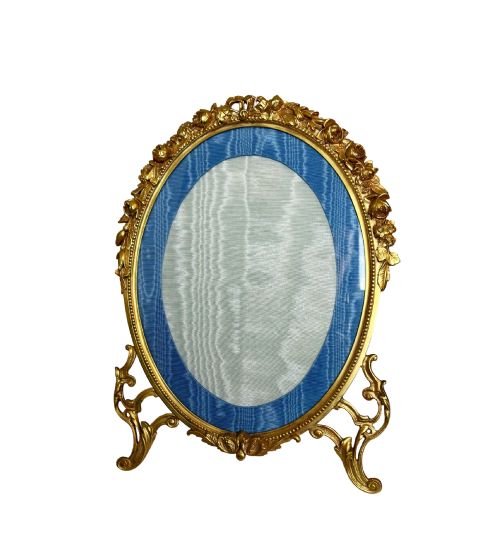
Makers utilised cast and turned brass, frequently combining the metal with secondary materials such as mahogany, oak, coromandel, and glass. Ormolu and gilt bronze appear on French and Regency pieces, adding decorative surface richness to structural metal components.
Casting, turning, and assembly techniques define the construction of these items, from simple petal bases on eighteenth-century candlesticks to complex revolving mechanisms on nineteenth-century bookcases and book slides.
The selection includes specialised functional forms such as bottle holders, music leaf turners, and perpetual calendars alongside standard lighting.
Distinctions in quality
Quality rests upon the crispness of casting detail, the weight of the metal, and the precision of integrated mechanisms like ejectors or rotating book carriers. Superior examples show careful finishing by hand, where joints fit tightly and decorative motifs remain sharp.
The integration of mixed materials also dictates standard, with well-figured timbers like mahogany and rosewood properly secured to heavy brass mounts rather than thin plating.
Moseley·Padbury
The Antique Brass Tabletop Holders Glossary
- Ejector candlestick
- A candlestick fitted with an internal sliding mechanism to push out remnants of burned wax. This mechanical addition appears frequently on nineteenth-century English examples.
- Ormolu
- Finely ground high-carat gold applied to a bronze or brass base in a mercury gilding process. It provides a bright golden surface finish seen on French and Regency decorative items.
- Candelabra
- A multi-branched candleholder designed to support two or more candles simultaneously. These range from simple two-light domestic pairs to grand six-light examples.
- Book slide
- An extendable desktop rack designed to hold volumes upright between two supporting ends. Many incorporate brass mounts and sliding wooden actions.
Antique Brass Tabletop Holders: Frequently Asked Questions
What are antique brass tabletop holders?
These pieces comprise a broad category of domestic metalwork items designed for desktop or tabletop use. They include lighting fixtures such as candlesticks and candelabra alongside organisational items like stationery boxes and book carriers.
Most examples date from the eighteenth to the early twentieth centuries, reflecting the changing interior requirements of Georgian, Victorian, and Edwardian households.
How were these holders used originally?
Candlesticks and candelabra provided essential illumination before electric lighting became common in homes and offices. Desk accessories and book carriers organised correspondence, documents, and volumes on writing tables and library desks.
Mechanical items like music leaf turners and perpetual calendars assisted individuals with daily tasks in studies and drawing rooms.
How do I care for antique brass?
Keep brass objects away from damp environments to prevent surface corrosion and verdigris formation. Dust them gently with a dry, soft cloth rather than using harsh chemical polishes that remove historic patination.
When wood or glass components are present alongside the brass, clean each material according to its specific conservation requirements.
How can I tell periods apart?
Georgian pieces often display restrained lines and cast petal bases, whereas Regency and Victorian items frequently incorporate heavier ormolu mounts, cast ejector mechanisms, and gothic or rococo revival motifs. Edwardian and later pieces frequently combine brass with turned oak or mahogany in simpler, functional forms.
Examining fastening methods, casting quality, and accompanying secondary woods helps narrow down the manufacturing decade.