

Antique Brass Table Lighting
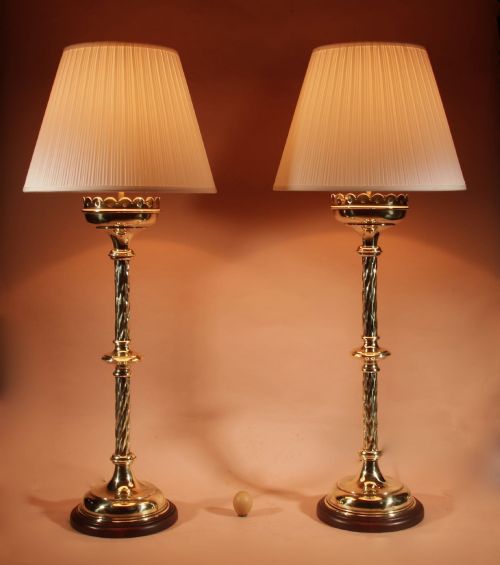
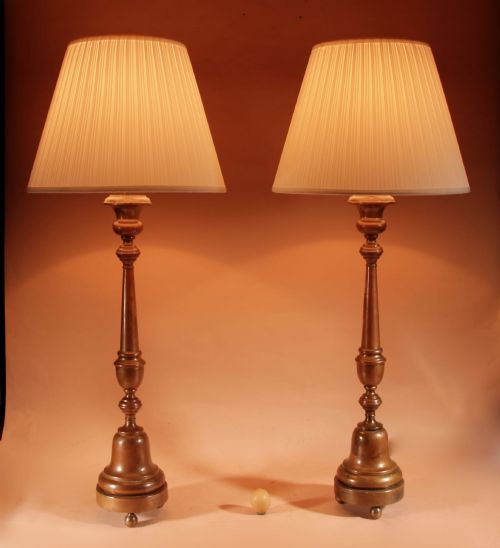
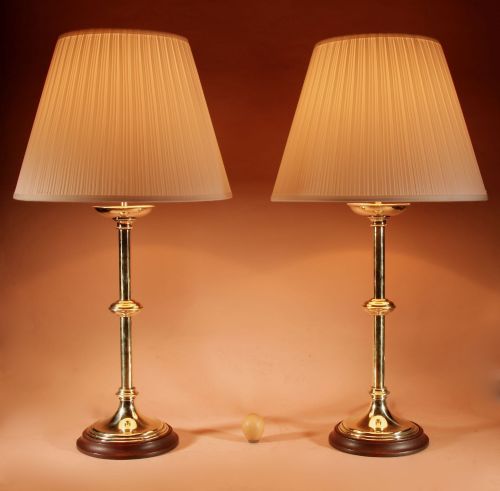
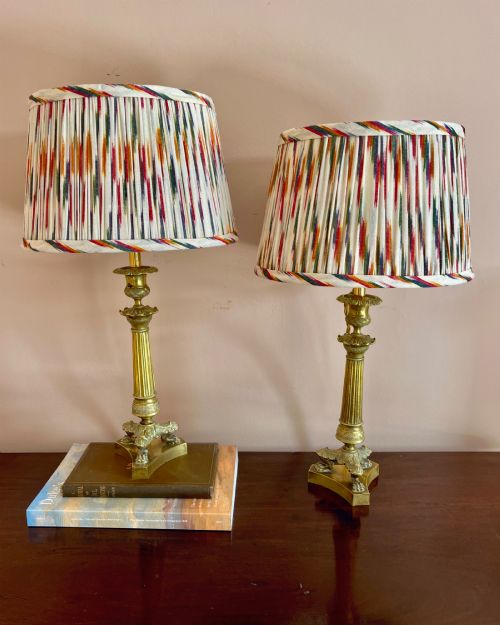
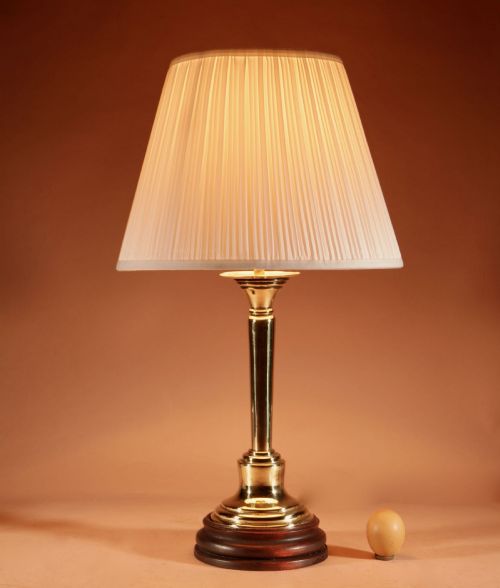
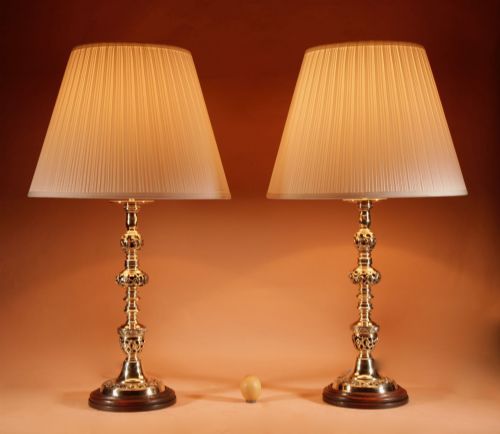
Antique brass table lighting brings functional warmth and period character to a room, offering Georgian and Victorian forms in durable brass.
Antique Brass Table Lighting
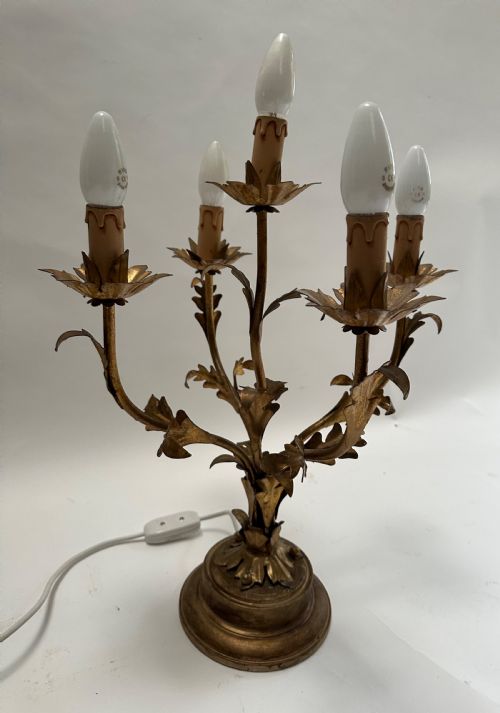
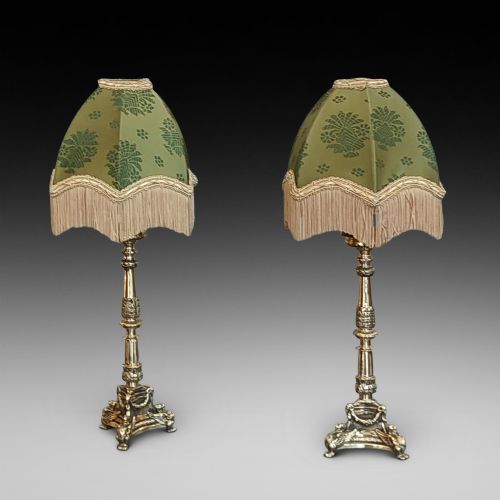
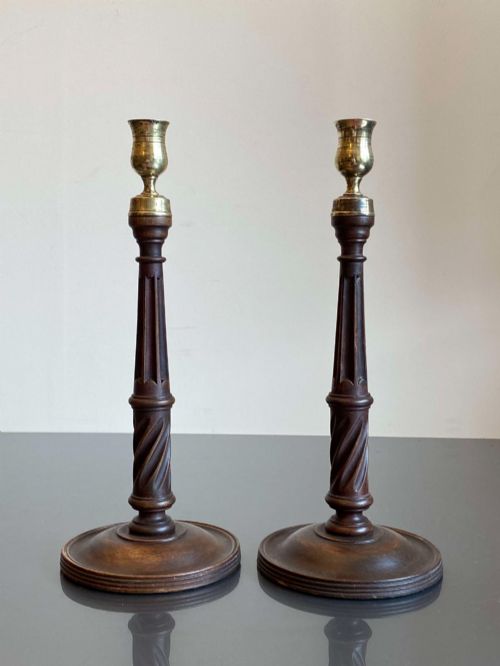
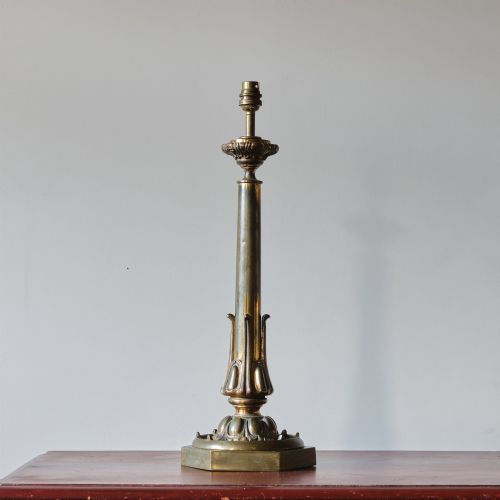
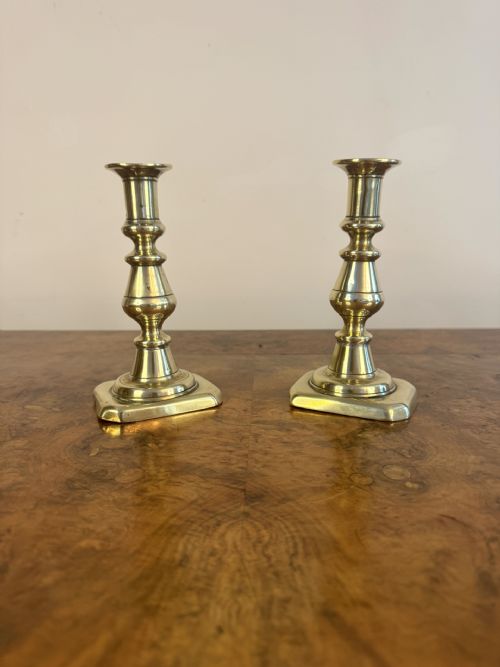
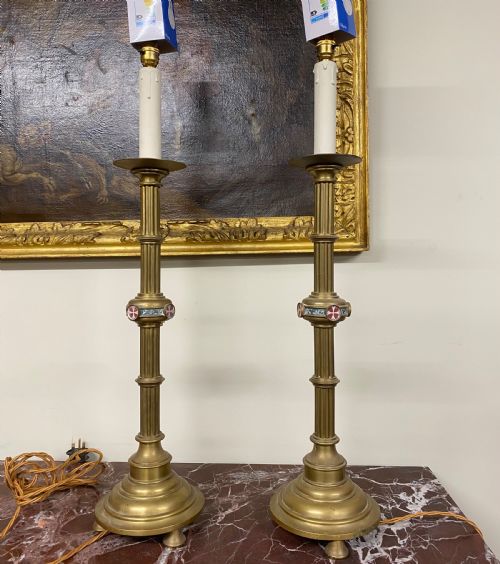
When you search for antique brass table lighting, you encounter functional items designed to illuminate interiors from past centuries. The selection on this page centres on candlesticks and oil lamps spanning the Georgian, Victorian, and Edwardian eras.
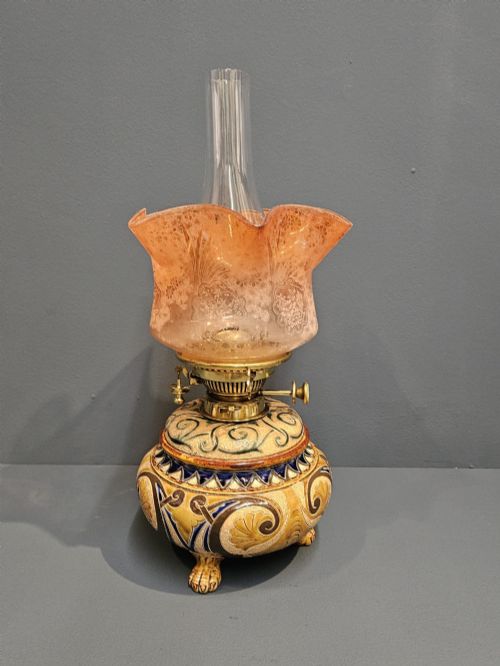
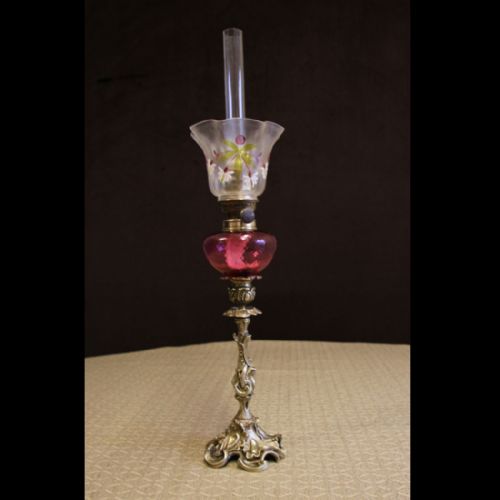
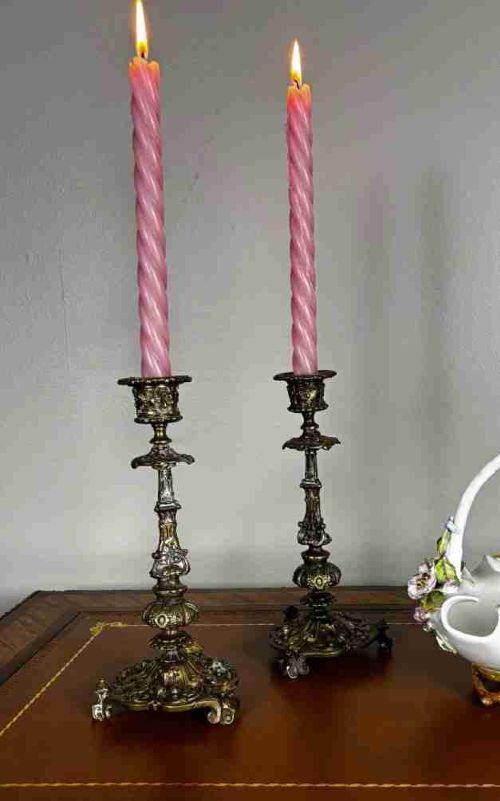
Candlesticks represent the earliest forms here, originating in the eighteenth century alongside later nineteenth-century examples. Oil lamps with opaline glass shades arrive from around nineteen hundred, combining metal bases with decorative glass elements.
How they were made
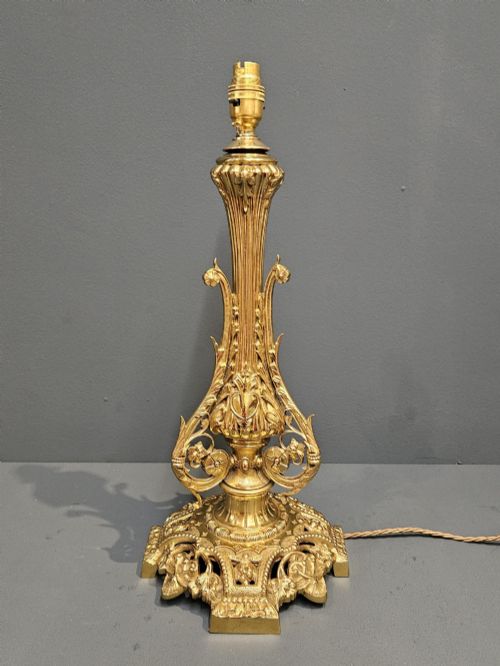
Items in this category rely primarily on brass as the core structural and visual material. Workshops utilised metalcasting techniques to shape the sturdy stems and bases of candlesticks and lamp bodies.
Where oil lamps are present, manufacture incorporates delicate opaline glass components alongside the brass work. These contrasting materials were combined to create functional domestic lighting.
Antique Brass Table Lighting Retail Price Guide 2026
Typical asking prices for brass table lighting among the pieces listed under this phrase on Sellingantiques today, from the lower quarter to the upper quarter. They describe what is for sale here now, not the wider market.
Some oil lamps from 1900 arrived with opaline glass shades designed to make flickering flame light feel softer on the eyes.
What varies in quality
Quality across these pieces rests in the crispness of the brass casting and the overall balance of the form. Earlier eighteenth-century examples display different proportions and weight compared to Victorian and Edwardian production.
The inclusion of original opaline glass shades on oil lamps elevates the integrity of the piece. Subtle differences in surface finish and proportion distinguish standard domestic items from finer examples.
The Antique Brass Table Lighting Glossary
- Candlesticks
- Portable domestic devices designed to hold a single wax or tallow candle upright. These objects form a significant portion of early brass lighting.
- Oil Lamps
- Domestic lighting vessels that burn oil via a wick, frequently fitted with glass chimneys or shades. Edwardian examples often feature opaline glass elements.
- Opaline Glass
- A milky, translucent glass used widely for nineteenth-century lamp shades. It softens and diffuses the light emitted from the burner.
- Georgian
- The stylistic period spanning the eighteenth century, represented here by mid-century candlesticks. Pieces from this era display specific classical proportions.
Antique Brass Table Lighting: Frequently Asked Questions
What is antique brass table lighting?
These pieces comprise functional domestic lighting objects made from brass, dating from the eighteenth century to the early twentieth century. They include both simple candlesticks and more complex oil lamps.
Items span specific historical eras including the Georgian, Victorian, and Edwardian periods, each bringing distinct manufacturing methods and design characteristics to the table.
How do I date these lights?
Dating relies on observing the form, weight, and manufacturing technique visible in the brass or glass components. Eighteenth-century candlesticks differ noticeably in profile from Victorian or Edwardian pieces.
Reference to documented styles such as Georgian or Edwardian helps place the object within its correct historical timeframe alongside material clues like opaline glass.
Were oil lamps used daily?
Oil lamps served as primary domestic illumination before the widespread adoption of electricity. They required regular maintenance, including trimming wicks and filling reservoirs.
Surviving examples demonstrate how homes achieved illumination in the Victorian and Edwardian eras, often featuring decorative shades to soften the flame.
How do I clean brass safely?
Maintaining brass involves removing dust and light grime without stripping the patination accumulated over decades or centuries. Harsh abrasive cleaners can permanently damage the surface finish.
Gentle wiping preserves the historic character of the metal while keeping the material stable for display in a modern interior setting.