
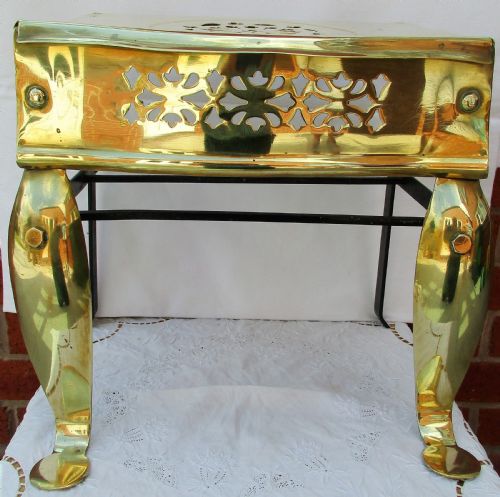
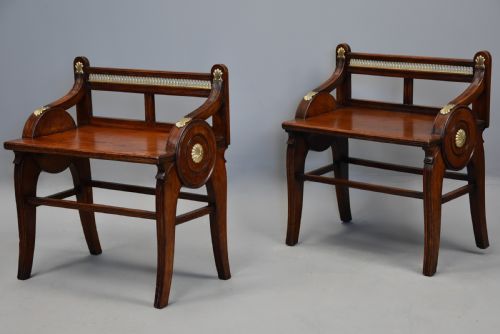

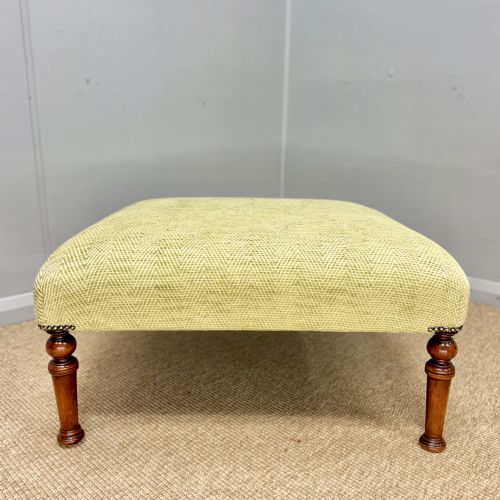


Antique Brass Stool
An antique brass stool brings character to a fireside or study, combining sturdy metalwork with traditional upholstery.
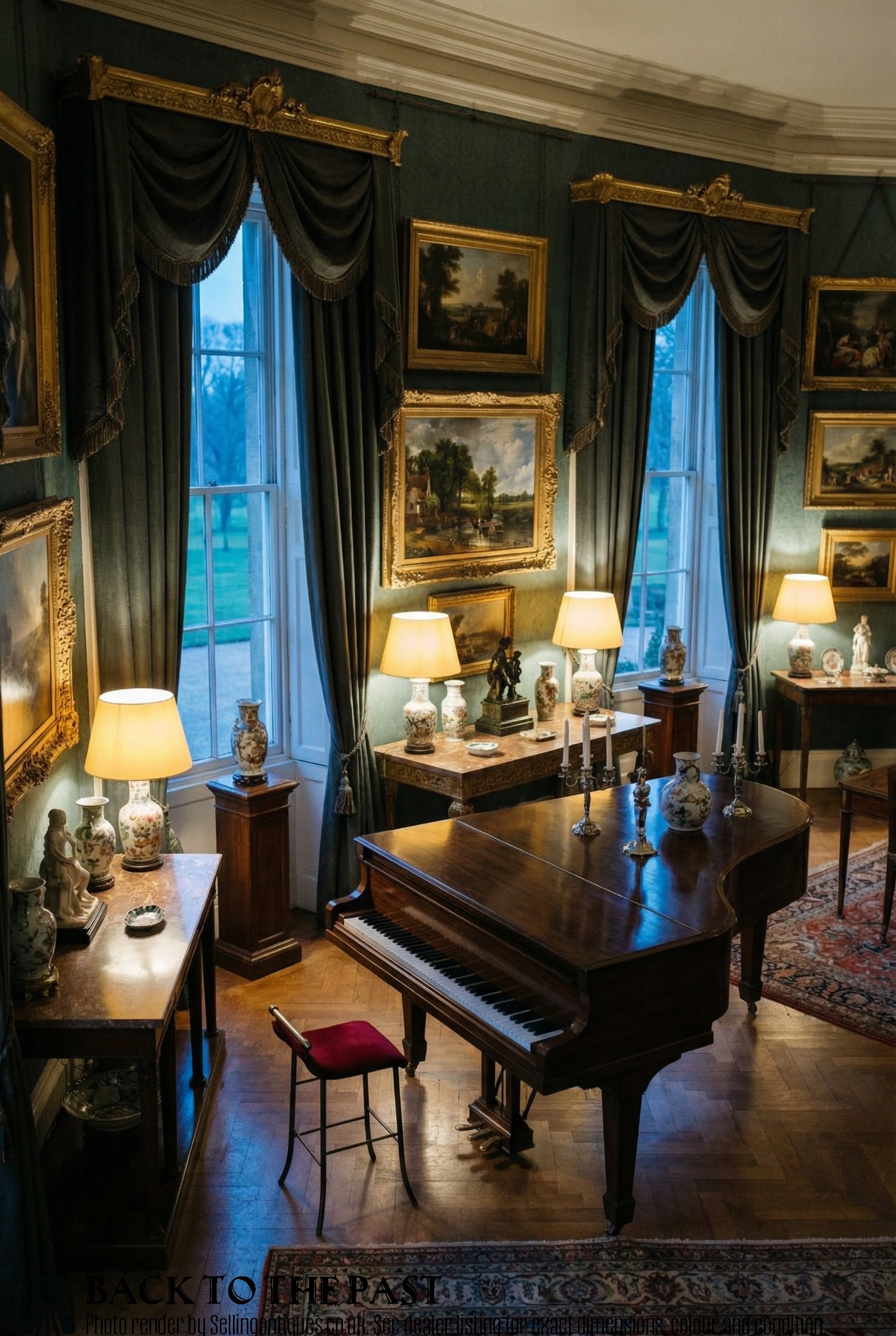
Antique Brass Stool
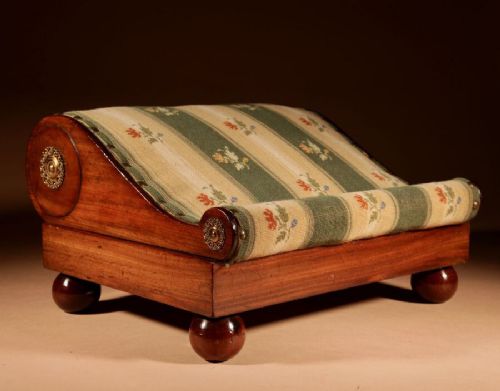
An antique brass stool encompasses footstools, ottomans, benches, and hearth accessories like footmen and trivets. These pieces appear across periods such as the Georgian, Regency, and Victorian eras, frequently incorporating metal frames or mounts alongside timber structures.
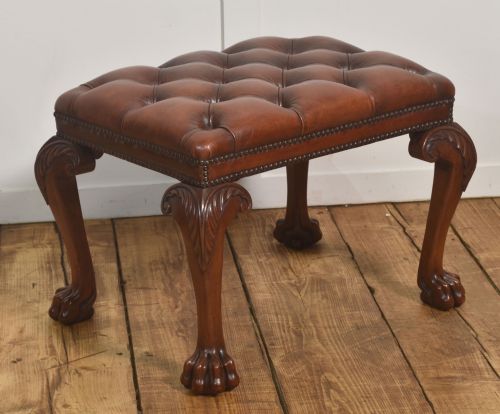
The most common variants on this page pair cast brass frames or decorative brass studs with wooden elements like mahogany, walnut, or oak. Upholstery ranges from plain leather and buttoned leather to textiles and needlepoint, depending on whether the piece served a salon, library, or fireplace.
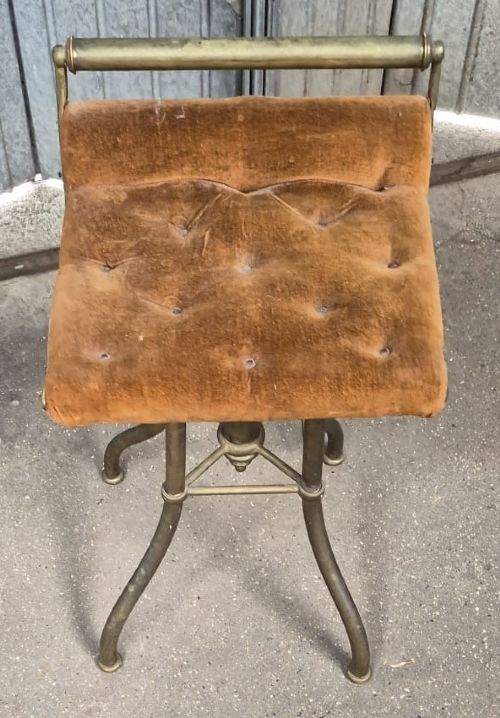
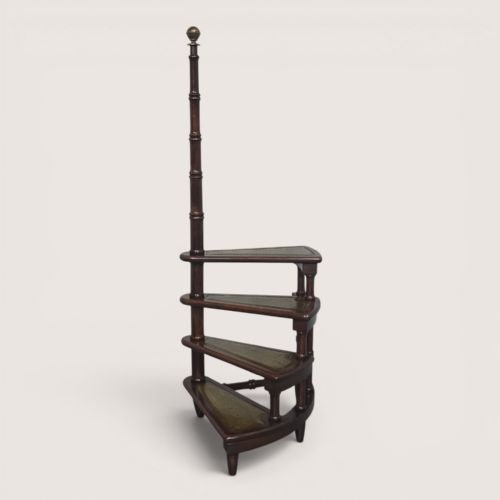
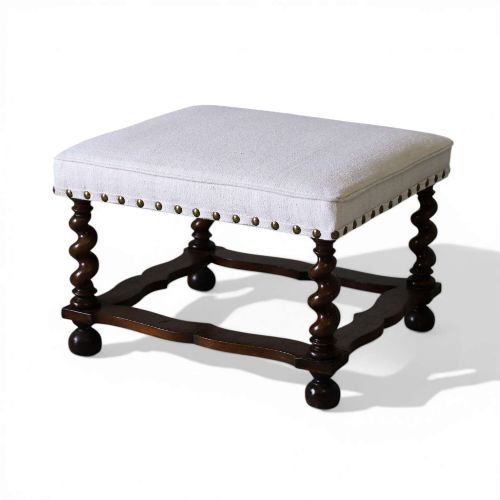
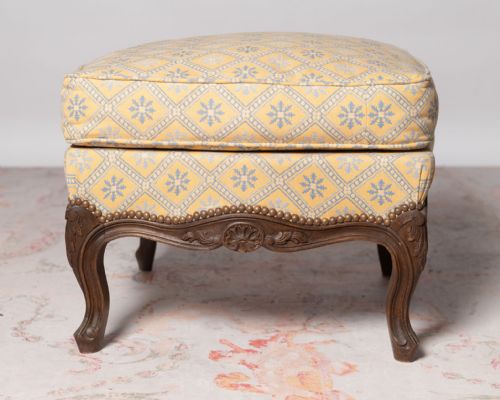
Forms span low footstools, box ottomans, long benches, and music stools designed for specific domestic tasks. Many integrate brass castors, handles, or inlay alongside traditional wooden legs like cabriole, fluted, or barley-sugar styles.
Materials and construction
Maker construction relies on heavy timbers such as mahogany, oak, walnut, and rosewood, joined to brass frames, castors, and footmen plates. Brass components are cast, forged, or engraved, whilst wooden chassis utilise traditional joinery and veneers.
Upholstery techniques involve webbing, springs, padding, and leather or textile coverings secured with brass studding. Metal and wood components combine to create durable seating and fireside accessories intended for daily domestic use.
Some nineteenth-century brass stools doubled as secret storage boxes for sheet music or coal.
Assessing quality
Quality shows in the weight and finishing of the brass components, from crisp casting on footmen to fine engraving on music stools. Solid timber frames with precise joinery and well-fitted box compartments outlast lighter, less substantial constructions.
The standard of upholstery and leatherwork dictates the finish of seated pieces, where hand-buttoned leather and tight textile coverings reflect higher workshop standards. Original brass castors, inlay, and matched timber veneers elevate the standing of a piece.
James Shoolbred & Co·Howard & Sons·Mathew Gregson
The Antique Brass Stool Glossary
- Footman
- A metal stand placed before a fireplace to warm plates or kettles. These typically feature brass tops and steel legs.
- Ottoman
- A low upholstered seat or box without a back, often fitted with a hinged lid for storage. Regency examples frequently incorporate rosewood and brass inlay.
- Trivet
- A small three-legged metal stand used by the hearth. They are closely related to footmen in period brass accessories.
- Box Ottoman
- An upholstered seat featuring an internal storage compartment. They appear in nineteenth-century rooms as functional multi-purpose furniture.
- Music Stool
- An adjustable seat designed for piano or harp players. Examples include patented designs with rotating mechanisms.
Antique Brass Stool: Frequently Asked Questions
What is a brass footman?
A brass footman is a traditional fireside accessory used in Georgian and Victorian homes to keep plates or kettles warm near the hearth. They combine brass plates with steel legs for heat resistance.
These items doubled as utilitarian metal stands and decorative fireplace furnishings, often featuring pierced or engraved brass tops.
How do I use an antique stool?
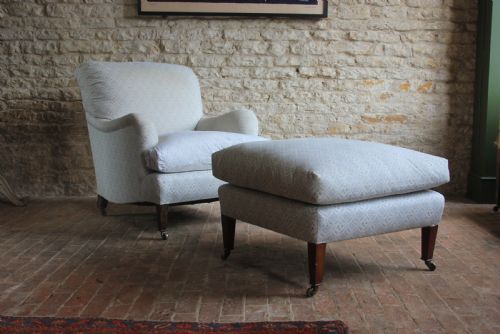
Antique stools function as low footrests, end-of-bed benches, or fireside seating depending on their original form. Ottoman variants also provide concealed storage for blankets or small items.
Placing them in living rooms or studies introduces period materials like mahogany, leather, and brass into modern interiors.
How are music stools different?
Music stools are purpose-built seating designed for musicians at pianos or harps, often featuring adjustable heights or rotating mechanisms. Nineteenth-century versions frequently utilise patent systems for movement.
Their construction prioritises stable seating during performance, often incorporating brass mechanisms and swivel tops.
What woods were used?
Cabinet makers built these pieces using dense hardwoods including mahogany, walnut, oak, and rosewood. These timbers provided the structural strength needed for heavy daily use.
Secondary woods and veneers like yew and oyster-veneered sections also appear, matched with brass mounts and leather upholstery.