
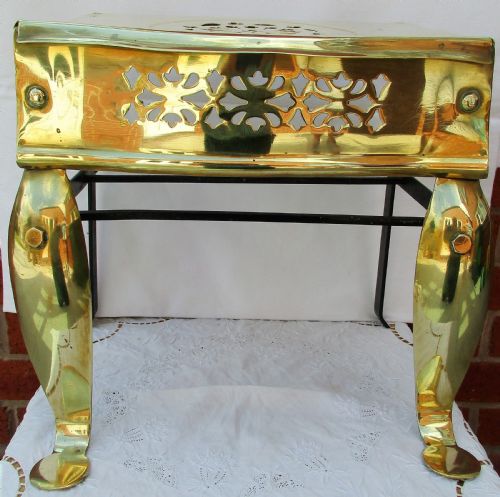
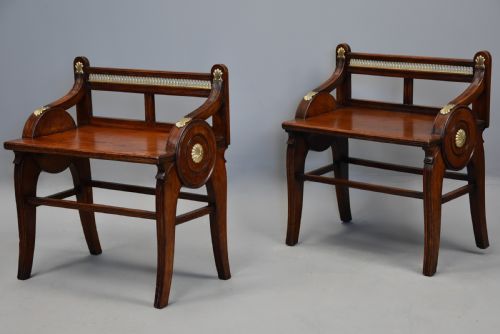


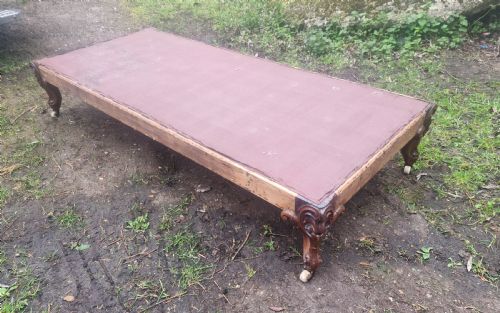
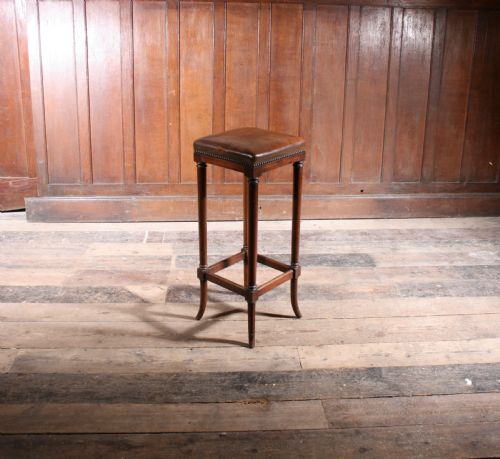


Victorian Brass Stool
These pieces for victorian brass stool combine solid timber frames with gleaming metalwork, offering practical fireside utility and classic nineteenth century seating.
Victorian Brass Stool
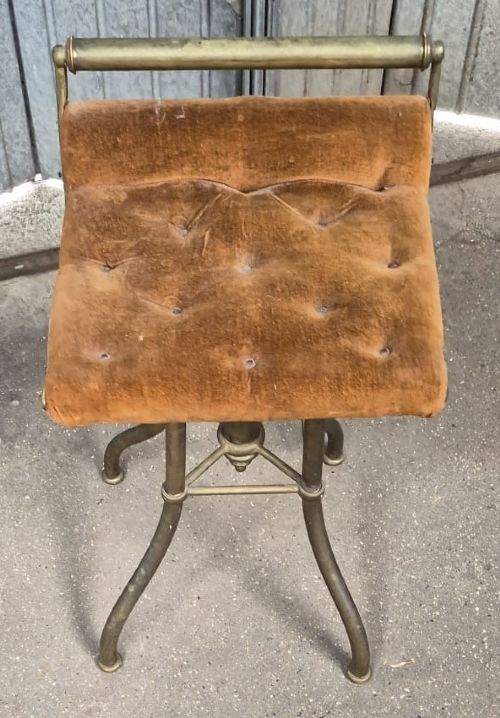
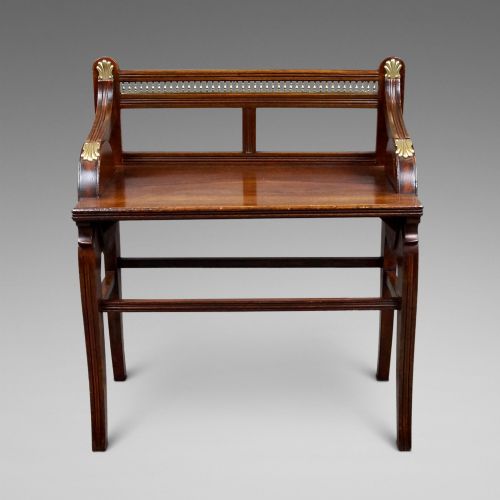
A victorian brass stool encompasses functional household items ranging from low fireside footstools and footmen to piano and music seats mounted on sturdy metal frameworks. You will most frequently encounter nineteenth century footstools, music stools, and hearth trivets featuring polished brass frames combined with mahogany, walnut, or upholstered seats.
The form spans straightforward utilitarian footmen and plate warmers to decorative cabriole leg dressing stools and revolving music seats fitted with brass adjustments. These objects reflect the heavy domestic use of the period, often incorporating castors for mobility across heavy carpets in nineteenth century parlours.
Materials and construction methods
Makers utilised cast and sheet brass alongside solid hardwoods like mahogany, walnut, oak, and rosewood, pairing metal components with traditional joinery. Frames frequently integrated steel mechanisms for music stools alongside brass castors, studs, and mounts.
Upholstery techniques varied from simple leather tops to deep buttoned velvet, silk, and needlepoint embroidery over heavy webbing and stuffing. Metalwork involved casting, turning, and riveting brass and steel to create durable frames intended for daily fireside service.
Listings combine brass with mahogany, oak, walnut, leather, and velvet across nineteenth century domestic forms.
Assessing craftsmanship and finish
Quality rests in the weight and thickness of the brass components, the precision of the casting, and the selection of cabinet timbers such as figured mahogany or walnut. Superior pieces display crisp carving on wooden frames and robust, uncompromised metal mechanisms for height adjustment.
The integrity of the original upholstery foundation, structural rigidity in the joints, and the retention of matching brass castors or decorative studs distinguish finer workshop output from simpler utilitarian items.
James Shoolbred & Co·Howard & Sons
The Victorian Brass Stool Glossary
- Footman
- A metal stand placed before a hearth to keep plates or kettles warm. These items are constructed from brass and steel.
- Gout stool
- An adjustable footrest designed to support an aching foot at a comfortable angle. These pieces often feature pivoting platforms.
- Cabriole leg
- A furniture leg that curves out and then in, resembling the leg of an animal. This shape appears frequently on nineteenth century walnut and mahogany frames.
- Music stool
- An adjustable seat utilised by pianists and cellists. These examples incorporate central brass screw mechanisms.
- Trivet
- A small three-legged metal stand used beside the fireplace. Brass versions serve both decorative and practical domestic roles.
Victorian Brass Stool: Frequently Asked Questions
How do I clean brass trim?
Clean brass components gently with a soft cloth to preserve the aged patina built up over decades of use.
Avoid harsh chemical metal polishes that strip away historical character and dull the warm golden surface.
Were these stools used daily?
These pieces served practical roles beside the hearth, in music rooms, and across Victorian drawing rooms.
Their robust construction in hardwood and brass ensured they could withstand heavy household traffic.
How do I identify a music stool?
Music stools feature central rotating screws or mechanical height adjustment columns operated via brass handles.
Many incorporate revolving leather or upholstered tops designed for musicians seated at pianos or cellos.
Are original castors common?
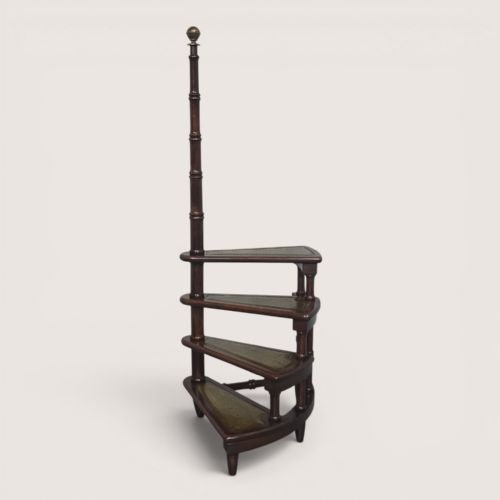
Original brass castors appear on many larger nineteenth century footstools and library seats.
They allowed heavy timber furniture to move easily across thick period carpets without damaging floorboards.