



Antique Brass Platter
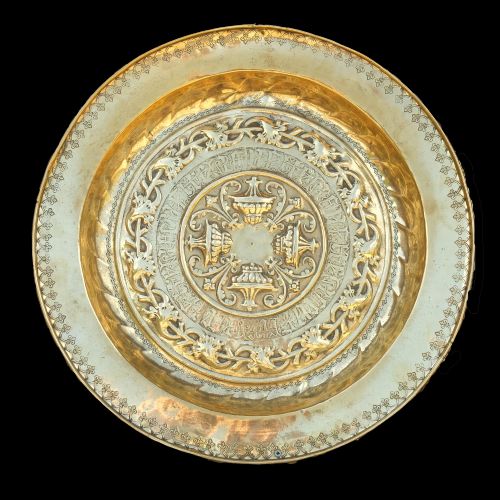
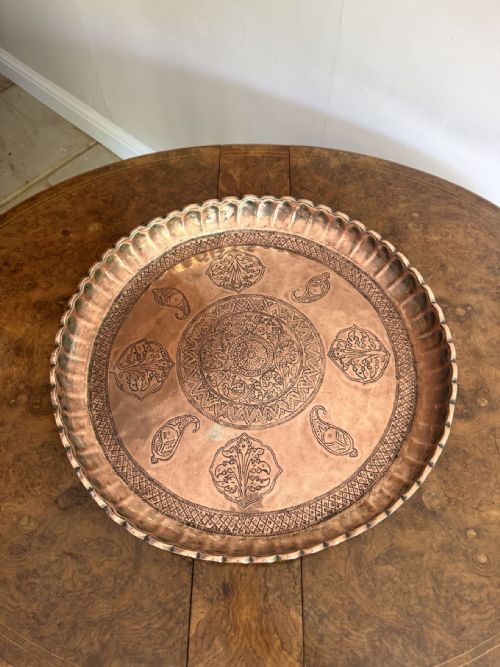
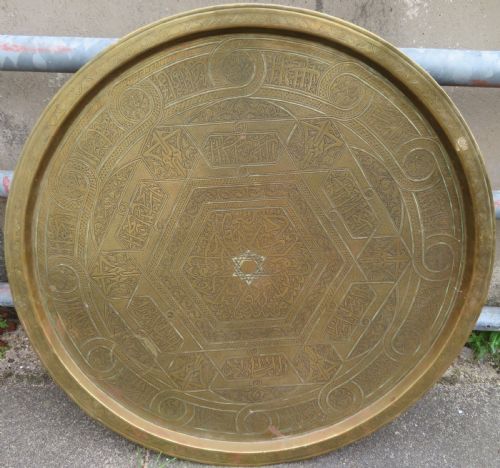
These antique brass platter pieces bring heavy metal craftsmanship and rich domestic history straight to your wall or table.

Identifying your antique brass platter
When you search for an antique brass platter, you encounter heavy chargers, serving trays, and alms dishes spanning several centuries. These vessels served practical dining functions as well as ceremonial and decorative display roles in period homes.
You are most likely to meet circular brass plates and chargers originating from the sixteenth century up to the early twentieth century. The selection ranges from Renaissance alms dishes to Victorian engraved trays and later decorative plates.
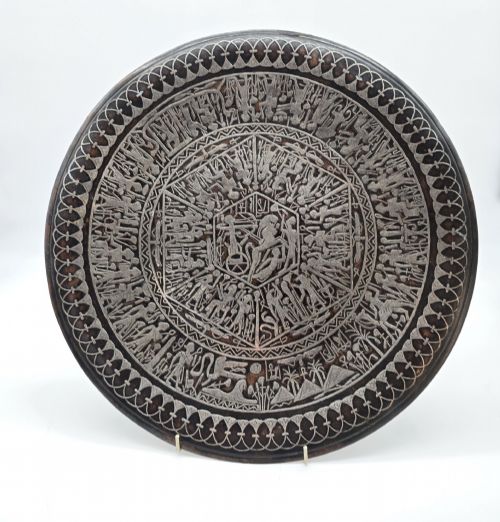
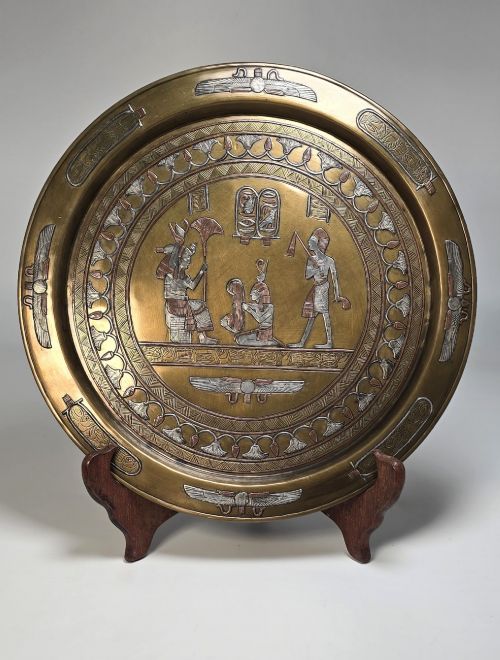
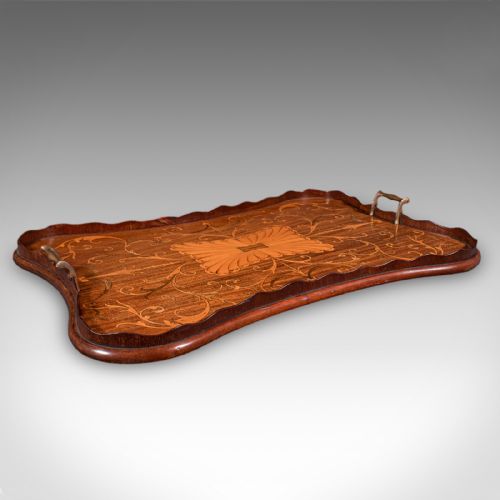
Regional variations include Anglo-Indian trays, French revival pieces, and English walnut items mounted with brass. Each form carries distinct stylistic markers from its respective period, whether that is sixteenth-century Nuremberg work or nineteenth-century Egyptian revival.

Materials and construction methods
These items are constructed primarily from brass and latten, utilising durable metal alloys common to historic metalwork. Artisans shaped the metal sheets through beating and hammering techniques to achieve the desired circular forms.
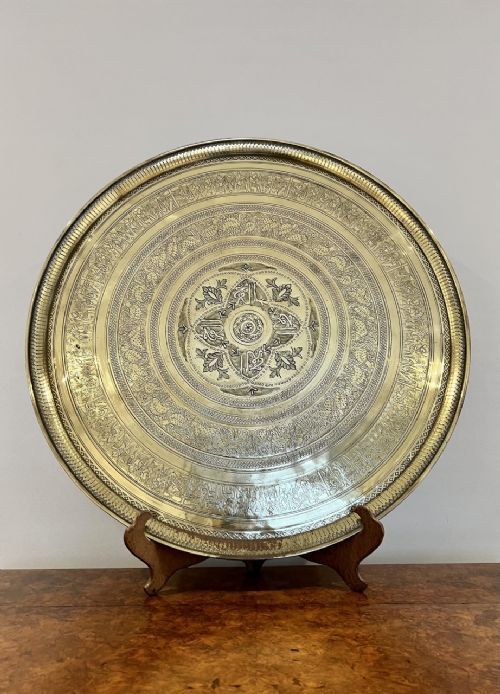
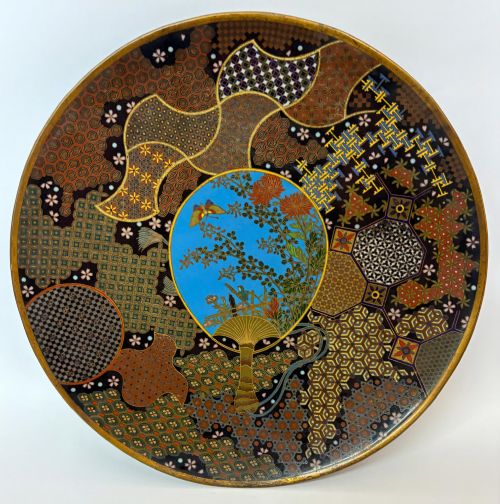
Surface ornamentation relies on hand engraving and embossing to create detailed coats of arms, pictorial scenes, and geometric borders. Some pieces incorporate mixed metals or silvered finishes to enhance the visual contrast of the design.
Retail Price Guide 2026
Typical UK retail prices for brass platter, calculated from the Sellingantiques database of over a million retail prices indexed since 2003. This retail price guide relies exclusively on Sellingantiques data; no external sources or auction records are used, so the figures do not describe the wider market.
Some platters double as historical gossip columns, bearing the exact motto of Henry IV's birthplace for visitors to ponder over afternoon tea.
Assessing quality and execution
The distinction between standard domestic items and superior examples lies in the depth and crispness of the hand engraving. Deeply embossed motifs and carefully chased details demonstrate a higher level of artisan skill than shallow, mass-produced stamping.
Material thickness and weight also indicate quality, with better chargers maintaining structural rigidity across wide diameters. The clarity of heraldic elements or complex decorative scenes further separates ordinary vessels from exceptional collector pieces.
The Antique Brass Platter Glossary
- Alms Dish
- A large metal dish historically used for collecting charitable donations in churches, often featuring embossed religious or secular imagery in the centre.
- Latten
- A durable yellow copper alloy resembling brass, widely used in medieval and early modern metalware for plates and domestic vessels.
- Charger
- A large decorative or serving plate placed under other courses at a banquet or hung on a wall to display metalwork skill.
- Embossing
- A technique where the design is raised from the reverse side of the metal using hammers and punches to create relief work on the front.
- Chasing
- The complementary metalworking process of refining and sinking details into the front surface of the metal after initial embossing.
Frequently Asked Questions
How are antique brass platters cleaned?
Maintenance requires minimal intervention to preserve the historic patina built up over centuries. Gentle dusting with a soft cloth keeps the surface clear without stripping the aged finish.
Harsh chemical polishes should be avoided because they remove valuable oxidation and soften the hand-engraved details permanently.
Can these metal platters hold food?
Many historical vessels contain alloy compositions that are unsuitable for serving acidic or wet foods today. They function best as dry display pieces or decorative table accents.
Using them for modern dining depends entirely on the specific metal treatment and hygiene condition of the individual item.
How do I hang a heavy charger?
Displaying a heavy brass plate on a wall requires secure fixings designed to support the full weight of the metal. Spring-loaded brass hangers or custom wooden brackets distribute the load safely.
Wall placement should avoid areas of high humidity or direct sunlight to protect the integrity of the metal.
What is the difference between brass and latten?
Latten is an older terminology for a specific yellow alloy of copper, zinc, and small amounts of other metals used extensively in early European manufacturing. Brass is a broader term encompassing various copper and zinc combinations.
Early pieces from the sixteenth century frequently utilise latten before standard brass nomenclature became widespread in later centuries.
How do I date an engraved brass plate?
Dating relies on stylistic clues such as the depth of the handwork, heraldic motifs, and the specific shape of the rim. Nuremberg alms dishes display distinct gothic or renaissance border punches unique to their era.
Comparing the manufacturing technique against documented examples from periods like the Victorian revival or the sixteenth century helps narrow down the origin.