






Antique Brass Measure
An antique brass measure brings precision into the home, offering heavy metal standards and scientific instruments shaped by centuries of trade and public life.
Antique Brass Measure
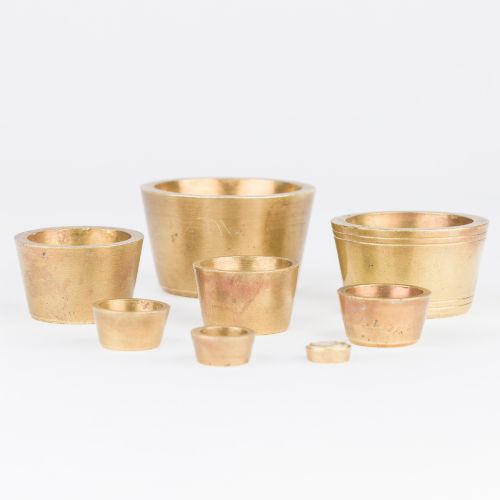
When you search for an antique brass measure, you encounter a specialised group of objects designed for trade, science, and domestic life. These items range from heavy imperial standards and public house tankards to delicate linen testers and meteorological gauges.
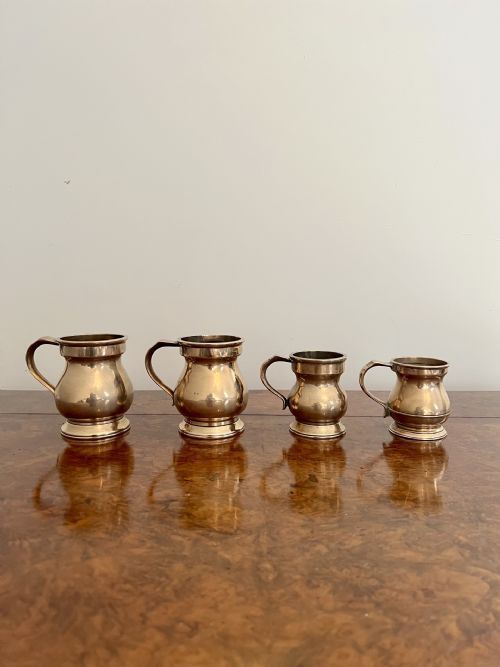
The pieces on this page heavily reflect Victorian and Edwardian utility, alongside Dutch and French military examples. You find haystack measures, bell-shaped tankards, and standard weights created for counties and cities across Britain.
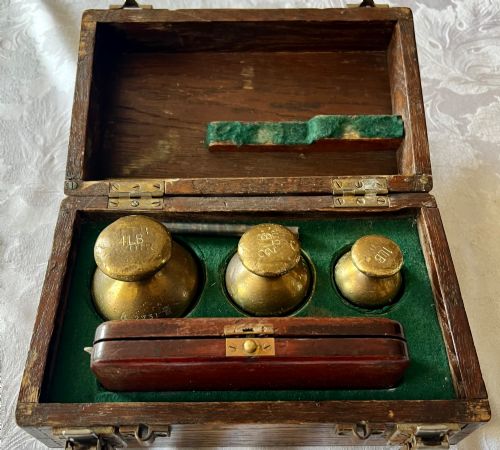
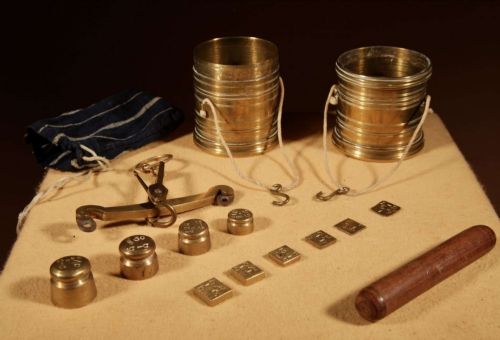
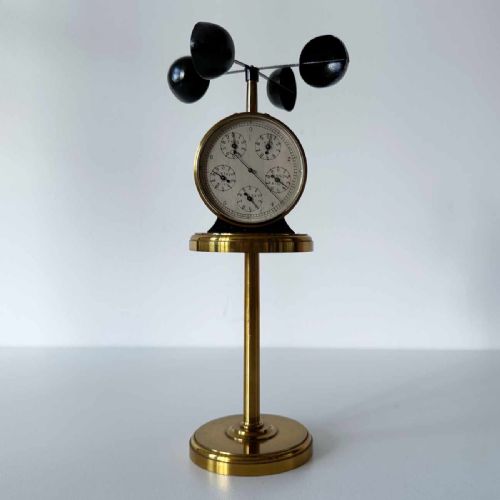
Many survivors served government inspectors or publicans, ensuring fairness in commerce and accuracy in scientific pursuit. Their forms vary from simple cylindrical jugs to complex beam scales and meteorological instruments housed in mahogany cases.
Materials and construction
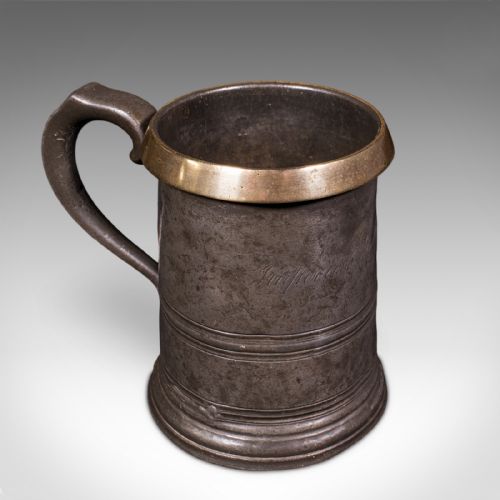
Makers utilised cast brass, copper, and pewter, often combining metals to create durable vessels and scientific housings. Wooden elements in mahogany, boxwood, and horn appear alongside metal components, paired with glass lenses and velvet linings in fitted instrument cases.
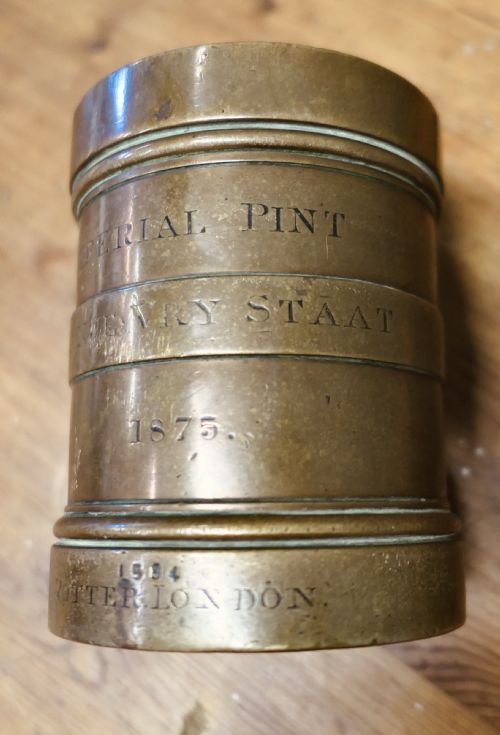
Casting and turning formed the backbone of production, creating heavy walls for haystack measures and precise calibration marks for standard weights. Skilled hands engraved maker details, municipal stampings, and graduation scales directly onto the metal surfaces.
Antique Brass Measure Retail Price Guide 2026
Typical asking prices for brass measure among the pieces listed under this phrase on Sellingantiques today, from the lower quarter to the upper quarter. They describe what is for sale here now, not the wider market.
Materials appearing across the inventory include brass, copper, pewter, glass, mahogany, and boxwood.
Judging quality in measurement tools
Quality rests upon the crispness of the original maker marks, municipal stamps, and calibration engravings. Sharply struck lettering from recognised makers elevates an instrument above unmarked commercial stock.
The integrity of the metal, the absence of excessive pitting, and the survival of original matching components dictate the desirability of scientific sets and standard measures. Complete sets with their original fitted wooden cases command greater attention than isolated fragments.
De Grave Short And Co·W And S Jones·Negretti And Zambra·J Hicks·W And T Avery
The Antique Brass Measure Glossary
- Haystack measure
- A traditional British liquid measure featuring a distinctive bulbous body resembling a stack of hay. These brass vessels typically scale in capacity from gills up to gallons.
- Chondrometer
- A specialised scientific instrument used to determine the weight and quality of grain. It combines brass balancing components within a protective wooden case.
- Hydrometer
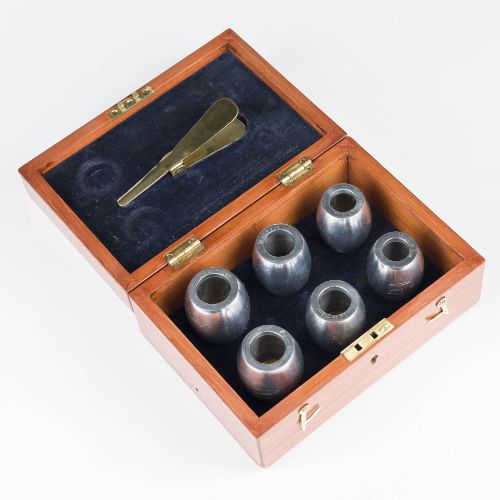
- A device used to measure the specific gravity of liquids, often utilised in brewing and distilling. Sikes hydrometers represent a standard nineteenth-century form.
- Standard weight
- A certified mass utilised by inspectors to verify commercial scales. Governments stamped these brass and bronze objects with regional coats of arms.
- Linen tester
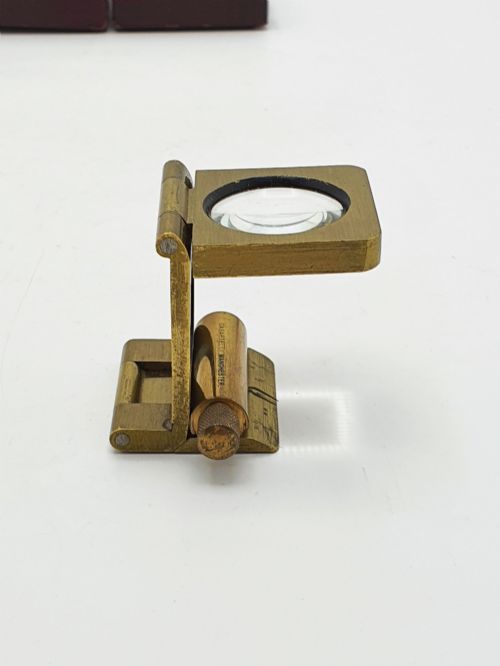
- A small folding magnifying glass used in the textile industry to count threads per inch. These brass loupes often incorporate integrated measuring scales.
Antique Brass Measure: Frequently Asked Questions
What were antique brass measures used for?
These items served a practical role in commerce, science, and daily administration. They calibrated public house volumes, verified market weights, and recorded meteorological data.
Government inspectors relied on standard measures to check trade accuracy, while millers and merchants used specialised scales and testers to value grain and textiles.
How do I identify a Victorian measure?
Victorian examples often display crown verification stamps, royal cyphers, and specific municipal ownership marks. The lettering and numbering are typically hand-punched or deeply engraved.
Makers frequently included regional details, such as county names or city titles, alongside the manufacturer signature on the metal body.
How should I display them at home?
Their substantial weight and warm metallic tones make them well-suited for open shelving, sideboards, or desk displays. Grouping measures by metal type or form creates a strong visual focal point.
Scientific instruments and cased sets benefit from placement away from direct moisture, allowing the mahogany cases and brass fittings to remain stable.
What is the difference between a tankard and a haystack measure?
Tankards are drinking vessels, often bell-shaped in pewter or brass, designed for public house use. Haystack measures are strictly calibration vessels with flared bases and distinct regional profiles.
While both utilise similar casting techniques and metal alloys, haystack measures hold official standards of volume rather than serving drinks.