



Victorian Tavern Tankard
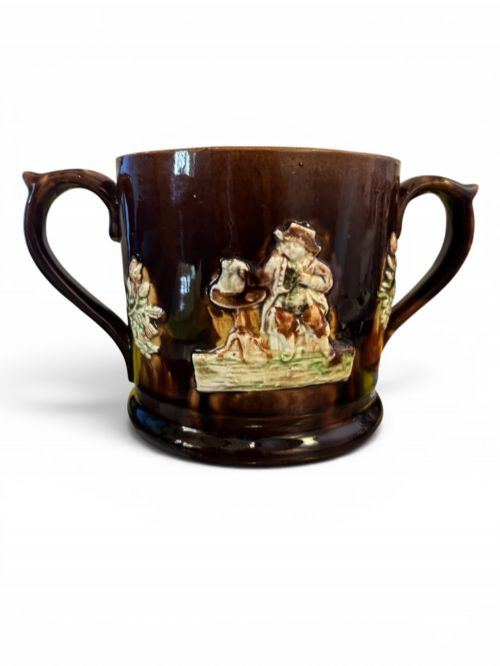
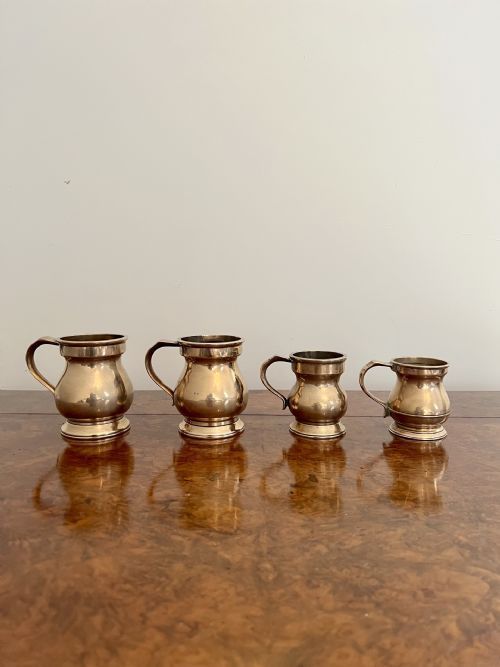
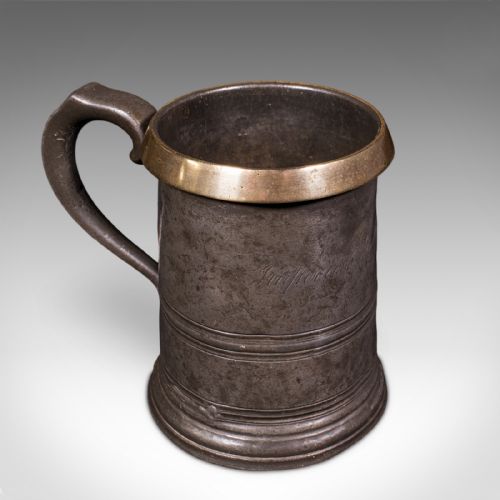
These Victorian tavern tankards are robust historic drinking vessels built for heavy public house use, offering genuine public house character to any room.
Victorian Tavern Tankard
When you search for a victorian tavern tankard, you encounter sturdy drinking vessels and measures shaped for historic public house service. These items survive from periods spanning the nineteenth century, including specific dates like 1870 and 1880.
The forms you are most likely to meet on this page include bell shaped tankards, lidded measures, and graduated sets of copper or pewter vessels. Many carry official capacity markings such as VR or imperial half pint and quart designations.
Mugs and tankards in this category frequently intersect with breweriana and barware, alongside related earthenware and salt glaze pitchers. They range from single pub vessels to complete sets of four matching measures.
Materials and construction
These vessels rely heavily on durable metalwork, chiefly pewter, copper, and brass, alongside occasional silver rims and earthenware bodies. Pewter and copper were hammered or cast into sturdy forms capable of enduring daily service in busy public houses.
Ceramic examples utilise stoneware and earthenware with salt glaze finishes, reflecting traditional English country pottery methods. Metal items often feature precision capacity stamps and maker details inscribed directly into the body.
One unusual item listed is a surprise spitting frog mug, designed to catch drinkers unawares in eighteenth century taverns.
What separates the better examples
Quality in these pieces rests upon the crispness of official verification marks, the integrity of the metal or ceramic body, and the survival of matching sets. Single measures with clear provenance, such as named inns and identifiable makers, command stronger interest.
The weight of the metal, the balance of the handle, and the clarity of period stamps distinguish everyday utility items from superior tavern pieces.
Frederic Sanders
The Victorian Tavern Tankard Glossary
- Pewter
- A malleable metal alloy composed chiefly of tin, historically used for drinking vessels and tavern measures. It develops a soft patina with age and handling.
- Breweriana
- Collectable items relating to brewing and public houses, including tankards, measures, and advertising pieces. This encompasses public house items from various nineteenth century dates.
- Salt Glaze
- A glossy, slightly textured finish applied to stoneware by throwing common salt into the kiln during high temperature firing. It creates a durable, orange peel surface texture.
- Measure
- A standardised drinking vessel designed to hold exact imperial volumes for commercial sale in taverns. These often display crown or royal cypher verification marks like VR.
Victorian Tavern Tankard: Frequently Asked Questions
What is a victorian tavern tankard used for?
These vessels were originally manufactured for serving ale, beer, and spirits in nineteenth century public houses and inns. They functioned both as drinking vessels and as legal measures for trade.
Today, collectors acquire them for display in dining rooms, kitchens, or studies as historic examples of English barware and breweriana.
How do I identify a tavern measure?
Tavern measures are typically cylindrical or bell shaped, often manufactured from heavy pewter or copper with sturdy handles. They frequently display official capacity stamps or royal cyphers.
Many examples also include inscriptions naming specific inns or capacity details like pint and quart measurements.
Are these tankards safe for drinking?
While many historic metal and ceramic vessels remain physically robust, antique pewter from the nineteenth century may contain lead content depending on the alloy composition. Modern usage for consumption is generally discouraged by dealers in favour of display.
Displaying them on shelves or sideboards allows you to appreciate the patinated metal and historic markings safely.
What do VR stamps mean?
The letters VR stand for Victoria Regina, indicating the reign of Queen Victoria during the nineteenth century. These cyphers served as official government verification marks on commercial measuring vessels.
Finding these marks confirms that the piece was officially certified for trade use in public houses during that era.