


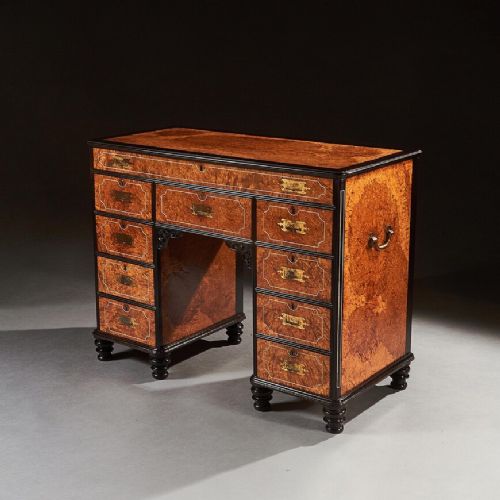
Antique Brass Inlaid Furniture
These pieces of antique brass inlaid furniture combine rich timbers with bright metal lines, offering serious collectors a refined surface and firm structure.
Antique Brass Inlaid Furniture
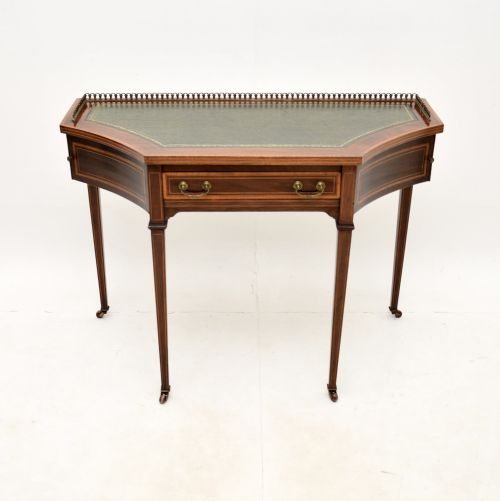
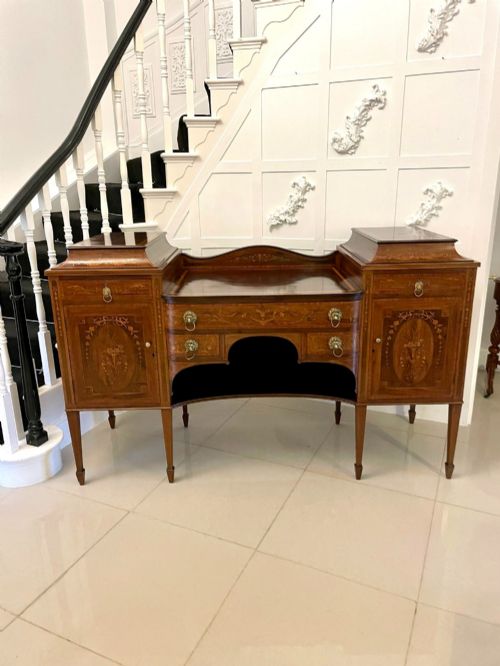
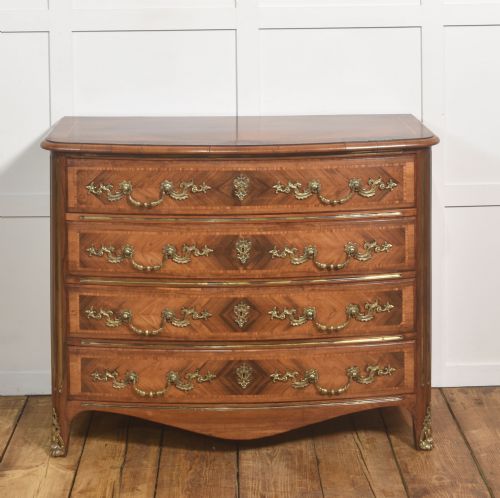
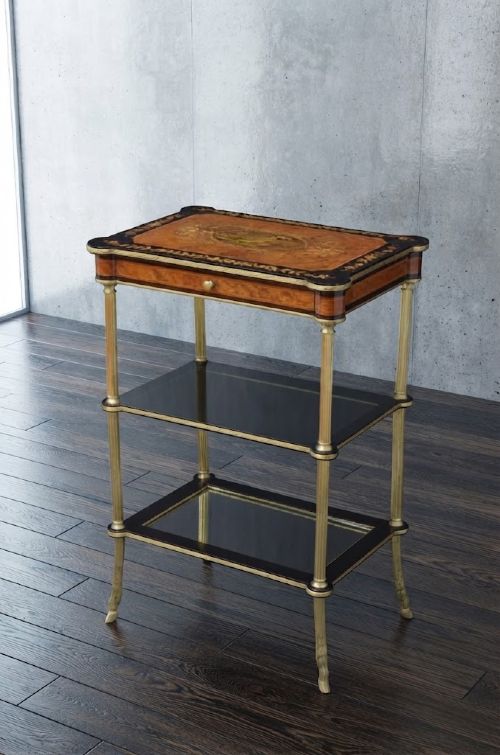
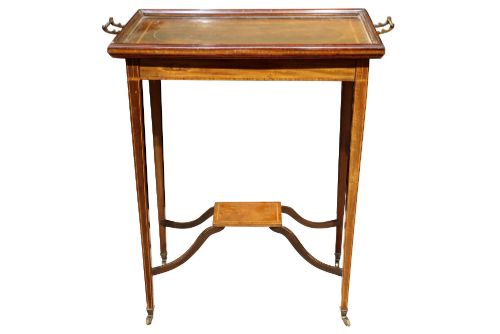
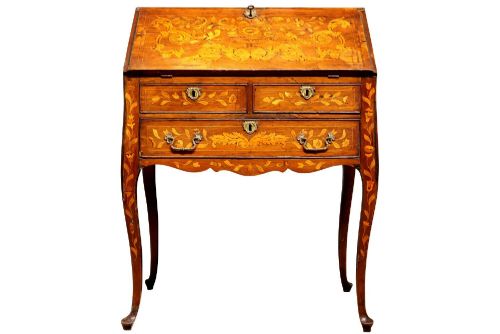
When you search for antique brass inlaid furniture, you encounter pieces designed primarily for formal reception rooms and private studies, spanning from the Georgian and Regency eras through the Victorian period. The selection encompasses practical forms such as writing tables, card tables, side cabinets, and occasional tables.
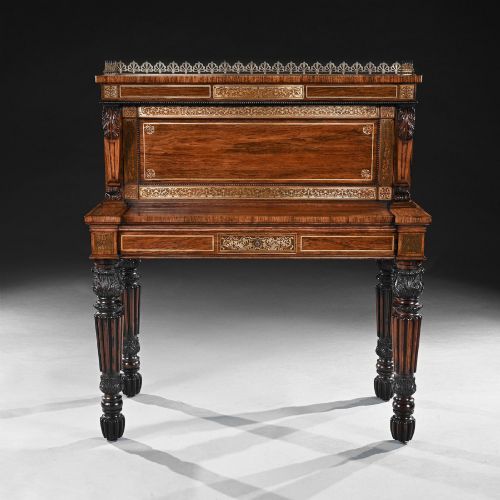
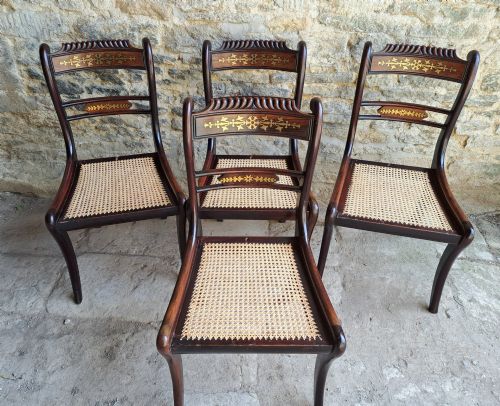
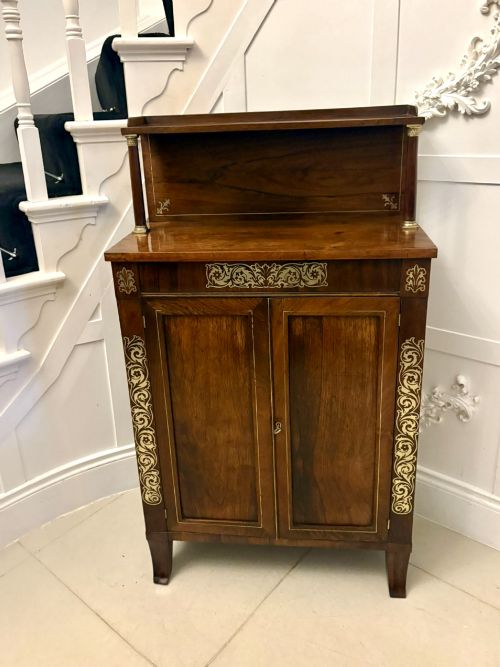
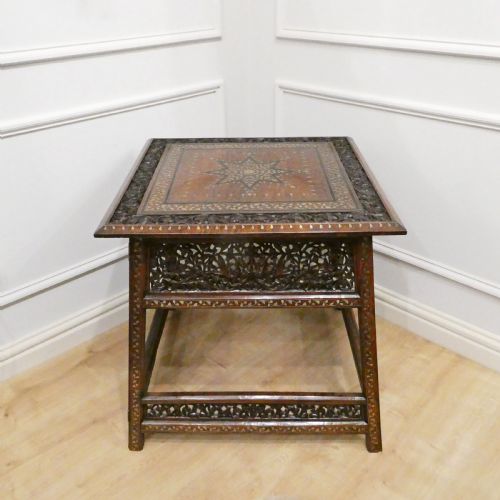
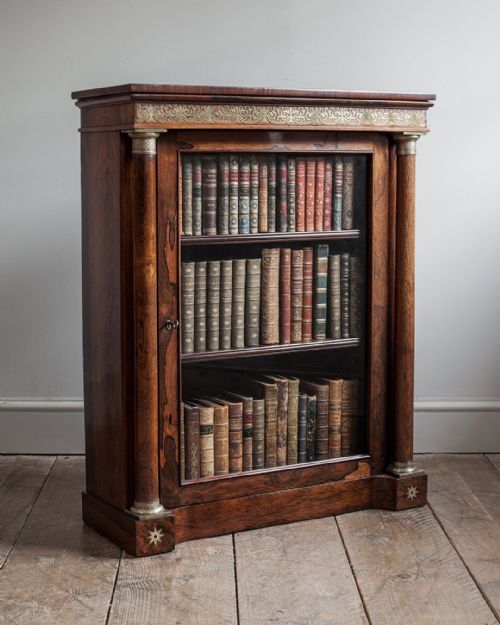
The Regency examples dominate the aesthetic, frequently pairing dark rosewood or mahogany with meticulous brass stringing and floral motifs. Alongside these British pieces, you find occasional examples of Anglo-Indian and Cairene work, which introduce distinct regional woods and geometric brass ornamentation.
Makers and workshops of the nineteenth century utilised these methods to create functional items that doubled as display pieces for wealthy households. You will also locate later Edwardian satinwood pieces and mid-Victorian walnut furniture that carry on the tradition of metal embellishment.
How They Were Made
Cabinetmakers constructed the carcases of these pieces using dense tropical hardwoods like rosewood, mahogany, and walnut, providing a stable dark ground for metallic decoration. They routed narrow channels into the timber surfaces to receive thin strips of brass, which were then hammered flush and polished.
In addition to linear brass stringing, artisans incorporated marquetry elements using satinwood, boxwood, and ebony to form complex floral or geometric panels. Metal components such as brass sabots, castors, and handles were cast separately and secured to complete the structural and decorative scheme.
Antique Brass Inlaid Furniture Retail Price Guide 2026
Typical asking prices for brass inlaid furniture among the pieces listed under this phrase on Sellingantiques today, from the lower quarter to the upper quarter. They describe what is for sale here now, not the wider market.
Listings feature woods including rosewood, mahogany, walnut, satinwood, amboyna, and teak alongside marble and glass elements.
What Varies in Quality
The distinction between ordinary and exceptional pieces rests on the precision of the metalwork and the selection of the timber. Superior items display tight, unbroken lines of brass inlay that follow intricate curves without gaps, set against highly figured rosewood or amboyna veneers.
Workshop attribution and structural integrity also divide the range, as pieces linked to notable makers demonstrate superior joinery and refined secondary woods. Lower quality examples often reveal lifting brass elements, poorly matched veneers, or crude later restorations that disrupt the original surface harmony.
Gillows Oxford Street Workshop·Hewetsons London·George Bullock·Louis Constantin Le Gaigneur
The Antique Brass Inlaid Furniture Glossary
- Brass Stringing
- Thin filaments of brass inlaid flush into channels cut in the wood surface. This technique outlines drawers, tabletops, and cabinet doors.
- Marquetry
- Formed by assembling fitted veneers of various coloured woods to create pictorial or geometric designs. It often accompanies brass inlay on Regency and Victorian surfaces.
- Cairoware
- Metalwork and furniture originating from Cairo, typically brass inlaid with copper, silver, or white metal in intricate Islamic geometric patterns. These pieces date largely to the late nineteenth and early twentieth centuries.
- Pembroke Table
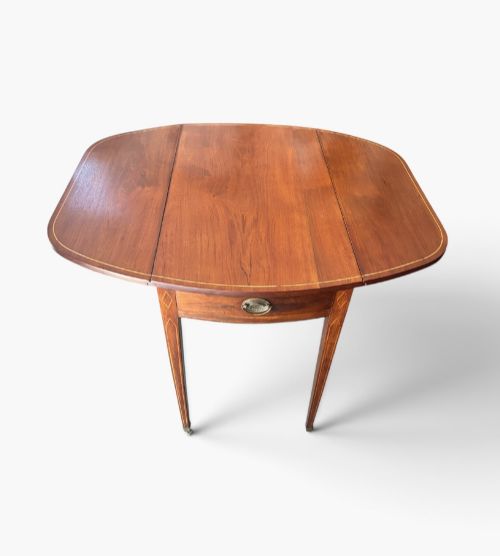
- A small occasional table with hinged flaps on either side that can be raised or lowered. They frequently feature inlaid tops and slender legs with castors.
- Sabot
- A protective brass or metal shoe fitted to the foot of a table or cabinet leg. They serve to prevent wear on the timber base.
Antique Brass Inlaid Furniture: Frequently Asked Questions
How do I clean brass inlaid furniture?
Maintain the timber and metal by dusting with a soft, dry cloth and avoiding harsh modern polishes that can discolour the metal.
Apply a traditional microcrystalline wax sparingly to nourish the wood without allowing moisture to seep beneath the brass inlay.
Are these tables suitable for daily use?
Many card tables and occasional pieces were built for functional entertaining and remain sturdy enough for gentle modern living.
Protect delicate rosewood and satinwood surfaces from excessive heat and direct sunlight to prevent the brass lines from lifting.
How can I tell Regency from Victorian pieces?
Regency items typically favour crisp brass stringing against dark rosewood with classical proportions and restrained mounts.
Victorian pieces often introduce heavier burr walnut veneers, ebonised finishes, and more ornate marquetry alongside the traditional brass work.
What is Cairene furniture?
Cairene pieces are distinct tables and stands featuring heavy brass inlay combined with copper and white metal in openwork Islamic designs.
These items arrived through nineteenth and early twentieth-century trade, offering a different material palette from standard British cabinetmaking.