



Antique Brass Gong
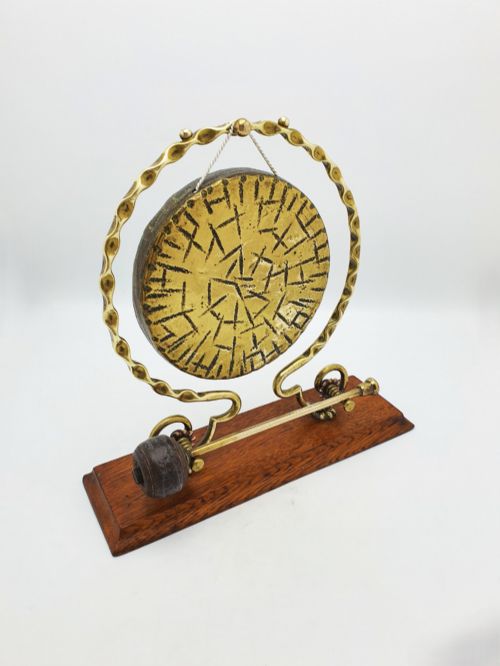
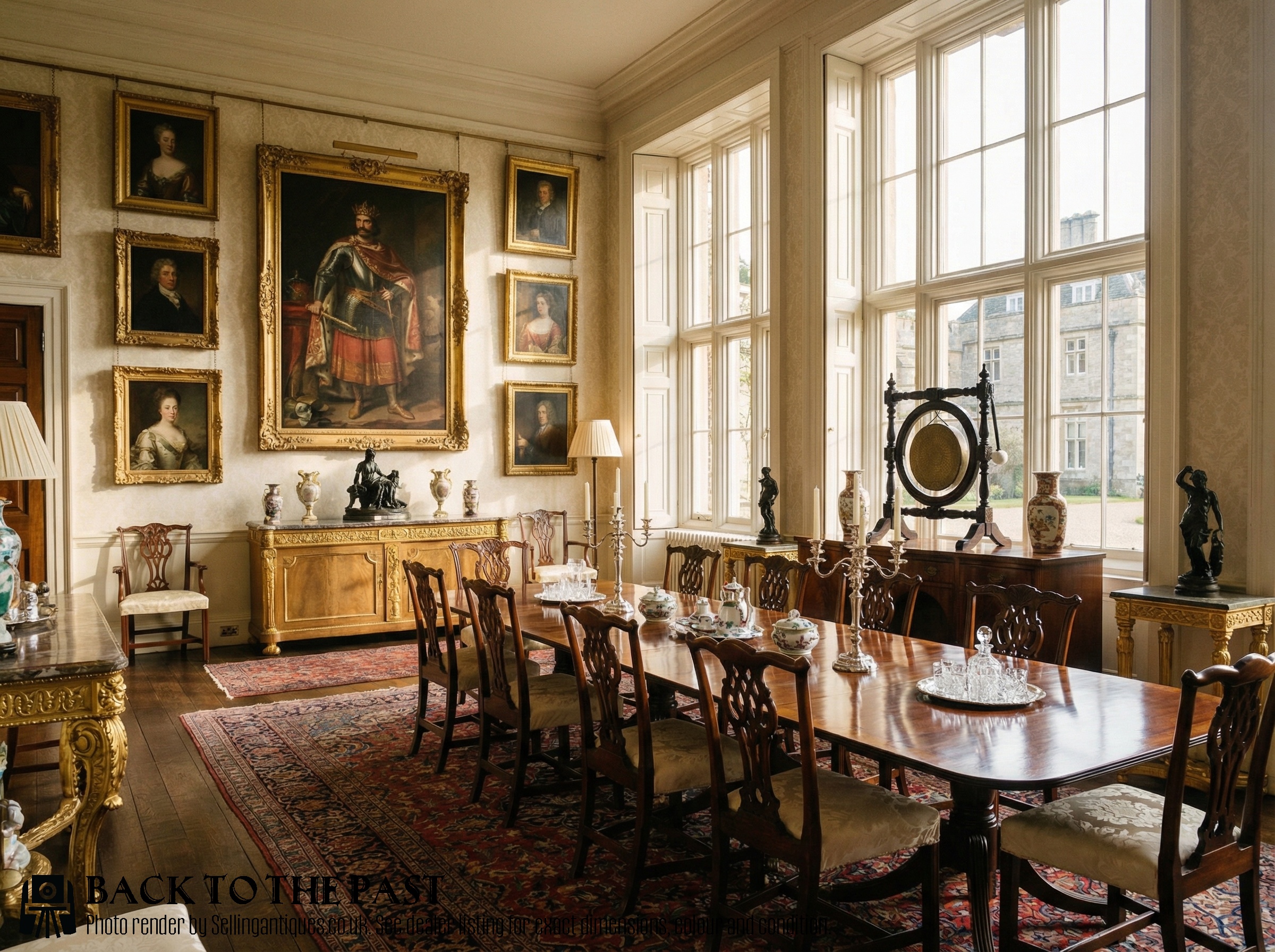
An antique brass gong brings a resonant acoustic presence to a hallway or dining room, functioning historically as a striking summons to meals.
Antique Brass Gong
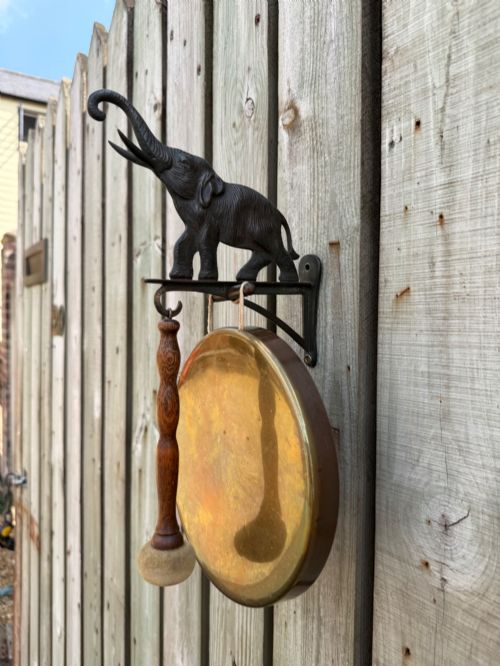
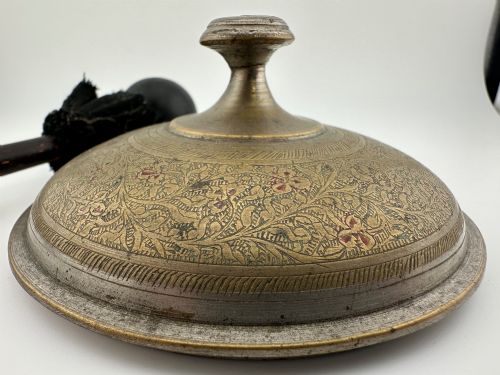
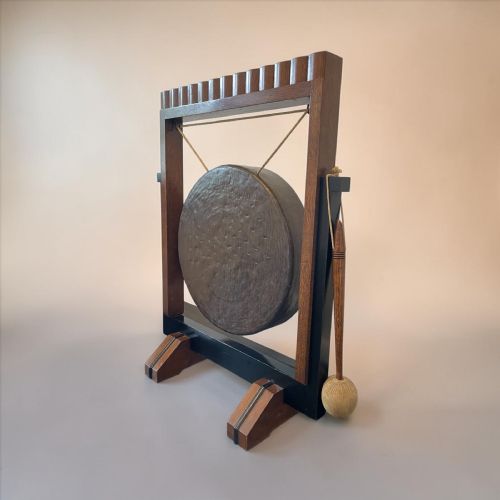
When you search for an antique brass gong, you encounter resonant metal discs and bowls suspended from wooden stands, wall mounts, or frames. These pieces originate primarily from the nineteenth century through the 1930s, encompassing Victorian, Edwardian, and Art Deco periods.
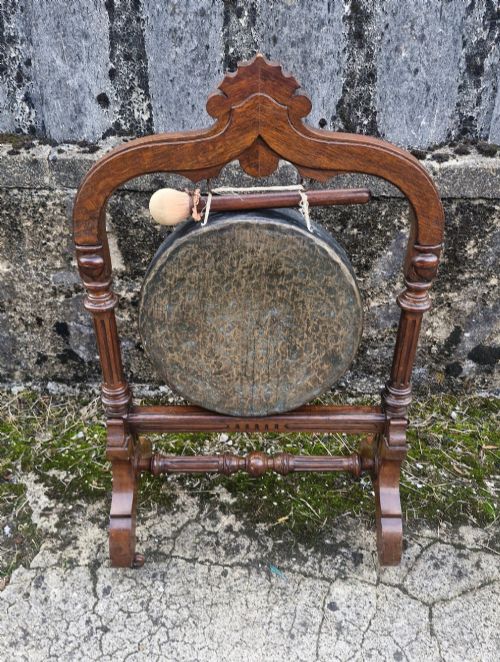
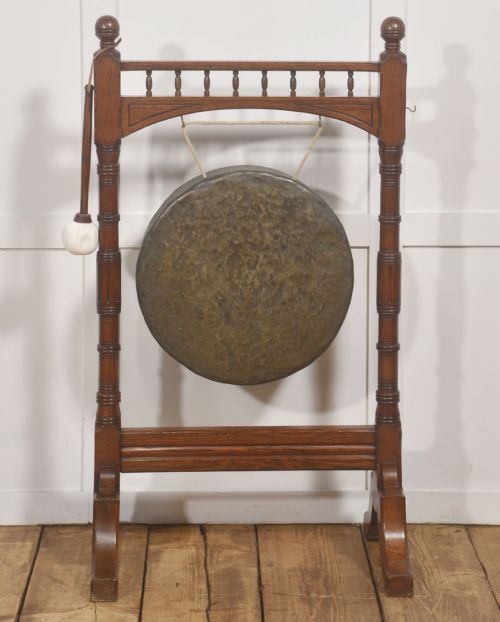
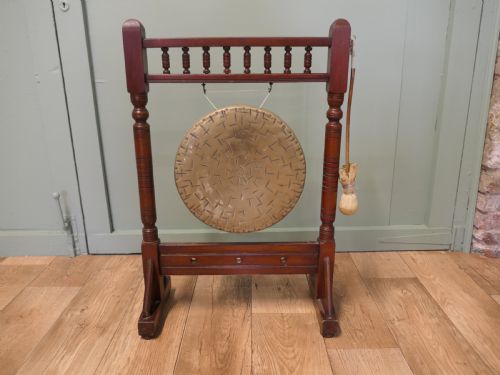
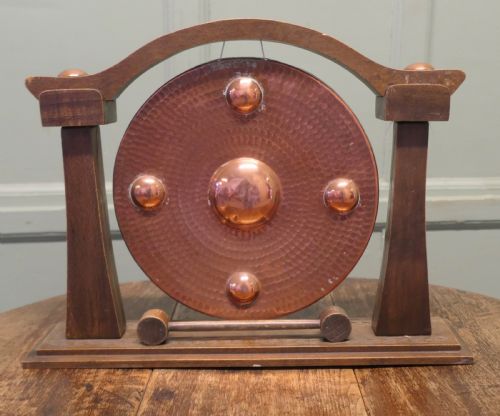
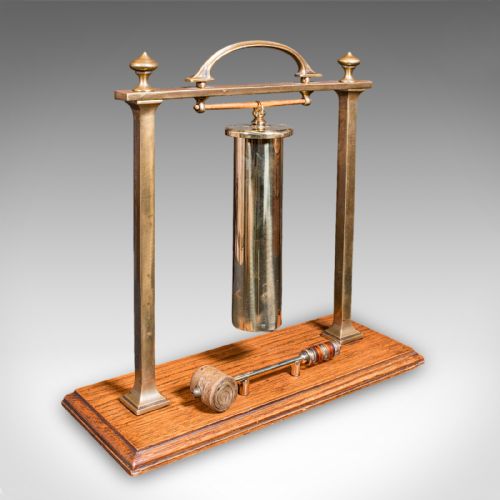
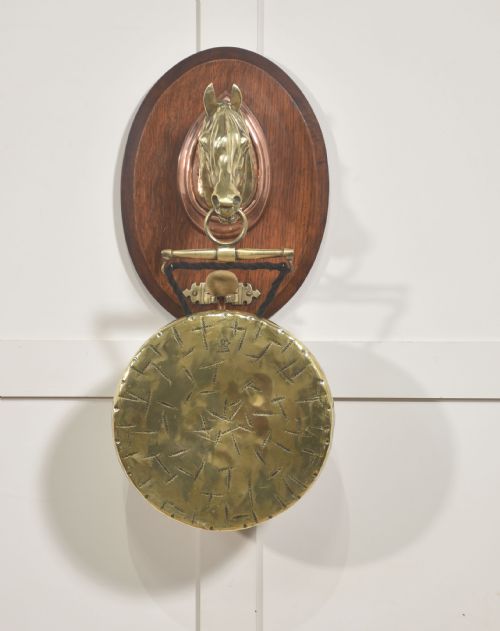
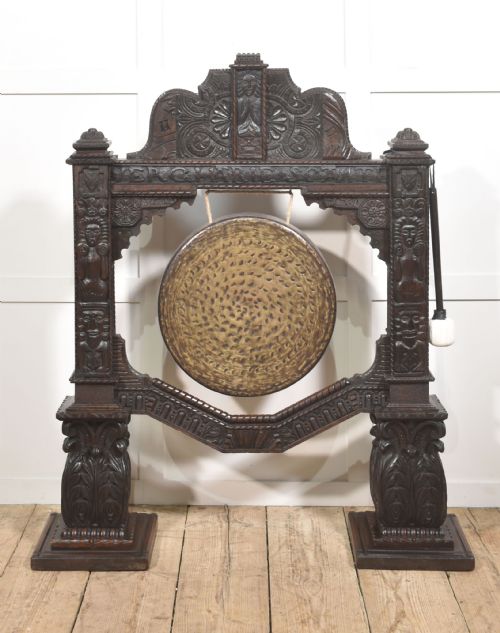
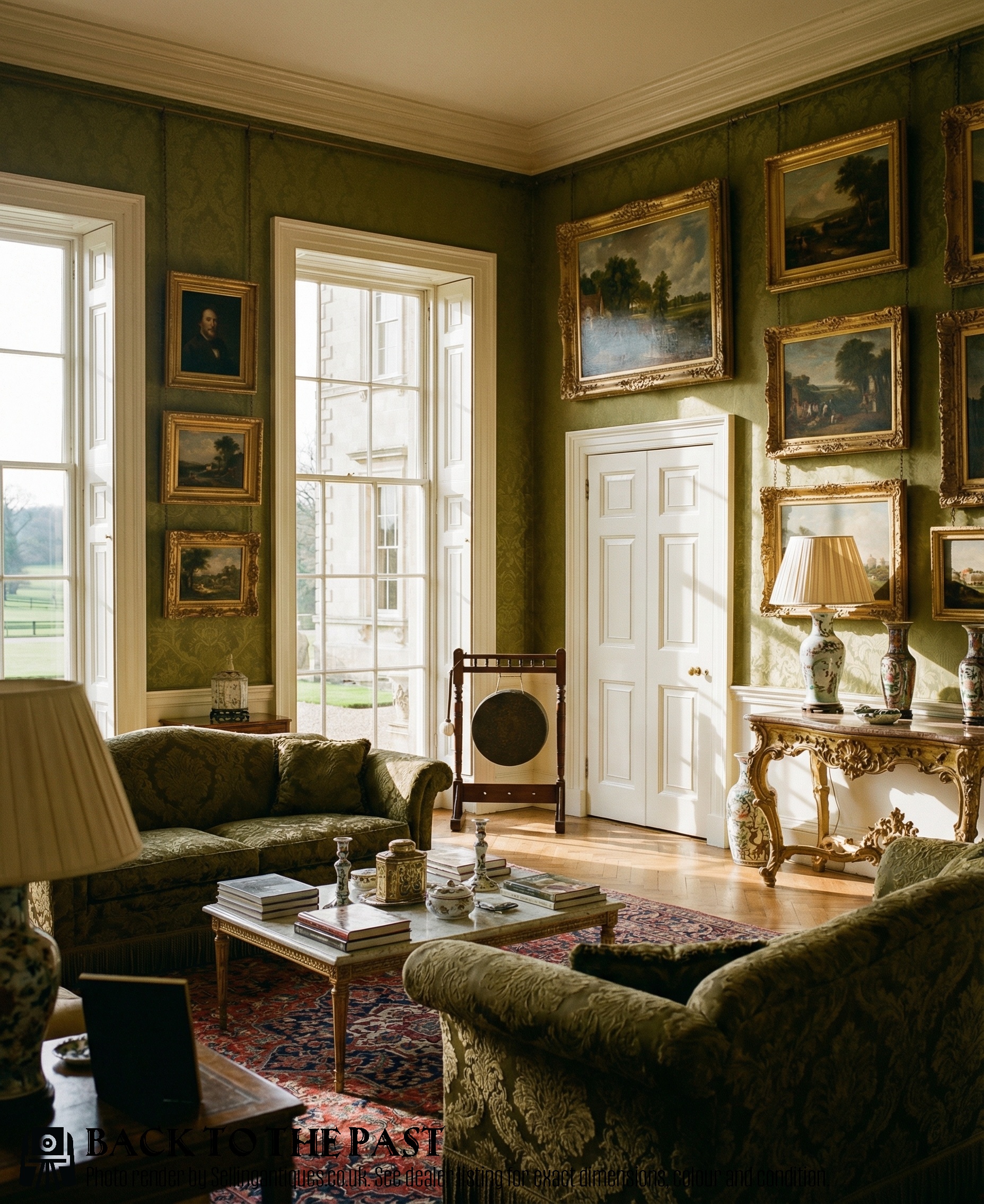
The most common forms on this page include table gongs, wall-hanging chimes, and larger floor-standing or framed dinner gongs. Many incorporate timber structures in oak, walnut, or mahogany, often styled in Gothic Revival, Arts and Crafts, or Aesthetic Movement designs.
How they were made
The metallic elements combine brass, bronze, and copper, shaped through casting or hammering to produce a sustained acoustic tone when struck. These metal components are paired with dense hardwoods such as oak, walnut, and mahogany for the supporting frames and wall brackets.
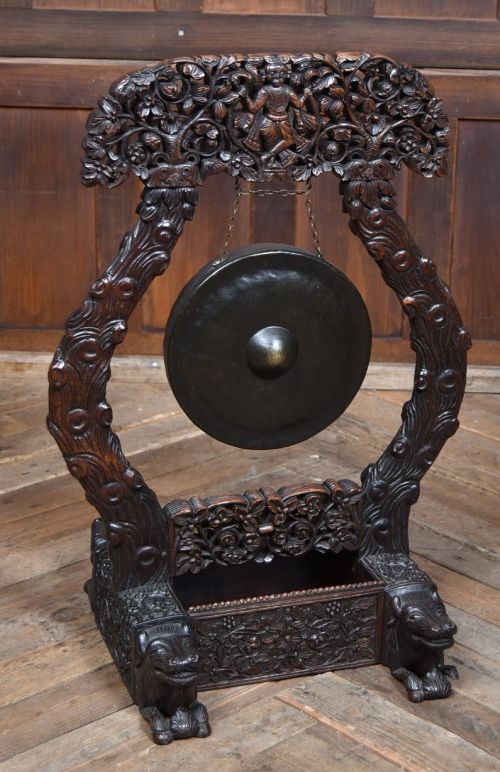
Makers integrated decorative elements including cord suspension, carved wooden dragons, horse head mounts, and cattle horn. Certain models utilise wrought iron frames or silver plating to achieve distinct visual finishes.
Antique Brass Gong Retail Price Guide 2026
Typical asking prices for brass gong among the pieces listed under this phrase on Sellingantiques today, from the lower quarter to the upper quarter. They describe what is for sale here now, not the wider market.
Materials recorded across the inventory include bronze, cattle horn, wrought iron, and silver plate.
What varies in quality
The distinction between standard and superior examples lies in the depth and longevity of the acoustic resonance produced by the metal plate or bowl. Heavier gauge brass and bronze yields a cleaner, more sustained tone than thinner sheet metal.
Cabinetry and mounting details also differentiate the pieces, with hand-carved hardwood stands and intricate framing demonstrating higher craftsmanship than simple turned supports. The integrity of original suspension cords and matched handheld strikers further elevates a piece.
Winterhalder and Hofmeier
The Antique Brass Gong Glossary
- Dinner Gong
- A large suspended metal disc or bowl used in country houses to announce meals. They are typically mounted in elaborate wooden frames.
- Table Gong
- A smaller version designed to sit on a tabletop or sideboard during afternoon tea or supper. These feature compact stands suitable for domestic rooms.
- Gothic Revival
- A nineteenth-century design style drawing on medieval architectural motifs. Pieces in this style often feature pointed arches and heavy carved tracery in oak.
- Aesthetic Movement
- A late nineteenth-century design approach emphasising visual beauty over narrative function. Objects from this movement display clean lines and stylised ornamentation.
- Arts and Crafts
- A movement prioritising visible handcraftsmanship and simple materials. Gongs in this style display honest construction methods and natural wood finishes.
Antique Brass Gong: Frequently Asked Questions
How do you strike an antique gong properly?
Use the matched handheld striker or mallet supplied with the piece, hitting the centre of the brass disc with a firm, controlled motion. Avoid using metal implements that could dent or fracture the aged alloy.
Allow the sound to resonate naturally without dampening the metal immediately after the strike. This preserves the acoustic qualities intended by the maker.
Where were dinner gongs placed in houses?
Dinner gongs were traditionally positioned in entrance halls, corridors, or main stairwells so the sound travelled clearly through the rooms. Floor-standing and large framed versions stood directly on the floor, while smaller models sat on tables.
Wall-hanging variants were secured to structural studs in hallways to support the combined weight of the timber mount and heavy metal disc.
How do you date an antique gong?
Dating relies on stylistic markers, such as Gothic Revival or Art Nouveau motifs, combined with construction methods like screw types and timber finishing. Victorian and Edwardian examples often feature registration marks or distinct period carvings.
Comparing the framing style to contemporary furniture of the nineteenth and early twentieth centuries helps narrow the decade of manufacture.
Can you polish antique brass gongs?
Polishing should be approached cautiously to preserve the dark patination accumulated over a century or more of age. Heavy cleaning removes historical surface character and can alter the acoustic resonance of the metal.
Dust the surface gently with a dry cloth and remove only active corrosion if necessary, leaving the mellowed finish intact.