


Antique Brass Clockwork Clock
These antique brass clockwork clock examples bring mechanical precision and heavy metalwork into a room, offering a tangible connection to nineteenth-century horology.

Antique Brass Clockwork Clock
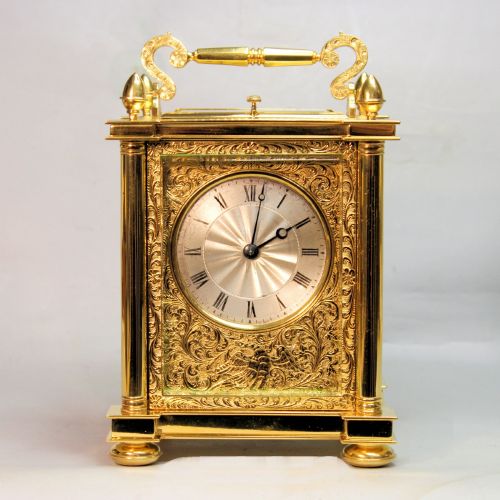
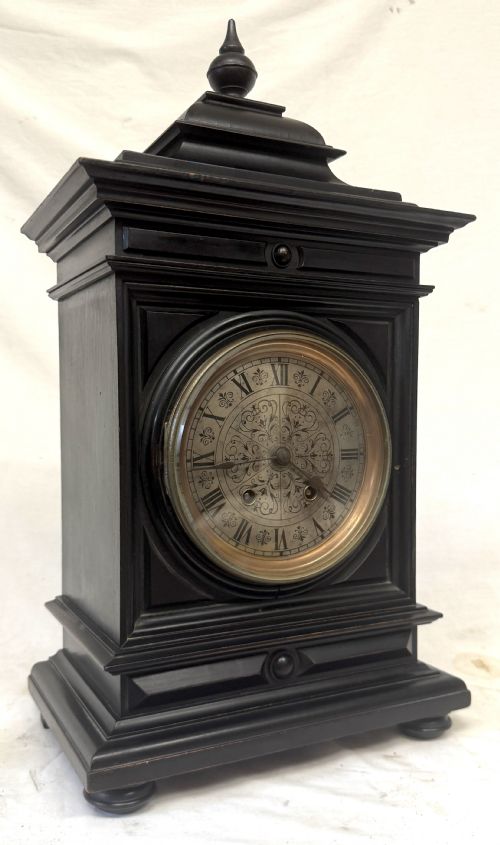
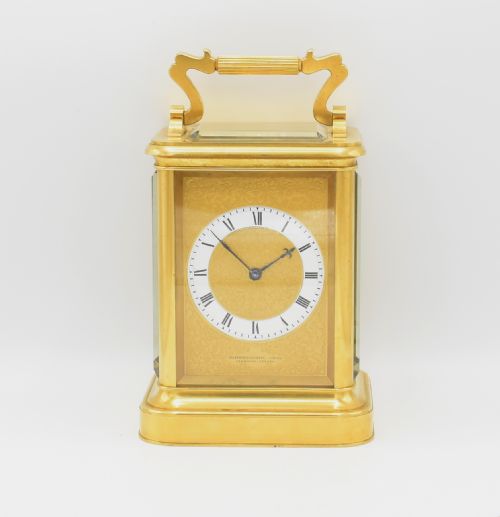
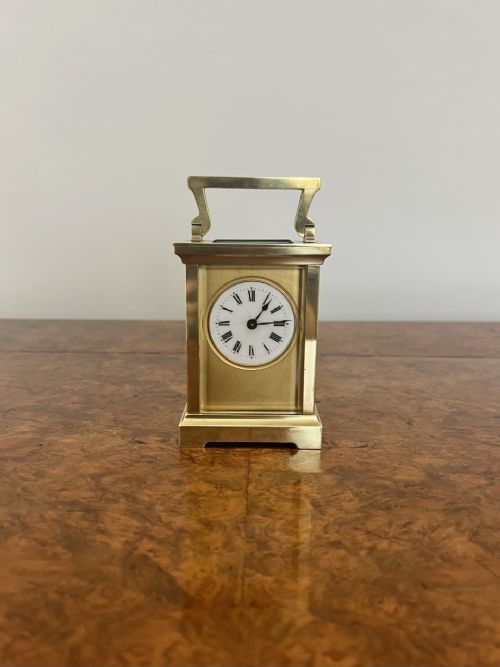
An antique brass clockwork clock encompasses a diverse group of timepieces ranging from heavy carriage clocks and skeleton designs to domestic wall and mantel pieces. When searching this phrase, buyers encounter various forms produced across the nineteenth and early twentieth centuries.
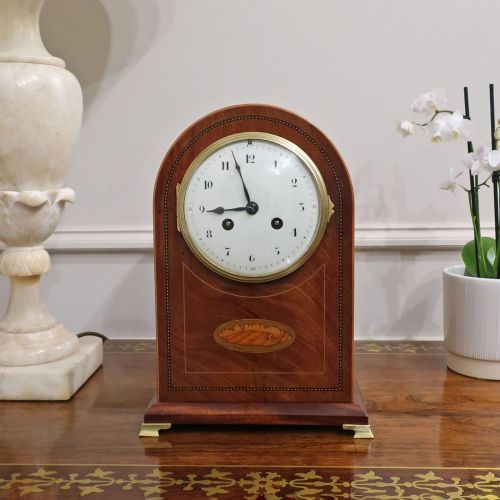
The carriage clock and the mantel clock appear most frequently among these listings, often framed in brass, glass, or mahogany. These pieces reflect periods such as the Victorian era, the Belle Epoque, and the French Second Empire.
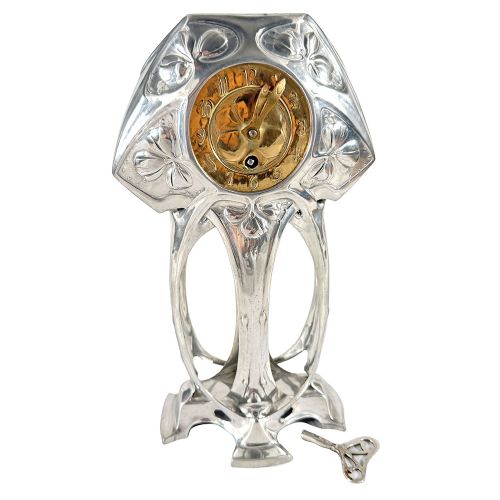
Originating largely from British and French workshops, these clocks serve as functional ornaments. They span numerous styles, from Georgian influences to Art Nouveau lines.
Judging the work
Quality rests in the crispness of the brass casting, the depth of engraving on dials or plates, and the complexity of the movement itself. Fusee movements and repeater mechanisms require greater skill than standard spring-driven alternatives.
The survival of original components, such as glass domes or silvered dials, elevates a piece. Finer examples display meticulous attention to proportion and finish across both internal wheels and exterior metalwork.
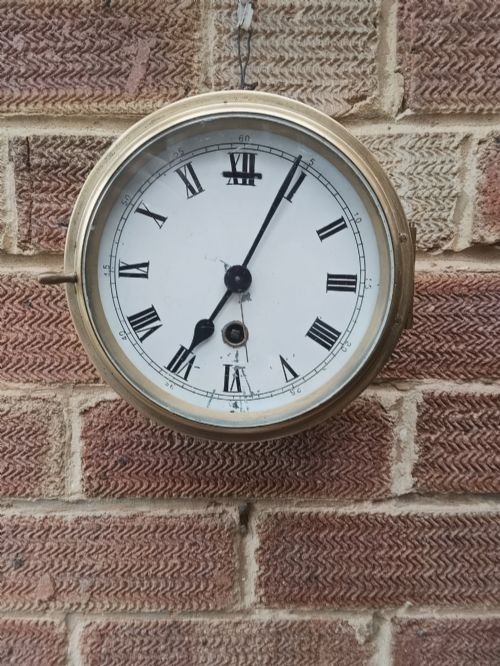
Listings combine brass, glass, marble, and mahogany across mantel, wall, and carriage clock formats.
Cousens & Whiteside·Goldsmiths Alliance Ltd·Lenzkirch·Friedrich Adler for Osiris·Thwaites of London·Rudge Swindon·Piggin Norwich·James Grohé·Auguste Moreau·Samuel Marti·Chater & Son·Alfred Drocourt·E White Of Manchester·Japy Freres
The Antique Brass Clockwork Clock Glossary
- Fusee
- A conical pulley used in a clock to maintain an even pull on the gear train as the mainspring unwinds. This mechanism helps the clock keep more accurate time.
- Carriage clock
- A small, portable spring-driven clock designed for travellers, typically featuring a brass case with glass panels. They often include a swinging handle on top.
- Skeleton clock
- A timepiece designed with an open framework that exposes the gear train and movement to view. These are frequently housed beneath glass domes.
- Bracket clock
- A portable table or mantel clock originally designed to sit upon a wall bracket. Many examples feature wood cases and striking mechanisms.
- Escape wheel
- A tooth-wheel in the escapement that transmits force to the pendulum or balance wheel. It controls the release of power through the gear train.
Antique Brass Clockwork Clock: Frequently Asked Questions
How do I wind a carriage clock?
Most carriage clocks use a key inserted into arbors located on the underside or backplate of the movement. Turn the key gently until resistance indicates the mainspring is fully tensioned.
Avoid overwinding the clock, as this can damage the spring mechanism. Ensure the clock rests on a level surface before setting the time.
What is a fusee movement?
A fusee movement uses a conical pulley connected to the mainspring by a fine chain or cord. This clever device counteracts the decreasing power of the spring as it unwinds.
Clocks with fusee movements generally deliver more consistent timekeeping across their running period than standard spring-driven counterparts.
Where should I place a skeleton clock?
Skeleton clocks need a stable, level surface away from direct sunlight, drafts, and heavy foot traffic that might cause vibrations. Many are displayed under glass domes to protect the exposed gear train from dust.
Because the movement is visible from all sides, placing the clock where light catches the brass wheels enhances its decorative appeal.
How do French clocks differ from British ones?
French clocks from this period often incorporate decorative elements like gilt bronze, onyx, or painted enamel panels. Makers like Samuel Marti and Japy Freres produced varied mantel and carriage designs.
British clocks frequently emphasise mechanical reliability through fusee movements and architectural wood cases, such as mahogany bracket clocks and wall dials.