

Antique Brass Castors
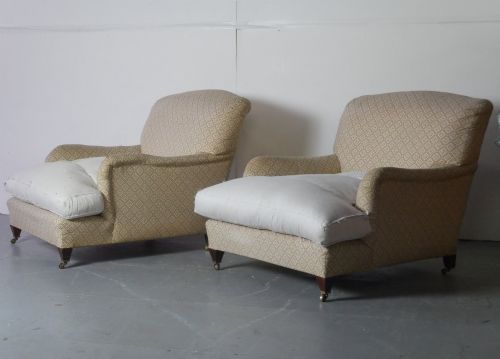
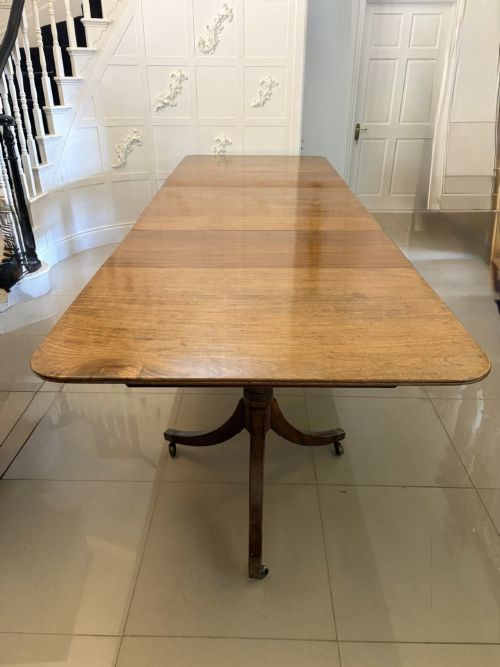
These antique brass castors carry the weight of dining tables, armchairs, and beds across the Georgian, Regency, and Victorian periods.
Antique Brass Castors
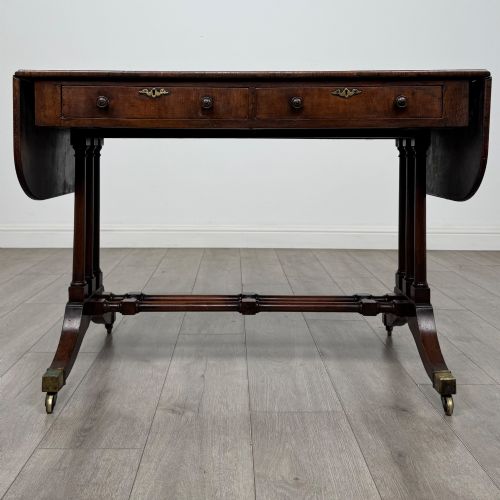
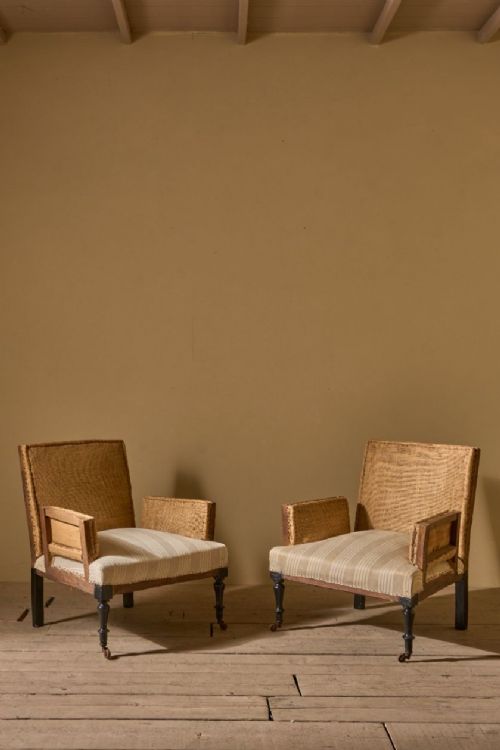
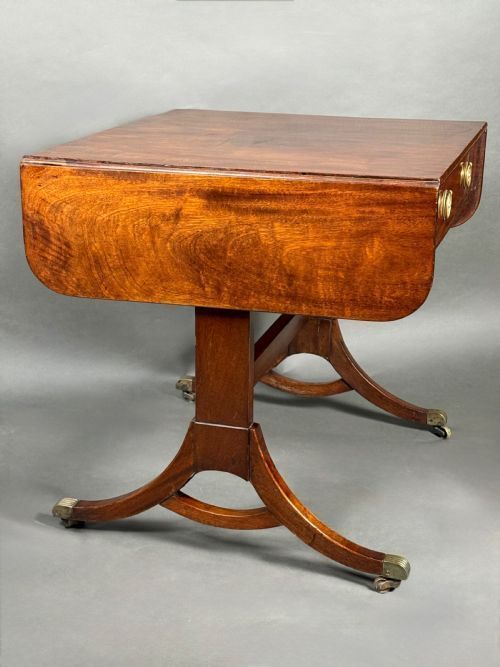
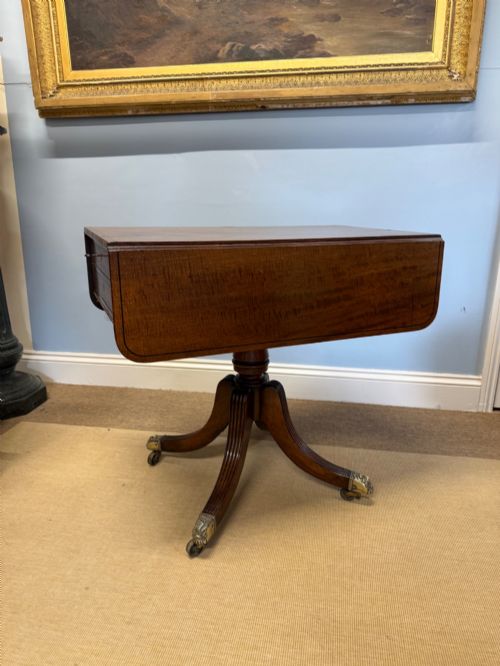
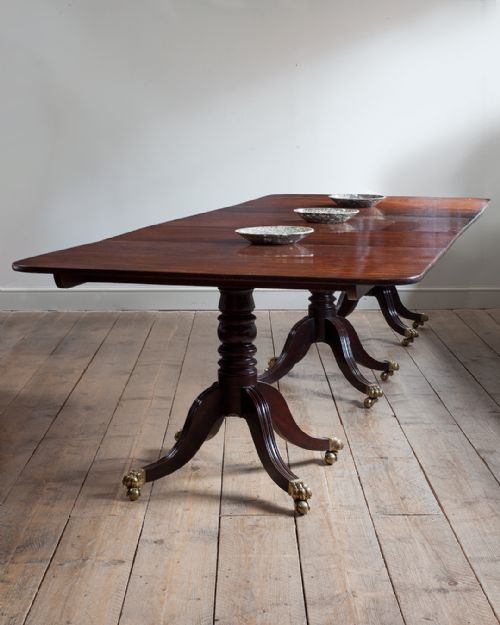
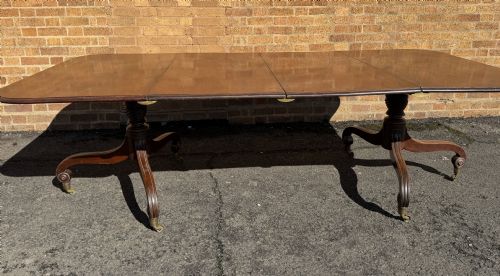
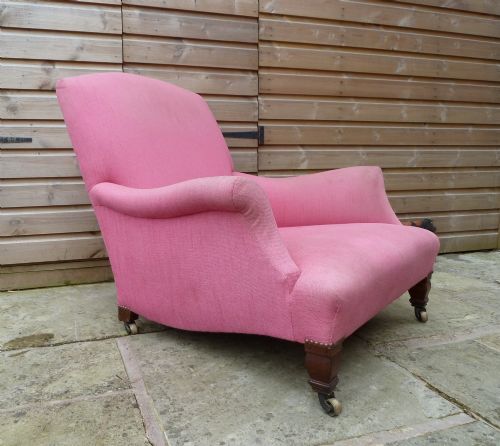
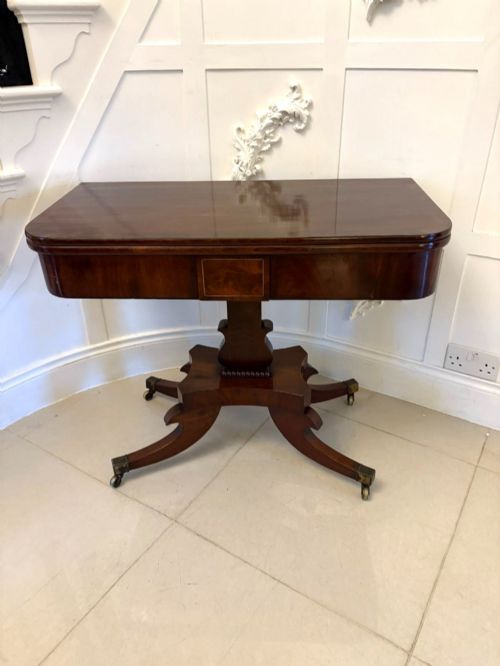
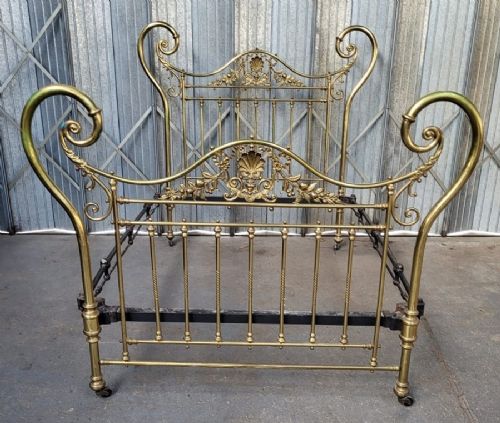
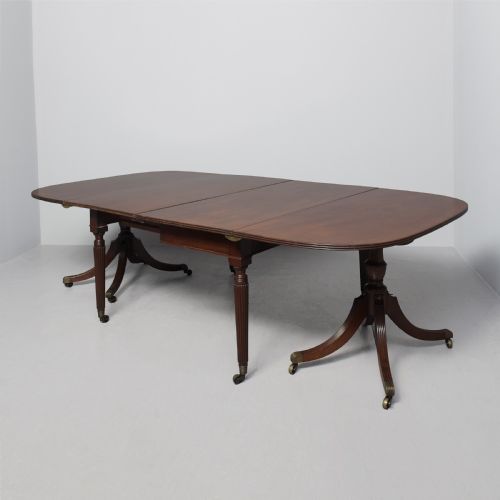
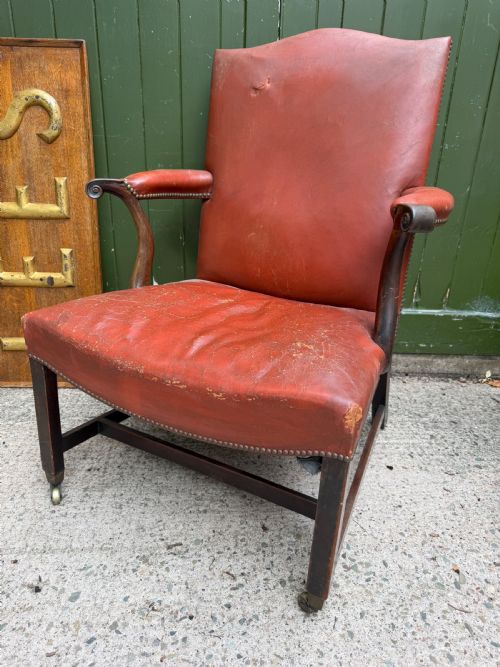
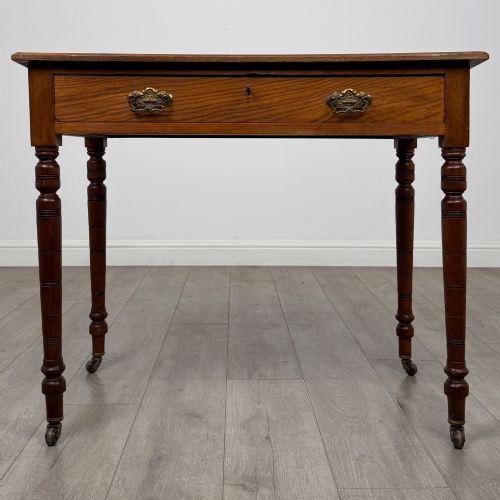
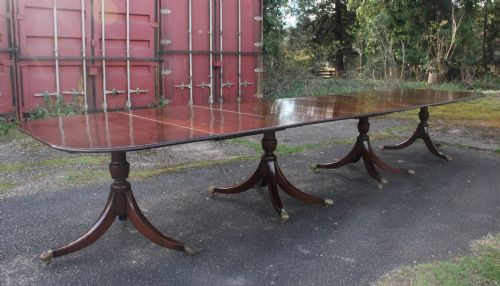
When you search for antique brass castors, you are looking at small functional fittings attached to the feet of heavy furniture to allow movement. The pieces you are most likely to meet on this page appear on mahogany dining tables, library armchairs, and occasional tables dating from the Georgian and Regency eras through to the Victorian period.
These metal attachments range from simple cups to elaborate lion-paw designs supporting large extending dining tables and library chairs. They form an integral part of the furniture's original design, often paired with secondary woods like mahogany, rosewood, and oak.
How they were made
Maker's workshops cast the metal components in brass, combining copper and zinc to create durable sockets and wheels that could bear substantial weight. Artisans frequently turned wood components from mahogany, rosewood, and oak to house these metal fittings securely.
Craftsmen shaped and polished the brass components to complement fine cabinetry, integrating them into furniture legs using turned wooden stems or metal plates screwed directly to the base.
Listings show brass castors supporting mahogany, rosewood, and oak furniture across the Georgian, Regency, and Victorian periods.
What varies in quality
The standard of a castor rests upon the weight of the metal cast and the crispness of any chased or moulded detail on the brass surface. Superior examples maintain smooth rotation within the housing without excessive play in the axle.
Fine quality castors correspond to the calibre of the furniture they support, appearing on well-proportioned dining tables and library seating rather than utilitarian items. The thickness of the brass and the precision of the turning on the accompanying wooden mounts separate ordinary fittings from superior ones.
Gillows of Lancaster·Thomas Butler of London·Howard and Sons
The Antique Brass Castors Glossary
- Castor
- A small wheel or set of wheels mounted in a swivel frame, attached to the legs of furniture to facilitate rolling. They appear on dining tables, armchairs, and beds throughout the eighteenth and nineteenth centuries.
- Pedestal table
- A table supported by one or more central pillars rather than four corner legs. These heavy multi-pillar dining tables frequently rely on brass castors to assist movement across the floor.
- Regency
- A design period spanning the early nineteenth century characterised by classical restraint and revival styles. Furniture from this era often incorporates bold brass fittings on card tables, side tables, and dining suites.
- Lion-paw
- A decorative furniture foot carved to resemble a lion's paw, frequently cast in brass to grip the floor below heavy pedestal tables.
Antique Brass Castors: Frequently Asked Questions
What furniture features antique brass castors?
You will find these metal fittings supporting heavy mahogany dining tables, library armchairs, occasional tables, and beds. They appear across various forms from the Georgian period through to the Edwardian era.
Larger extending dining tables and library seating rely on them most frequently to allow movement across heavy carpets and wooden floors.
How do I identify the period of castors?
Dating these fittings requires examining the casting technique, the patina of the brass, and the style of the furniture leg they accompany. Georgian and Regency examples often display heavier metalwork and simpler turning than later Victorian pieces.
The surrounding wood, such as figured mahogany or rosewood, provides further context for the period of manufacture.
Were brass castors added later to furniture?
Many castors are original to their pieces, fitted by the cabinetmaker to make large items movable. However, cabinetmakers and owners also added them later in the nineteenth century to raise table heights or ease cleaning.
Inspecting the fixing screws and the seating within the wood helps determine if the fitting belongs to the original construction.
How should I care for antique brass?
Preserving the surface requires minimal intervention to maintain the natural aged patina developed over centuries. Gentle dusting and occasional soft cleaning keep the metal stable without removing its historical character.
Harsh chemical polishes strip the surface layer and diminish the aged appearance valued in antique brass fittings.