



Gold Velvet Stool
A gold velvet stool brings rich warmth and traditional seating to a room, offering a tactile focal point with historic character.
Gold Velvet Stool
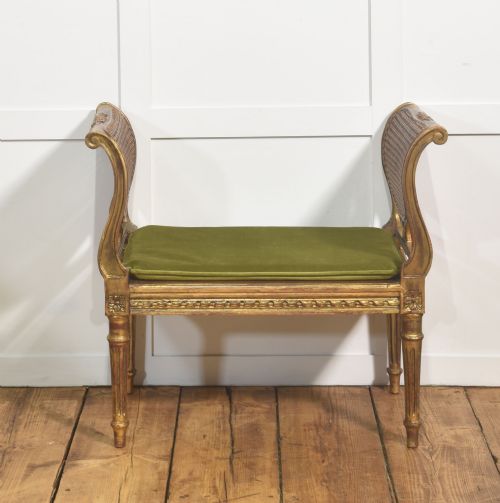
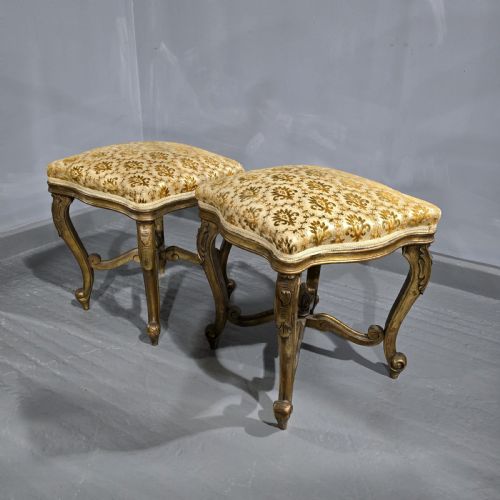
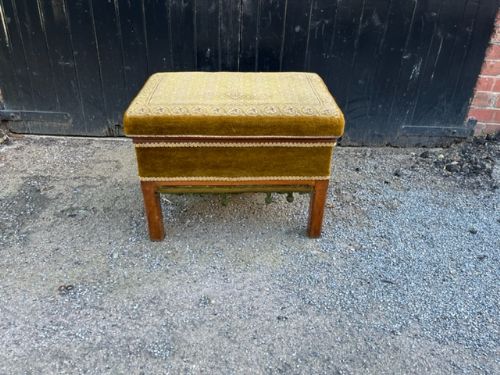
When you search for a gold velvet stool, you encounter a selection of historic seating forms ranging from piano stools to window seats and low footstools. These pieces originate across the nineteenth century and into the early twentieth century, reflecting varied historical revivals.
The versions you meet most frequently on this page include Victorian and nineteenth-century examples, alongside French-inspired designs. Forms span revolving piano stools, buttoned stools, and carved wooden frames.
Makers and designers from the period utilised distinct regional aesthetics, encompassing French Chateau styles and Gothic Revival interpretations. Each piece serves as a compact functional item with decorative upholstery.
How they were made
The frames rely on traditional timber construction using mahogany, walnut, and carved giltwood or gesso. Artisans shaped these woods with detailed hand carving to achieve period-specific silhouettes.
Upholstery techniques involve soft velvet textiles, frequently paired with buttoning or integrated cane work. Structural stability often incorporates brass hardware and robust internal joinery suited to daily use.
Listings feature periods from the nineteenth century through to nineteen-ten, spanning Victorian, Regency, and French revival styles.
What varies in quality
Finer examples distinguish themselves through the crispness of hand-carved wood ornamentation and the depth of the gilding on giltwood surfaces. Superior frames display balanced proportions and precise joinery that endure over generations.
The grade and pile density of the velvet upholstery, alongside the execution of traditional buttoning, mark the difference between standard production and exceptional workshop output.
A M E Fournier
The Gold Velvet Stool Glossary
- Giltwood
- Timber treated with gold leaf or gilt preparation to create a luminous metallic surface. This finish defines many formal nineteenth-century seating pieces.
- Gesso
- A plaster-based mixture applied to wood frames to provide a smooth base for gilding. It allows intricate relief moulding before the application of gold leaf.
- Cane
- Woven plant material utilised for seat panels or backs. It offers a lightweight, flexible texture that contrasts with solid timber frames.
- Buttoned
- An upholstery method where deep tufts are secured with stitches or buttons in a geometric pattern. This technique creates distinct padded pockets across the velvet surface.
Gold Velvet Stool: Frequently Asked Questions
Where should I place a gold velvet stool?
These compact seats fit easily at the end of a bed, beside a fireplace, or positioned near a dressing table. Their rich textile finish adds texture to both traditional and eclectic interiors.
Because of their modest footprint, they also serve well as moveable extra seating in a drawing room or hallway without overwhelming the floor space.
How do I care for antique velvet?
Velvet requires gentle handling to preserve the pile and prevent crushing. Light brushing with a soft-bristled brush helps maintain the nap and remove surface dust.
Keep these textiles away from direct sunlight to prevent the golden colour from fading over time. Professional cleaning is recommended for deeper maintenance.
How do I identify a Victorian stool?
Victorian pieces often display characteristic revival styles such as Rococo or Gothic influences, utilising dark timbers like walnut and mahogany. Evidence of hand carving and traditional buttoned upholstery points directly to mid-to-late nineteenth-century manufacturing methods.
Comparing the turned legs and joinery details helps confirm the period origin against later reproductions.