




Antique Brass Basin
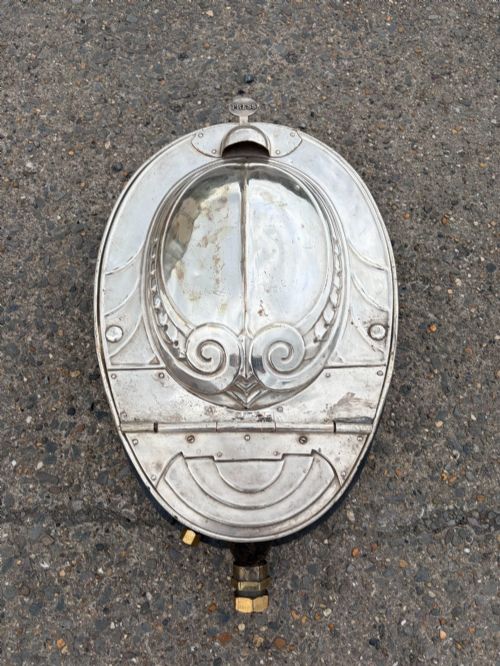
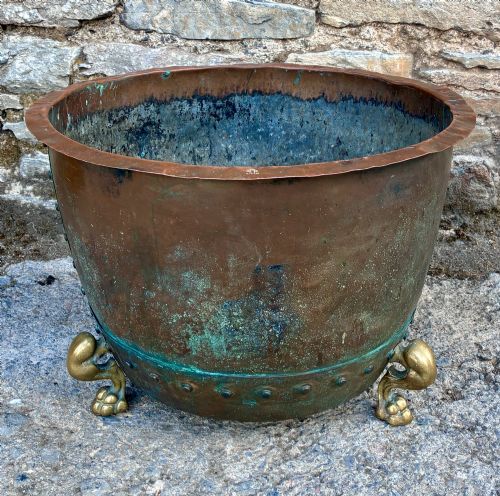
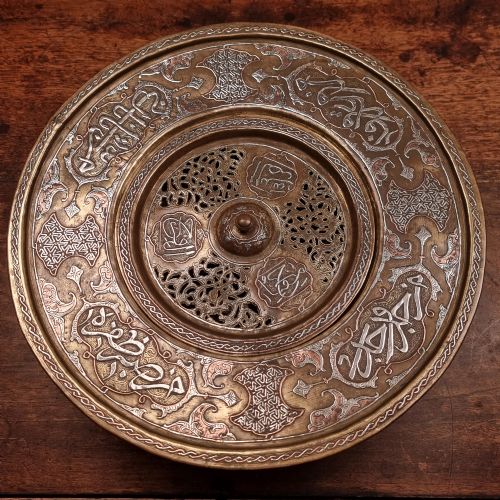
These antique brass basin examples combine utility and ornamentation, ranging from Mamluk engraved vessels to Victorian planters.
Antique Brass Basin
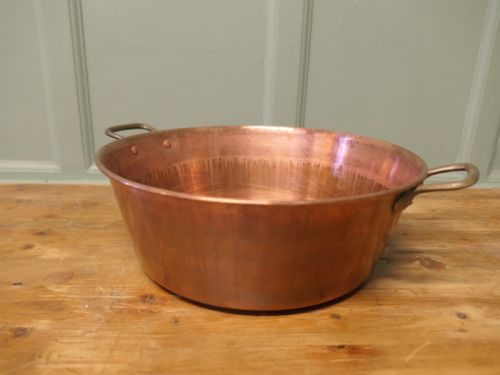
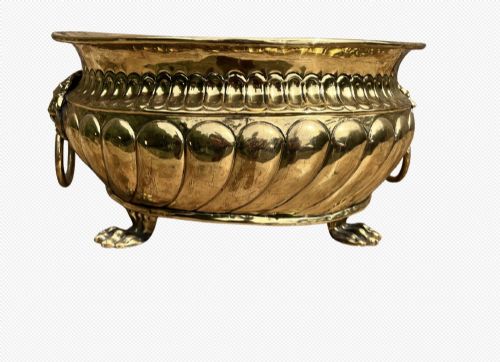
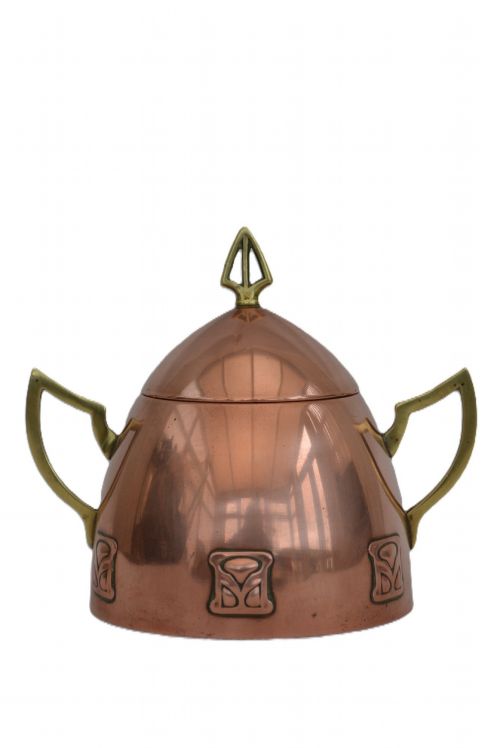
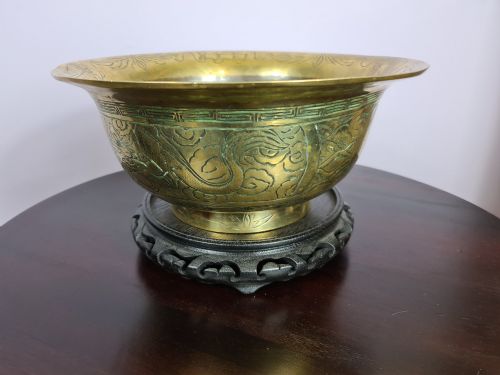
When you search for an antique brass basin, you encounter vessels created for domestic utility, Islamic metalwork, and display. The selection includes domestic copper pans, Japanese bronze bowls, and Mamluk engraved basins.
The 19th-century Victorian items and Edwardian jardinieres appear most frequently in this collection. These utilitarian and decorative objects span various forms, including washstands, wine coolers, and cauldrons.
Origins stretch from English workshops to Oriental and Middle Eastern centres. Pieces incorporate materials such as mahogany, silver plate, and enamel alongside brass and copper.
Materials and construction methods
Metalworking techniques involve hammering, riveting, and casting to shape brass, copper, and bronze into bowls and pans. Riveted joints and heavy-gauge sheet metal define utilitarian cookware like jam pans and boilers.
Decorative surfaces utilise engraving, repoussé work, and mixed metal inlays. Islamic cairoware and Mamluk vessels employ meticulous surface chasing, while Japanese items incorporate cloisonné enamel.
Materials range from solid brass and heavy bronze to mahogany, silver plate, and enamel.
Distinctions in quality and execution
Depth and precision of surface ornamentation separate standard utility ware from accomplished pieces. Hand-engraved Mamluk and Safavid vessels display intricate geometric and calligraphic programmes executed with sharp tool control.
Weight, metal thickness, and structural integrity dictate the grade of domestic and decorative items. Solid copper pans and campaign washstands rely on substantial gauge materials and careful joinery for longevity.
Hodges And Sons·Samual Norman·WMF
The Antique Brass Basin Glossary
- Cairoware
- Metalwork produced in Egypt and Syria, often featuring brass inlaid with silver and copper in complex Islamic designs. These decorative bowls and basins reflect revivalist and traditional Middle Eastern aesthetics.
- Jardiniere
- An ornamental pot or stand designed to hold plants or flowers indoors. Examples in this inventory utilise brass, copper, and ceramic elements set within mahogany frames.
- Repoussé
- A metalworking technique where the metal is hammered from the reverse side to form a raised design in relief. This method creates textured surface patterns on planters and bowls.
- Dinanderie
- Articles of artistic brasswork or copperwork named after the Belgian town of Dinant. The term covers vessels and containers shaped through hammering and casting.
- Brasero
- A traditional Spanish heating vessel designed to hold hot coals. These circular metal basins often sit within wooden or metal stands.
Antique Brass Basin: Frequently Asked Questions
How were antique brass basins used originally?
Many of these vessels served practical domestic roles in kitchens and laundries for heating water, cooking, or preserving food. Others functioned as personal washbowls or decorative planters within domestic interiors.
Over time, utilitarian copper and brass items transitioned into ornamental display pieces. Lighter basins and jardinieres were repurposed to hold plants, logs, or wine bottles.
What is Mamluk revival metalwork?
Mamluk revival metalwork replicates the inlaid brass and bronze styles produced during the Mamluk Sultanate in Egypt and Syria. These pieces feature dense geometric patterns and inlaid silver details.
Victorian craftsmen adopted these Middle Eastern motifs to satisfy European demand for exotic decorative arts. The resulting items combine traditional engraving techniques with 19th-century manufacturing.
How do I care for antique copper and brass?
Preserving the surface metal involves minimal intervention to maintain the accumulated patina acquired over centuries. Dusting with a soft cloth prevents particulate buildup without stripping the outer oxidation.
Harsh chemical polishes remove historical surface layers and diminish the character of hand-engraved or hammered items. Gentle cleaning with neutral soap sups suffices for general upkeep.
Can I use an antique brass basin for plants?
Many jardinieres and planter bowls were designed specifically to house potted plants inside homes. Placing a protective liner inside prevents moisture from contacting the historical metal surface directly.
Unlined vessels risk water staining and accelerated corrosion if soil and moisture sit against the interior walls. Using a modern plastic or ceramic insert safeguards the antique material.