


Antique Boxed Mirror
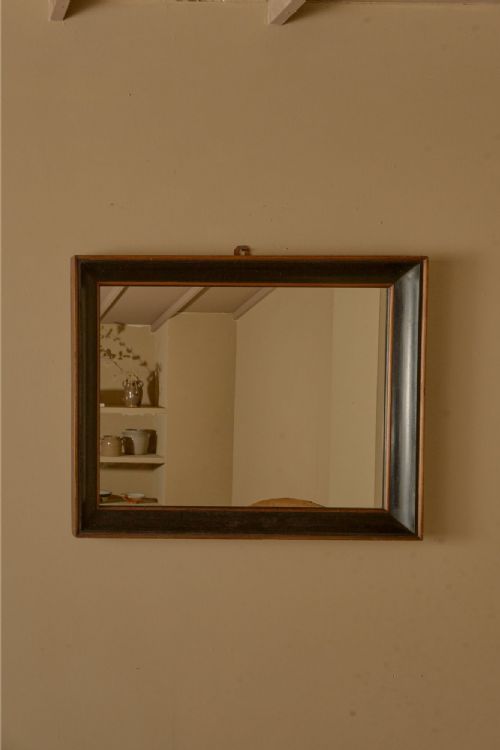
An antique boxed mirror brings together timber and glass in a compact form designed to sit upon a dressing surface.
Antique Boxed Mirror
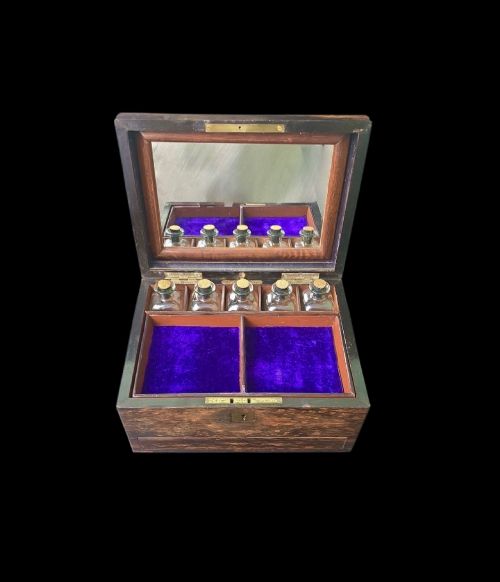
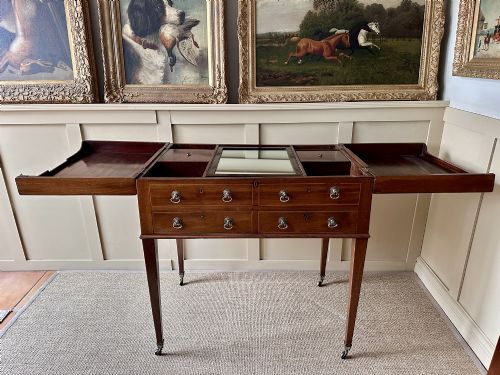
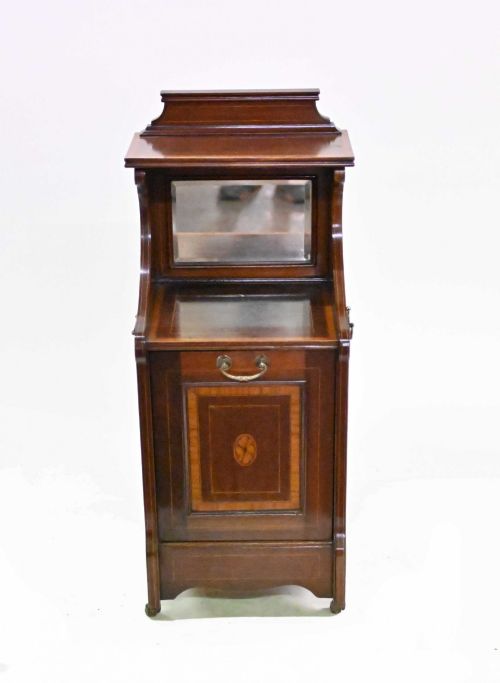
When you search for an antique boxed mirror, you encounter pieces intended for personal grooming and dressing that incorporate built-in storage or a supportive wooden stand.
The pieces appearing on this page span the Georgian, Victorian, and Regency periods, alongside various examples from the eighteenth and nineteenth centuries.
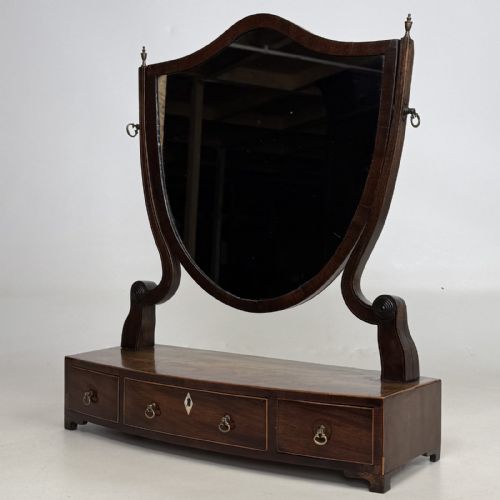
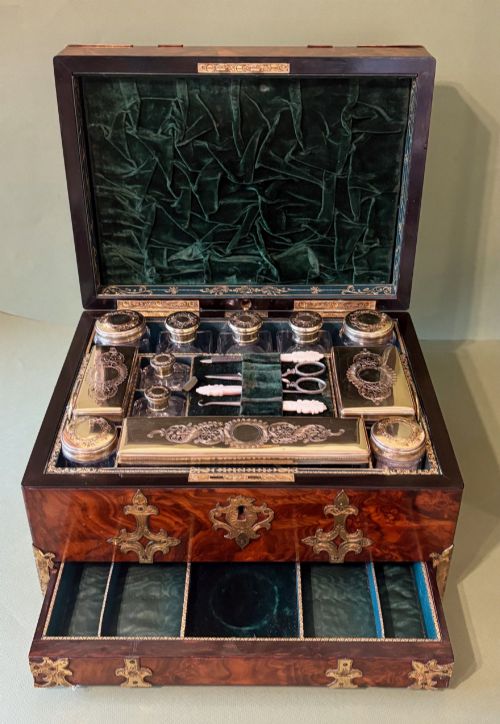
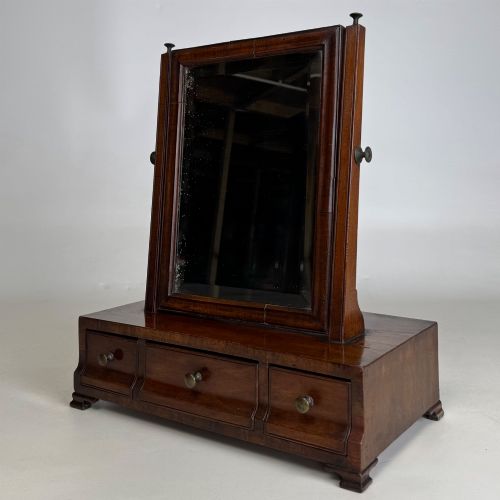
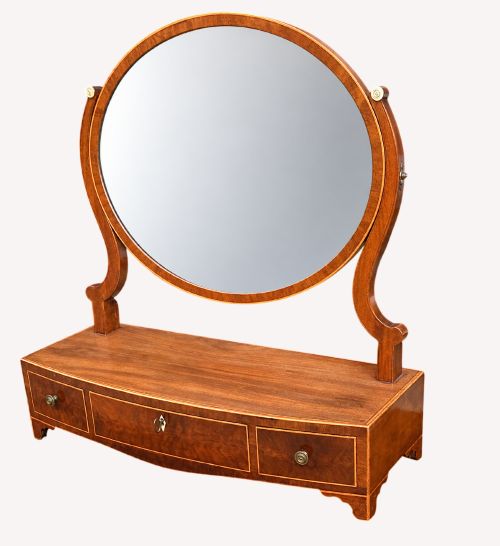
The most common forms are dressing table mirrors, toilet mirrors, and dressing boxes fitted with glass plates and small drawers.
Materials and construction
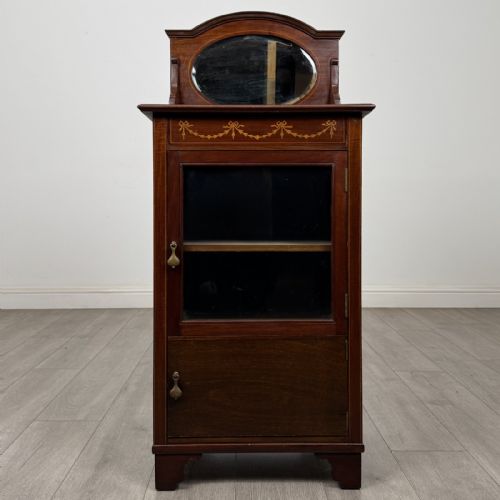
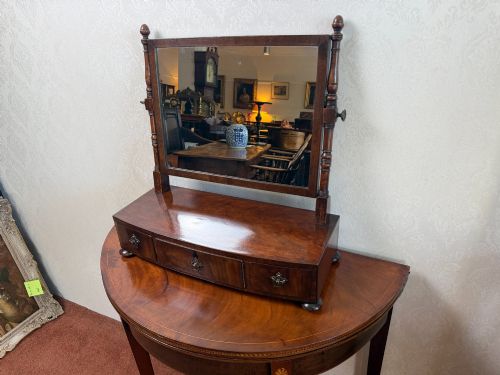
Cabinet makers constructed these items primarily in mahogany, walnut, and satinwood, often utilising brass for hinges, handles, and support arms.
Mirror glass sits within frames supported by uprights, while the base structures frequently incorporate small box sections with fitted compartments or drawers.
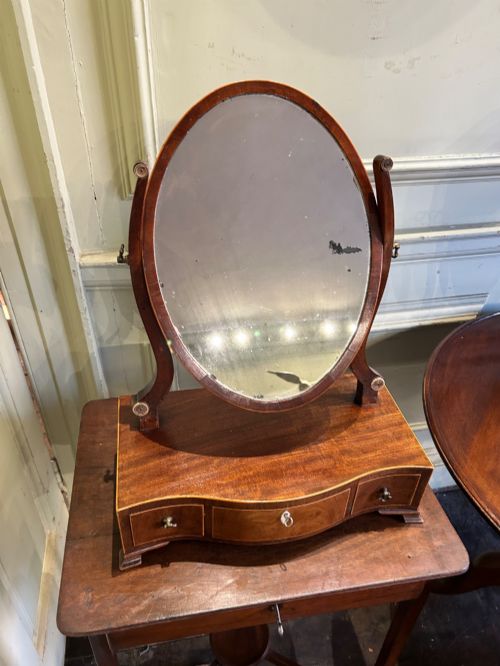
Finer examples employ crossbanding, inlay, or ebonised details to accent the timber surfaces.
Antique Boxed Mirror Retail Price Guide 2026
Typical asking prices for boxed mirror among the pieces listed under this phrase on Sellingantiques today, from the lower quarter to the upper quarter. They describe what is for sale here now, not the wider market.
Several mirrors hide secret drawers beneath their glass plates for letters and trinkets.
Quality differences
The division between standard and superior pieces rests upon the selection of timber and the precision of the box construction.
Makers who utilised burr walnut, figured mahogany, or delicate inlay achieved a visual depth absent in simpler utility versions.
Original mirror plates, well-fitted internal compartments, and substantial brass mounts elevate the standing of a piece.
Henry Matthews
The Antique Boxed Mirror Glossary
- Toilet mirror
- A small mirror mounted on a frame with a base containing drawers, designed for placement on a table.
- Campaign kit mirror
- A portable mirror and storage unit constructed for travel by military officers during the nineteenth century.
- Crossbanding
- A decorative border of veneer laid perpendicular to the grain of the primary wood surface.
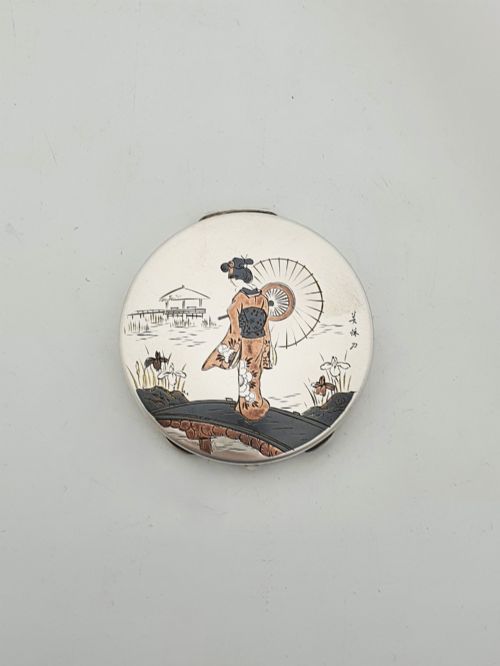
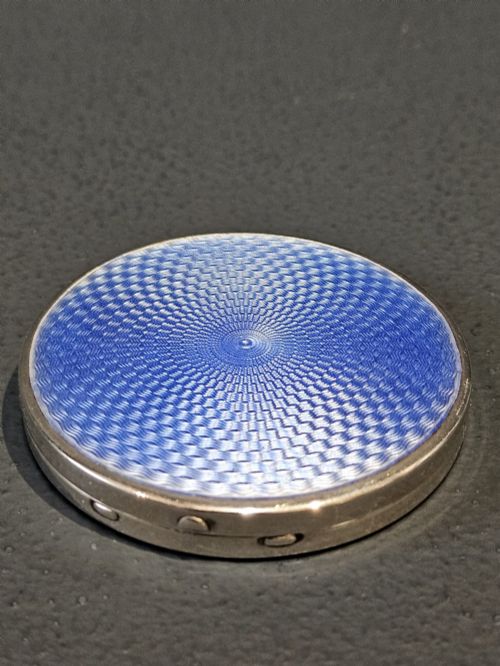
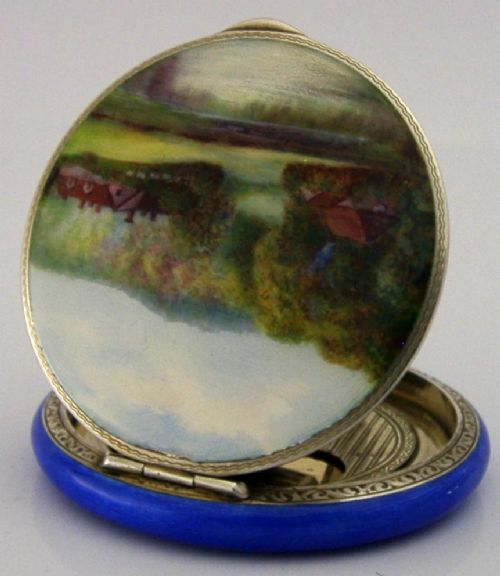
- Guilloche enamel
- A decorative technique where enamel is applied over a metal surface that has been mechanically engraved with a repetitive pattern.
- Shield shaped toilet mirror
- A dressing mirror featuring a glass plate cut into the outline of a heraldic shield.
Antique Boxed Mirror: Frequently Asked Questions
What is an antique boxed mirror?
An antique boxed mirror is a table-standing glass panel attached to a wooden base or box framework, often featuring small drawers.
These objects functioned as personal dressing accessories in bedchambers and dressing rooms during the eighteenth and nineteenth centuries.
How do I date a toilet mirror?
Dating relies on timber selection, structural proportions, and edge profiles of the mirror frame and base drawers.
Georgian and Regency pieces tend to show lighter mahogany frames and slender supports, while Victorian examples often incorporate burr walnut and heavier box sections.
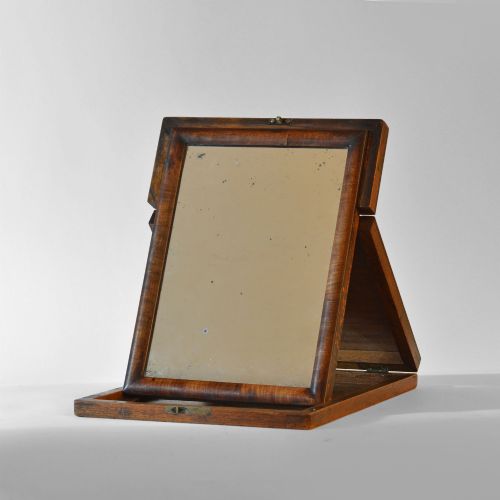
Were these mirrors meant for travel?
Certain specialised forms, such as campaign kit mirrors, were built with secure boxes and folding elements for transport.
Standard dressing table mirrors remained stationary items placed upon chest of drawers or dedicated dressing tables.
What woods were commonly used?
Cabinet makers predominantly relied on mahogany and walnut for the primary structure of these mirrors.
Satinwood, oak, and ebonised finishes also appear across the surviving pieces from different periods.