

Antique Box with Drawer
When you search for an antique box with drawer, you are looking at small-scale storage where everyday utility meets cabinet-making skill.
Antique Box with Drawer
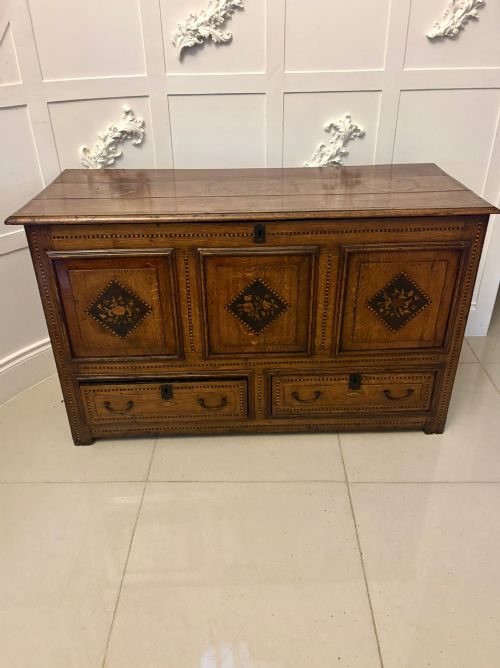
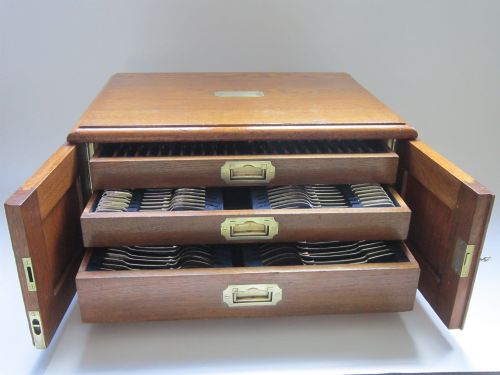
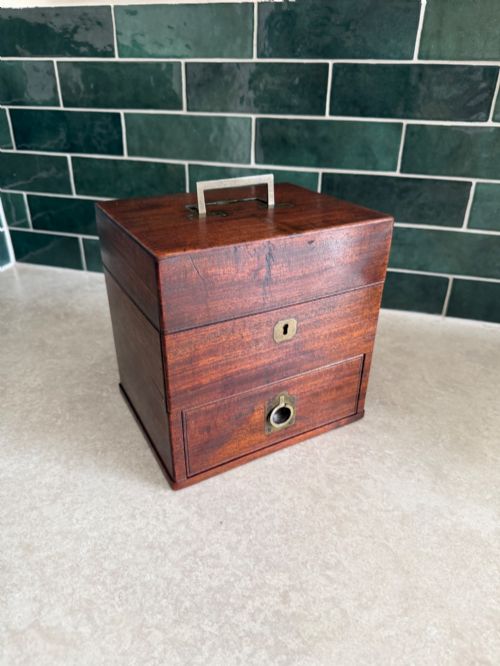
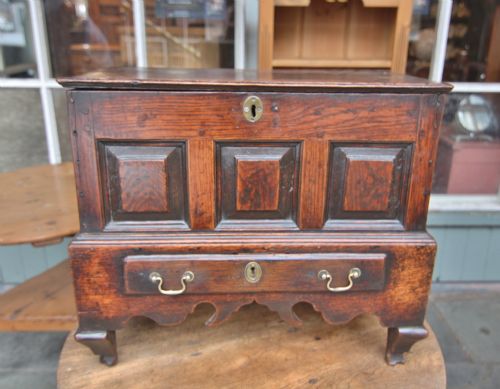
An antique box with drawer combines lidded storage with integrated compartments below, spanning tabletop boxes, table-top chests, and larger vernacular forms.
The selections on this page lean heavily towards Georgian and Victorian pieces, alongside earlier 17th-century oak examples and regional vernacular items like the Welsh coffer bach.
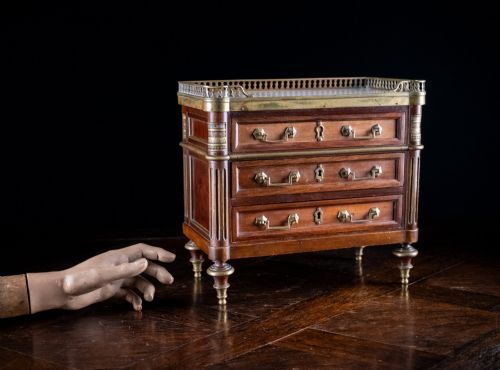
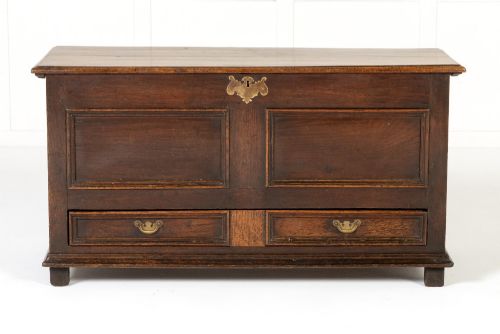
Buyers encounter everything from compact writing slopes and miniature chests of drawers to mule chests fitted with one or more lower drawers.
Construction and materials
Cabinet-makers relied primarily on native timbers such as oak, mahogany, and pine, occasionally turning to decorative veneers like burr walnut, rosewood, and laburnum.
Metalwork played a structural and decorative role, with brass handles, hinges, and studwork appearing alongside iron fittings.
Several boxes conceal secret drawers designed to outsmart prying eyes and protect hidden letters.
Judging the range
Quality rests in the precision of the joinery and the selection of timber, where well-figured grain and thoughtful proportion elevate a piece.
The integrity of the internal drawers, secret compartments, and original hardware distinguishes standard workshop production from finer examples.
The Antique Box with Drawer Glossary
- Coffer bach
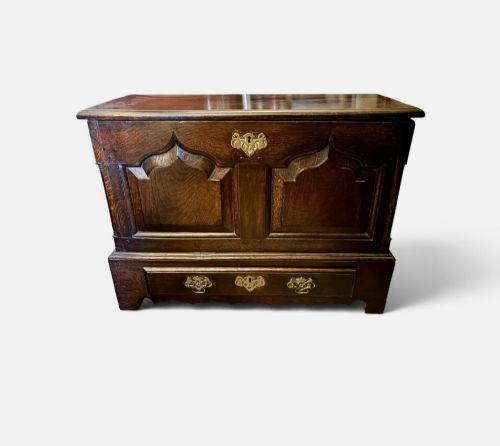
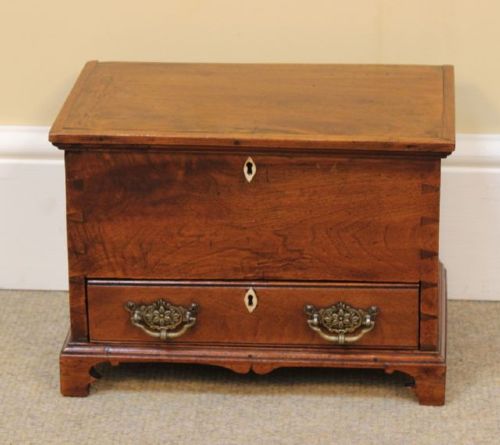
- A small Welsh chest or box featuring one or more drawers beneath the main lidded compartment, traditionally used in domestic settings.
- Mule chest
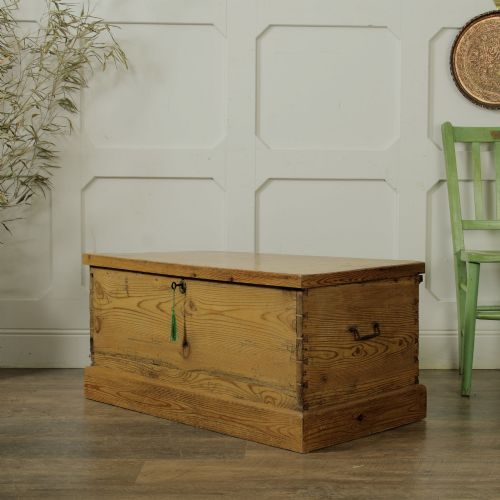
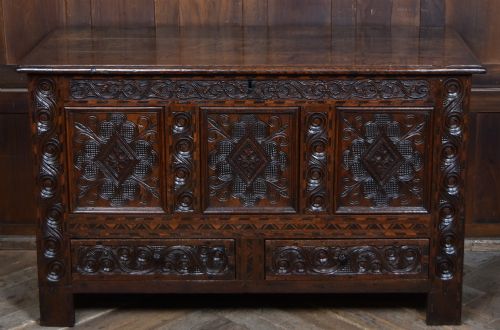
- A traditional blanket box or chest that incorporates a drawer or drawers in the base beneath the primary storage well.
- Writing slope
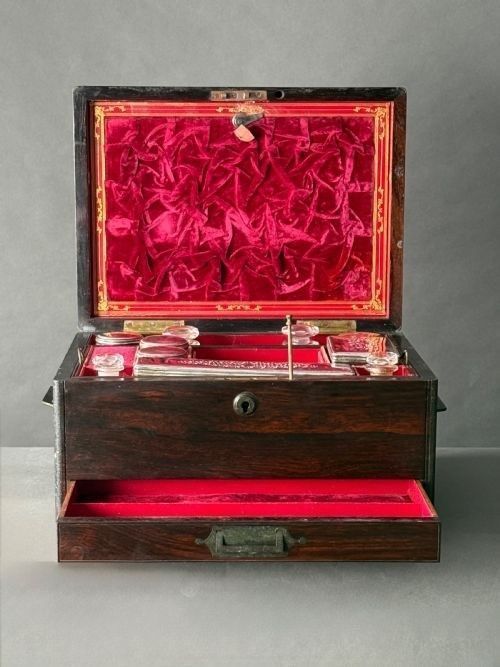
- A portable box with a hinged, slanted lid designed for correspondence, often fitted with internal drawers and inkwell spaces.
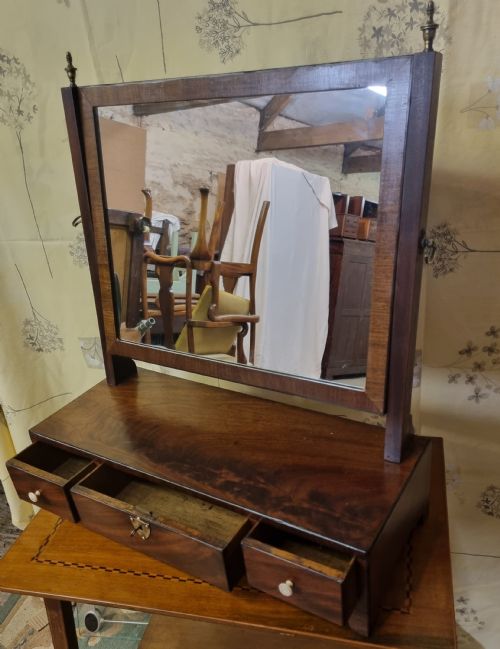
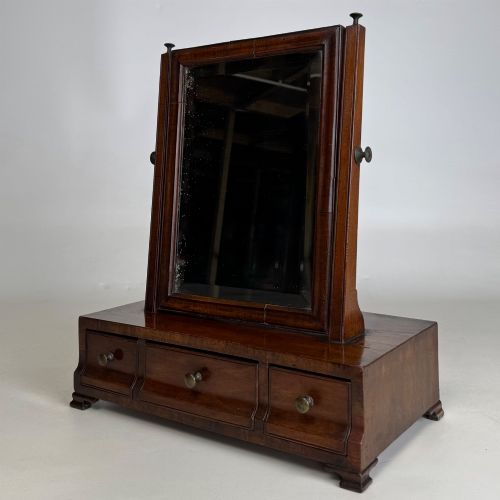
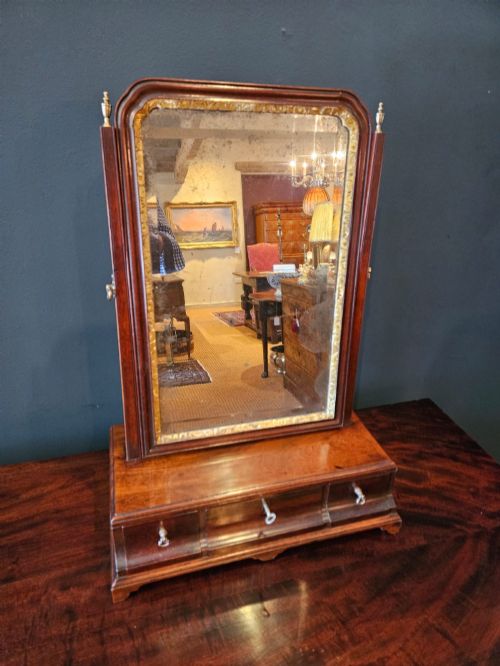
- Toilet mirror
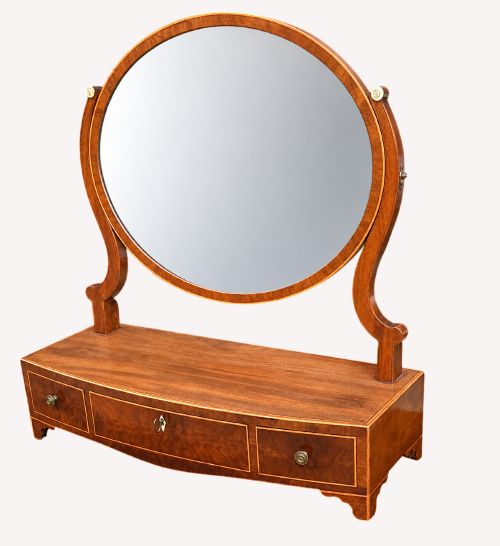
- A small mirror mounted on a frame or small box base containing one or more small drawers, popular on dressing tables.
- Marquetry
- The art of applying pieces of veneer to a structure to form decorative patterns, seen on select 17th-century examples.
Antique Box with Drawer: Frequently Asked Questions
What were these boxes used for originally?
These pieces served multiple domestic purposes, from storing personal linen and blankets to holding correspondence, jewellery, and sewing equipment.
Smaller boxes functioned on tabletops for valuables, while larger mule chests held household textiles alongside everyday items kept in the lower drawers.
How do I date an antique box?
Dating relies on observing timber selection, construction methods, and hardware styles associated with specific periods like the Georgian or Victorian eras.
Secondary woods, dovetailing techniques, and lock mechanisms offer clear physical evidence of the decade or century in which the piece was constructed.
Where should I place one in my home?
Tabletop boxes and dressing mirrors sit comfortably on chests of drawers, sideboards, or dressing tables in bedrooms and living spaces.
Larger mule chests and trunks function well as blanket storage at the foot of a bed or as coffee tables in a sitting room.
What is the difference between a coffer and a mule chest?
A traditional coffer consists simply of a lidded chest used for general storage without any additional compartments.
A mule chest incorporates one or more drawers built into the base beneath the main storage well, bridging the gap between a chest and a chest of drawers.