



Antique Botanical Vessel
An antique botanical vessel brings natural motifs and floral forms directly into a room, spanning porcelain, bronze, copper and glass.
Antique Botanical Vessel
When you search for an antique botanical vessel, you encounter a diverse range of objects designed to hold plants, display cut flowers or celebrate natural themes through ornamentation. The selection includes porcelain vases, copper planters, earthenware jardinieres and bronze vessels spanning the nineteenth and early twentieth centuries.
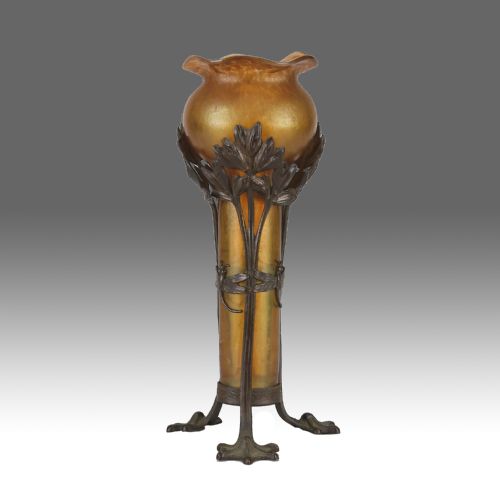
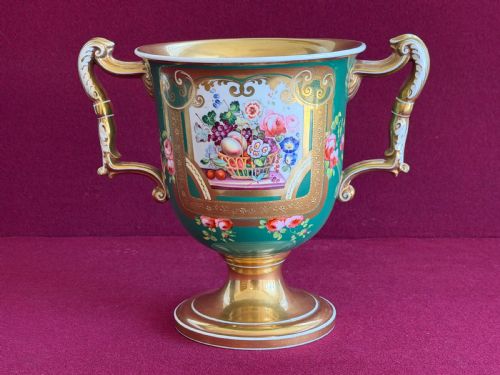
The pieces appearing on this page draw heavily from stylistic movements such as Art Nouveau, the Arts and Crafts tradition and the Meiji period, where plant and leaf patterns dominate. Forms vary widely from twin-handled vases and lidded pails to heavy bronze jardinieres and delicate cameo glass.
Originating from English, French, Japanese and Persian workshops, these items serve primarily as decorative centerpieces or functional containers for greenery. A buyer will find both refined porcelain painted with floral scenes and rugged beaten copper planters meant for domestic flora.
Materials and construction methods
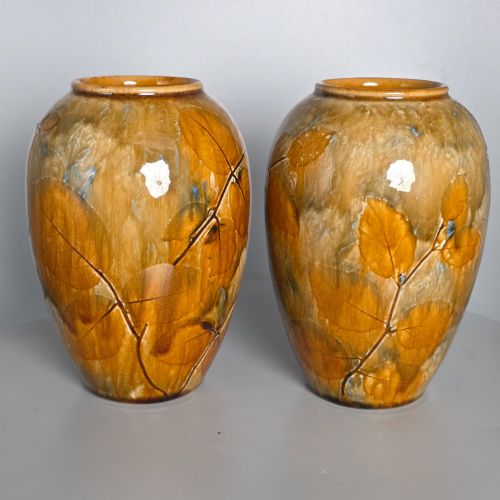
Makers utilised ceramic bodies including porcelain, earthenware and stoneware, often finishing them with coloured glazes, hand-painted botanical motifs or lacquer over-paint. Glassware utilised cameo techniques to layer different colours and carve floral and plant subjects into the vessel wall.
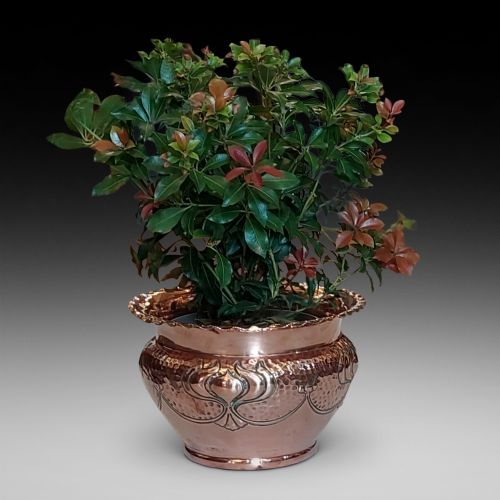
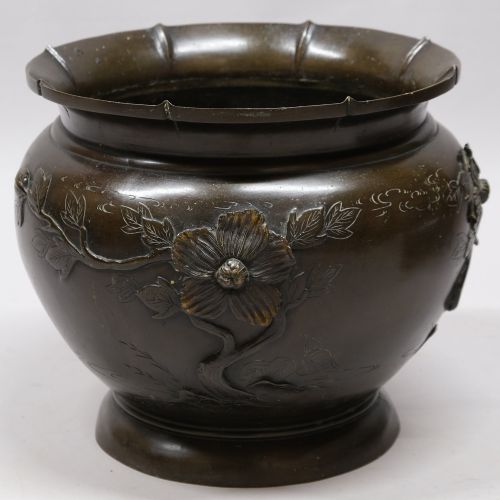
Metal vessels relied on bronze casting, hammered copper and applied brass or bronze mounts, frequently showing the hand of the artisan in riveted seams or chased surface details. Gold leaf occasionally highlights specific decorative elements on porcelain bodies and metal surfaces.
Listings feature periods from Regency and Victorian eras through to Art Nouveau and the 1920s.
Distinctions in craftsmanship and design
Quality separates mass-produced items from pieces bearing the distinct signature or mark of celebrated makers like Loetz, Daum Frères or Makuzu Kozan II. The crispness of hand-painted floral details, the depth of cameo glass carving and the weight of cast bronze dictate the standing of a vessel.
The integrity of the material finish, whether an undisturbed aged copper patina or a finely preserved polychrome glaze on porcelain, determines how successfully the piece maintains its original character. Superior examples demonstrate a complete harmony between the natural subject matter and the chosen medium.
Royal Doulton·Loetz·H & R Daniel·Makuzu Kozan II·Daum Frères·Doulton Lambeth·Sir Edmund Elton·Flight Barr And Barr·René Lalique·Royal Worcester Hadley·Emile Gallé
The Antique Botanical Vessel Glossary
- Jardiniere
- An ornamental pot or stand for holding plants or flowers. These vessels appear in ceramic, copper and bronze across Victorian and Japanese Meiji periods.
- Cameo Glass
- Glass formed with multiple layers of different colours, then etched or carved away to leave a raised design. Emile Gallé and Daum Frères utilised this technique for floral motifs.
- Faience
- Tinned-glazed earthenware related to majolica and delftware. Doulton Lambeth produced notable examples of this ceramic technique.
- Rummer
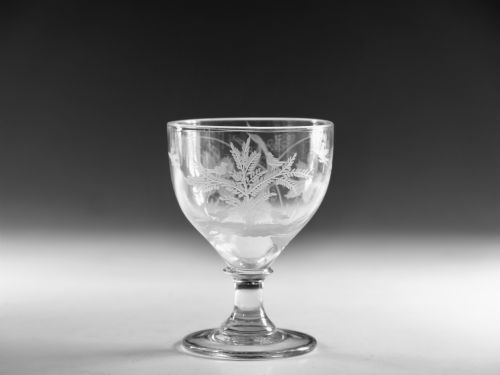
- A large drinking glass popular in the eighteenth and nineteenth centuries. English examples occasionally appear alongside botanical vessels.
Antique Botanical Vessel: Frequently Asked Questions
What is an antique botanical vessel?
An antique botanical vessel is a decorative or functional container featuring plant motifs, floral painting, or a plant-holding purpose created during the nineteenth or early twentieth century.
These pieces range from bronze jardinieres and copper planters to porcelain vases and cameo glass decorated by prominent European and Asian makers.
How do I identify Art Nouveau vessels?
Art Nouveau vessels feature flowing, organic lines inspired by stems, flowers, and natural plant growth, peaking around 1900.
Look for stylised floral carving in cameo glass by makers like Gallé or whiplash copper mounts by Loetz and French metalworkers.
Are Japanese bronze vessels botanical?
Many Japanese bronze vessels from the Meiji period incorporate naturalistic plant forms, animals, and relief decoration directly into their casting.
Signed bronze jardinieres and vases reflect an intense cultural focus on the natural world that heavily influenced Western Arts and Crafts designers.
How should I display these vessels?
Display these vessels where their specific material qualities, whether hammered copper, painted porcelain, or layered cameo glass, catch natural light.
They function well as empty decorative objects on sideboards or as active holders for cut flowers and potted plants as originally intended.