
Antique Botanical Painting
These antique botanical paintings bring natural study to the wall, offering precise floral watercolours and oils to anchor a room.
Antique Botanical Painting
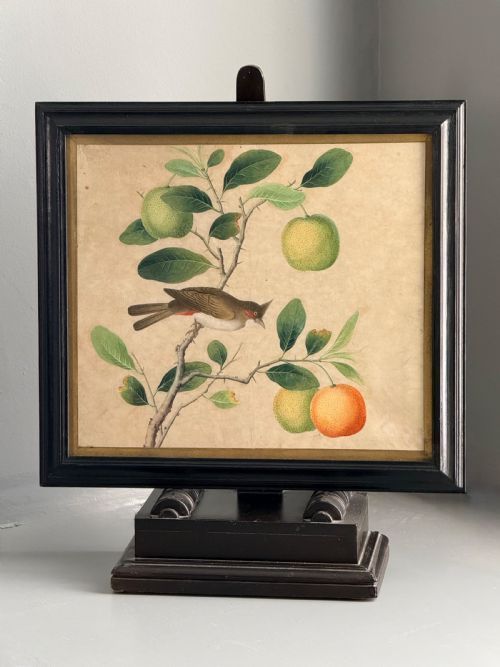
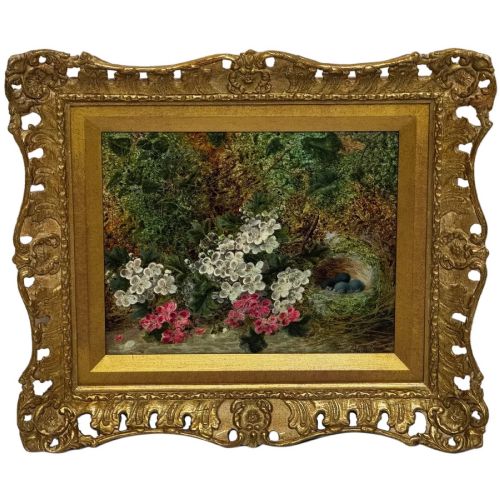
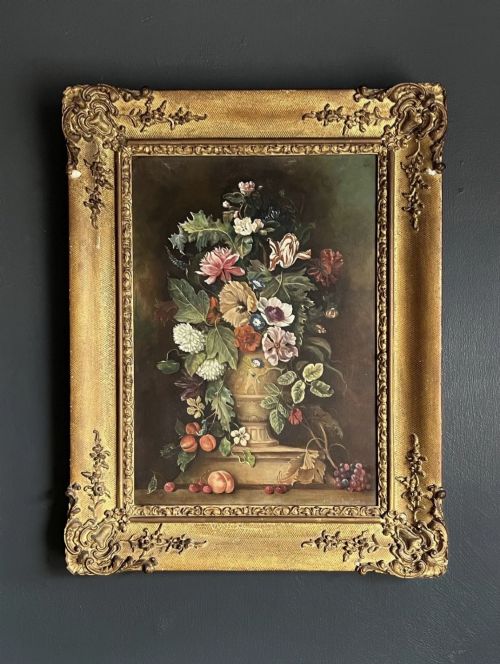
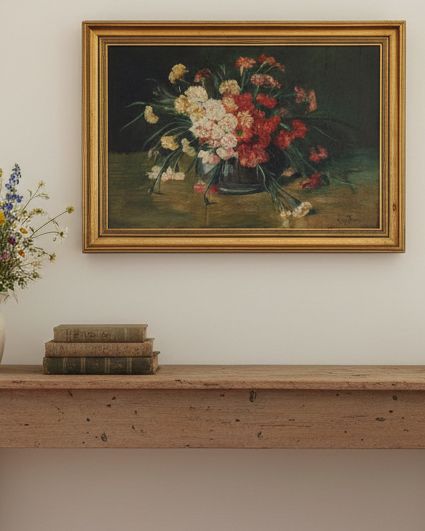
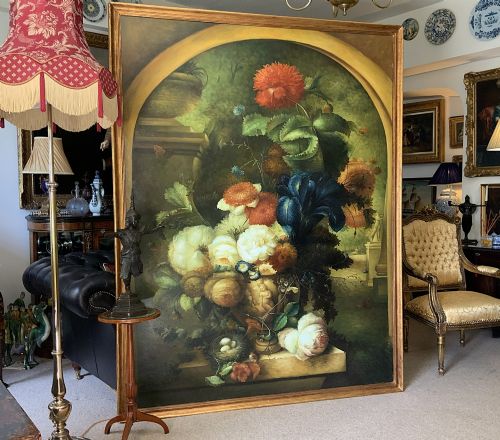
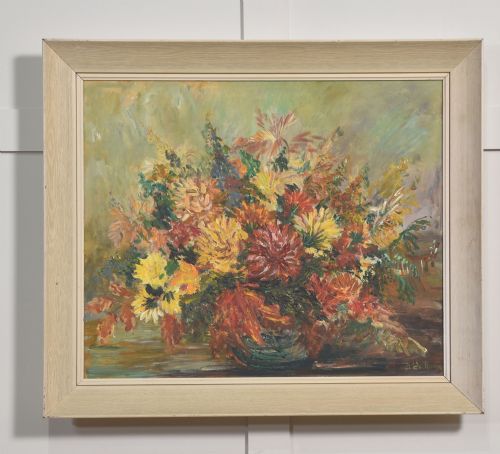
An antique botanical painting captures flowers, fruit, and fungi with scientific observation and artistic skill. The selection spans the Regency era through to the early twentieth century, encompassing both British and European examples.
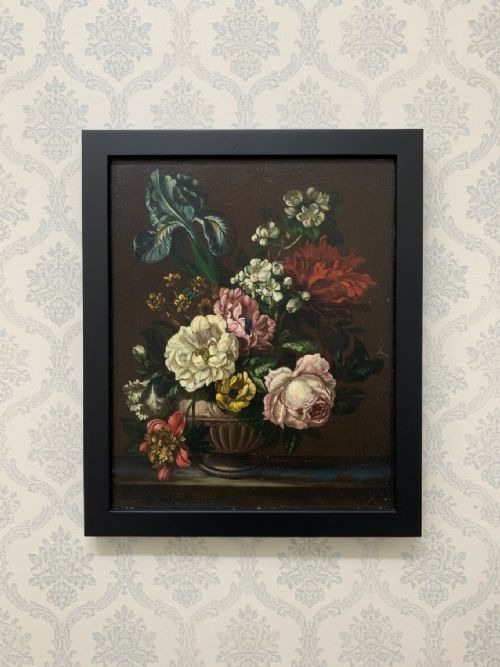
Buyers meet works executed in watercolour on paper and oil on canvas, often housed within period frames such as rosewood. Subjects range from singular plum studies and detailed fungi to arrangements of wallflowers and anemones.
The offerings include both signed works by known hands and anonymous studies from the nineteenth century. These pieces record the enduring fascination with natural history across different decorative movements.
How they were made
Makers utilised watercolours and oil on canvas, applying pigment to paper or stretched fabric to capture botanical specimens. Fine brushes allowed artists to render the delicate petals of wallflowers and the distinct textures of plums with accuracy.
Works on paper required protective mounting beneath glass, frequently preserved in timber frames like rosewood. Oil paintings on canvas utilised traditional priming and layering techniques to build depth within floral still lifes and wicker baskets.
Antique Botanical Painting Retail Price Guide 2026
Typical asking prices for botanical painting among the pieces listed under this phrase on Sellingantiques today, from the lower quarter to the upper quarter. They describe what is for sale here now, not the wider market.
Materials across these listings include paper, rosewood, glass, watercolour, and oil on canvas.
What varies in quality
The distinction between ordinary and exceptional works lies in the precision of botanical observation and brushwork control. Superior pieces render specimens with anatomical clarity while maintaining a balanced composition on the page or canvas.
Materials and framing contribute significantly to the overall presence of the piece. Surviving period frames, such as those in rosewood, and clean preservation of the paper or canvas separate the finer examples from lesser items.
Henrietta Creswell·Amy Reeve-Fowkes·Otto Soltau
The Antique Botanical Painting Glossary
- Regency
- A period of British design spanning the early nineteenth century. Pieces from this era often display refined neoclassical elegance.
- Watercolour
- A paint medium consisting of water-soluble pigments used on paper. It allows for translucent washes and fine botanical detail.
- Oil on canvas
- A traditional painting medium using pigments bound in a drying oil, applied to a stretched woven fabric. This method provides rich colour saturation and textured brushwork.
- Still life
- An artwork depicting inanimate subject matter, such as cut flowers in a vase or fruit in a basket. It focuses on the arrangement of everyday objects.
Antique Botanical Painting: Frequently Asked Questions
How do I hang antique botanical paintings?
Protect the works from direct sunlight to prevent the watercolour pigments from fading over time. Secure them with appropriate fixings suited to the weight of period frames like rosewood.
Group smaller studies together to create a gallery wall effect, or let a larger oil painting serve as a singular focal point in a room.
Are these paintings original period pieces?
The selection comprises authentic works dating from the nineteenth and early twentieth centuries. Materials such as aged paper and traditional framing indicate their period origins.
Each piece reflects the artistic techniques and botanical interests of its specific decade of creation.
What subjects appear in these works?
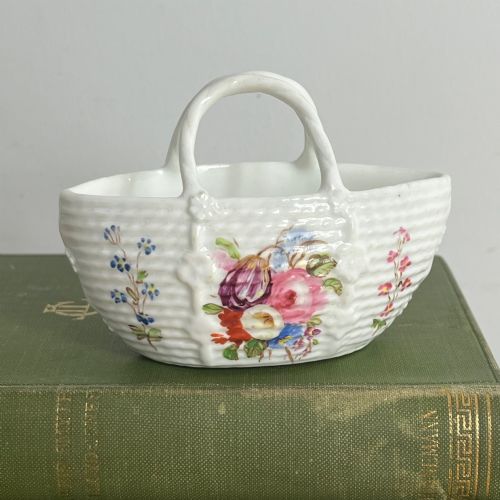
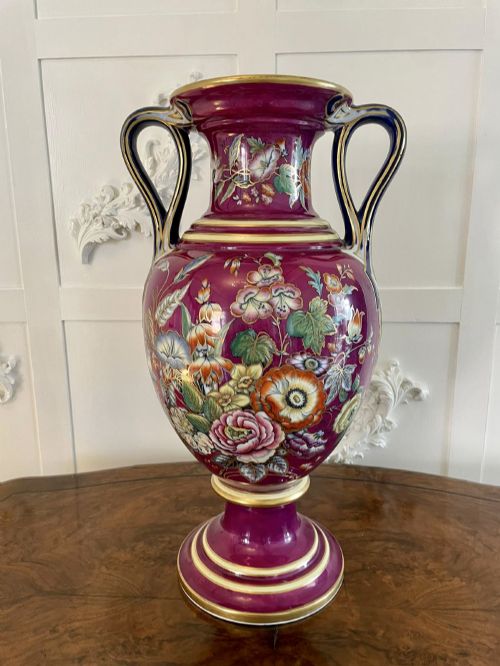
The artworks display a variety of natural specimens including plums, wallflowers, anemones, and fungi. Some compositions feature single studies while others arrange flowers within baskets or ceramic vases.
These subjects reflect both scientific recording and decorative floral still life traditions.
How do I care for watercolour on paper?
Keep the works in stable environmental conditions away from excessive moisture and humidity. Glass framing helps shield the delicate paper surface from dust and environmental pollutants.
Consult a professional restorer if the paper requires cleaning or conservation work.