

Antique Book Lectern
When you set out to acquire an antique book lectern, you are choosing a practical piece designed to hold texts at a comfortable reading angle.
Antique Book Lectern
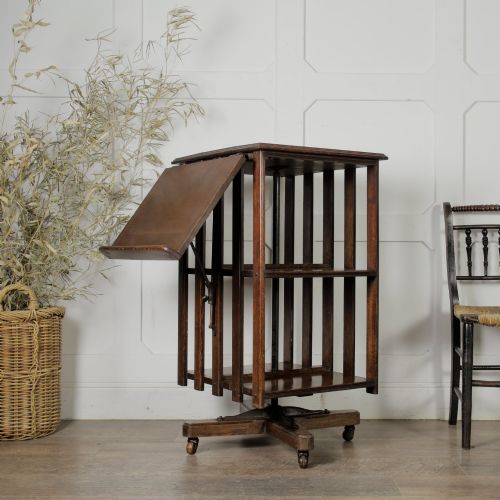
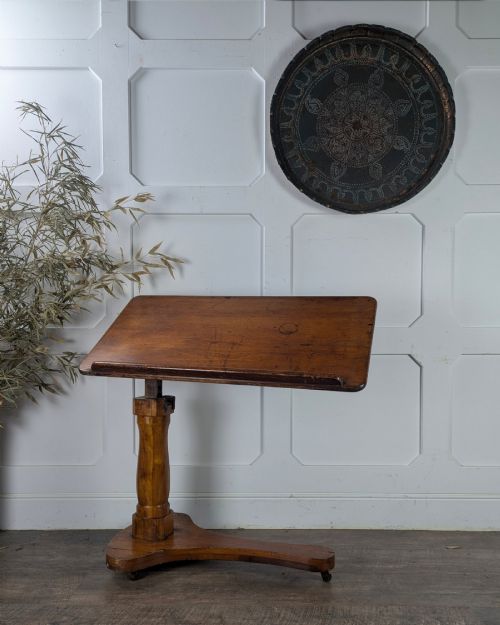
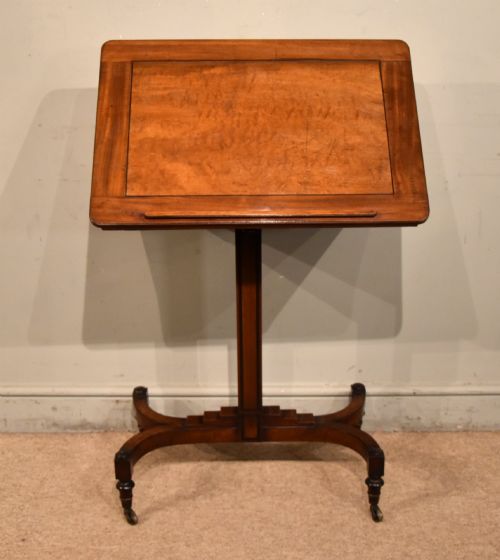
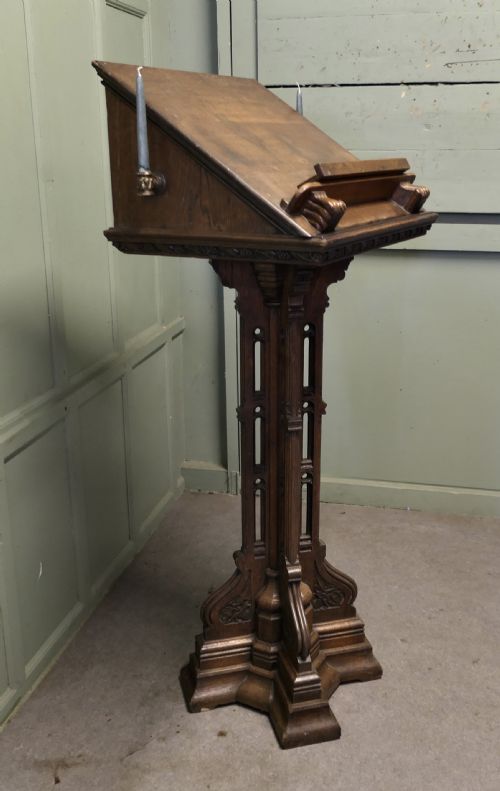
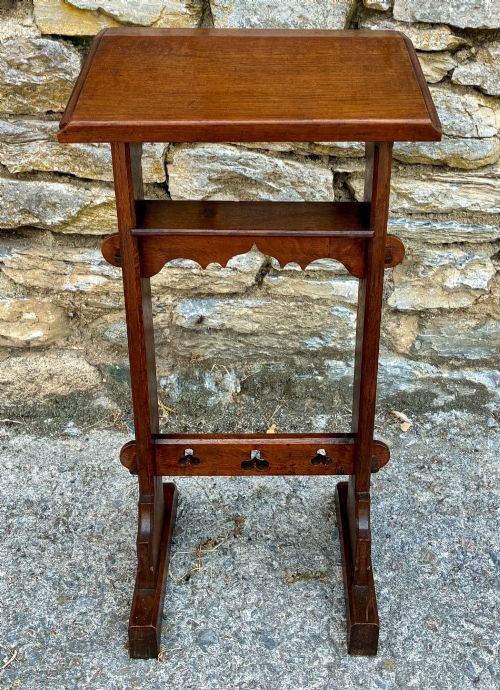
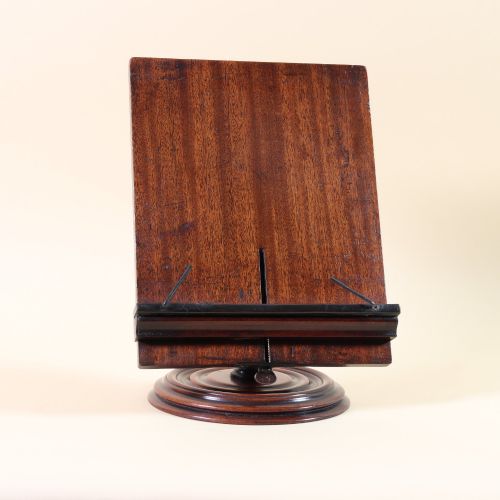
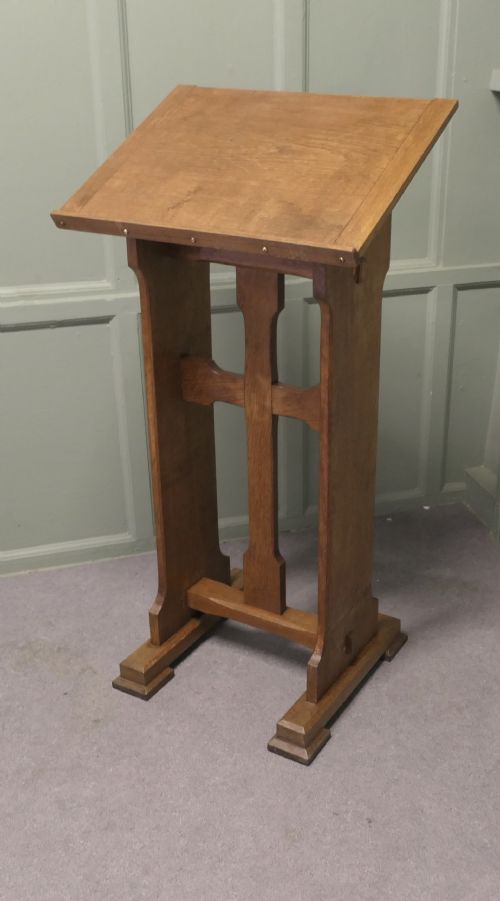
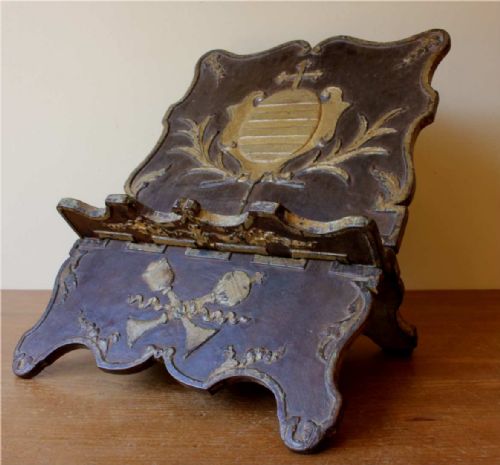
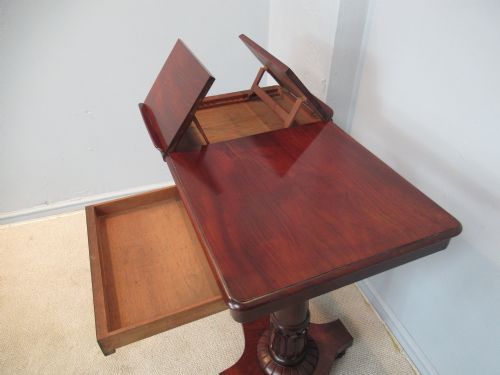
An antique book lectern serves as a dedicated support for volumes, ledgers, and sheet music, keeping materials upright for study or performance. These items appear in various formats, ranging from small desk-top book rests to substantial church lecterns and adjustable reading tables dating from the nineteenth and early twentieth centuries.
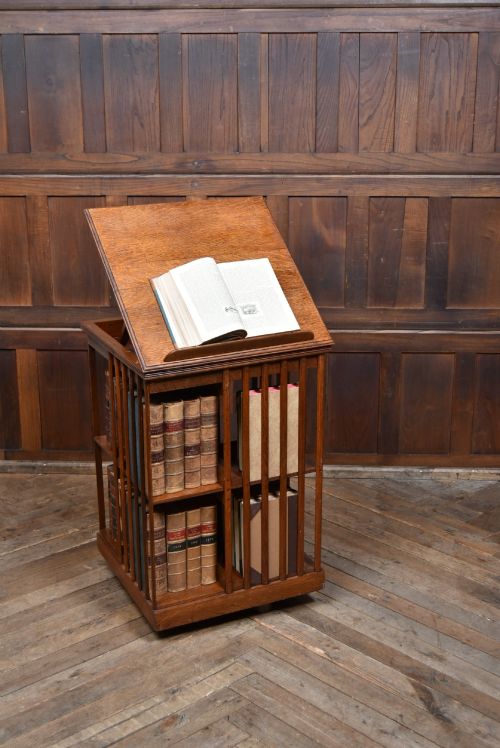
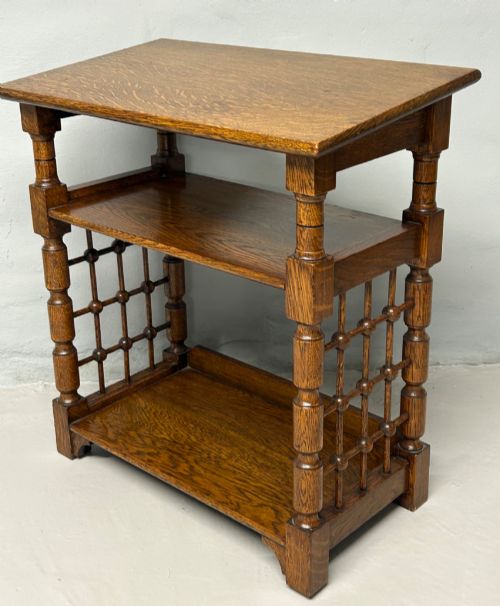
The pieces on this page span several eras, with Victorian and Edwardian examples appearing frequently alongside earlier Regency and Georgian designs. Formats vary from simple folding wooden book stands to elaborate brass eagle lecterns and revolving bookcases intended for domestic or ecclesiastical use.
How they were made
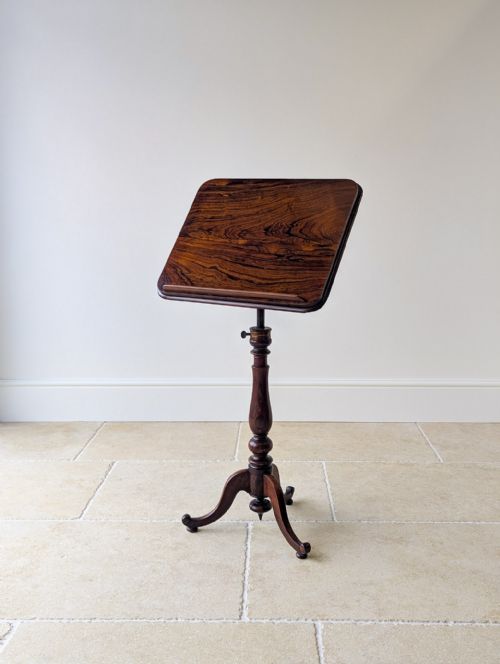
Makers utilised timber such as oak, mahogany, and rosewood for structural frames, employing solid construction and carved detailing for domestic and ecclesiastical pieces. Oak appears often in Arts and Crafts and Gothic Revival designs, whilst mahogany and rosewood define many nineteenth-century reading tables and music stands.
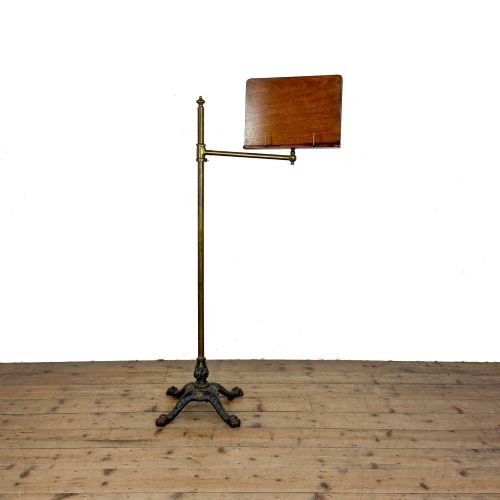
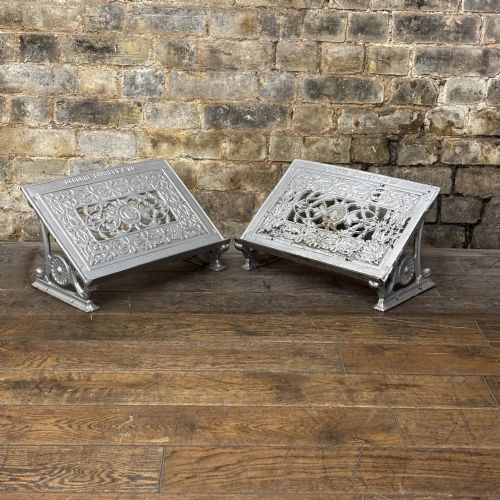
Metal components played a structural role, particularly in brass book rests and cast iron mechanisms that allowed tables and stands to adjust in height and angle. Brass elements were frequently pierced, reticulated, or cast, paired with timber bases to create stable supports for heavy volumes.
Several Victorian reading stands retain their original patent adjustment labels, proving that nineteenth-century readers also struggled with neck strain.
What varies in quality
The sophistication of the mechanical adjustment mechanism often distinguishes standard stands from superior examples, particularly in pieces designed by specialist makers with patent ratchets or screw adjustments. Smooth operation in folding actions and reading table hinges reflects the original standard of manufacture.
Material selection and decorative execution separate utilitarian items from finer examples, such as those featuring crisp carved oak foliage, inlaid mother-of-pearl, or detailed brass casting. The weight and gauge of the brass used in desk stands and the choice of dense, well-figured cabinet timbers indicate the tier of the piece.
Osborne Garrett And Co·Carters Of London·Townsend And Co·William Tonk And Sons·Jones And Willis·Adolph Frankau And Co
The Antique Book Lectern Glossary
- Lectern
- A stand with a sloping top designed to hold a book or music score at an angle for reading aloud or performance.
- Book rest
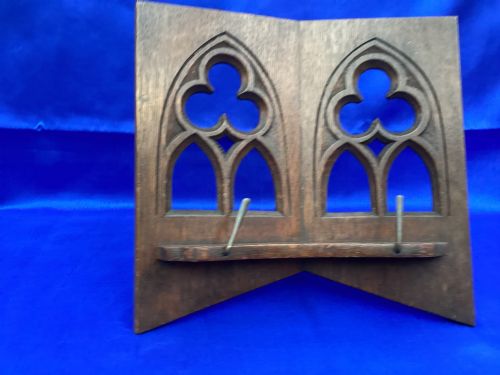
- A portable or desk-top rack used to prop open volumes, frequently folding flat when not in use.
- Gothic Revival
- A nineteenth-century style drawing on medieval architectural motifs, seen in pointed arches and carved tracery on wooden stands.
- Reticulated
- Patterned with an openwork network of holes or interlaced lines, often found on brass book stands.
- Duet stand
- A music stand or lectern wide enough to accommodate two musicians reading from the same shared score.
Antique Book Lectern: Frequently Asked Questions
How do I adjust the reading angle?
Many nineteenth-century examples utilise a brass ratchet bar or a hinged desk support located beneath the book rest. Lifting the shelf allows the support to engage with different notches to secure the desired slope.
Heavier reading tables often employ a central screw mechanism or counterbalanced arm to alter both height and tilt. Care should be taken to support the weight of the reading surface whilst adjusting these older metal mechanisms.
Were these used in homes or churches?
Antique lecterns served both domestic and ecclesiastical environments, depending on their size and form. Smaller folding book rests and revolving bookcases were built for studies and libraries, whilst large brass eagle lecterns and heavy oak stands originated in churches.
Mid-sized reading tables and music stands found a place in drawing rooms, parlours, and institutional settings for holding large volumes or sheet music.
How do I clean wooden lecterns?
Dust timber surfaces regularly with a soft, dry cloth to prevent the accumulation of grit in carved details and joints. Avoid modern silicone sprays, opting instead for traditional beeswax applied sparingly and buffed to maintain the finish.
Protect the wood from direct sunlight and dramatic changes in temperature to prevent the timber from splitting or warping over time.
Can these hold heavy modern books?
Solid oak and mahogany lecterns possess sturdy ledges capable of supporting large contemporary art books and heavy reference volumes. The supporting foot or base provides the necessary counterbalance for wide spreads.
Lighter folding brass book rests suit thinner volumes or sheet music better than very heavy encyclopaedias, which can strain delicate hinges.