



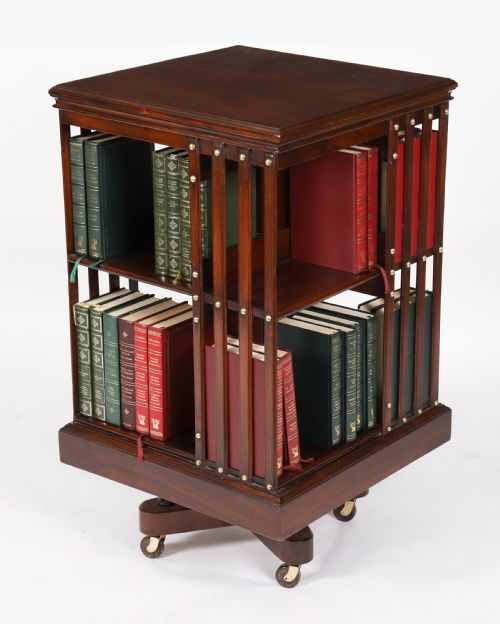
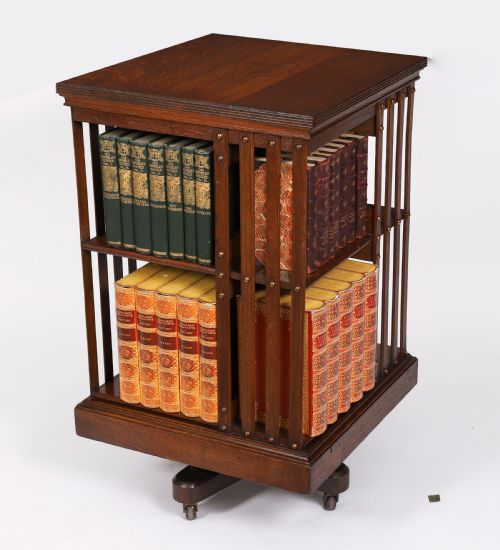


Antique Book Carousel
An antique book carousel is a rotating bookcase that brings volumes within reach, combining practical storage with smooth tabletop engineering.
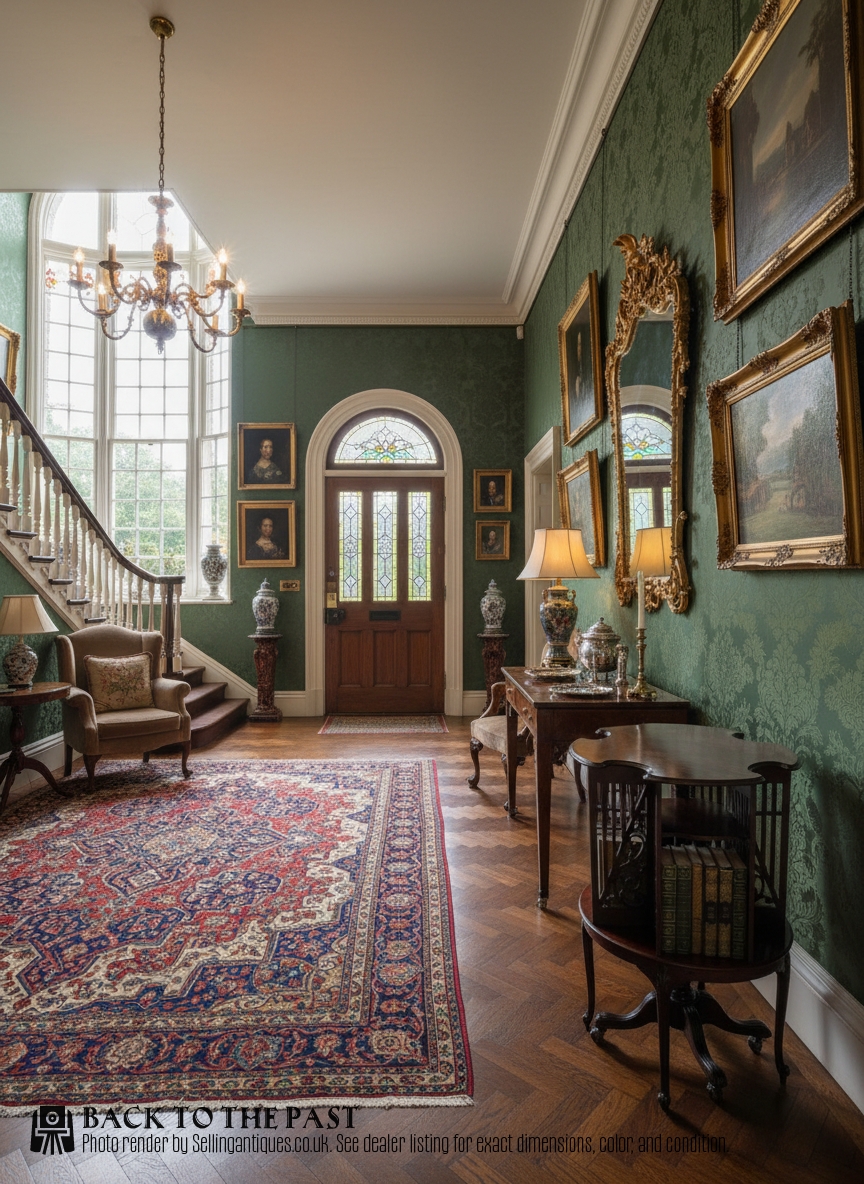
Antique Book Carousel
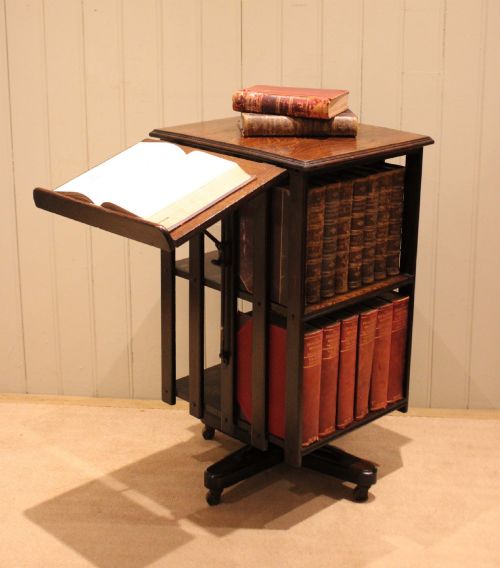
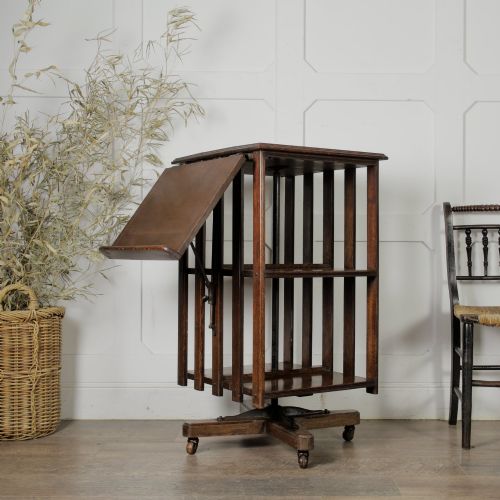
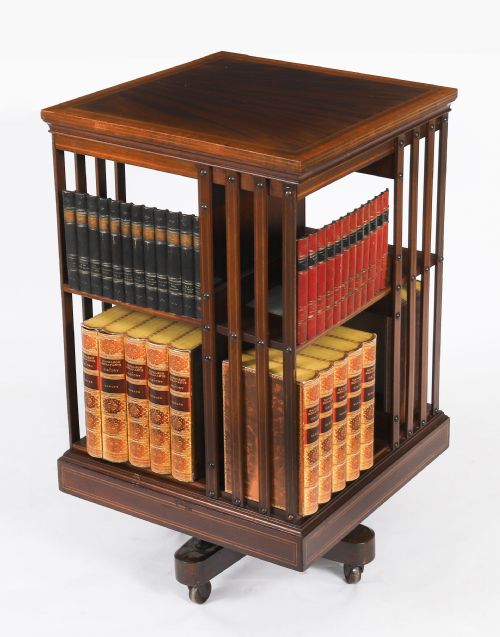
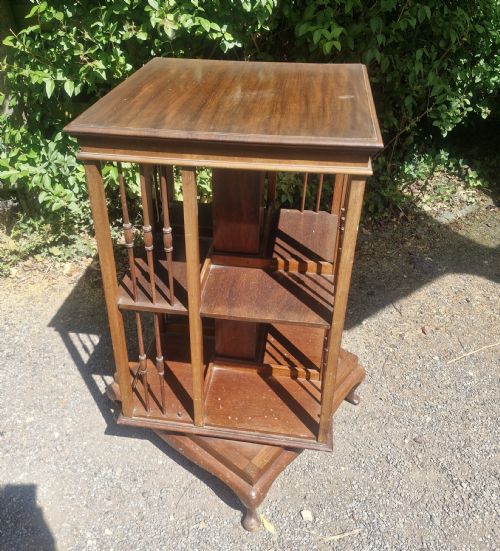
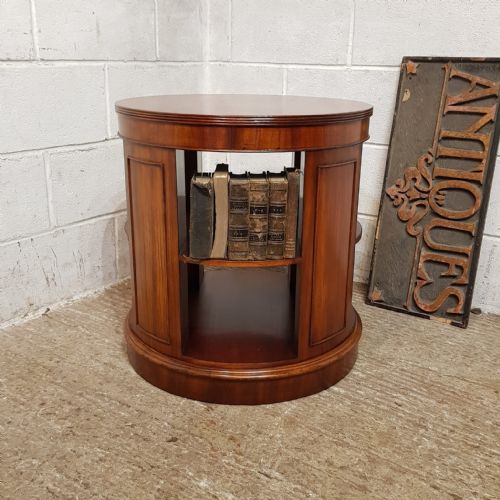
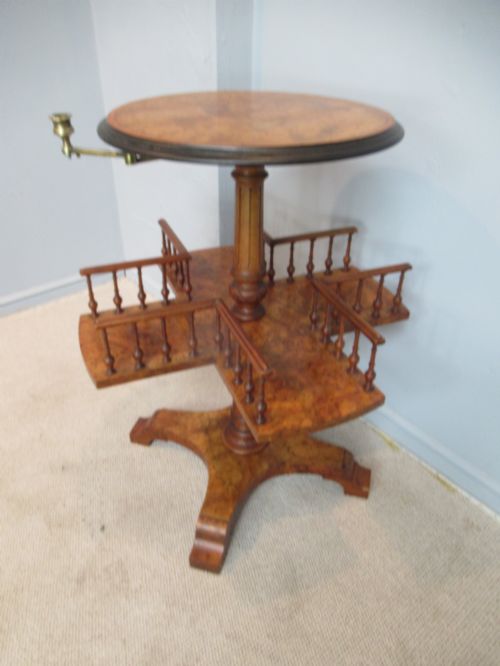
The search for an antique book carousel brings up revolving bookcases from the late Victorian and Edwardian periods. These compact units sit on tables or floors, allowing readers to access a collection of books from a single seated position.
Most examples found here date from the Edwardian era or around 1900, with occasional pieces from the late Victorian period of 1890. They take the form of freestanding or tabletop bookcases designed to turn effortlessly on a hidden mechanism.
Makers of the period constructed these rotating bookcases primarily as functional library furniture for studies and drawing rooms. The revolving bookcase format solved the problem of housing dictionaries and reference books in confined spaces.
Construction and materials
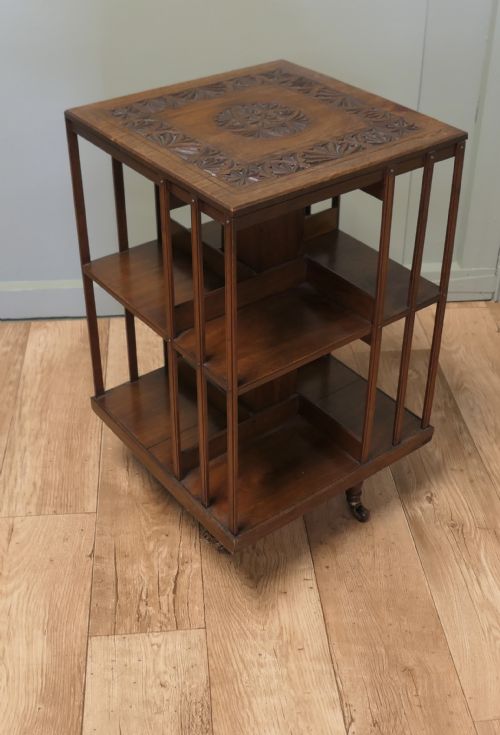
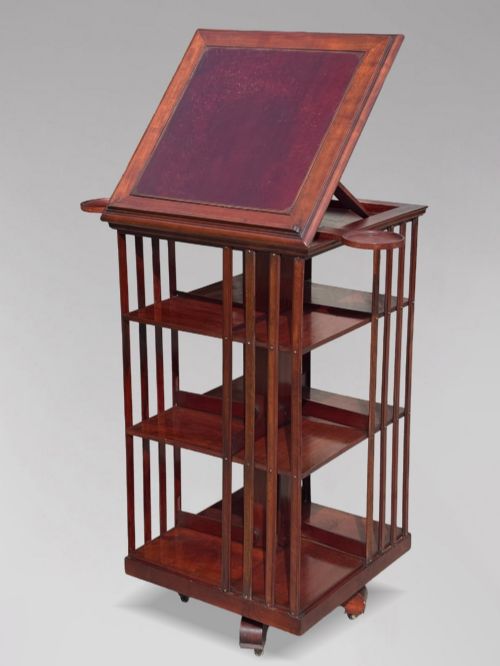
Cabinetmakers utilised solid oak, walnut, and various cuts of mahogany, including flame mahogany, to build the outer frame and slatted sides of each carousel. Timber selection dictated the visual weight and grain pattern of the finished piece.
Makers integrated brass elements and cast iron mechanisms within the base to support the weight of heavy volumes while ensuring a smooth, balanced rotation. Inlays in satinwood and boxwood frequently decorated the top surfaces of finer models.
Antique Book Carousel Retail Price Guide 2026
Typical asking prices for book carousel among the pieces listed under this phrase on Sellingantiques today, from the lower quarter to the upper quarter. They describe what is for sale here now, not the wider market.
Victorian readers relied on these spinning towers so heavily that stationary armchairs risked becoming permanently stranded out of reach.
Assessing quality
Quality rests in the smoothness of the revolving action and the stability of the central pivot under a full load of books. Finer models employ robust iron and brass underpinnings that prevent wobbling as the tiers turn.
Material selection separates standard production from superior pieces, with flame mahogany veneers, satinwood banding, and boxwood stringing marking out the more ambitious workshops of the period.
Heals
The Antique Book Carousel Glossary
- Revolving bookcase
- A rotating shelving unit designed to spin on a central pivot for easy book selection.
- Flame mahogany
- A distinct timber veneer featuring a flamelike grain pattern prized by cabinetmakers for decorative surfaces.
- Satinwood
- A durable, yellowish timber utilised for contrasting stringing and geometric inlay work on Edwardian furniture.
- Boxwood
- A dense, pale wood employed for fine stringing lines and delicate detailing around table and bookcase edges.
- Cast iron
- A sturdy metal used for internal pivot mechanisms and weight-bearing components hidden beneath the wooden frame.
Antique Book Carousel: Frequently Asked Questions
How do I maintain the revolving mechanism?
Keep the internal pivot clean and free from dust. A light application of appropriate lubricant helps maintain a smooth rotation.
Avoid applying heavy oils directly to exposed timber surfaces near the mechanism. Regular gentle turning prevents the pivot from settling stiffly into one position.
Where were these pieces used?
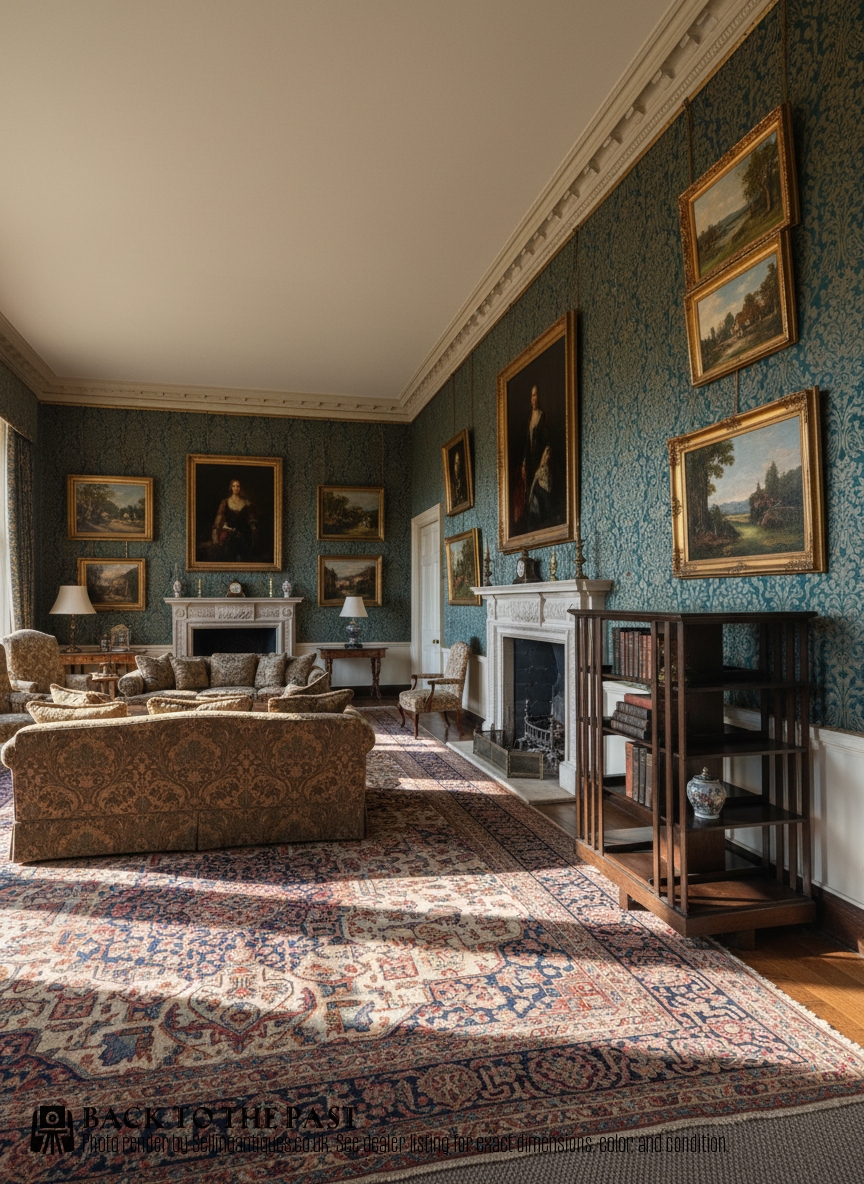
Owners placed these rotating bookcases beside armchairs, on top of libraries desks, or in corners of studies. Their compact footprint suited rooms where floor space was at a premium.
The design allowed readers to sit in one spot and consult multiple reference volumes simply by spinning the shelves towards them.
How do I date an Edwardian carousel?
Examine the timber species, construction joints, and decorative inlays such as satinwood and boxwood. Edwardian examples often display lighter wood tones and refined proportions compared to earlier Victorian furniture.
Makers' stamps or labels, when present, provide a direct indication of the workshop and year of production.
Can these hold heavy books?
The internal cast iron and brass framing is engineered to bear the weight of standard volumes. Distributing heavy books evenly across the sections ensures balanced rotation.
Overloading a single side places uneven strain on the pivot mechanism and can cause the rotation to wobble.