




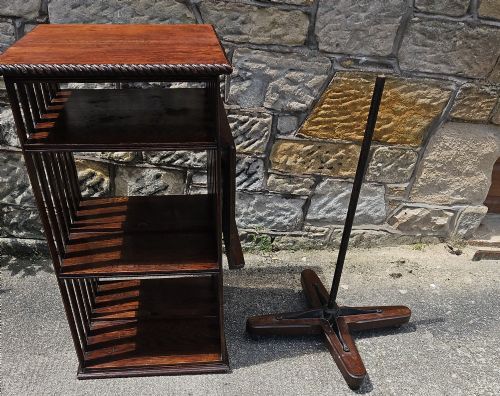
Edwardian Revolving Bookstand
An edwardian revolving bookstand keeps volumes within reach on a central pivot.
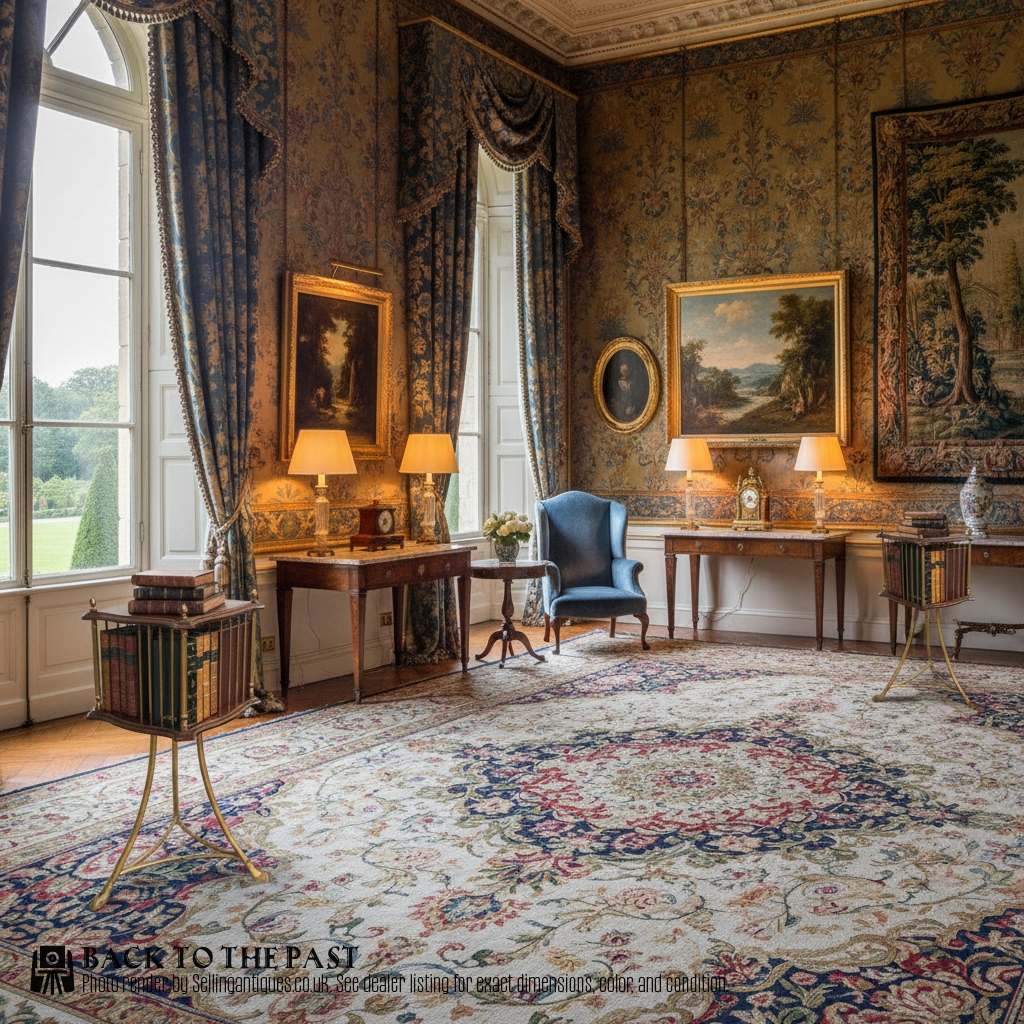
Edwardian Revolving Bookstand
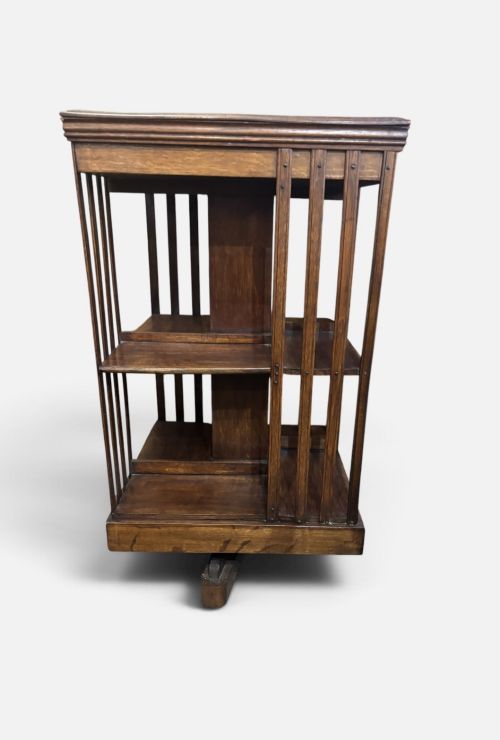
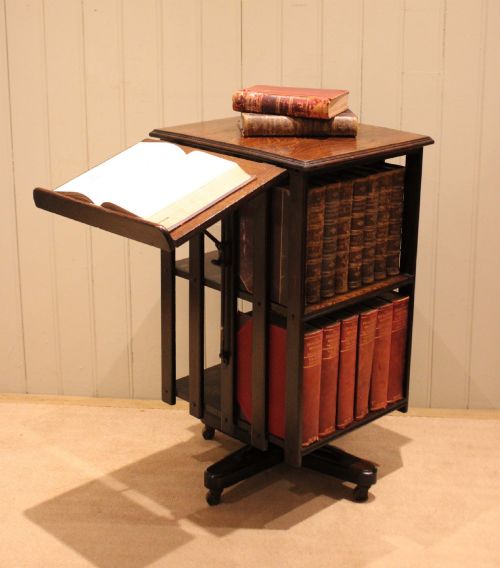
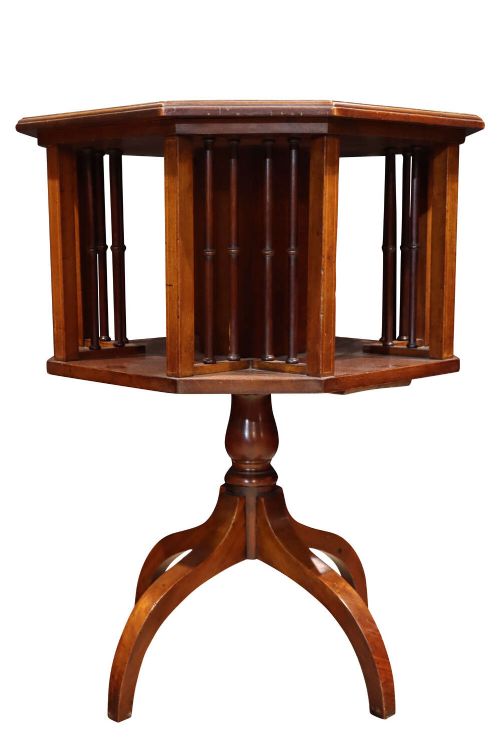
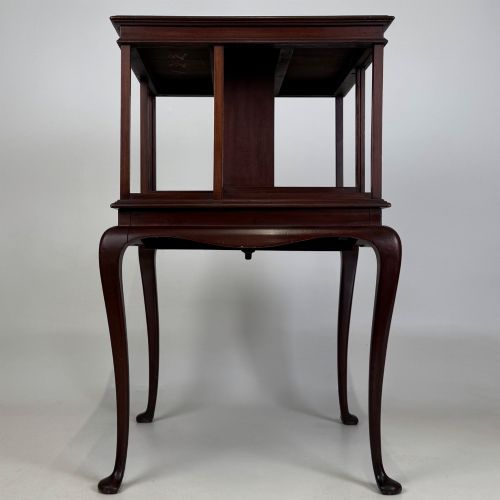
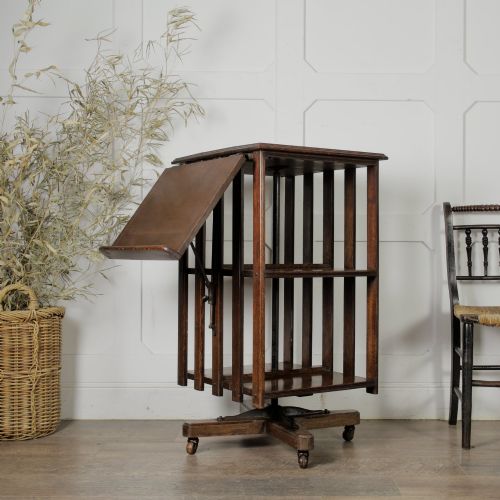
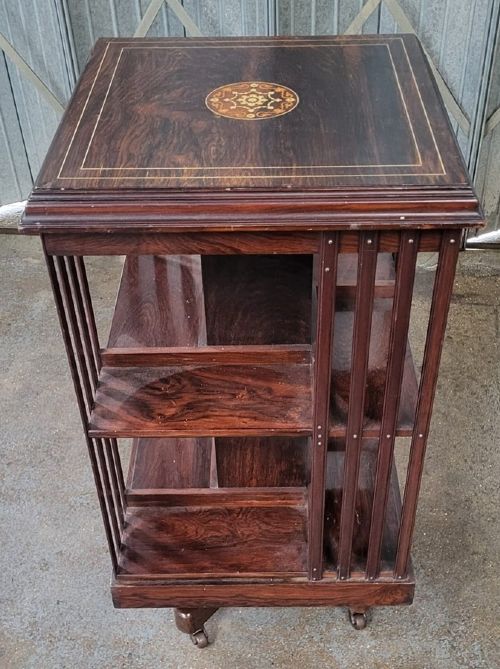
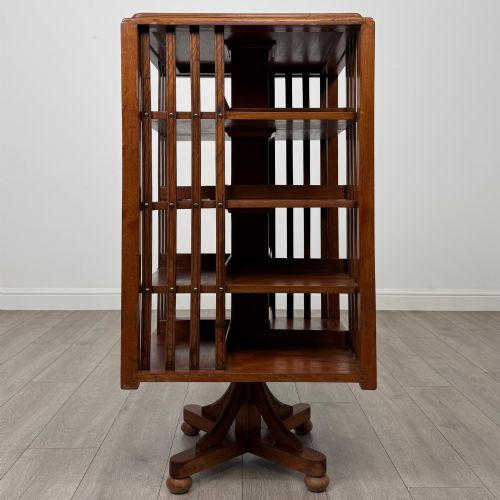
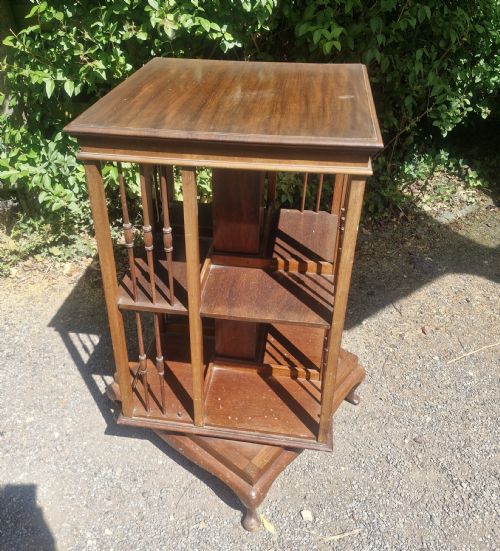
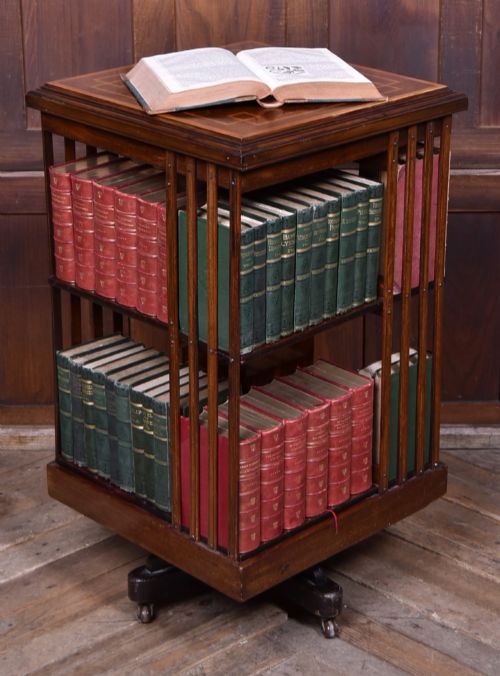
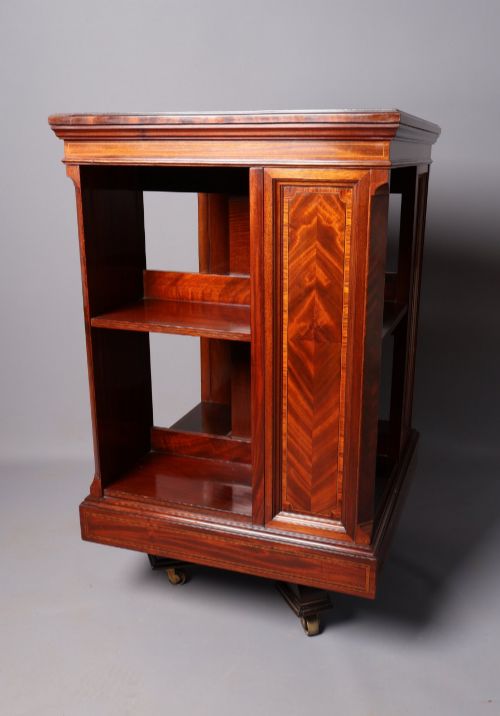
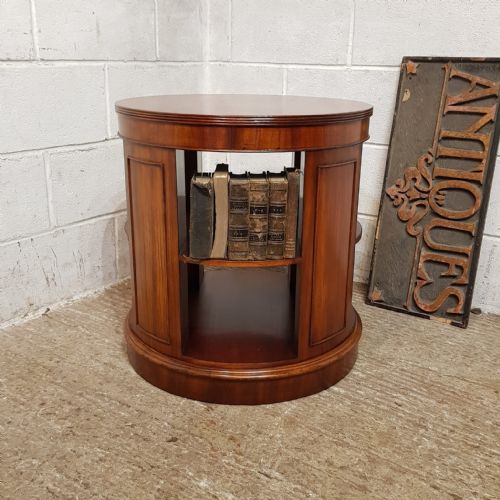
An edwardian revolving bookstand is a rotating piece of furniture designed to hold multiple books upright within easy reach of a desk or armchair. These pieces appear in forms that range from low table models to taller standing bookcases.
The versions most commonly met on this page date from the Edwardian period and late Victorian era. They serve both functional desk storage and display purposes in studies and libraries.
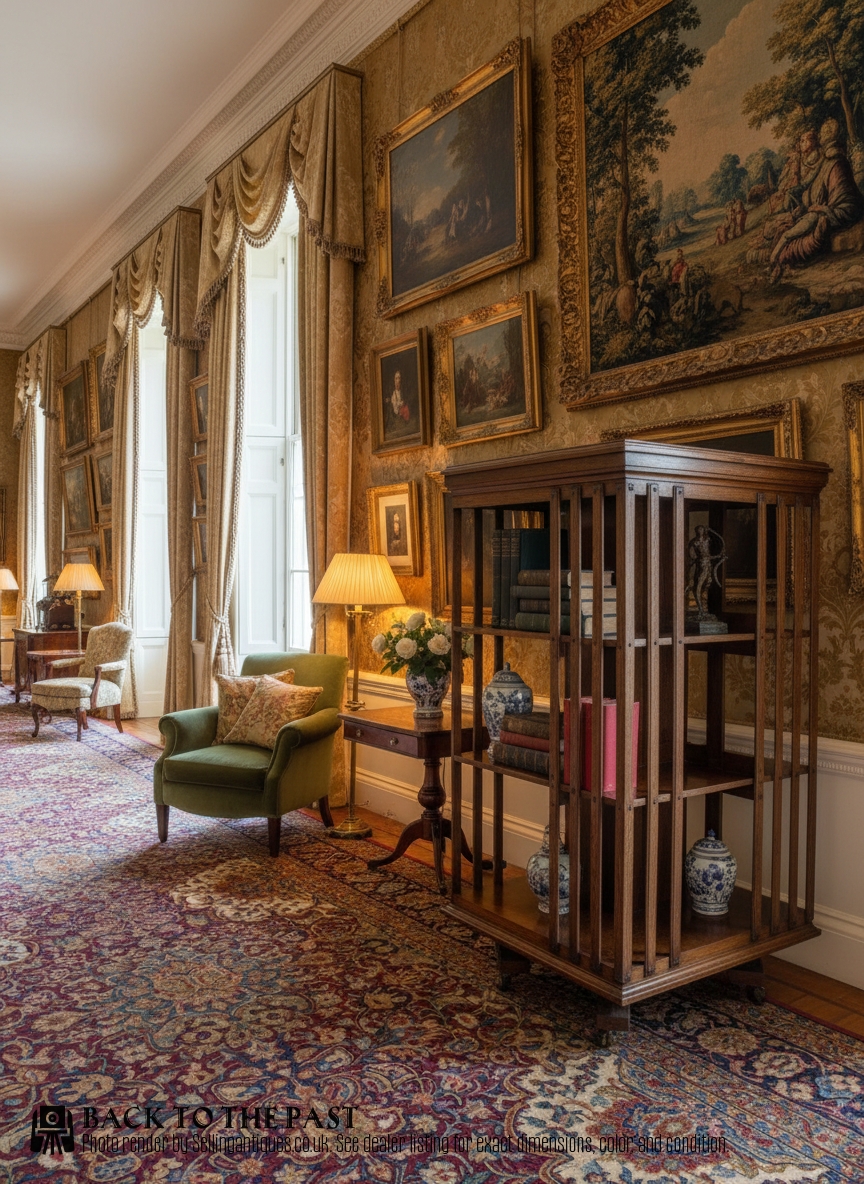
How they were made
These items are constructed from timbers such as mahogany and solid oak, chosen for durability and grain pattern. The primary wood forms the shelves and slatted or panelled sides that keep volumes secure.
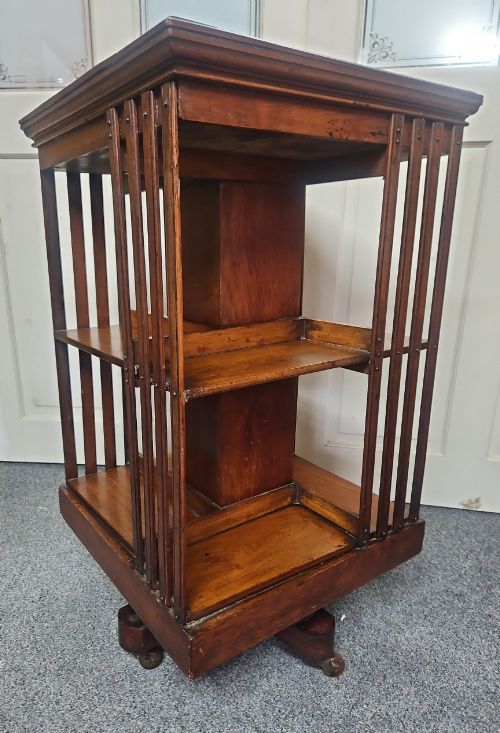
Internal mechanisms incorporate brass, cast iron, and iron components to enable smooth rotation on a central spindle. Metal fixings support the weight of heavy books while allowing the entire structure to turn freely.
Edwardian Revolving Bookstand Retail Price Guide 2026
Typical asking prices for edwardian revolving bookstand among the pieces listed under this phrase on Sellingantiques today, from the lower quarter to the upper quarter. They describe what is for sale here now, not the wider market.
Every bookstand relies on a hidden metal pivot to let you browse an entire library with a gentle spin.
What varies in quality
Quality separates simple utility pieces from finer examples through the choice of timber and the stability of the revolving mechanism. Solid oak and well-figured mahogany signify a higher grade of construction than plain secondary woods.
The engineering of the internal pivot determines the smoothness and balance of the turn. A robust iron or brass mechanism prevents wobbling and ensures the bookcase remains stable under a full load of books.
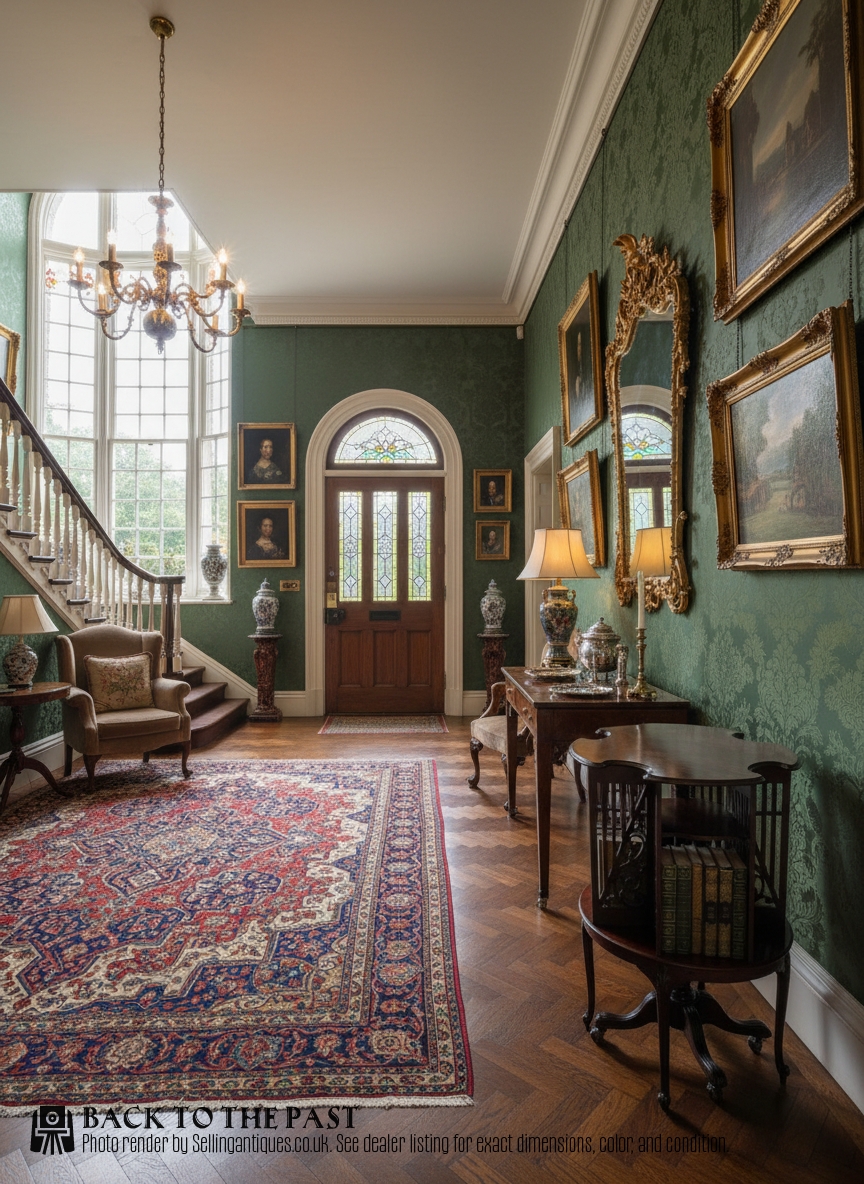
The Edwardian Revolving Bookstand Glossary
- Edwardian
- Pertaining to the reign of King Edward VII, spanning from 1901 to 1910, though the style often encompasses pieces made slightly either side of those dates. Furniture from this period frequently exhibits lighter proportions than preceding Victorian designs.
- Mahogany
- A durable, reddish-brown tropical hardwood prized for its rich grain and stability. It was a primary material for better quality case furniture of the period.
- Oak
- A hard, heavy timber with prominent growth rings, used in both solid and veneered forms. Solid oak varieties offer substantial weight and rugged utility.
- Revolving mechanism
- The internal pivot and bearing assembly that allows the bookcase to turn on its base. This hardware typically utilises brass and iron components to bear the rotational load.
Edwardian Revolving Bookstand: Frequently Asked Questions
How do I use a revolving bookstand?
Place the bookstand beside a desk, armchair, or in the corner of a room where frequent access to reference books or novels is needed.
Simply turn the body of the case on its central pivot to bring the required volume to the front without needing to move your seat.
What woods were used for these bookcases?
Makers of this period relied primarily on mahogany and solid oak for the construction of these rotating stands.
These timbers provided the necessary structural strength and weight to prevent tipping when loaded with books on one side.
How do I tell Victorian from Edwardian stands?
Late Victorian examples generally date from around 1890 and often feature denser, heavier proportions in the timber.
Edwardian pieces tend to display slightly lighter framing while utilising similar mahogany and oak materials.
What metal parts are inside the stand?
The internal rotating mechanism incorporates brass, iron, and cast iron components to support the weight of the turning structure.
These hidden metal parts provide the durability required for smooth daily rotation over decades of use.