


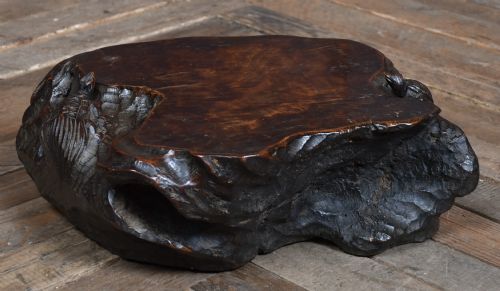



Antique Bonsai Stand
An antique bonsai stand elevates a miniature tree to display its form, drawing upon centuries of fine woodwork and stone setting.
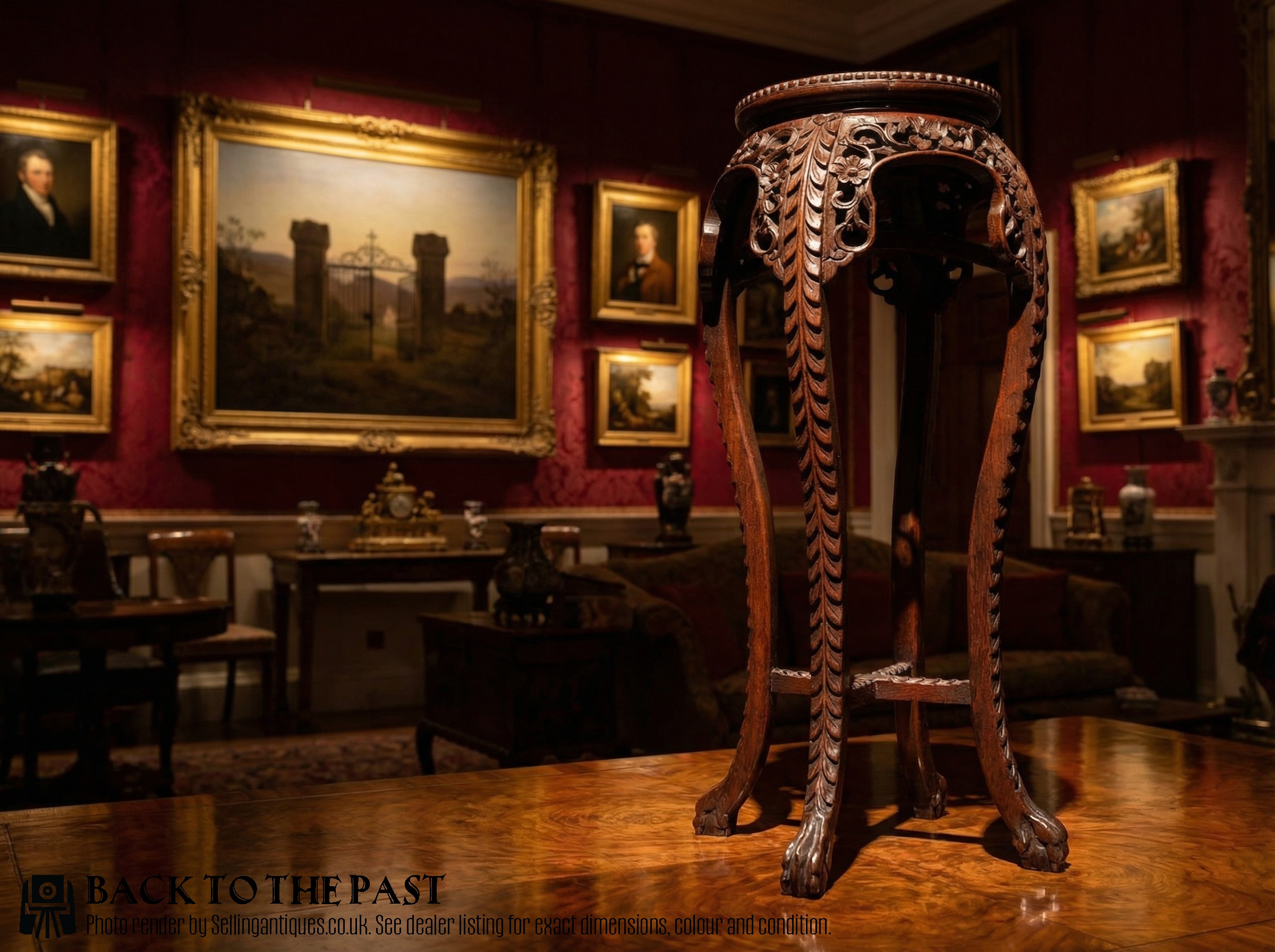
Antique Bonsai Stand
An antique bonsai stand serves as a diminutive platform for a plant, pot or vase, designed with low profiles and stable bases. Buyers seeking an antique bonsai stand encounter pieces originating from nineteenth century China and Japan, spanning periods such as the Qing Dynasty and the Meiji period.
Forms include low tables, plant stands, jardiniere stands, and occasional tables intended to present natural specimens. These objects reflect various stylistic traditions from Chinese export workshops to Arts and Crafts sensibilities.
Dimensions range from small coffee tables and Kang tables to pedestal displays, adapted specifically for the domestic presentation of potted plants. The construction mirrors the scale required to frame foliage and ceramic containers deliberately.
Materials and construction methods
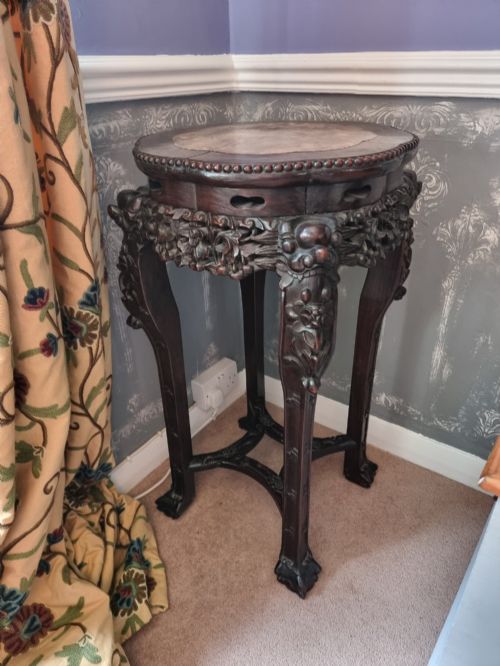
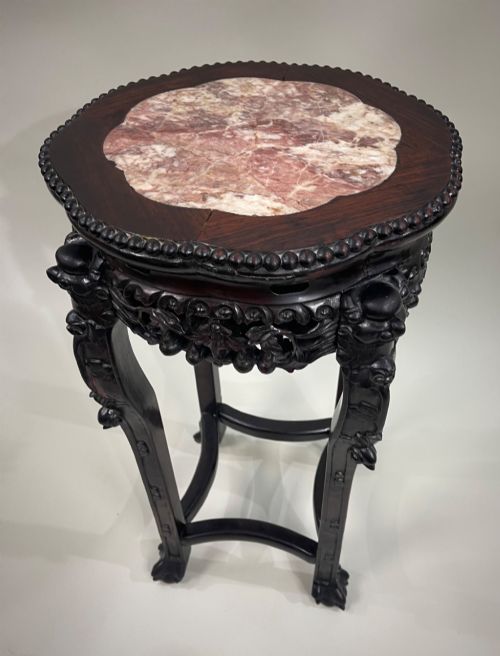
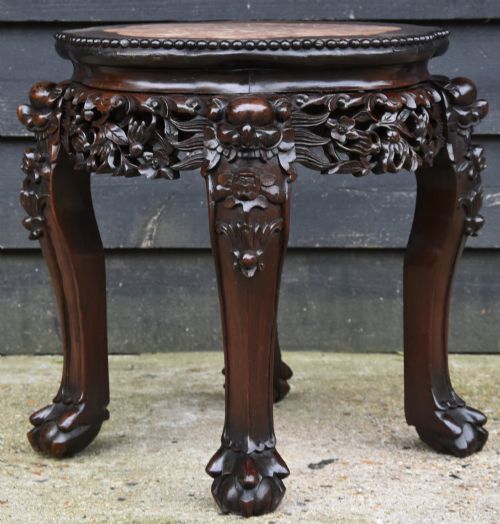
Maker workshops utilised dense hardwoods including rosewood, padouk, hongmu, huali wood, and ebonised timber to bear weight without warping. These timbers undergo hand carving into elaborate aprons and legs, often integrating shaped forms.
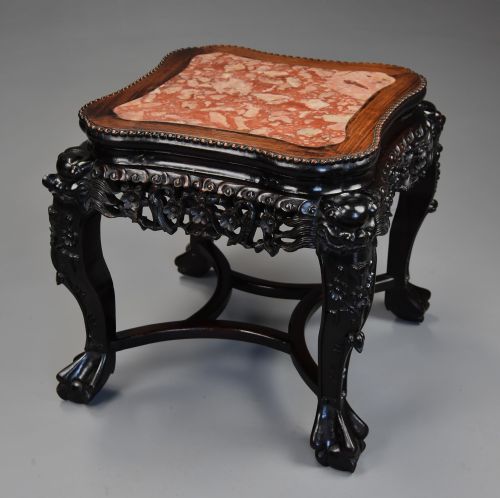
Many examples incorporate inset marble panels into the top surface, providing a cool, stable platform for wet pots and vases. Joinery relies on traditional framing techniques that accommodate natural wood movement over decades of use.
Antique Bonsai Stand Retail Price Guide 2026
Typical asking prices for bonsai stand among the pieces listed under this phrase on Sellingantiques today, from the lower quarter to the upper quarter. They describe what is for sale here now, not the wider market.
Assessing craftsmanship and finish
Quality rests in the crispness and depth of the hand carving across the hardwood frames and aprons. Superior pieces display harmonious proportions where the weight of the timber matches the scale of the top.
The integration of the inset marble top dictates the grade of the piece, with tightly fitted stone showing natural veining without gaps. Finish consistency across dense rosewood or hongmu indicates the level of original workshop care.
Liberty of London
The Antique Bonsai Stand Glossary
- Hardwood
- Dense, slow growing timber such as rosewood or padouk selected for durability and dark colour. These woods permit intricate carving without splintering.
- Jardiniere stand
- A tall or low table designed explicitly to hold a ceramic plant pot or flower vessel. The top surface typically accommodates water and heavy ceramic weights.
- Kang table
- A low domestic table originating from Chinese domestic architecture, often adapted for displaying plants and decorative objects. They feature short legs and shaped aprons.
- Hongmu
- A traditional Chinese term denoting red or purple hardwoods used in fine furniture production. The material takes a high polish and resists humidity.
- Padouk
- A heavy, stable tropical timber showing reddish brown tones that darken with age. It is frequently employed in nineteenth century stands.
Antique Bonsai Stand: Frequently Asked Questions
What is an antique bonsai stand used for?
These low tables and plant stands elevate potted plants, miniature trees, and ceramic vases to a viewing height. They provide a stable, decorative platform within domestic interiors.
Historically, they framed natural specimens in scholar rooms and reception spaces, allowing viewers to appreciate the balance of trunk, pot, and timber.
How do I distinguish Chinese from Japanese stands?
Chinese stands frequently utilise dense hardwoods like hongmu and rosewood with heavy, formal carved motifs. Japanese examples from the Meiji or Taisho periods often display simpler, linear aesthetic treatments.
Examining the underlying timber selection and carving depth clarifies the regional workshop traditions of the nineteenth and early twentieth centuries.
Why do some stands have marble tops?
Inset marble panels provide a durable, waterproof surface that resists moisture damage from watering potted plants. The cool stone also creates a textural contrast against dark hardwoods.
This construction method supported heavy ceramic jardiniere pots without staining or warping the wooden frame beneath.
Where should I place a stand at home?
Position these low tables near natural light where small plants or decorative objects receive direct visibility. Their modest scale suits placement beside seating or on larger cabinets.
Avoid locations subject to extreme temperature fluctuations that might affect nineteenth century timber and traditional joinery.