

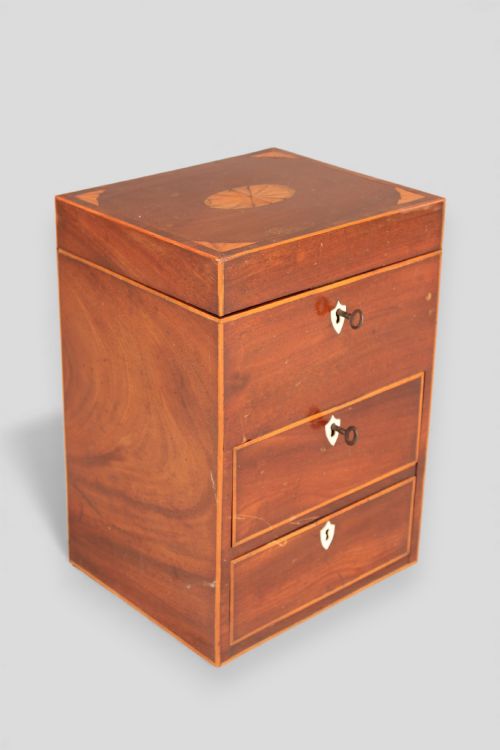


Antique Bone Marquetry Chest
An antique bone marquetry chest brings tactile warmth and intricate surface pattern to any interior.
Antique Bone Marquetry Chest
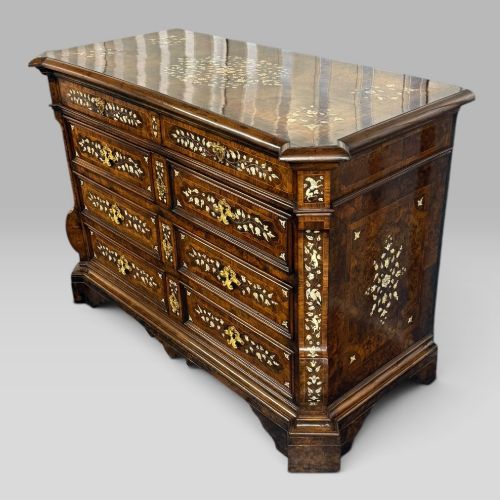
An antique bone marquetry chest combines substantial timber carcases with detailed geometric or figurative bone decoration. Pieces span from the seventeenth century through to the twentieth century, encompassing regional workshops across Europe and the Ottoman world.
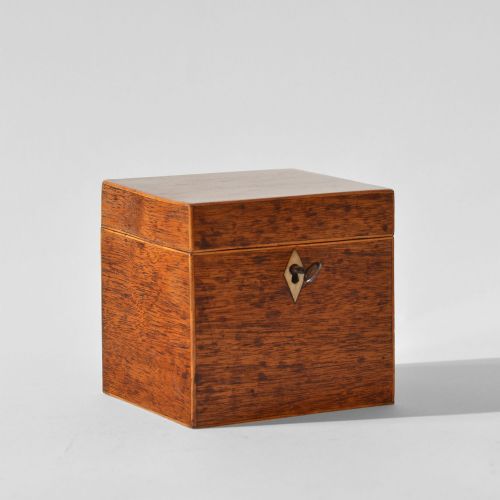
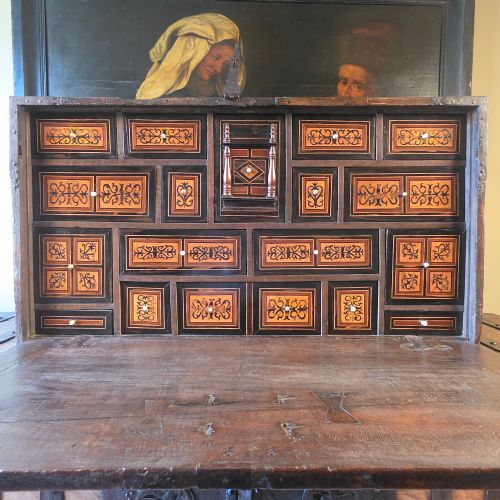
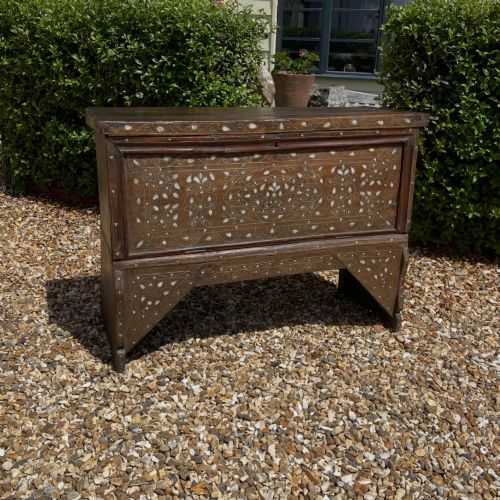
Buyers frequently encounter smaller tabletop examples, such as tea caddies, apothecary boxes, and decorative caskets, alongside larger floor-standing chests and cabinets on stands. These works display diverse stylistic influences, ranging from Italian Baroque and Renaissance Revival to Syrian Ottoman traditions.
The most common forms on this page include tabletop caskets and multi-drawer cabinets, featuring contrasting panels of bone set into walnut, mahogany, fruitwood, and ebony. Each piece reflects the specific decorative vocabulary of its geographic origin and period.
Materials and construction
Craftsmen built the underlying structures using dense hardwoods like walnut, mahogany, and fruitwood, which provided stable foundations for intricate surface decoration. Thin sections of animal bone were shaped, engraved, and meticulously fitted into recessed channels carved into the wood.
Makers often enhanced the geometric patterns by combining bone with contrasting materials such as mother-of-pearl, ebony, and metal stringing. Natural glues secured each individual inlay piece tightly within the timber ground before final smoothing and polishing.
Antique Bone Marquetry Chest Retail Price Guide 2026
Typical asking prices for bone marquetry chest among the pieces listed under this phrase on Sellingantiques today, from the lower quarter to the upper quarter. They describe what is for sale here now, not the wider market.
Listings span from the seventeenth century through the twentieth century, featuring bone, walnut, mahogany, fruitwood, and mother-of-pearl across multiple regional styles.
Distinctions in quality
Quality rests primarily on the precision of the inlay work and the complexity of the engraved detail across the timber surface. Superior examples demonstrate tight joints between the bone tesserae and the surrounding wood, with minimal use of filler.
The sophistication of the overarching design, whether Italian Baroque architectural motifs or Ottoman geometric interlacing, dictates the standing of a piece. Better workshops employed finer engraving on the bone elements and selected richer secondary woods like ebony and fruitwood to heighten visual contrast.
The Antique Bone Marquetry Chest Glossary
- Marquetry
- A technique where small pieces of material are applied to a wooden structure to form decorative patterns. This method allows for intricate pictorial or geometric surface designs.
- Bone inlay
- The practice of embedding thin sections of carved bone into a wooden carcase. Artisans shape the bone to create pale highlights against darker woods.
- Casket
- A small decorative box or chest used for storing valuables or precious items. These objects often feature elaborate surface decoration and secure locking mechanisms.
- Fruitwood
- Dense timber derived from fruit-bearing trees such as pear or apple, frequently utilised in marquetry for its fine grain and stable working properties.
- Commode
- A low freestanding chest of drawers introduced during the seventeenth century. Such furniture pieces provide generous storage while displaying sophisticated veneering and inlay.
Antique Bone Marquetry Chest: Frequently Asked Questions
How do I clean a bone inlay surface?
Dust gently with a dry, soft cloth to prevent particles from settling into the engraved lines of the bone. Avoid using liquid cleaners, chemical polishes, or damp cloths, as moisture damages both the historical adhesive and the porous bone material.
Keep the piece away from direct sunlight and fluctuating radiator heat to prevent the wood foundation from shrinking and causing the delicate bone inlays to lift.
Were these chests meant for travel?
Most surviving examples served as stationary domestic containers for tea, documents, or precious personal items kept inside secure rooms. Smaller caskets occasionally accompanied wealthy travellers, but their delicate inlaid surfaces made them primarily decorative objects for tabletop display.
Larger cabinets and trunks remained in fixed positions within grand interiors, acting as focal points for storage and the display of craftsmanship.
How do I distinguish seventeenth-century work?
Seventeenth-century pieces typically display heavier structural timbers, robust joinery, and distinct regional motifs associated with Baroque or Ottoman aesthetics. The engraving on the bone tends to be deeply incised and filled with dark pigment to emphasise the linear design.
Examination of the interior construction and secondary woods provides further clues regarding the period of manufacture, distinguishing earlier hand-worked carcases from later revivals.
What woods appear alongside the bone?
Walnut and mahogany form the primary structural carcases for many examples across the seventeenth and eighteenth centuries. Fruitwood and ebony frequently appear in the surrounding marquetry to create strong tonal contrasts against the pale bone.
Mother-of-pearl and metal elements also join the surface composition in specific Syrian and European traditions, adding iridescent highlights to the geometric patterns.