


Collectors Cabinet on Stand
When you search for a collectors cabinet on stand, you are looking for elevated furniture designed to hold small treasures.
Collectors Cabinet on Stand
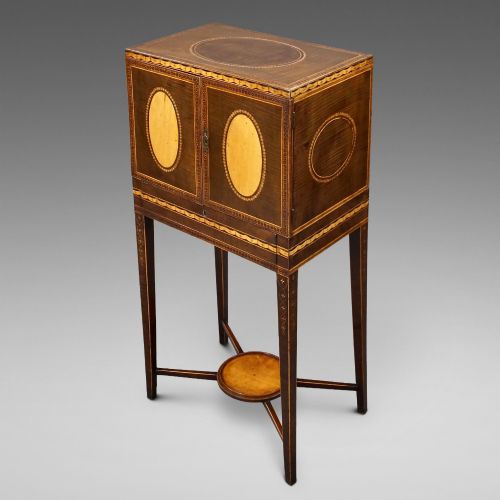
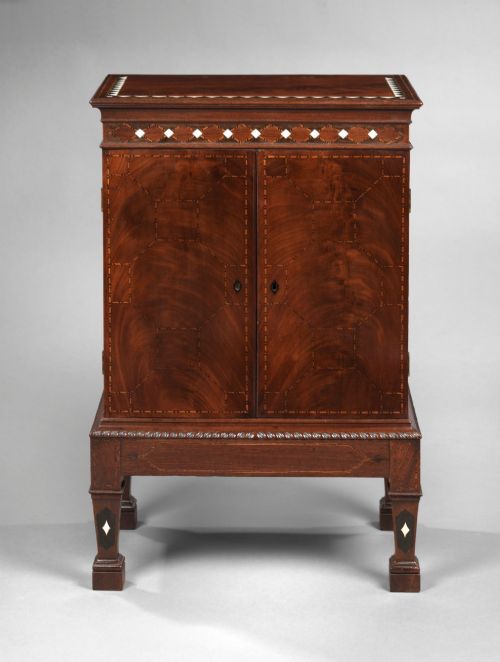
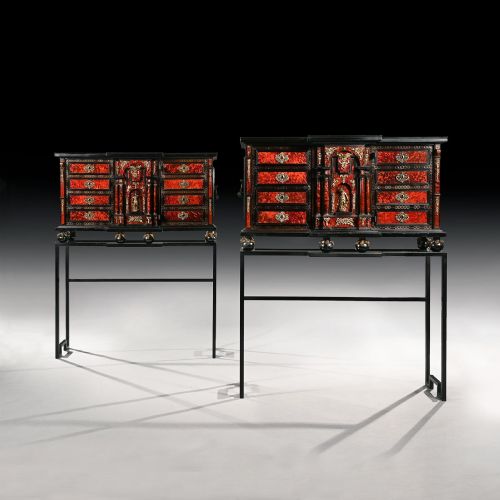
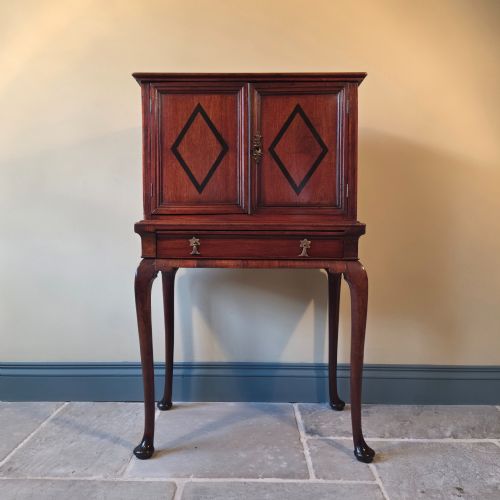
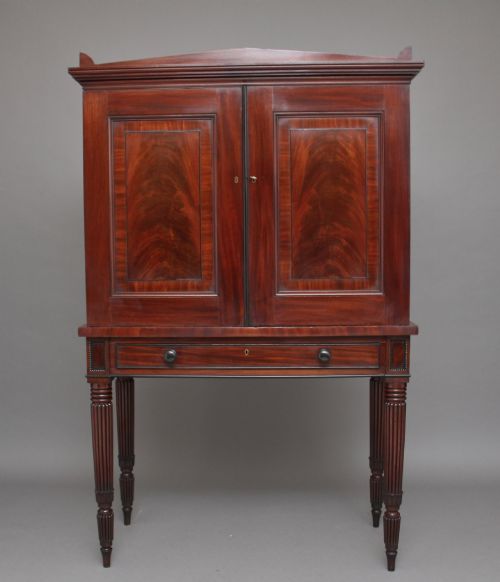
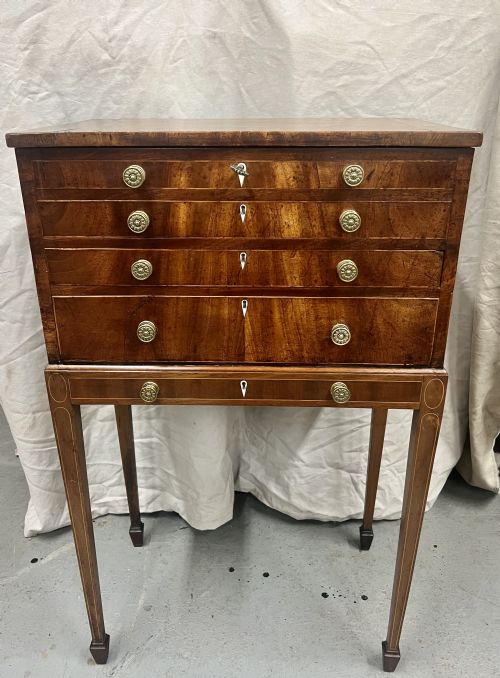
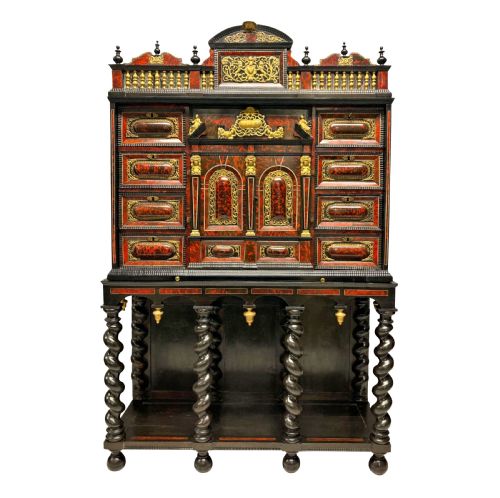
A collectors cabinet on stand combines an enclosed cabinet or chest with a matching base or stand, raising the storage compartment off the floor. These pieces range from seventeenth-century walnut and tortoiseshell examples to later mahogany and japanned variants.
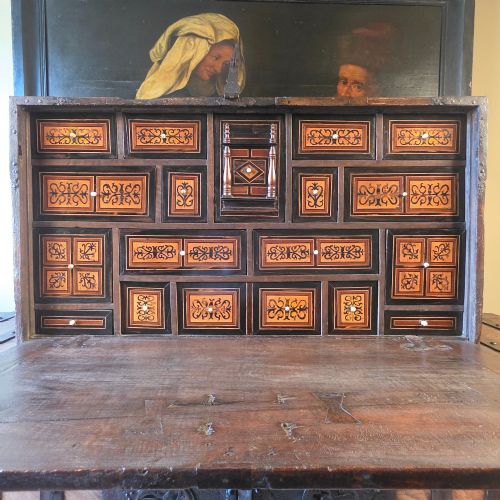
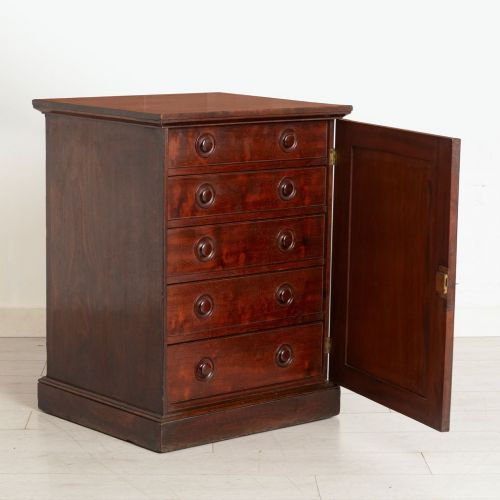
The form exists to display or conceal specialised items such as medals, shells, coins, or folios. Many feature internal tiers of small drawers behind locking doors.
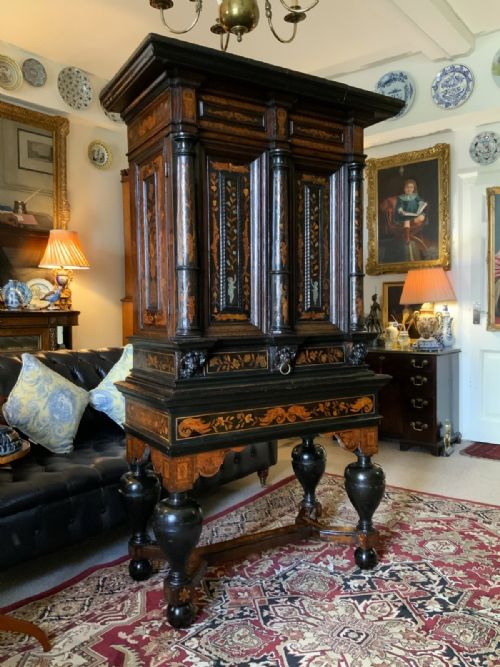
Examples span several centuries, with seventeenth-century baroque versions sitting alongside Georgian, Regency, and early twentieth-century interpretations.
How they were made
Cabinetmakers utilised dense hardwoods such as mahogany, walnut, and oak as structural timbers, often applying decorative veneers like oyster cutouts, kingwood, or harewood to the exterior surfaces.
Surface decoration frequently involved intricate marquetry, pewter inlay, bone details, penwork, or japanned lacquer work applied by specialist hands.
Secret compartments hidden inside these cabinets kept unexpected treasures safe from prying eyes.
What varies in quality
The grade of execution in the internal drawer construction and veneer selection separates standard workshop production from exceptional pieces. The complexity of the internal configuration, including secret compartments and specialised drawer linings, defines the ambition of the maker.
The preservation of delicate surface mediums such as japanning, penwork, or tortoiseshell dictates the integrity of the piece over time. Original stands and matching mounts contribute significantly to the cohesion and historical value of the cabinet.
Druce of Bakers Street·Standish
The Collectors Cabinet on Stand Glossary
- Oyster veneer
- Slices cut transversely from small branches or roots to create circular patterns resembling oyster shells. This technique appears frequently on seventeenth-century walnut and olive wood surfaces.
- Japanning
- European imitation of East Asian lacquerwork using layered resin finishes and raised metallic decoration. It is often found on eighteenth-century stands and cabinets.
- Vitrine
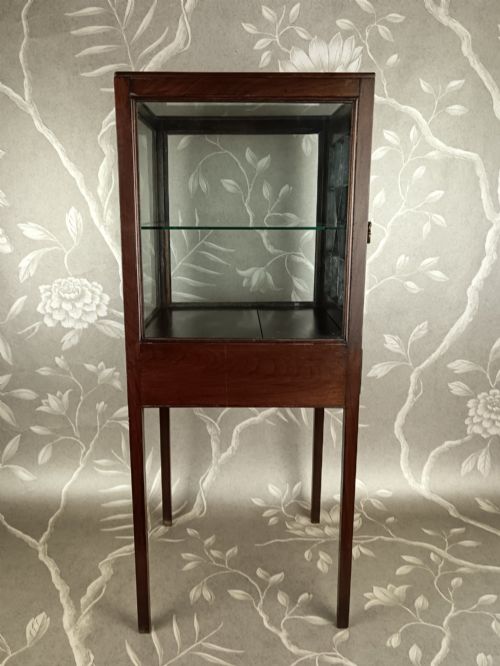
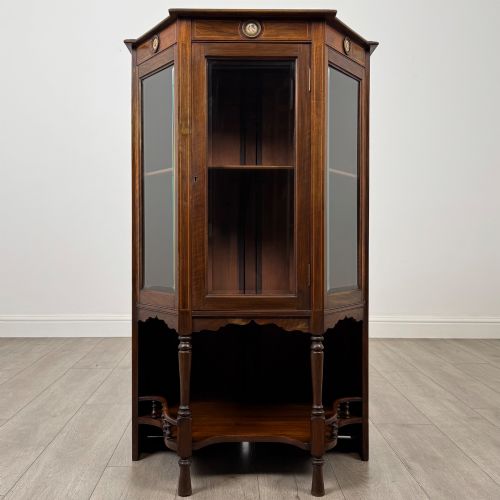
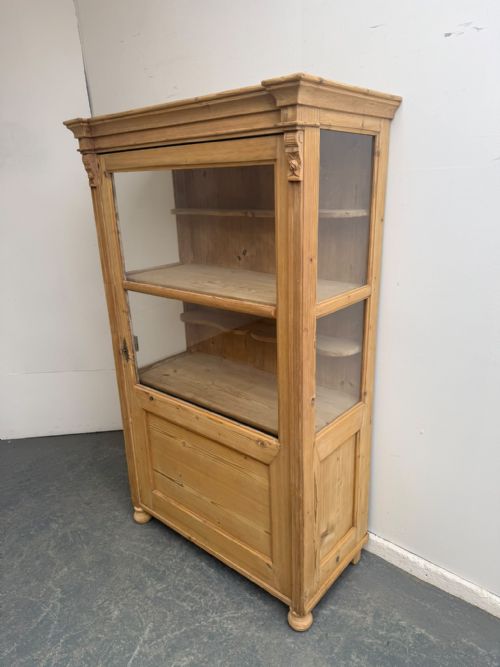
- A glass-fronted display cabinet designed to exhibit delicate objects and curiosities. Glazed panels allow visibility from multiple angles.
- Folio cabinet
- A large storage piece built to hold flat papers, prints, and drawings. These often feature wide, shallow drawers or vertical compartments.
- Bijouterie cabinet
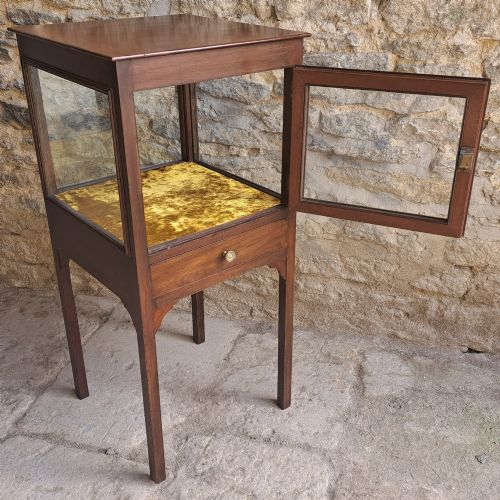
- A tabletop or stand-mounted display case with a glass top and sides, created specifically for jewellery and small precious items.
Collectors Cabinet on Stand: Frequently Asked Questions
What is a collectors cabinet on stand?
A collectors cabinet on stand is a specialised piece of furniture featuring a compartmentalized cabinet elevated on a dedicated base or legs. These items were built to organise and display natural specimens, coins, medals, or precious objects.
The design elevates the storage space to eye level, allowing easy access to the numerous small drawers or display surfaces housed within the main body.
How do I date a cabinet on stand?
Dating relies on examining the secondary timbers, construction methods of the internal drawers, and exterior decorative styles such as oyster veneering, japanning, or Regency penwork. Seventeenth-century examples often feature elaborate tortoiseshell and ebony with heavy stands, while Georgian and Regency pieces favour mahogany and satinwood.
Hardware styles, including brass drop handles and escutcheons, also provide reliable clues to the exact period of manufacture.
Where should I place one in my home?
These compact cabinets suit studies, drawing rooms, or hallways where their detailed veneers and stands can be appreciated up close. Their elevated stance gives them a lighter visual footprint than standard floor-standing chests.
Position them away from direct sunlight and heat sources to protect sensitive surface materials like tortoiseshell, japanned lacquer, and fine wood veneers.