



Antique Bone China Plate
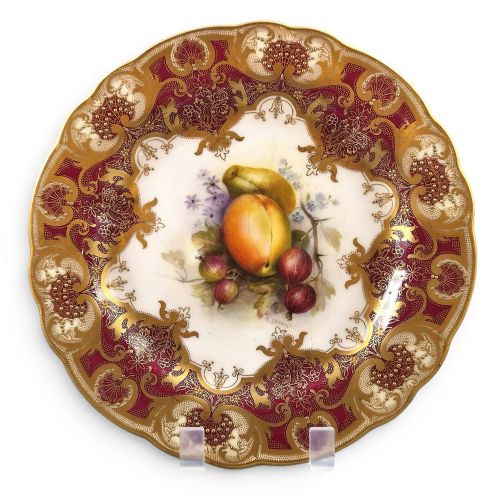
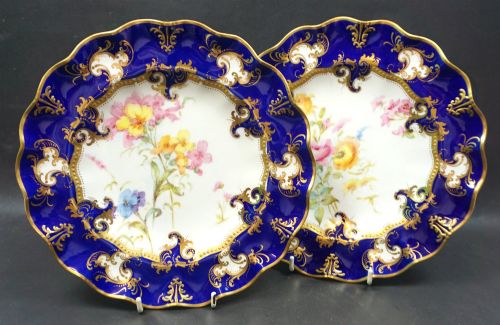
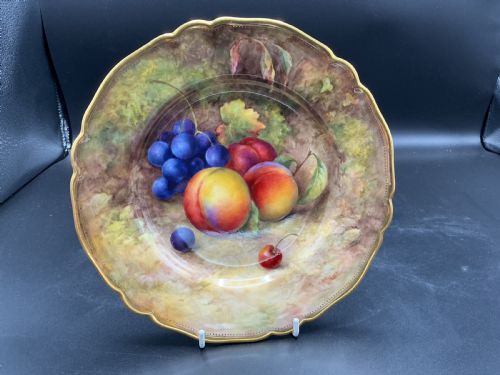
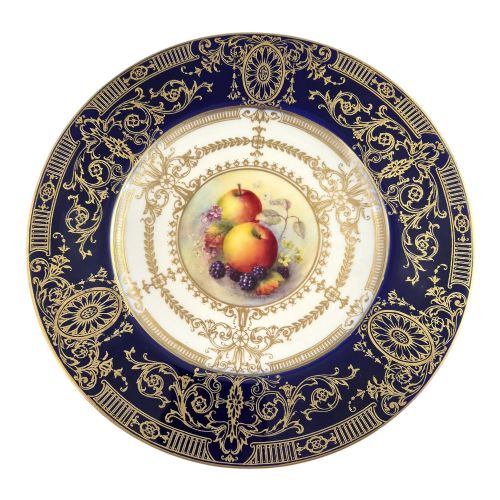
An antique bone china plate carries hand-painted birds, botanical specimens and fruit studies from Georgian, Victorian and twentieth-century English makers.
Antique Bone China Plate
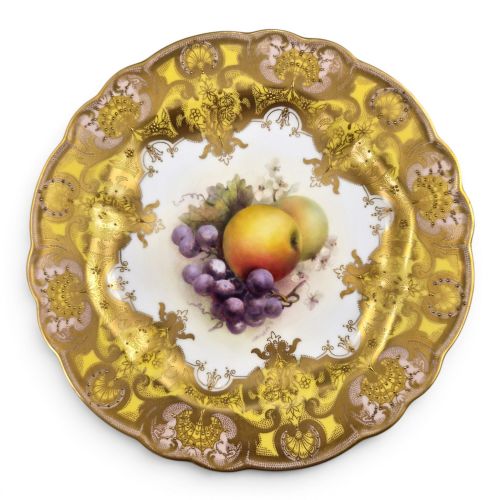
An antique bone china plate represents the pinnacle of English ceramic production, originating across the Georgian, Regency, Victorian, Edwardian and mid-twentieth-century periods. These table wares divide into practical dessert plates, serving dishes and display-focused cabinet plates designed to showcase exceptional botanical or ornithological painting.
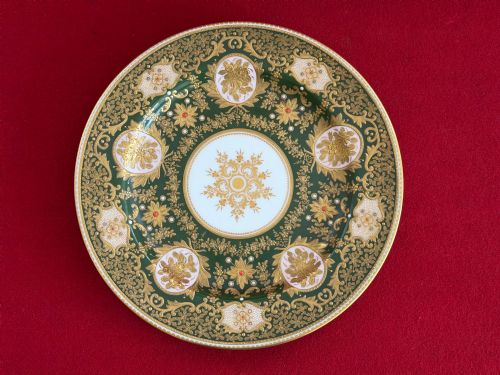
Collectors searching for an antique bone china plate encounter forms ranging from simple basketweave rims to grand armorial dessert services and heavily gilded display pieces. Makers utilise traditional porcelain bodies alongside bone china compositions, often incorporating gilt enamel, enamel highlights and rich cobalt blue underglazes.
The material history spans from early nineteenth-century Regency manufactories through to twentieth-century Royal Worcester fruit-painted cabinet pieces. Pieces frequently emerge as individual cabinet plates or as surviving portions of larger dessert and dinner services.
Materials and production methods
The physical foundation of these items rests upon bone china and fine porcelain bodies, enriched by the application of gold leaf, gilding and gilt enamel details. Potters shape the clay into cabinet plates, soup dishes and serving dishes, employing moulded forms like basketweave alongside smooth circular surfaces.
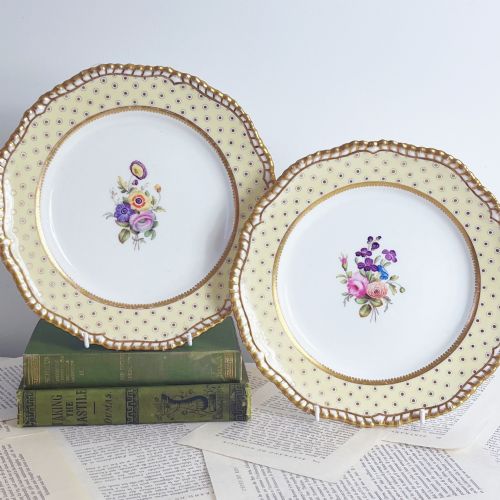
Artisans decorate the dried and fired surfaces using hand-painted pigments, depicting fancy birds, floral studies, armorial crests and botanical specimens. Skilled hands apply intricate gold leaf highlights and borders, sealing the artwork through subsequent kiln firings.
Antique Bone China Plate Retail Price Guide 2026
Typical asking prices for bone china plate among the pieces listed under this phrase on Sellingantiques today, from the lower quarter to the upper quarter. They describe what is for sale here now, not the wider market.
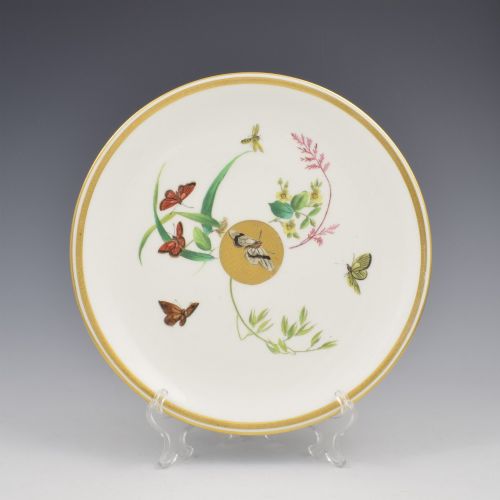
Recorded object types include cabinet plates, dessert services, soup dishes and serving dishes decorated with birds, fruit, and Japanese-inspired styles.
Distinctions in quality and execution
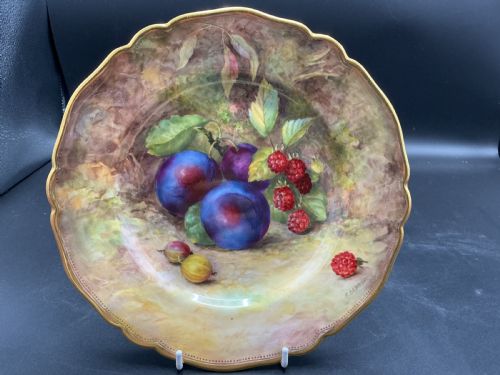
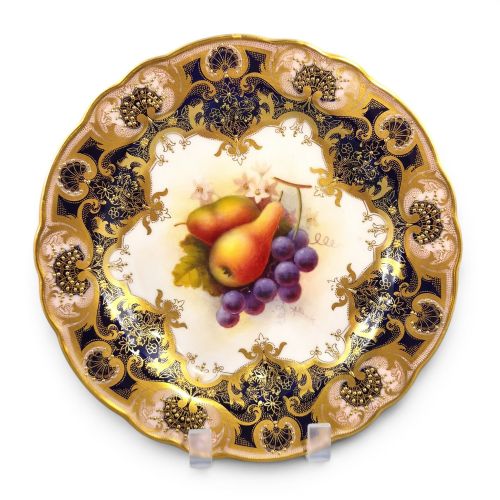
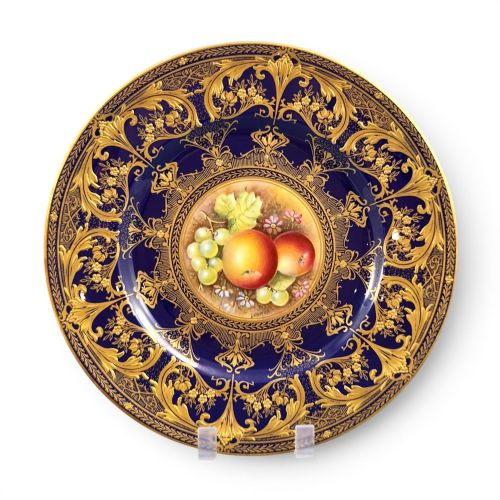
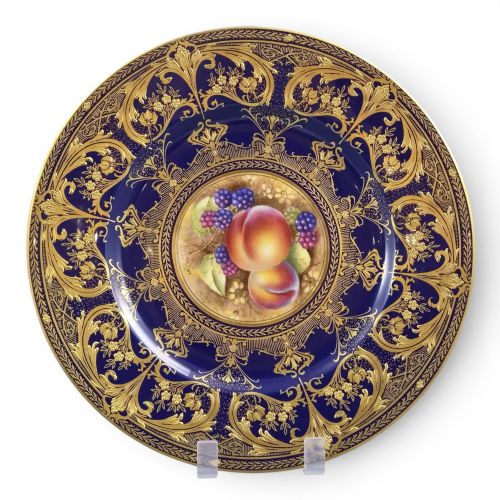
Quality separates through the precision and provenance of the painted decoration, particularly when executed by named artists such as Richard Sebright, Albert Shuck or Thomas Steele. The delicacy of hand-painted fruit, botanical specimens or armorial crests elevates a simple ceramic disc into a significant cabinet work.
The application of gilding and the crispness of the porcelain moulding define the upper tier of production. Pieces commissioned for specific aristocratic houses or royal patronage demonstrate superior ceramic composition and refined aesthetic execution.
Royal Crown Derby·Spode·H and R Daniel·Wedgwood·Royal Worcester·Minton·Royal Doulton·Copeland·Cauldon Ltd·Bloor Derby·Coalport·Barr Flight and Barr·Chamberlain Worcester·Doric China
The Antique Bone China Plate Glossary
- Bone china
- A type of porcelain incorporating bone ash into the ceramic paste, producing a strong, translucent body developed in England. This material forms the primary substrate for fine nineteenth-century cabinet plates.
- Cabinet plate
- A decorative ceramic plate intended for display in a cabinet rather than for dining use. These pieces often feature elaborate hand-painted scenes or rich gilding.
- Armorial
- Bearing a coat of arms or family crest. Plates with armorial decoration were frequently commissioned by landed families.
- Gilt
- Covered thinly with gold leaf or gold paint. Gilding provides rich borders and highlights around painted central motifs.
- Imari style
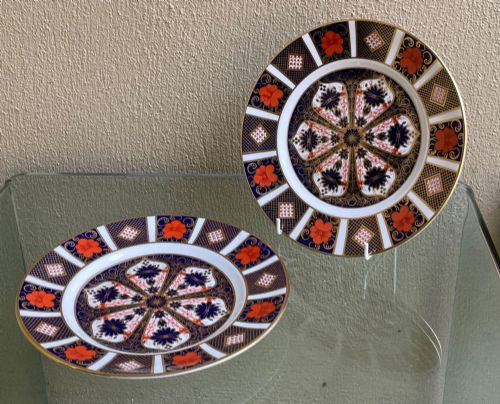
- A decorative scheme inspired by Japanese export porcelain, characteristically utilising cobalt blue, iron red and gilt. This aesthetic appears across various nineteenth-century English services.
Antique Bone China Plate: Frequently Asked Questions
How do I date an antique bone china plate?
Dating relies upon factory backstamps, impressed marks, and stylistic indicators such as Regency botanical painting or Edwardian fruit subjects. Comparing the decorative style against known periods from the Georgian era onwards helps narrow the timeframe.
Changes in ceramic bodies and the presence of artist signatures provide further chronological clues. Examining the rim shape and gilding patterns assists in confirming the manufacturing decade.
Can I use antique plates for dining?
Most antique bone china plates function primarily as decorative cabinet pieces or light dessert service items due to their age and delicate painted surfaces. Hand-washing in lukewarm water preserves the fragile enamel and gold leaf details.
Exposing these historical ceramics to modern dishwashers or thermal shock risks damaging the glaze and pigments. Careful handling ensures the longevity of the hand-painted artwork.
What is a cabinet plate?
A cabinet plate is a decorative ceramic piece manufactured specifically for display rather than functional table use. These items frequently feature intricate hand-painted fruit, birds or landscapes framed by heavy gilding.
Such plates were often produced as single display items or as part of elite dessert services. Their primary purpose was to showcase the artistic skill of the manufactory.
What is an armorial plate?
An armorial plate displays a hand-painted family crest, coat of arms or motto commissioned by noble or landed families. These bespoke ceramics formed parts of larger dinner and dessert services used during formal dining.
Identifying the crest links the ceramic directly to a specific historical household or lineage. Surviving examples remain sought after for their genealogical and historical interest.