

Antique Bobbin Turned Table
An antique bobbin turned table brings tactile timber and rhythmic spool legs into a room, offering immediate historical character.
What an antique bobbin turned table is
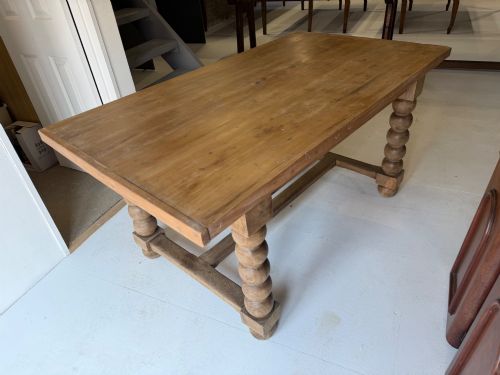
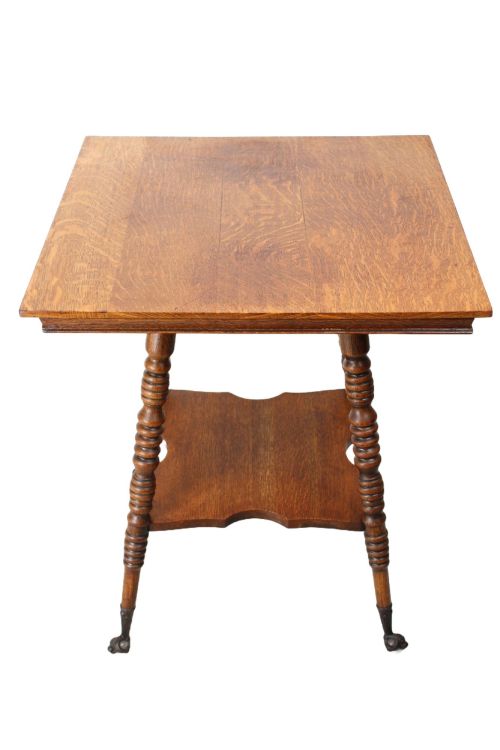
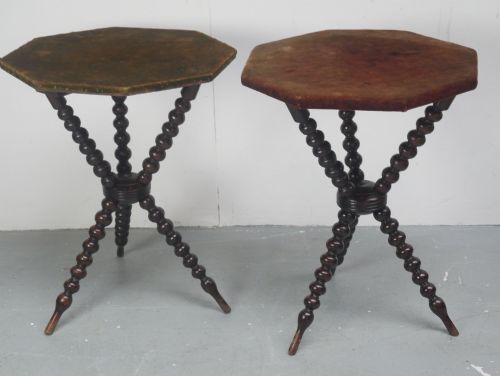
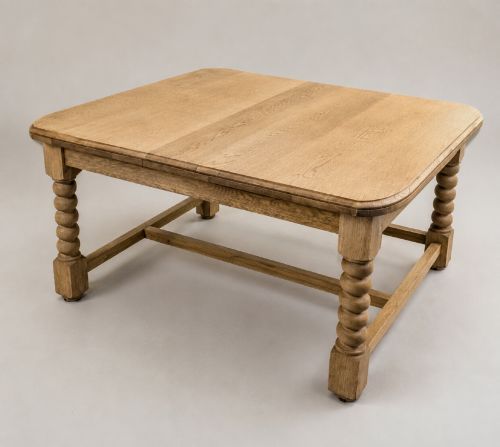
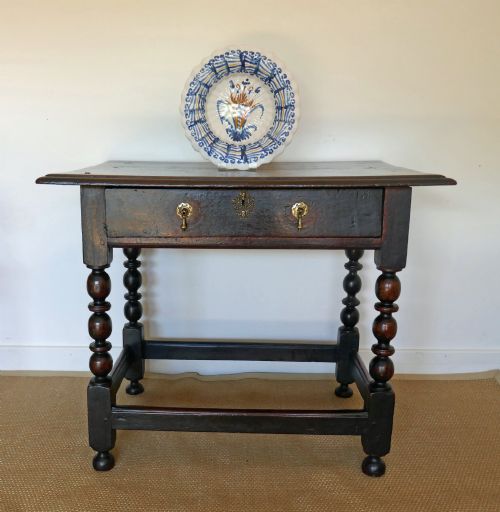
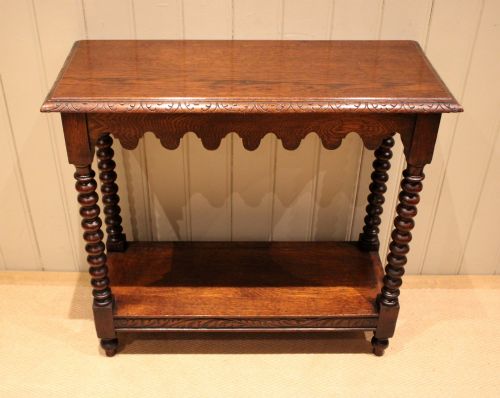
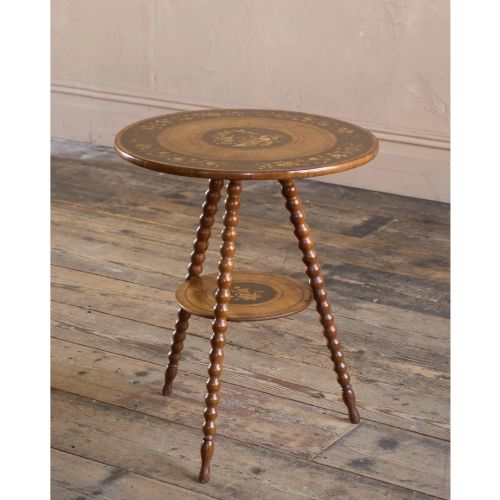
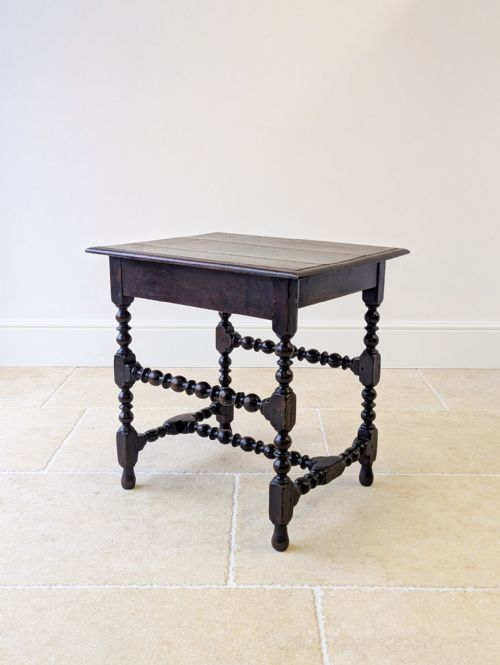
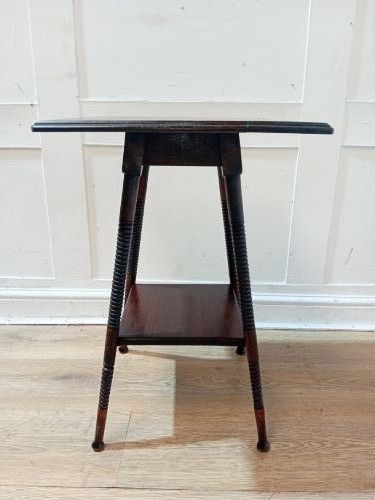
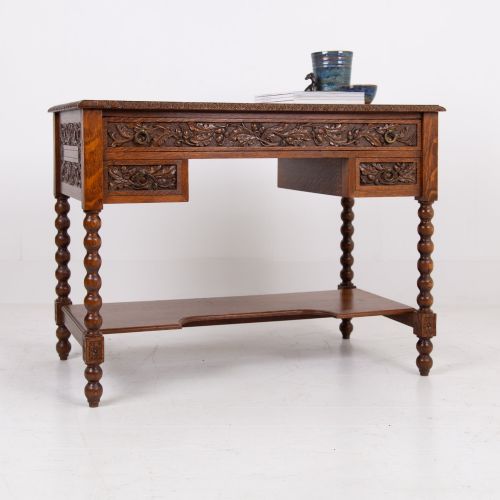
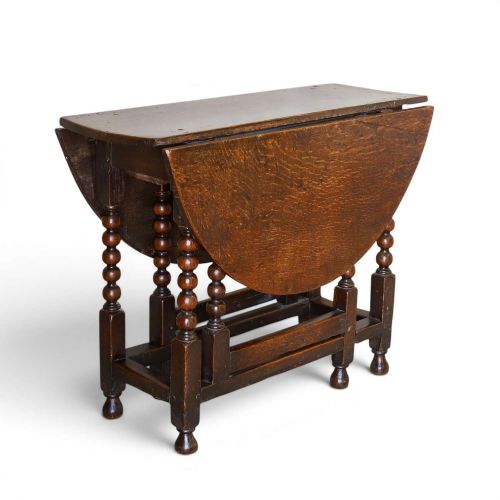
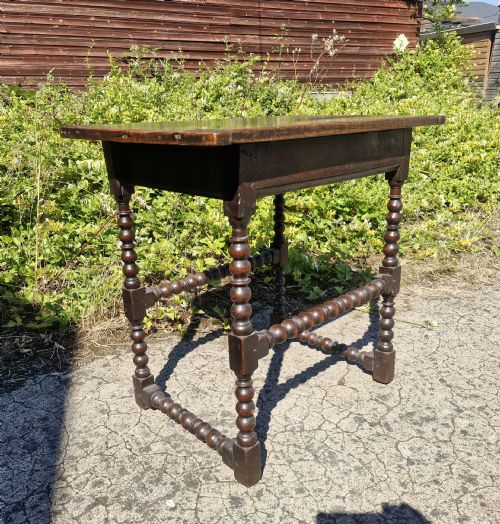
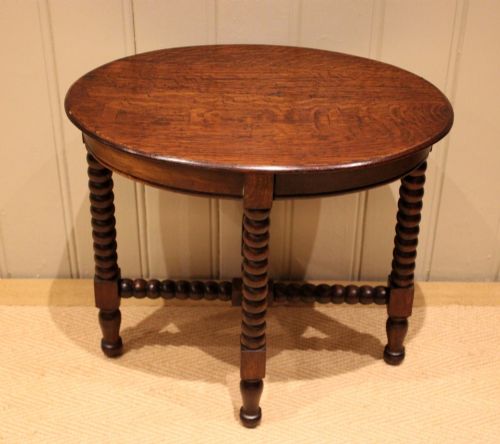
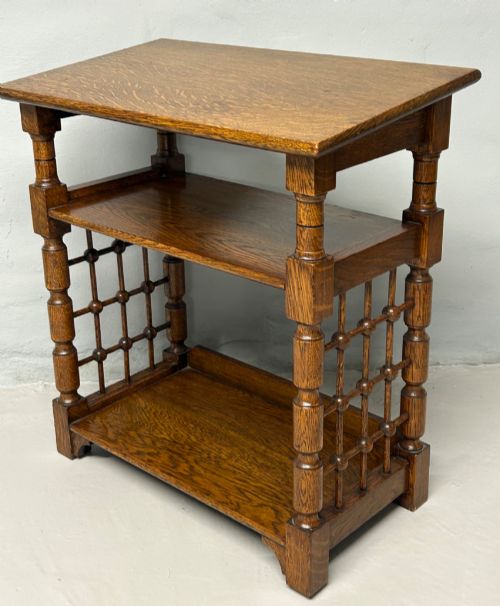
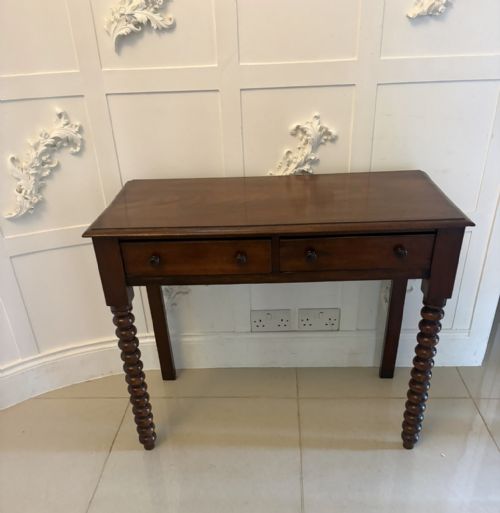
When you search for an antique bobbin turned table, you are looking at sturdy domestic timber furniture defined by its distinctive spool-shaped leg turnings. These pieces primarily function as side tables, centre tables, writing tables, and occasional tables for everyday use.
The version you are most likely to meet on this page is constructed from oak, often originating from the eighteenth or nineteenth centuries with Jacobean revival or Victorian influences. These tables frequently appear in compact formats suitable for placement beside a chair or against a hallway wall.
How they were made
Cabinet makers constructed these tables predominantly from solid native hardwoods such as oak, mahogany, and pine, alongside occasional examples in exotic rosewood. The distinctive spool or bobbin ornament on the supports was formed on a lathe by turning cylindrical lengths of wood into repeating spherical and cylindrical sections.
Joinery techniques relied on traditional pegged mortise and tenon joints to connect the turned legs, stretchers, and tabletops. Some variations incorporate painted finishes, brass fittings, or applied leather writing surfaces to the primary timber frame.
Retail Price Guide 2026
Typical UK retail prices for bobbin turned table, calculated from the Sellingantiques database of over a million retail prices indexed since 2003. This retail price guide relies exclusively on Sellingantiques data; no external sources or auction records are used, so the figures do not describe the wider market.
Listings feature oak, mahogany, pine, and rosewood timbers spanning the seventeenth, eighteenth, and nineteenth centuries.
What varies in quality
The standard of an antique bobbin turned table depends heavily on the crispness and consistency of the lathe work across all four legs and connecting stretchers. Uniformity in the turned spools demonstrates the maker's skill and patience at the bench.
Timber selection and structural integrity further separate basic utility items from finer examples. Heavy oak and dense mahogany with well-preserved joinery and minimal replacement timber sit at the upper end of the surviving range.
The Antique Bobbin Turned Table Glossary
- Bobbin turning
- A form of woodturning that creates a series of rounded, spool-like shapes along the length of a leg or stretcher. This decorative technique mimics rows of bobbins or beads threaded together.
- Stretcher
- A horizontal wooden brace connecting the legs of a table to provide structural rigidity. On these pieces, stretchers are frequently turned in matching bobbin profiles.
- Side table
- A small domestic table designed to stand against a wall or beside seating. These items provide a flat surface for lamps, books, or decorative objects.
- Tilt top
- A tabletop hinged to the central pillar or base to allow the surface to pivot vertically when not in use. This mechanism saved valuable floor space in historical rooms.
Frequently Asked Questions
What is a bobbin turned table?
A bobbin turned table is a piece of wooden furniture featuring legs and stretchers carved into repeating rounded spool shapes on a lathe.
These tables date from the seventeenth century onwards, with revivals appearing strongly during the Victorian period in oak and mahogany.
How were these tables used originally?
Historical owners utilised these versatile pieces as side tables, writing desks, or lamp stands in domestic parlours and libraries.
Their sturdy construction made them suitable for daily writing, holding books, or supporting heavy decorative objects.
How do I date an oak bobbin table?
Dating relies on examining the timber grain, tool marks, joinery methods, and the specific proportions of the turned legs.
Early seventeenth and eighteenth-century examples display hand-cut pegs and denser native oak, while later Victorian revivals often utilise machine-finished joints.
Where should I place one at home?
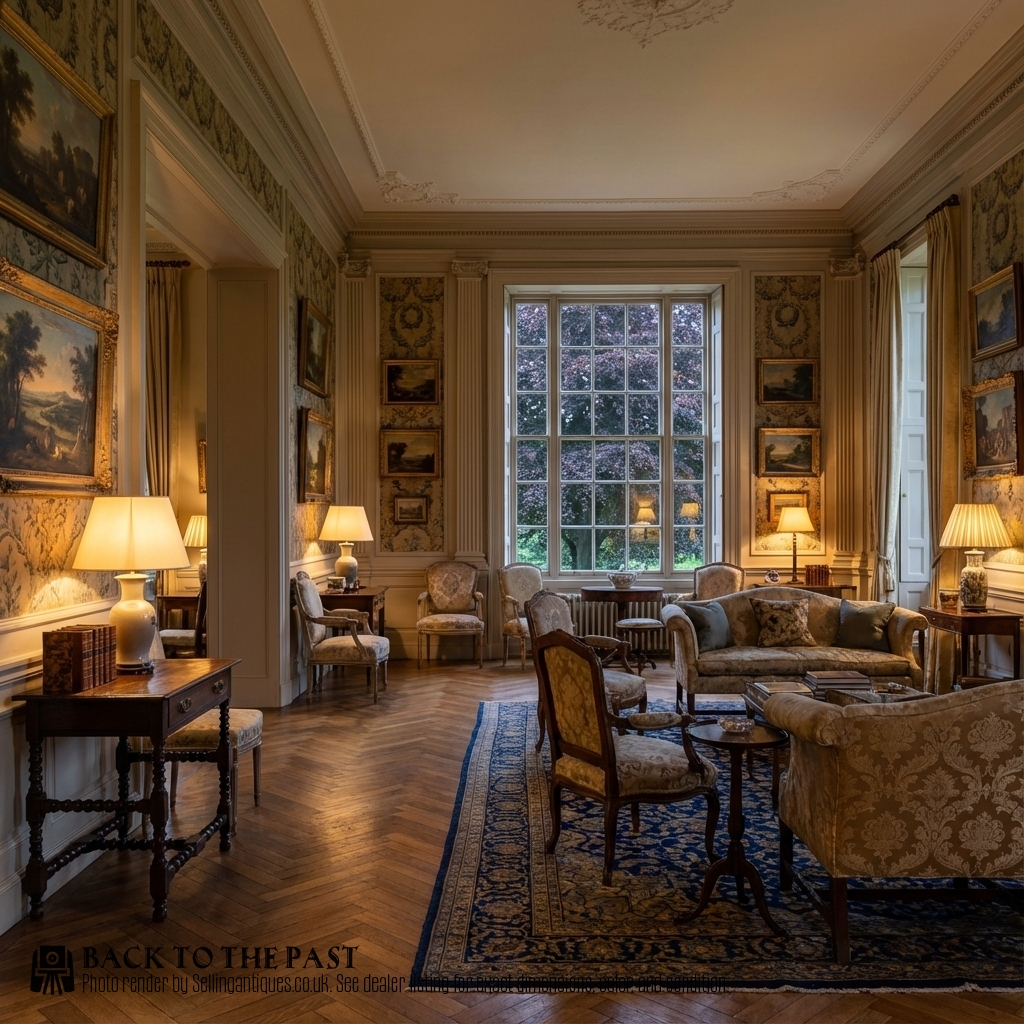
These tables fit well as bedside surfaces, hallway stands, or occasional accent tables beside living room armchairs.
Their compact footprints and textured wooden supports allow them to sit comfortably against plain walls or within traditional interior schemes.