




Antique Boat Painting
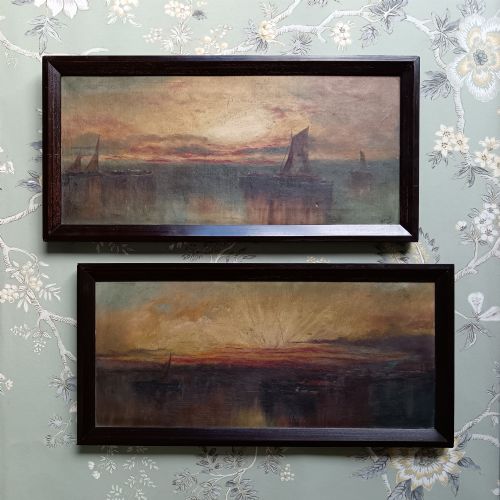
When choosing an antique boat painting, you are investing in maritime heritage that captures historical vessels upon turbulent seas and quiet riverbanks.
Antique Boat Painting
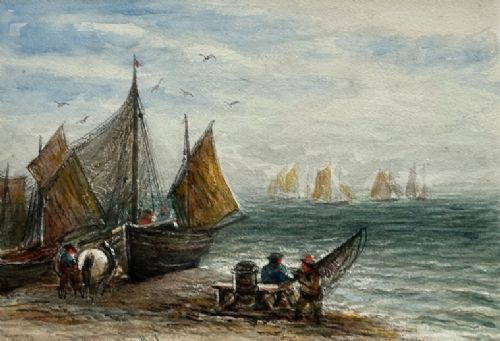
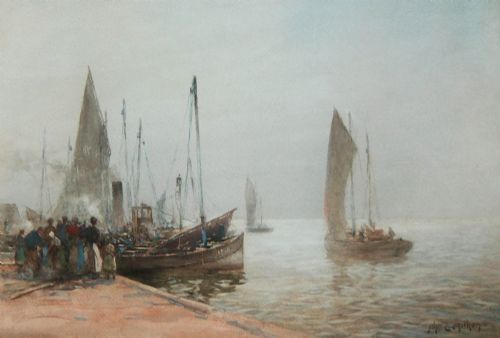
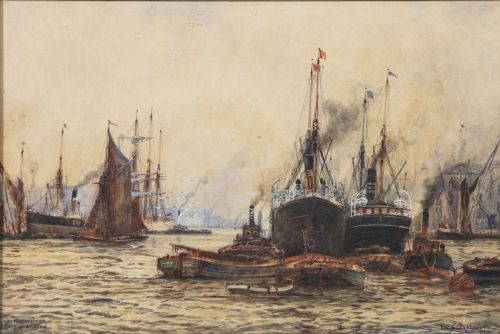
An antique boat painting represents a focused study of maritime life, coastal harbours, and inland waterways produced primarily during the eighteenth, nineteenth, and early twentieth centuries. These works document working fishing vessels, grand steamships, and leisurely river craft across various European and British coastal settings.
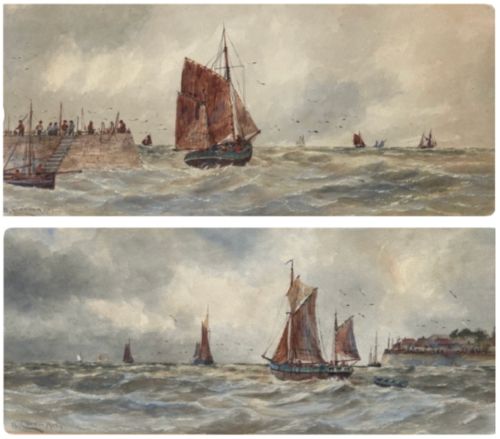
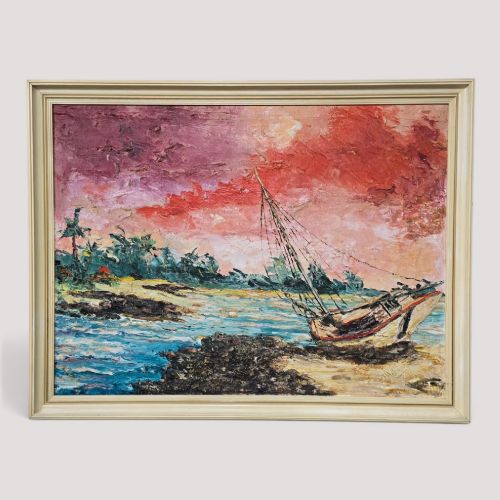
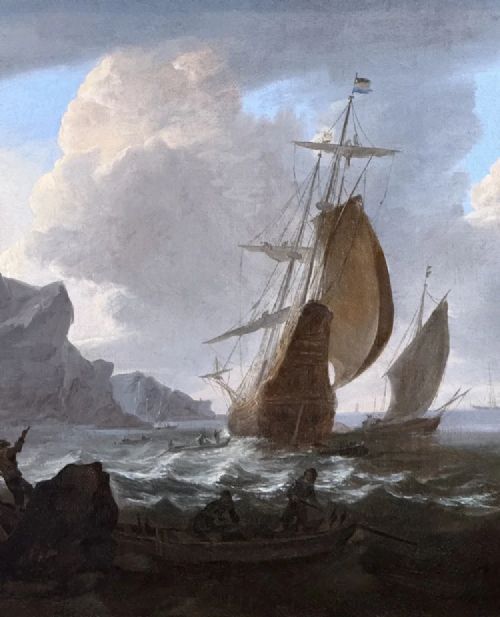
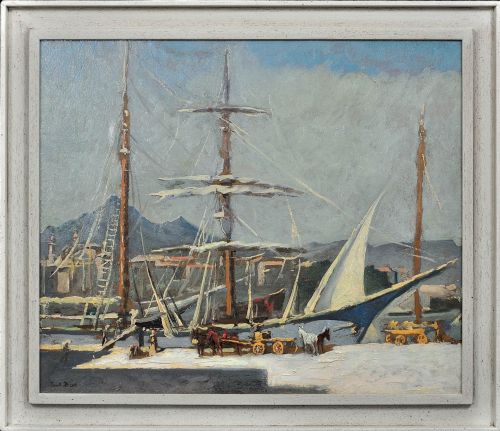
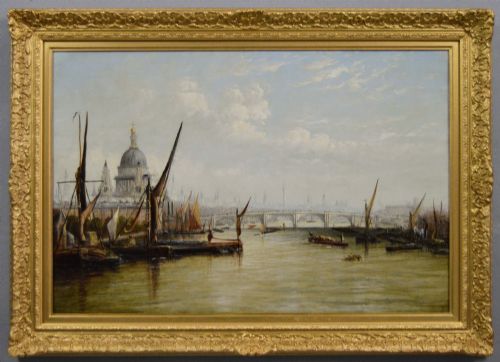
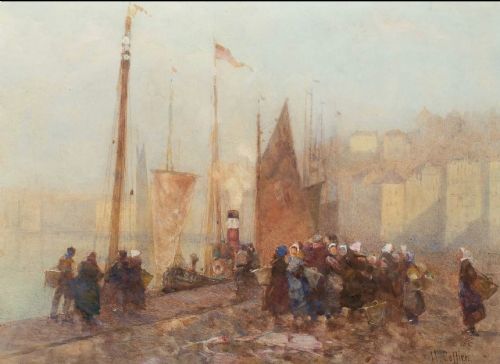
Buyers will encounter two dominant mediums on this page: delicate watercolours on paper and substantial oil paintings executed on canvas or board. Subject matter ranges from dramatic open sea gales and bustling port arrivals to tranquil river scenes featuring moored barges and distant sails.
The historical scope spans from romantic eighteenth-century compositions to atmospheric Victorian marine art and Edwardian coastal views. Many pieces are signed by listed regional artists or preserved within their original gilt frames.
How They Were Made
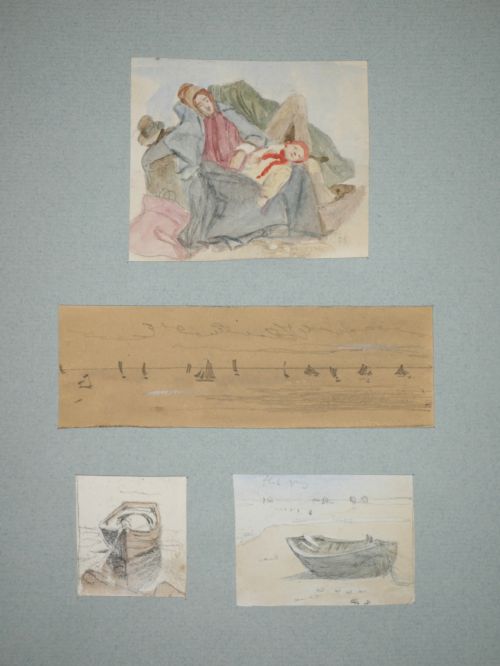
Artists typically worked with oil paints on stretched canvas or prepared wooden panels to achieve rich textures and luminous skies, often framing the completed works in ornate gilt wood. Alternatively, watercolours were applied to heavy paper stock, capturing the translucent effects of sea spray and misty harbour air.
Many maritime scenes relied on direct observation of coastal topography, shipping lanes, and atmospheric weather conditions. Pigments were layered carefully to render the shifting qualities of light on water, from the bright sunrise over a bustling port to the dark swells of a North Sea gale.
Antique Boat Painting Retail Price Guide 2026
Typical asking prices for boat painting among the pieces listed under this phrase on Sellingantiques today, from the lower quarter to the upper quarter. They describe what is for sale here now, not the wider market.
Materials recorded across current inventory include traditional gilt wood frames, glass protection for works on paper, and heavy woven canvas supports.
What Varies in Quality
Quality rests upon the artist's ability to render nautical anatomy correctly and capture the convincing movement of water under varying atmospheric conditions. Superior works demonstrate confident brushwork, precise rigging details, and a sophisticated understanding of natural light rather than formulaic repetition.
The preservation of the underlying canvas, paper, or board heavily influences the integrity of the piece, alongside the survival of contemporary or period framing. Masterful handling of scale, depth, and maritime atmosphere distinguishes exceptional cabinet pieces from routine decorative topographical views.
James Orrock·William Cannon·James Smetham·B. Nash·Frank William Scarbrough·Francis Moltino·Hector Caffieri·Thomas Creswick·Bonaventura Peeters·Willem Bos·John Wilson Carmichael·Alfred G. Morgan·John Moore of Ipswich·William Matthison·Richard B. Spencer·William Henry Williamson·Bernard Benedict Hemy·George F Pennington·Eugenio Cecchini-Prichard·John Berney Crome·Edward Charles Williams·E K Redmore·William Broome·James Campbell Noble·Louis Van Staaten
The Antique Boat Painting Glossary
- Seascape
- A work of art depicting the sea, coastal views, or marine vessels in motion. These compositions focus heavily on the interaction between water, weather, and light.
- Gilt Wood
- Carved wood treated with a thin layer of gold leaf or metallic gilding. This material is frequently used for traditional Victorian and Edwardian picture frames.
- Watercolour
- A paint consisting of pigment suspended in a water-soluble vehicle, typically applied to paper. It is prized for its luminous transparency and immediacy.
- Provincial School
- A regional grouping of artists working outside major artistic capitals, often documenting local shipping and coastal landmarks with intimate familiarity.
- Marine Art
- Artistic production dedicated to or centered on the sea, encompassing naval battles, coastal landscapes, and commercial shipping. It holds a distinct place in British visual history.
Antique Boat Painting: Frequently Asked Questions
What periods do these paintings cover?
The selection spans several centuries, with particular concentration in the nineteenth and early twentieth centuries. Earlier eighteenth-century examples and mid-century modern pieces also appear occasionally.
These dates reflect the shifting styles of maritime documentation, moving from romantic landscape traditions toward more direct observation of commercial shipping and coastal life.
How were these maritime scenes used?
Historically, maritime watercolours and oil paintings served as domestic decoration for homes of the mercantile and landowning classes. They celebrated naval might, commercial prosperity, and regional coastal pride.
Many works functioned as personal records of specific ports, voyages, or vessels that held sentimental value for the original owners and commissioners.
How do I care for an antique painting?
Protect works on paper and canvas from direct sunlight and high humidity to prevent fading and material degradation. Stable indoor temperatures preserve both the paint layers and the underlying supports.
Original gilt frames require careful dusting with a soft dry cloth, avoiding harsh liquid cleaners that can damage historic gilded surfaces.
How do I identify different marine styles?
Victorian marine art often emphasises dramatic narrative, stormy seas, and detailed rigging of sailing ships. Later Edwardian and twentieth-century works frequently adopt looser brushwork and lighter palettes.
Examining the handling of water and atmospheric perspective helps distinguish between romantic studio compositions and direct plein-air harbour studies.