
Antique Blue Porcelain
Antique blue porcelain encompasses centuries of ceramic mastery, from delicate Chinese export chargers to rich European mantel clocks.
Antique Blue Porcelain
When searching for antique blue porcelain, collectors encounter a diverse array of utilitarian and decorative objects spanning multiple continents and centuries. Vases, plates, bowls, and tea wares dominate the selections available, originating from both Asian export kilns and European factories.
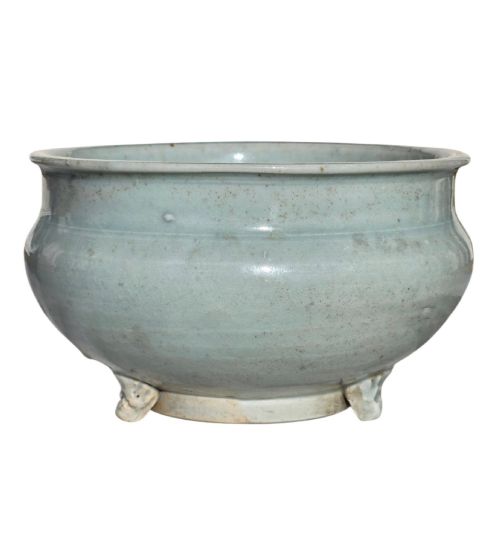
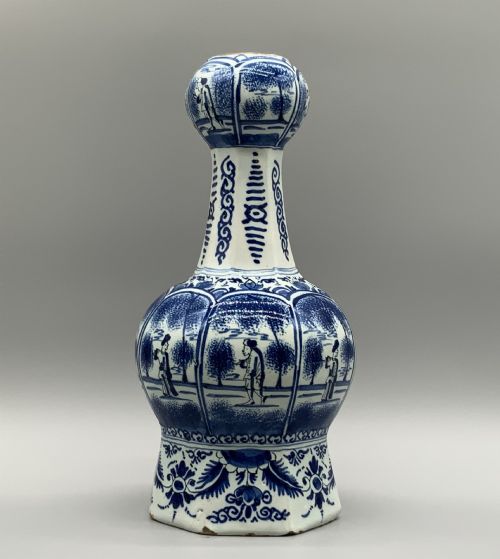
Chinese blue and white porcelain from the Qing Dynasty and Kangxi period represents a cornerstone of this category. These pieces range from lobed bowls and chargers to large floor-standing vases, often bearing historic reign marks.
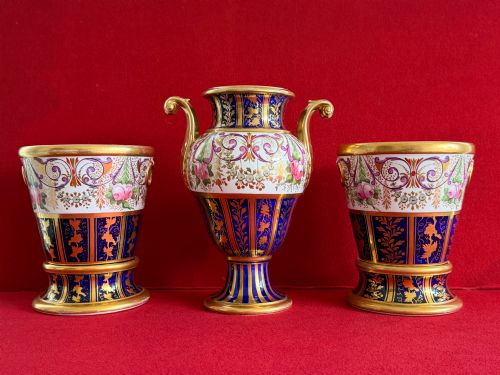
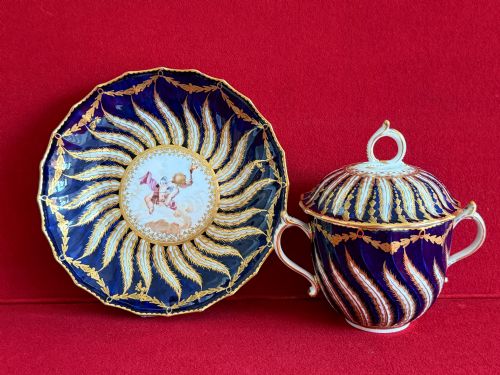
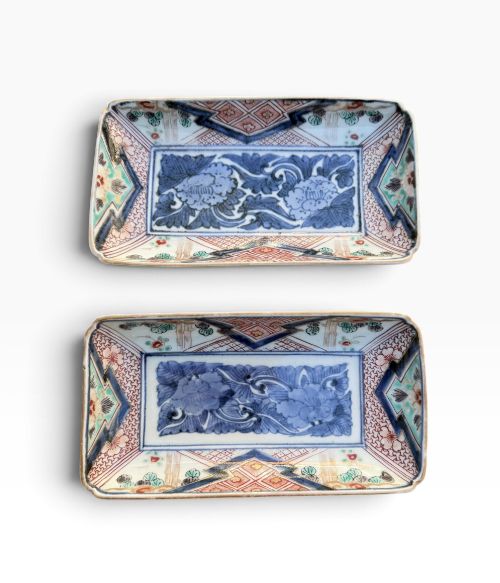
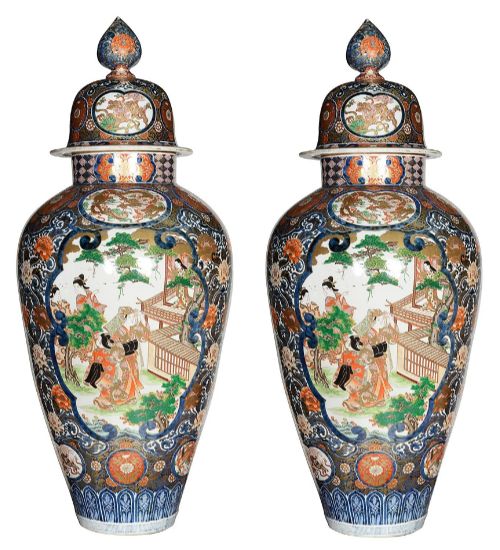
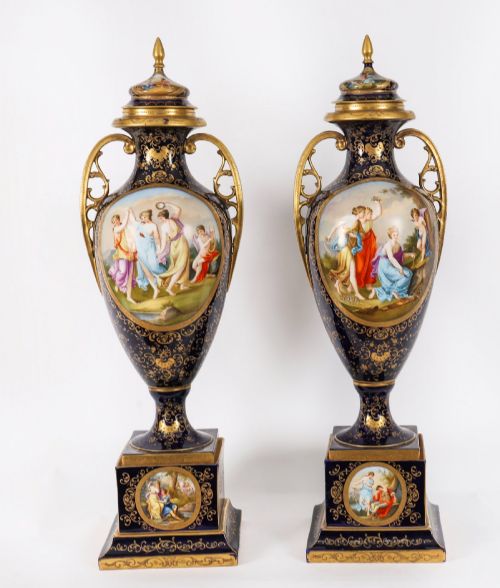
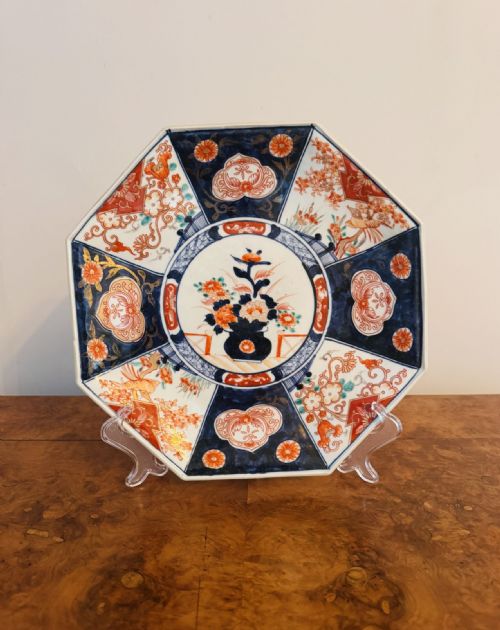
European interpretations appear frequently, including English factory wares from Worcester, Derby, and Spode alongside French Sèvres-style garnitures and Japanese Imari plates. The selection bridges East Asian traditions and Western domestic interiors.
How they were made
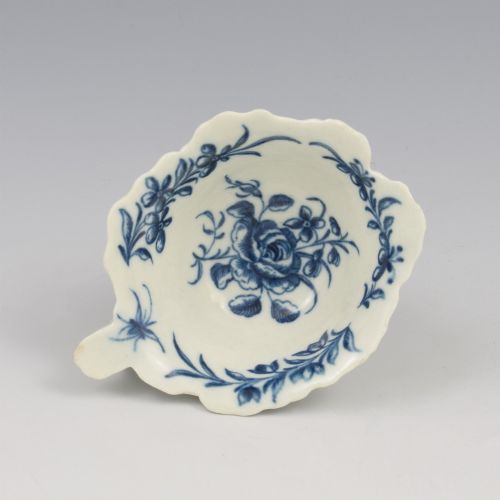
The foundation of these objects lies in fine ceramic bodies, predominantly porcelain and bone china, coated in smooth glazes. Cobalt oxide provided the durable blue pigment capable of withstanding high kiln temperatures, particularly underglaze applications.
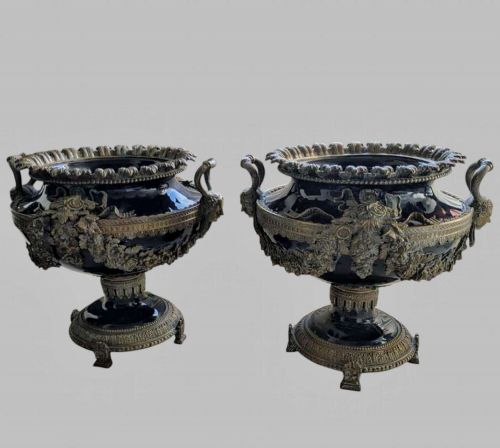
Many European mantel clocks, urns, and decorative vessels integrate metalwork such as ormolu and gilt bronze mounts alongside hand-painted enamel and gold leaf detailing. Master artisans combined ceramic throwing or moulding with intricate metal casting and gilding.
Listings span from the 17th century through the Regency and Victorian eras, uniting Chinese export porcelain and European revival pieces.
What varies in quality
The refinement of the cobalt blue pigment and the precision of the underglaze or overglaze brushwork distinguish superior examples. Crisp botanical, figural, or dragon motifs executed by skilled hands elevate a piece above standard factory output.
The incorporation of secondary materials, such as fire-gilt ormolu mounts on French clocks and caskets, dictates the tier of craftsmanship. Superior vessels exhibit harmonious proportions between the ceramic body and its metallic framework.
Royal Crown Derby·Flight Barr And Barr·H And R Daniel·Japy Freres·Franz Anton Mehlem
The Antique Blue Porcelain Glossary
- Imari
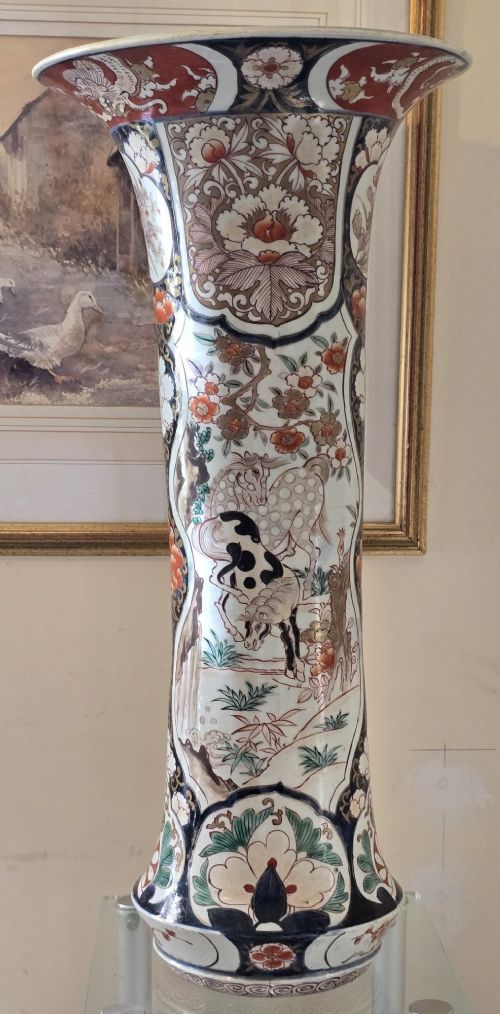
- A style of Japanese porcelain featuring a palette of underglaze blue, iron red, and gold, widely imitated in Europe. This decorative approach originated in Arita and appeared on various plates, vases, and bowls.
- Ormolu
- Gilded bronze mounts applied to furniture, clocks, and porcelain vessels during the eighteenth and nineteenth centuries. The technique involves a mercury amalgamation process to achieve a durable golden finish.
- Underglaze
- Pigment applied directly to the unfired ceramic body before glazing and firing at high temperatures. This technique protects the blue decoration from wear over centuries of use.
- Charger
- A large decorative plate or platter utilised primarily for display rather than dining. These pieces often showcase intricate hand-painted cobalt scenes or dragon motifs.
Antique Blue Porcelain: Frequently Asked Questions
How do I identify a Kangxi period mark?
Kangxi period marks appear on Chinese porcelain as six-character imperial inscriptions or symbolic art leaf motifs within double circles. These underglaze blue markings indicate pieces produced during a specific era of high technical achievement.
Authentication requires examining the depth of the blue pigment and the ageing characteristics of the glaze surrounding the characters. Later nineteenth-century pieces often emulated these marks as a tribute to earlier craftsmanship.
What is the difference between Imari and blue and white porcelain?
While traditional blue and white porcelain relies exclusively on cobalt oxide pigments under a clear glaze, Imari wares introduce contrasting iron red and gold leaf accents over the glaze. This creates a much richer, polychrome surface appearance.
Both styles originated in Asian kilns before inspiring extensive European adaptations during the eighteenth and nineteenth centuries. Collectors often group them together under broader oriental aesthetic categories.
How were porcelain mantel clocks constructed?
Porcelain mantel clocks combine ceramic dial plates or urn housings with mechanical French brass movements and cast ormolu mounts. Makers utilised cobalt blue porcelain panels to frame the central clock face.
These decorative timepieces served as functional centrepieces in formal nineteenth-century drawing rooms. The integration of Sèvres-style porcelain elevated standard horology into ornamental art.
Are tea wares from the Regency period usable?
Regency tea wares, including cups, saucers, and teapots from factories like Worcester and Spode, are primarily collected for display and preservation. The delicate nature of early porcelain and hand-applied gilding makes daily use risky.
Most collectors house these items in cabinets or utilise them strictly for occasional decorative table settings. Their historical value rests in their surviving painted decoration and pristine ceramic bodies.