








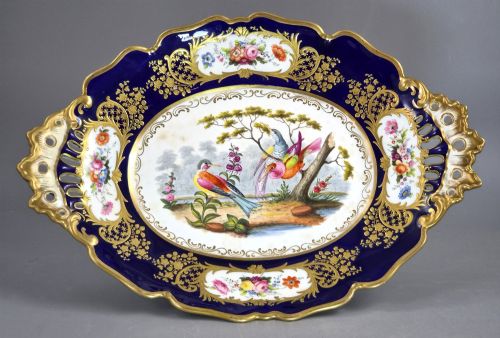
Antique Blue Platter
When you search for an antique blue platter, you are looking at centuries of ceramic skill designed for service and display.
Antique Blue Platter
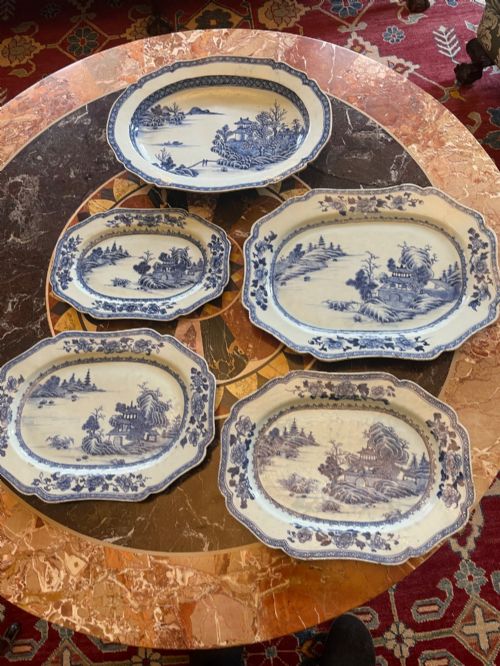
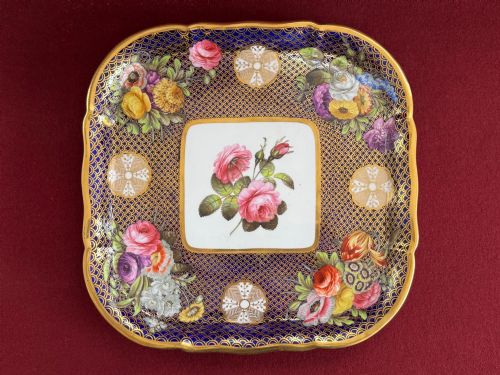
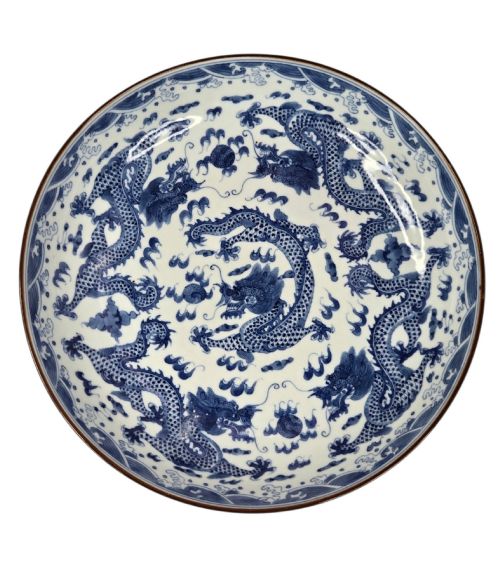
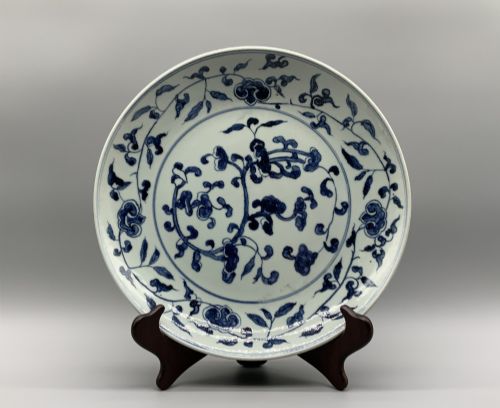
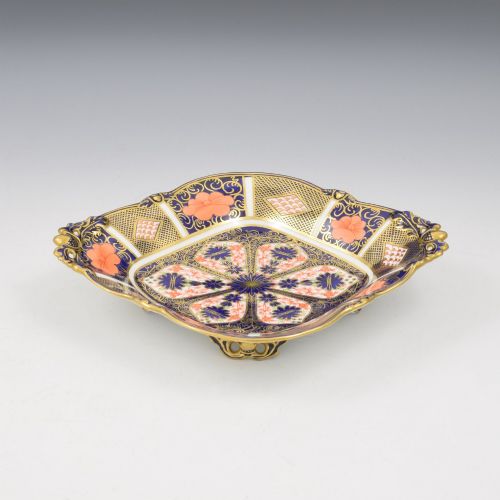
An antique blue platter encompasses large ceramic vessels created for serving food or decorating walls and tables across multiple centuries. The pieces on this page span the seventeenth to the twentieth century, originating from English potteries, European delftware kilns, and East Asian workshops.
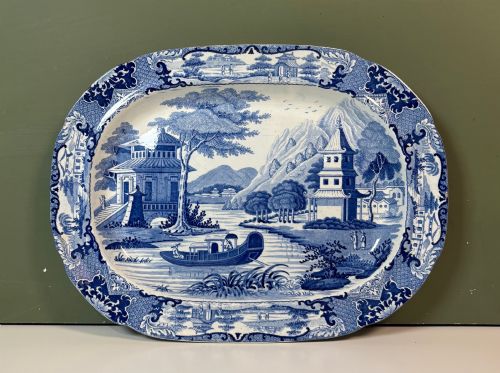
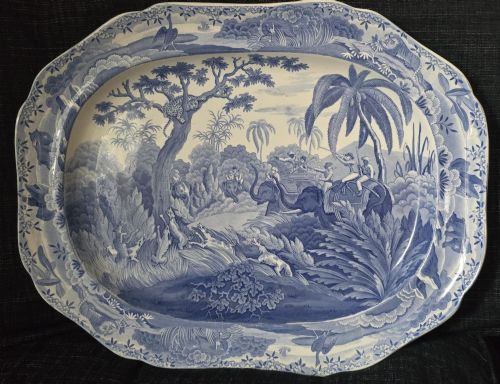
Most items you meet here take the form of chargers, meat plates, and serving dishes in earthenware, porcelain, and tin-glazed pottery. These surfaces feature hand-painted cobalt patterns, transfer-printed historical scenes, and traditional blue and white motifs.
Makers ranged from major English porcelain manufacturers to continental faience works and Japanese export kilns. Buyers find everything from deep lobed serving dishes to massive chargers intended for grand dining rooms.
How They Were Made
Potters shaped these objects from earthenware, porcelain, and tin-glazed bodies using manual throwing and moulding techniques. Cobalt oxide provided the primary blue pigment, applied directly to the raw clay or over an opaque white glaze before high-temperature firing.
English factories utilised copperplate transfer printing in the nineteenth century to apply intricate pictorial scenes onto earthenware surfaces. Earlier pieces and East Asian imports relied entirely on freehand brushwork under transparent or tin glazes.
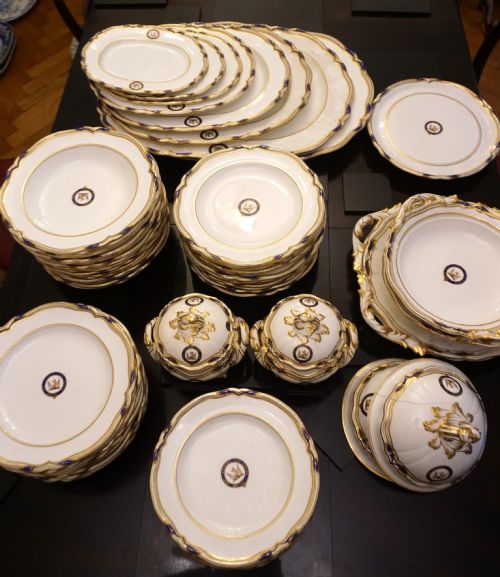
Finishing touches often included hand-applied gilding, ormolu mounts, or polychrome enamel highlights added over the initial blue underglaze. These decorative layers required secondary low-temperature firings to bond the metallic or enamel colours to the ceramic surface.
Antique Blue Platter Retail Price Guide 2026
Typical asking prices for blue platter among the pieces listed under this phrase on Sellingantiques today, from the lower quarter to the upper quarter. They describe what is for sale here now, not the wider market.
Listings feature pieces from the seventeenth to the twentieth century, spanning English earthenware, Dutch delft, and Japanese porcelain.
What Varies in Quality
Quality rests in the crispness of the cobalt painting and the precision of the transfer print details. Finer platters show deep, even blue tones without running, blurring, or grey patches caused by overfiring in the kiln.
The weight and balance of the ceramic body distinguish standard utility wares from exhibition pieces. Superior porcelain and earthenware exhibit thin, even walls, smooth glazing without excessive pitting, and well-balanced forms that rest flat on a surface.
The artistic ambition of the design separates basic production from exceptional output. Hand-painted Chinese Kangxi chargers and finely potted Japanese Imari pieces demonstrate superior brush control and compositional depth compared to mass-produced alternatives.
Spode·Royal Crown Derby·William Smith and Co·George Jones·John Rogers and Son·Hicks and Meigh·Coalport·Royal Worcester·Wedgwood·Davenport
The Antique Blue Platter Glossary
- Charger
- A large decorative plate used historically for service or display on a sideboard. These substantial vessels often measure over twelve inches across and feature prominent painted or printed scenes.
- Transferware
- Earthenware decorated by applying a copperplate engraving dipped in cobalt ink onto tissue paper, then pressing it onto the ceramic body. This technique allowed factories to mass-produce complex pictorial scenes.
- Imari
- A style of Japanese export porcelain characterised by underglaze blue combined with iron red, gold, and auxiliary colours. The aesthetic originated in Arita and heavily influenced European porcelain makers.
- Tin-Glazed Earthenware
- Pottery covered with a glaze containing tin oxide to produce an opaque white surface suitable for painting. This category includes Dutch delftware and continental faience.
- Kraak Porcelain
- Chinese export porcelain from the late Ming and early Qing dynasties featuring paneled border designs. The centres typically display stylized aquatic plants, birds, or rocky landscapes.
- Cobalt Oxide
- A mineral compound utilised by potters to achieve a stable blue colour under high kiln temperatures. It remains the defining pigment across nearly all blue and white ceramics.
Antique Blue Platter: Frequently Asked Questions
How were antique blue platters used?
These large vessels served joints of meat, fish, and course dishes at formal dining tables throughout the eighteenth and nineteenth centuries. Large chargers also stood upright on sideboards or hung on walls for display.
As dining habits changed over time, many serving dishes transitioned into purely decorative objects. Their robust construction allowed them to survive centuries of household use.
Can I use an antique platter for food?
Most antique earthenware and porcelain platters remain structurally sound for serving dry foods or room-temperature dishes. However, older glazes can contain trace metals, and centuries of use create microscopic surface wear.
Hand washing is essential to preserve the glaze and any delicate hand-painted or gilt details. Dishwashers and microwaves will damage the ceramic body and decorative surfaces.
How do I date a blue and white platter?
Dating relies on factory marks, the type of ceramic body, and the decorative technique. Early pieces feature hand-painted underglaze blue, while nineteenth-century items often employ transfer printing.
Backstamps, registration diamonds, and pattern numbers provide precise clues for English wares. Asian pieces require stylistic analysis of the border patterns and brushwork.
What is the difference between delft and porcelain?
Delftware consists of a porous earthenware body covered in a white tin glaze that accepts painted blue designs. It feels heavier and chips more easily than high-fired materials.
Porcelain is a dense, vitrified ceramic made from kaolin clay that rings when struck and does not absorb moisture. Chinese export porcelain and English bone china represent this stronger category.