



Antique Blue Ottoman
When searching for an antique blue ottoman, collectors encounter a varied selection of nineteenth-century stools, window seats, and blue-ground carpets influenced by Ottoman styles.

Antique Blue Ottoman
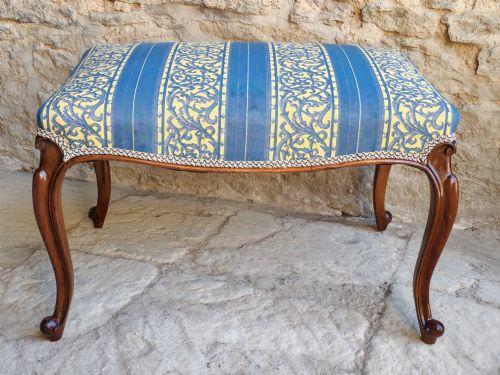
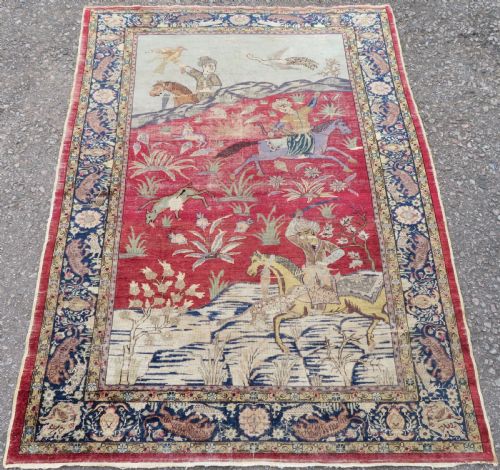
The term antique blue ottoman covers a diverse grouping of low seating, footstools, blanket boxes, and floor coverings originating from the nineteenth century. Buyers on this page frequently meet walnut, mahogany, and rosewood stools alongside wool carpets featuring pale blue grounds from Anatolia.
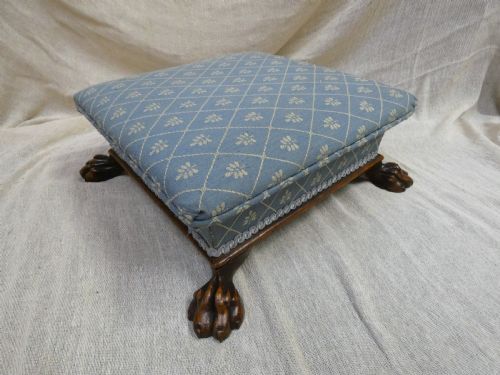
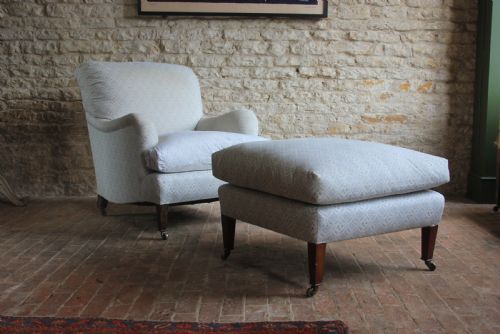
Forms range from compact Victorian gout stools and large rosewood ottoman stools to expansive Ushak carpets and prayer rugs. These pieces combine British timber frames with upholstered surfaces or woven textiles reflecting Turkish and regional traditions.
How They Were Made
Carpets and rugs are constructed from wool, cotton, and silk, employing traditional knotting and weaving techniques found across West Anatolia. Timber frames for stools and ottomans utilise solid mahogany, walnut, and rosewood, shaped with carved details and brass fittings.
Upholstery relies on traditional stuffing materials finished in fabrics such as velvet, cotton, and wool, occasionally complemented by leather or passementerie.
Several footstools managed to survive centuries of heavy resting feet without losing their original brass castors.
What Varies In Quality
Quality rests upon the integrity of the timber frame, the fidelity of the carving, and the condition of the original upholstery or pile. Pieces displaying robust mahogany or walnut structures with refined proportions command greater attention.
In woven textiles, the fineness of the knotting, the depth of the wool, and the subtlety of the blue dye determine the standing of the carpet or rug.
Howard and Sons·Robert Kime·Anton Ignaz Melling
The Antique Blue Ottoman Glossary
- Ushak
- A type of carpet originating from the town of Usak in western Anatolia, known for large-scale floral designs and subdued blue or red colourways.
- Gout stool
- A small, adjustable footstool designed to elevate the feet and legs for individuals suffering from gout or related ailments during the Victorian era.
- Prayer rug
- A small textile featuring a mihrab or arch design indicating the direction of prayer, frequently woven in regions such as Ladik and Konya.
- Ottoman
- A padded, upholstered seat without arms or a back, developed from Near Eastern seating forms and adopted into European interiors during the nineteenth century.
Antique Blue Ottoman: Frequently Asked Questions
How do I identify an authentic nineteenth-century ottoman?
Examine the secondary woods, joinery methods, and wear patterns on the frame to confirm period construction. Traditional hand-forged fixings and period textiles offer further indication of age.
Compare the proportions and carving styles against documented examples from Victorian and Regency workshops to verify the origin.
Where were antique Ushak carpets made?
These carpets are produced in the region surrounding the town of Usak in western Turkey. Weavers utilise local wool and traditional dye methods to create distinctive patterns.
The resulting floor coverings gained popularity in European homes for their warm palettes and large-scale floral motifs.
How should I care for antique wool rugs?
Protect the textile from direct sunlight to prevent fading of the blue dyes and natural wool fibres. Regular gentle vacuuming without a beater bar removes trapped dust.
Consult a specialist textile conservator for professional cleaning rather than attempting wet washing at home.
What is a prayer rug?
A prayer rug is a portable textile featuring a central arch motif known as a mihrab. These pieces were traditionally used by individuals for daily prayers.
Regional variations from Ladik, Konya, and other Anatolian centres display distinct border patterns and colour arrangements.