
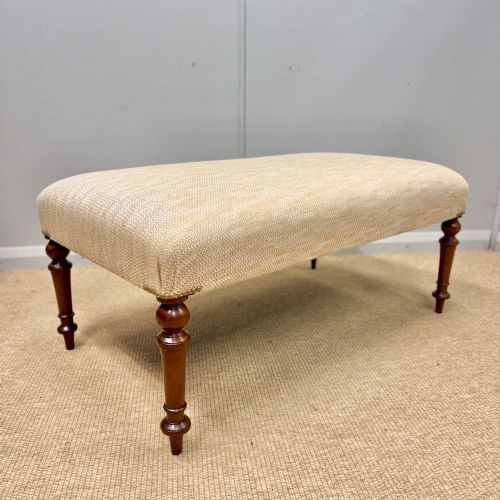
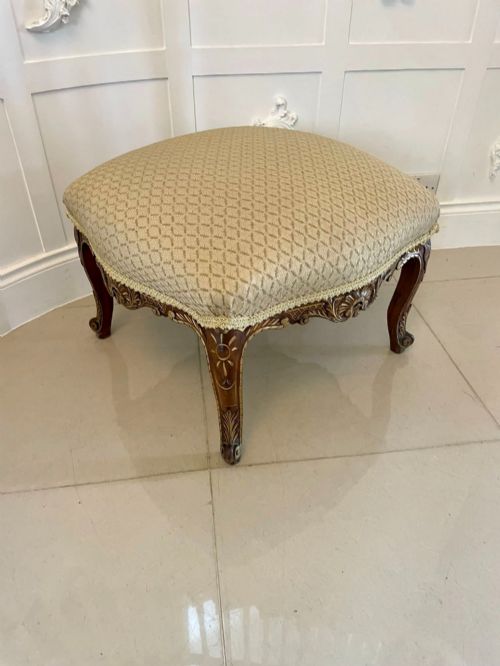
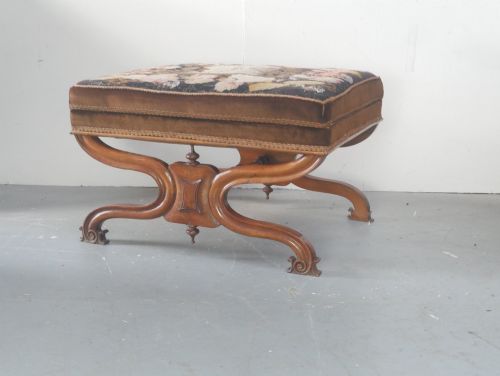
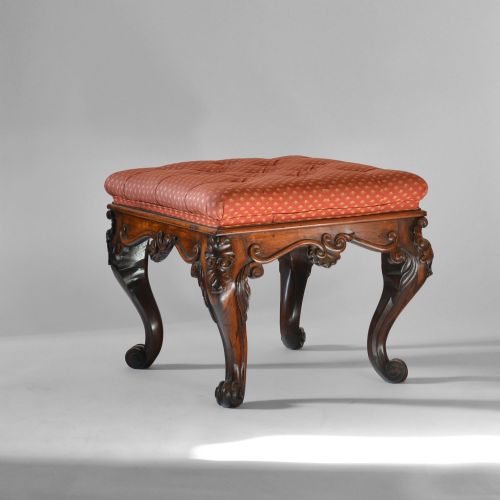
Antique Low Footstool
An antique low footstool offers a compact seat or rest, bringing period character and low-level comfort to a room.
Antique Low Footstool
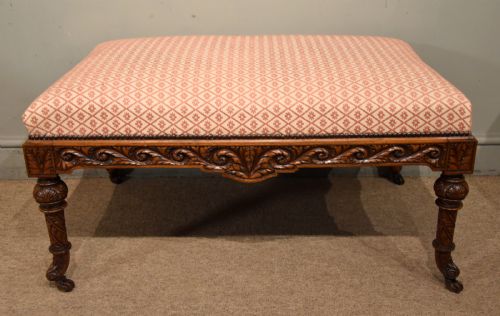
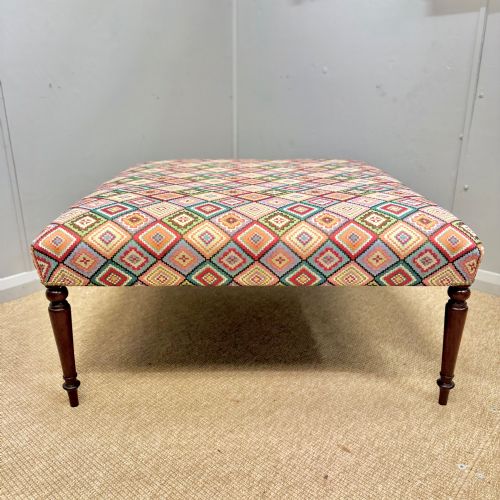
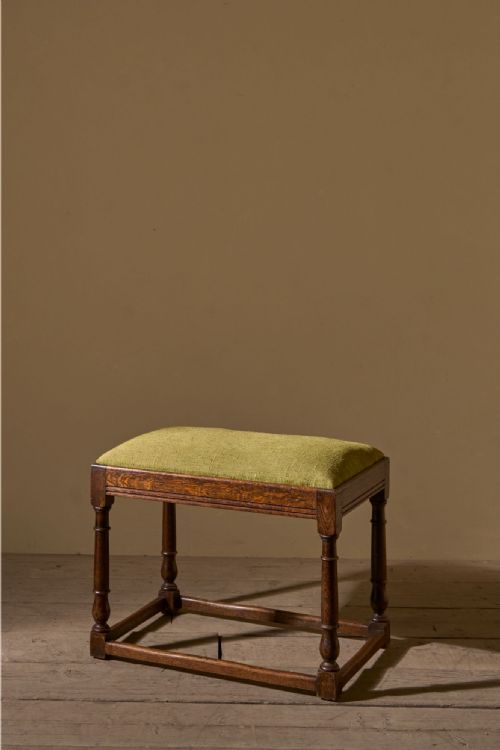
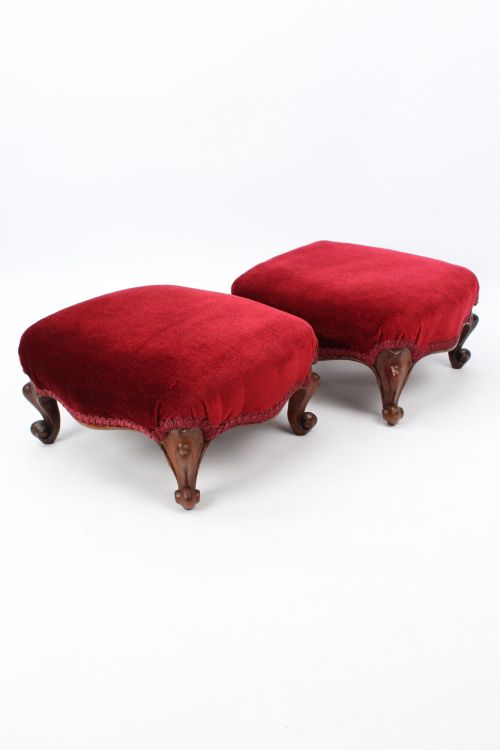
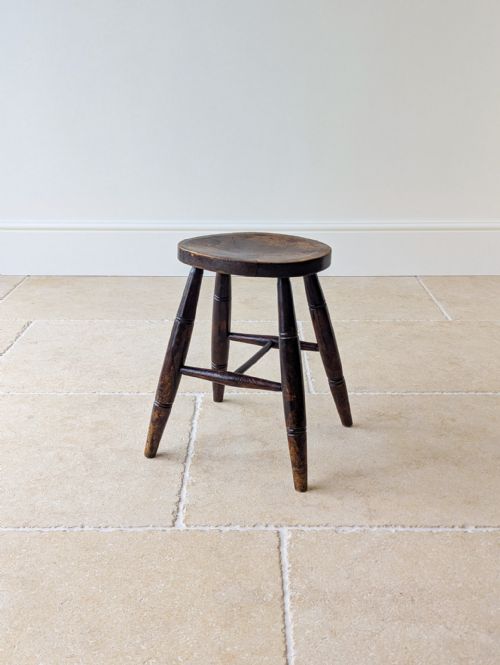
An antique low footstool is a small, low-slung seating piece designed for firesides, dressing tables, or supporting feet and legs. These pieces emerge in various forms, from upholstered Victorian parlor examples to rustic country milking stools and elegant Georgian walnut or mahogany designs.
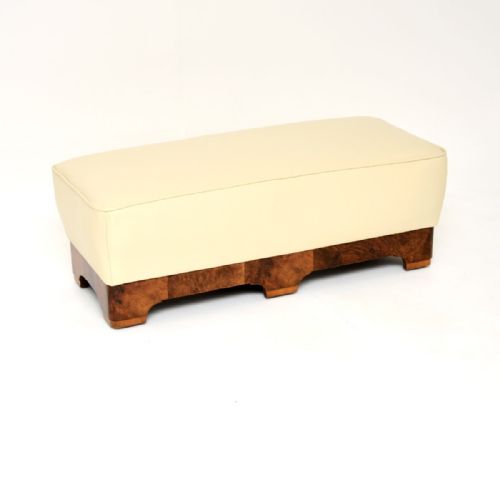
The selection ranges widely across the eighteenth and nineteenth centuries, alongside early twentieth-century pieces from the Art Deco, Edwardian, and Arts and Crafts periods. Buyers frequently encounter Victorian walnut and mahogany frames, alongside sturdy oak and vernacular timbers like sycamore and ash.
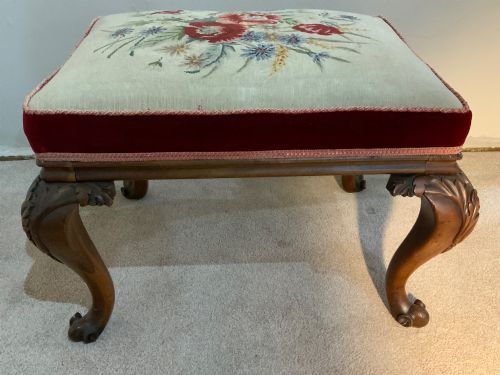
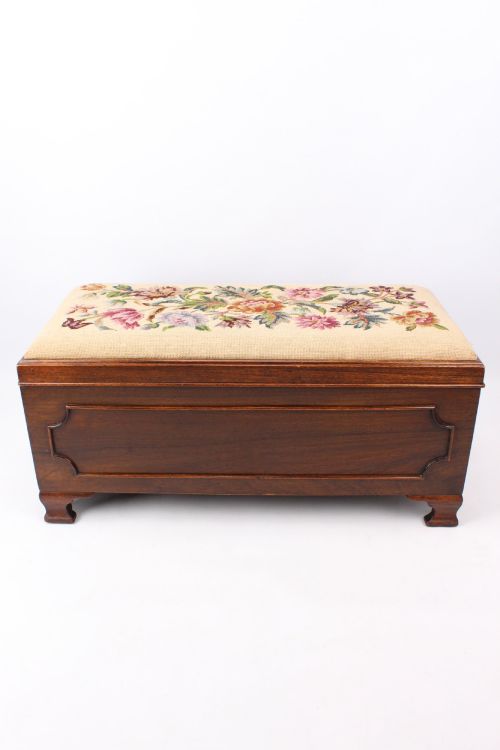
Origin and form dictate the character of each piece, spanning English vernacular milking stools in original paint, Scottish baronial designs, and Continental variations. Many are paired with period textiles, needlework, tapestry, or heavy linen upholstery.
Materials and construction
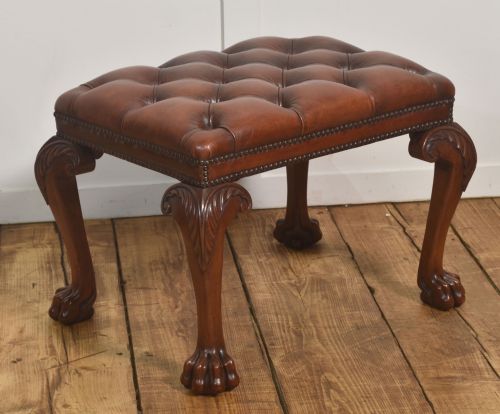
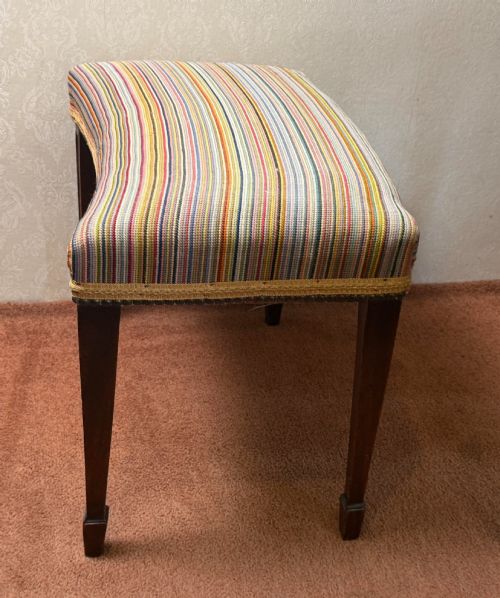
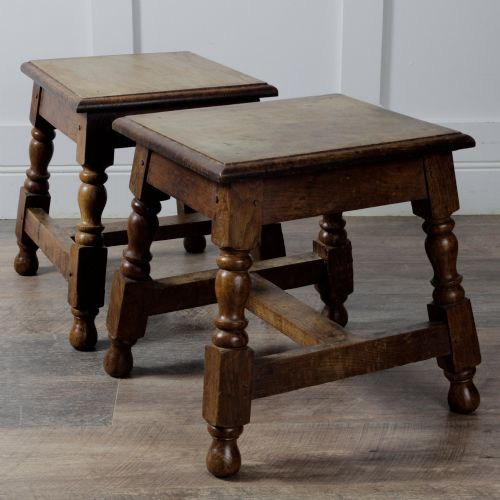
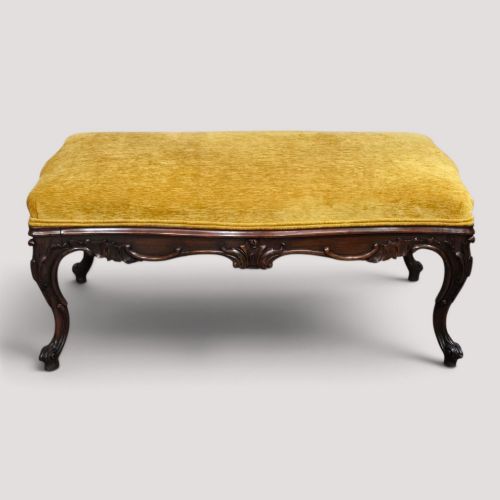
Cabinetmakers and vernacular joiners utilised solid hardwoods such as mahogany, walnut, oak, and rosewood for the frames, often employing traditional joinery like jointed construction or cross stretchers for stability. Turned legs, cabriole legs, and square tapering legs define the structural support across different eras and regional styles.
Upholstered versions rely on traditional stuffing and webbing beneath top layers of fabric, tapestry, needlework, leather, or beaded textiles. Many pieces also showcase decorative surface treatments, including carved detailing, gilt accents, or original painted finishes in ochre, yellow, and green.
Antique Low Footstool Retail Price Guide 2026
Typical asking prices for low footstool among the pieces listed under this phrase on Sellingantiques today, from the lower quarter to the upper quarter. They describe what is for sale here now, not the wider market.
The listings feature mahogany, walnut, oak, and rosewood frames alongside diverse textiles including tapestry, needlework, and heavy linen.
Judging quality in low stools
Quality rests in the integrity of the timber frame, the crispness of any hand-carving, and the fidelity of the period style. Superior examples display thoughtful proportions, robust structural joints, and harmonious wood grain, whereas simpler vernacular items derive their appeal from honest, untouched surfaces and original paint.
The standard of upholstery and the preservation of original textiles or needlework significantly influence the character of a piece. Finer examples retain their original upholstery methods and period coverings, while others demonstrate the careful execution of later traditional reupholstery.
Arthur Simpson Of Kendal·Harry and Lou Epstein
The Antique Low Footstool Glossary
- Gout stool
- A specialised low footstool featuring an adjustable incline or cushioned rest designed to elevate and support sore limbs. These low rests date frequently to the Regency and Victorian eras.
- Joint stool
- A sturdy wooden stool constructed with mortise and tenon joints using wooden pegs rather than metal fasteners. They represent traditional early joinery methods.
- Cross stretcher
- An intersecting X-shaped wooden brace connecting the legs of a stool lower down to provide structural rigidity. They are common on walnut and mahogany seating.
- Needlework
- Hand-stitched textile work utilising wool or silk yarns on a canvas mesh ground. Needlework seats provide decorative colour and texture to nineteenth-century footstools.
- Vernacular
- Everyday objects made by local craftsmen using regional timber traditions rather than following high-style academic design. Milking stools and simple ash or sycamore seats fall into this category.
Antique Low Footstool: Frequently Asked Questions
What is a gout stool?
A gout stool is a low, padded footrest designed to elevate the feet and legs for comfort. Victorian and Regency examples often feature adjustable inclines to suit the user.
These pieces were kept near firesides and armchairs for resting weary legs. Their compact low profile made them easy to tuck away when not in use.
How do I date an old footstool?
Dating relies on examining the timber species, leg turnings, joinery techniques, and upholstery style. Georgian pieces often feature square tapering or cabriole legs, while Victorian versions showcase turned walnut or carved rosewood frames.
Comparing the secondary woods and construction methods helps distinguish eighteenth-century items from later revival pieces. Original textiles and needlework provide further clues to the period of manufacture.
Where should I place a low stool?
Low stools work well beside armchairs as fireside footrests or placed in front of dressing tables as seats. Their diminutive height allows them to fit neatly into tight spaces where larger furniture will not go.
They also function effectively as small plant stands or display surfaces in hallways and living rooms. Their versatility makes them simple to move around a home as needed.
Are milking stools antique?
Milking stools are traditional three-legged or four-legged wooden seats originally used by agricultural workers for milking livestock. Many surviving examples date from the nineteenth and early twentieth centuries.
Their appeal lies in their rustic simplicity, honest construction, and preserved original painted surfaces. Collectors prize pieces retaining their authentic old ochre, green, or yellow paint.