



Antique Blue Flower Pot
An antique blue flower pot brings deep cobalt decoration and historical character to a room, whether housing a modest houseplant or standing empty as a decorative jardiniere.
Antique Blue Flower Pot
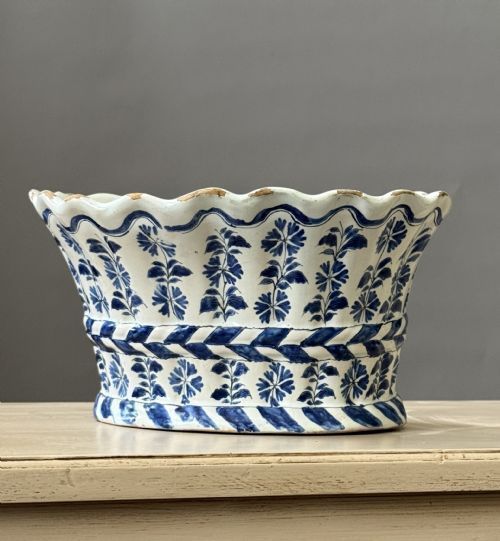
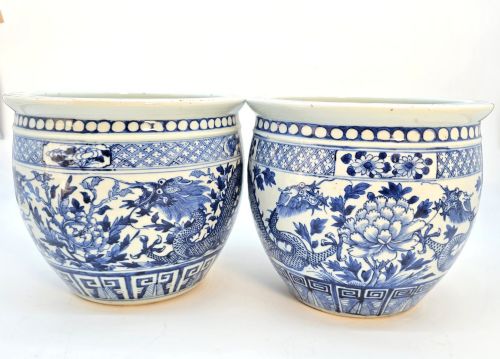
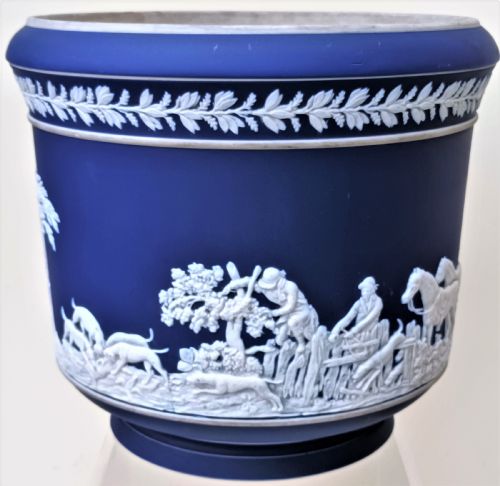
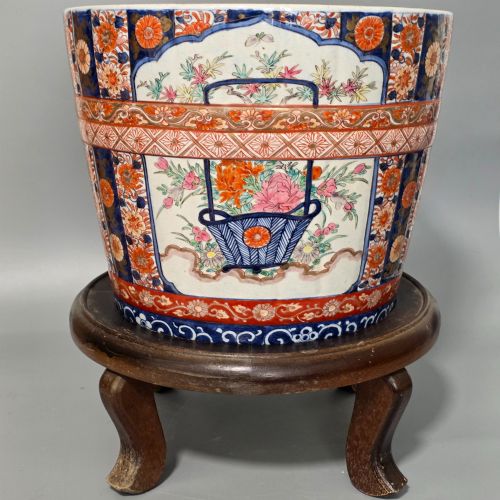
The search phrase antique blue flower pot encompasses a diverse group of planting vessels, jardinieres, cachepots, and bough pots designed to hold growing plants or cut foliage. You will frequently encounter nineteenth-century Japanese Imari jardiniere examples alongside Chinese export porcelain and English earthenware pieces on this page.
Makers and potteries from the eighteenth, nineteenth, and early twentieth centuries produced these vessels across distinct stylistic traditions, ranging from Georgian blue and white liners to Victorian majolica. Forms vary from traditional round planters to oval jardinieres with matching stands, reflecting the varied interior tastes of their periods.
What varies in quality
Quality rests in the crispness of the cobalt painting under the glaze, the weight and balance of the ceramic body, and the complexity of the decorative motifs. Pieces featuring hand-painted botanical or Imari patterns display a level of artistic execution that elevates them above standard transfer-printed wares.
The reputation of the pottery or workshop also shapes the standing of an individual vessel, with established makers achieving greater depth of colour and refinement in their finished glazes.
Nineteenth-century plant pots occasionally feature hidden drainage trays that prove past Victorian parlour botanists worried about overwatering their ferns just as much as modern gardeners do.
William Adams And Sons·Royal Worcester·Coalport·Doulton
The Antique Blue Flower Pot Glossary
- Jardiniere
- An ornamental pot or stand for holding flowers or plants, typically designed for indoor display rather than direct planting. These vessels often sit on matching ceramic saucers or bases.
- Cachepot
- A decorative outer pot that conceals a plain growing container, preventing water damage to furniture by catching drainage. They share a similar form to smaller jardinieres.
- Cobalt Underglaze
- A blue pigment applied to ceramic pieces before the final glaze and high-temperature firing, ensuring the colour remains permanent and protected. This technique produces the characteristic deep blue tones seen on traditional porcelain.
- Majolica
- A type of earthenware coated with an opaque tin-lead glaze and decorated with brightly coloured metal oxide paints. Victorian potteries utilised this technique to produce textured and sculptural planters.
Antique Blue Flower Pot: Frequently Asked Questions
Can I plant directly inside an antique jardiniere?
Planted soil can hold moisture against the unglazed interior or historical ceramic body, which risks damaging delicate earthenware or porous antique walls over time.
Experienced owners prefer placing a modern plastic nursery pot inside the antique vessel, using it as a cachepot to protect the historic material while keeping plants healthy.
How do I tell Japanese Imari from Chinese export porcelain?
Japanese Imari pieces typically combine cobalt blue underglaze with iron red and gilt highlights, featuring dense patterns characteristic of the Edo and Meiji periods.
Chinese export porcelain generally relies solely on cobalt blue and white decoration, showing distinct stylistic influences tailored for Western markets during the eighteenth century.
How should I clean an antique ceramic planter?
Dusting with a dry, soft cloth removes daily surface debris without introducing moisture to older, potentially fragile ceramic or earthenware bodies.
If washing is necessary, use lukewarm water and mild soap, avoiding harsh chemical cleaners that might affect historical glazes or remaining gilt details.