
Antique Blue Armchair
An antique blue armchair brings rich textiles and historic woodwork together to anchor a room with both comfort and character.
Antique Blue Armchair
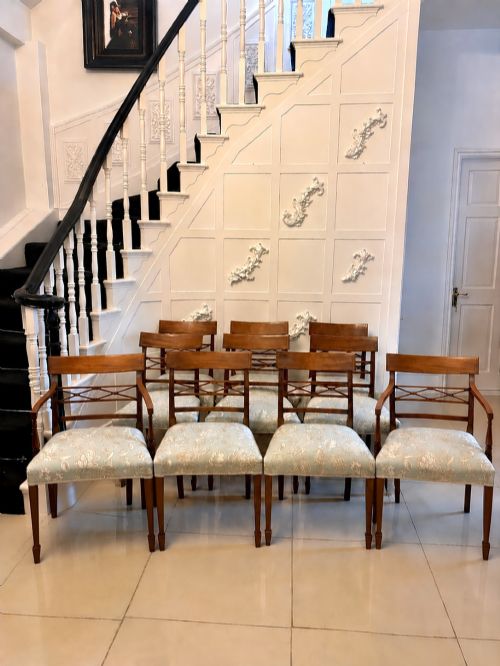
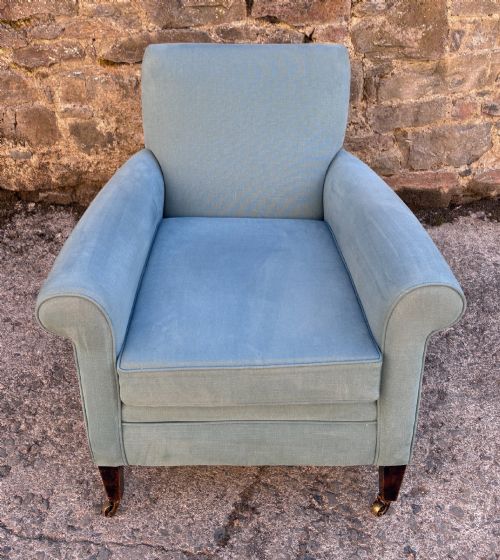
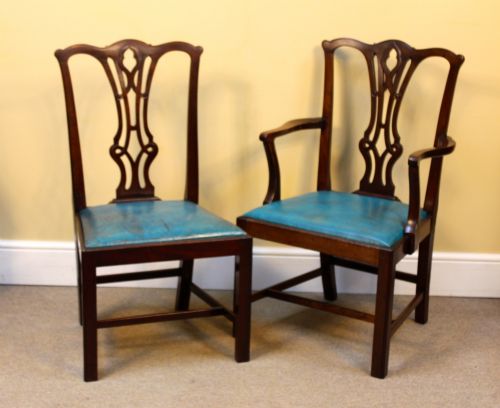
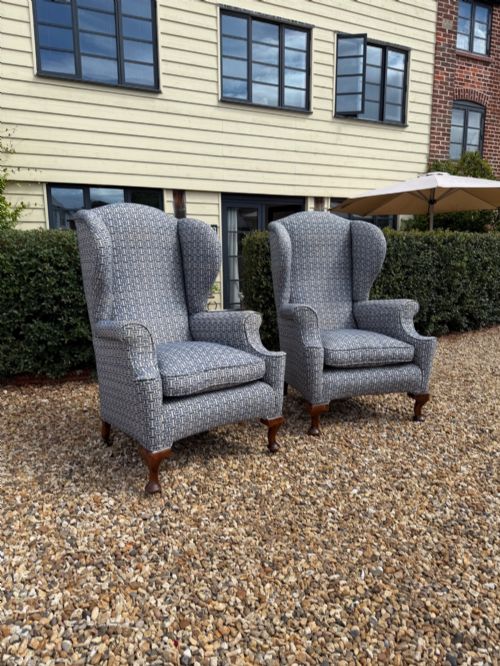
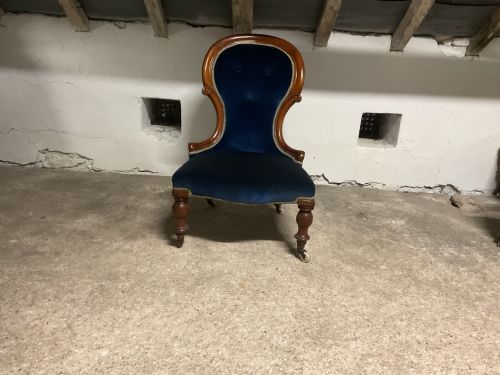
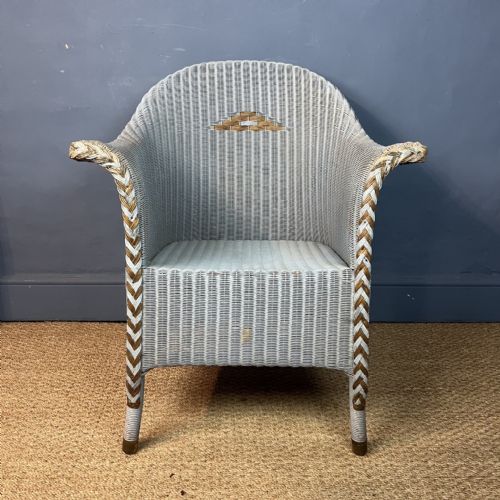
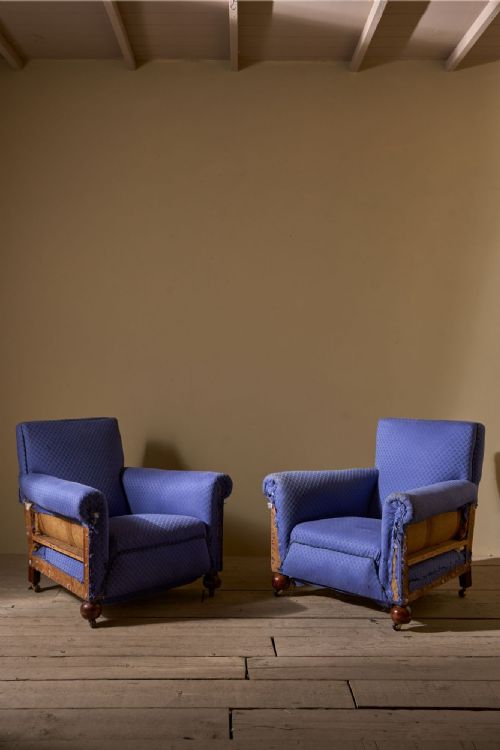
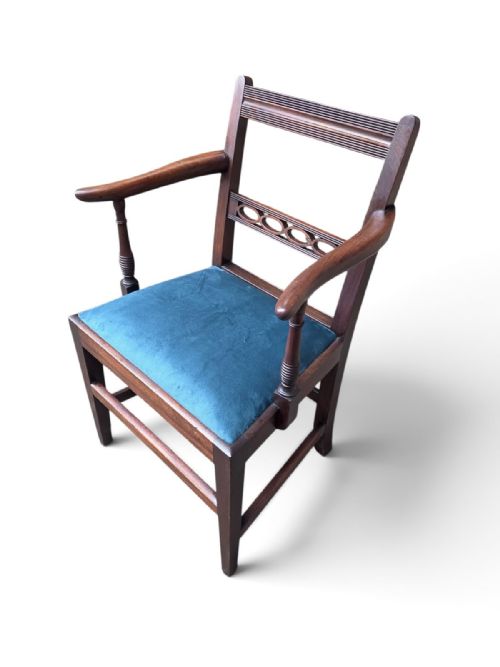
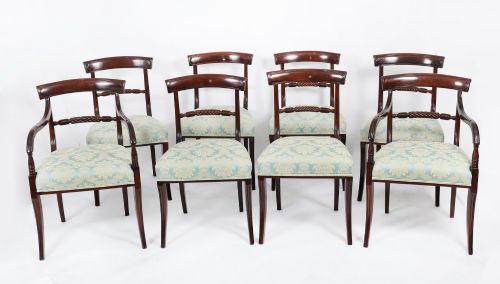
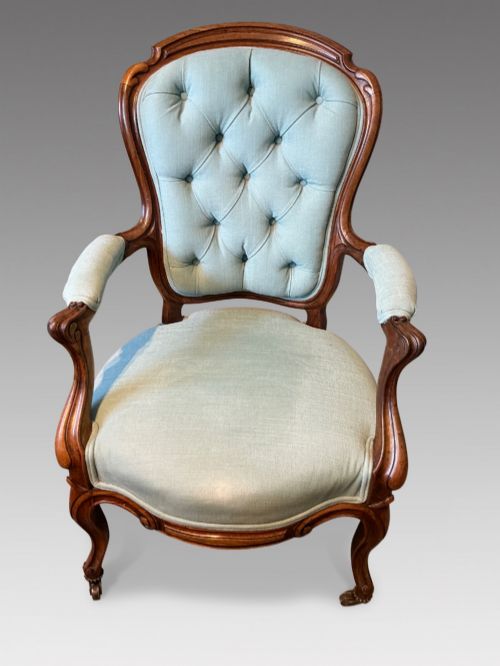
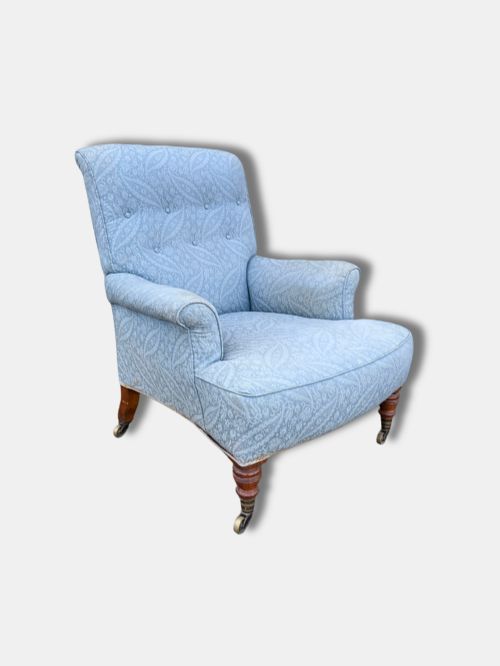
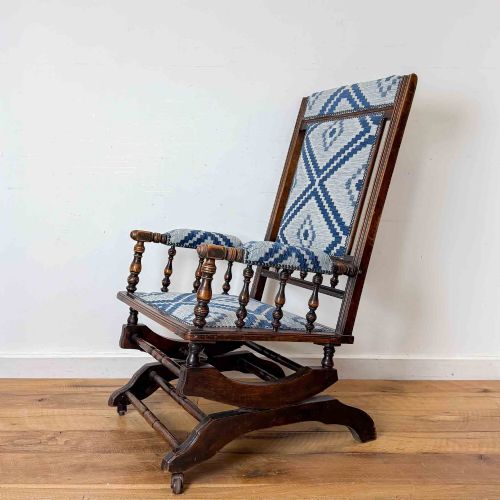
The antique blue armchair encompasses a wide range of seating forms, from deep-seated Victorian and Edwardian lounging chairs to Georgian carvers and French upholstered seating. Buyers exploring this search phrase will encounter sturdy timber frames upholstered in textiles ranging from powder blue velour to damask and gingham check.
The pieces appearing on this page span several centuries, with particular strength in the nineteenth and early twentieth centuries. Alongside full-sized library and fireside chairs, the selection includes dining carvers, tub chairs, and even small decorative porcelain miniatures.
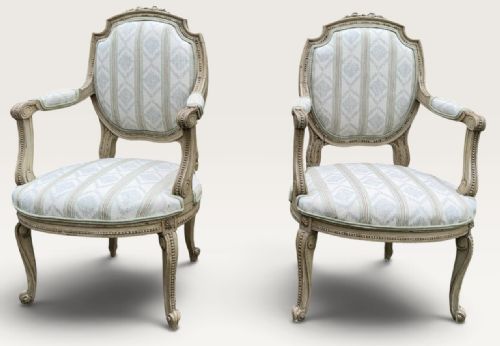
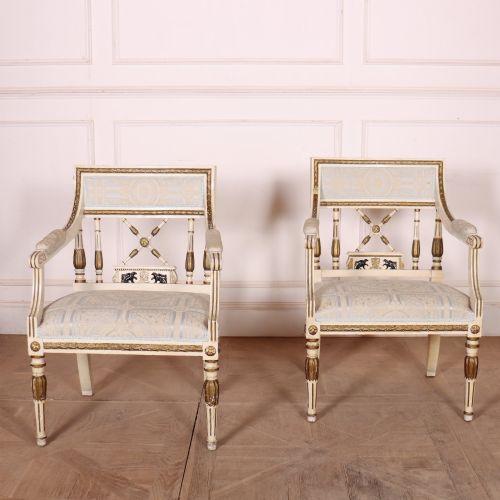
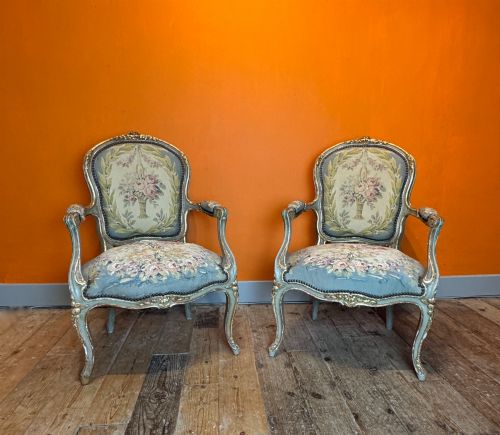
Origin and style vary considerably across the selection, featuring English country house pieces alongside French painted frames, Swedish Empire styles, and Dutch Delft porcelain. The common thread is the combination of traditional timber frameworks with blue upholstery or painted finishes.
Materials and construction
The structural framework of these chairs relies heavily on dense hardwoods such as mahogany and walnut, chosen for their strength in supporting carved arms, cabriole legs, and shield backs. Giltwood and original painted surfaces also appear, particularly on French and continental seating.
Upholstery defines the character of these chairs, utilising historical textiles including velvet, damask, tapestry, and contemporary replacement fabrics in shades of blue. Brass castors and button-back detailing frequently complete the construction of nineteenth-century lounging pieces.
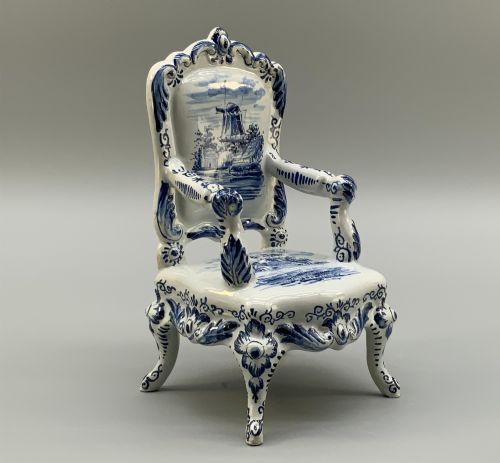
A tiny Dutch Delft porcelain armchair proves that even miniature furniture needed a proper blue finish.
Assessing quality and execution
Quality in these chairs rests upon the crispness of the timber carving and the integrity of the underlying frame construction. Finer examples display carefully proportioned joinery, well-turned legs, and harmonious proportions that balance comfort with architectural elegance.
The treatment of the surface finish also distinguishes pieces, whether through retained original paint, sensitive patination on exposed mahogany, or the quality of the textile chosen for re-upholstery. Higher grade pieces maintain authentic structural details such as original castors and traditional stuffing methods.
Howard and Sons·Morison and Co
The Antique Blue Armchair Glossary
- Bergere
- An enclosed armchair with stuffed upholstery and cane or upholstered sides. The solid frame provides a formal silhouette.
- Damask
- A reversible figured fabric woven on a jacquard loom, frequently found on period upholstery. Its pattern relies on the contrast between warp-faced and weft-faced sateen threads.
- Giltwood
- Timber that has been coated with a thin layer of gold leaf. This technique was used to highlight carved details on formal eighteenth and nineteenth-century seating.
- Velour
- A plush woven fabric with a thick, short pile resembling velvet. It provides a soft texture suited to deep-seated Victorian and Edwardian armchairs.
Antique Blue Armchair: Frequently Asked Questions
How do I clean antique blue velvet?
Velvet upholstery requires gentle brushing with a soft-bristled brush to lift dust and maintain the direction of the pile. Avoid harsh chemical cleaners and consult a textile specialist for deeper marks.
Protect the fabric from direct sunlight to prevent the blue shade from fading over time. Professional upholstery cleaning is recommended for antique textiles.
Are these chairs suitable for daily use?
Most sturdy nineteenth and twentieth-century armchairs are built to accommodate regular seating. Check the internal webbing and springs to ensure they provide adequate support for daily comfort.
Lighter decorative chairs and porcelain miniatures are better suited for display rather than heavy lounging. Match the structural integrity of the piece to its intended room.
How do I date a mahogany armchair?
Examine the colour and patination of the mahogany timber, alongside the joinery methods used in the frame. Earlier pieces often display hand-cut joints and simpler tool marks.
Stylistic cues such as shield backs, cabriole legs, or button-backed upholstery point toward specific decades like the Victorian or Edwardian eras. Compare the proportions and carving style with documented examples from the same period.
What is a bridge-water armchair?
A bridge-water armchair is a low, deep-seated upholstered lounging chair known for its relaxed proportions and rolled arms. It gained popularity for domestic comfort in country houses.
These chairs often feature supportive sprung seats and were frequently paired with matching footstools. Their design prioritises unstructured ease over rigid formal posture.