






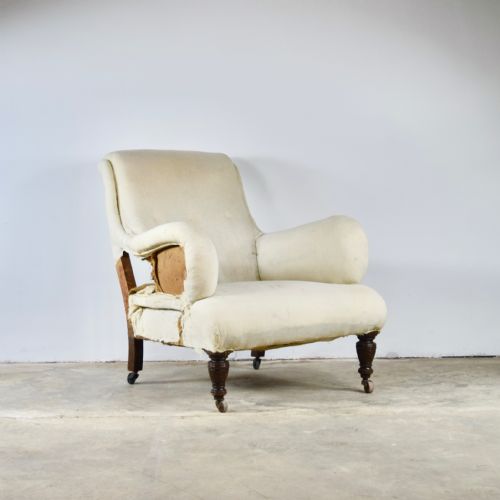
Howard Style Accent Chair
A howard style accent chair brings deep-seated English country house comfort to a room.
Howard Style Accent Chair
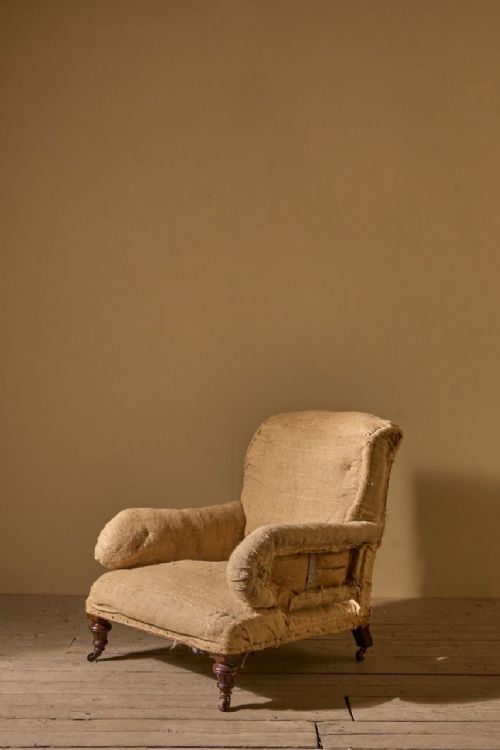
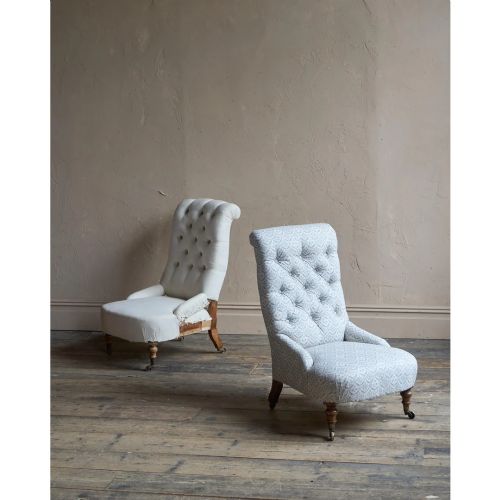
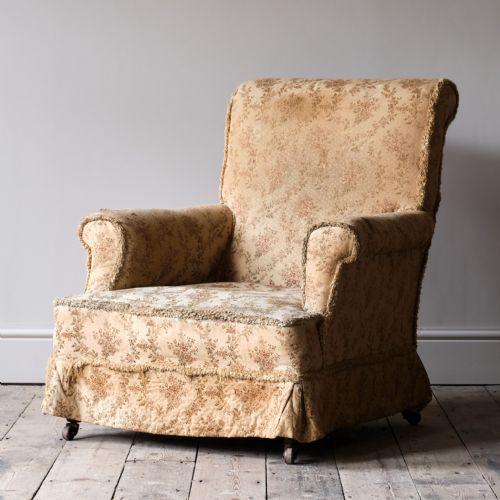
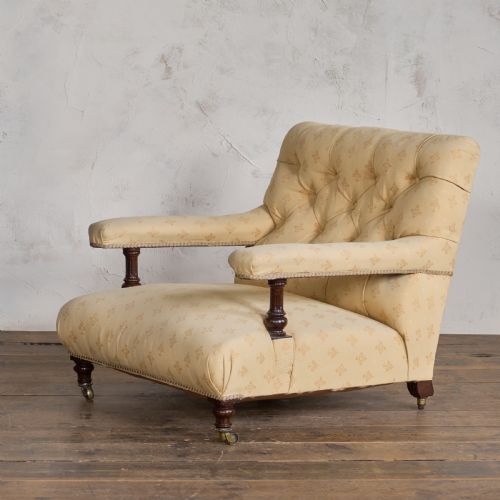
When you search for a howard style accent chair, you look at nineteenth-century seating that defines traditional English country house comfort. The armchairs, slipper chairs, and bedroom chairs on this page span the Victorian era, carrying deep seats and low profiles designed for actual lounging.
You meet both generous open armchairs and compact tub or slipper forms here. The nineteenth-century examples range from dated Victorian pieces to broader armchairs built with distinct nineteenth-century proportions.
Makers such as Howard and Sons set the standard for these deep-seated chairs, while nineteenth-century makers also produced similar Grafton style armchairs. The selection centres on upholstered seating created during the Victorian period, originating from English workshops.
How they were made
Makers built the frames of these chairs using solid hardwoods such as walnut and mahogany. These timber frames support the deep upholstery and provide the robust skeleton needed for heavy daily use.
Upholstery defines the construction, relying on traditional fabric, calico, cotton upholstery, and plush velvet. Finish details include brass elements, often seen on castors or structural accents attached to the wooden legs.
Some nineteenth-century slipper chairs sit so low to the floor they require a deliberate drop to reach the cushion.
What varies in quality
The integrity of the original timber frame separates standard examples from superior pieces. Strong walnut or mahogany framing maintains the structural discipline required over decades of sitting.
The choice of covering material and the depth of the seating build dictate the overall standard. Rich gold velvet or kilim upholstery layered over deep-sprung interiors represents the higher tier of nineteenth-century production.
Howard and Sons
The Howard Style Accent Chair Glossary
- Howard style
- A nineteenth-century English seating design known for deep proportions, low arms, and deep-sprung comfort. These chairs originate from Victorian country house traditions.
- Slipper chair
- A low-seated bedroom chair designed originally for ladies to sit while dressing. They possess short legs and generous upholstered bodies.
- Tub armchair
- A seating form featuring a rounded back that curves continuously into low arms. This shape provides an enclosing, comfortable seat.
- Calico
- A plain-woven cotton fabric used historically as the underlying inner upholstery layer on nineteenth-century frames. It holds the stuffing tightly before the top cover goes on.
- Kilim
- A flatwoven textile utilised as a decorative upholstery covering on Victorian seating. It brings geometric patterns and durable wool texture to the chair.
Howard Style Accent Chair: Frequently Asked Questions
What is a howard style accent chair?
A howard style accent chair is a nineteenth-century Victorian seating form known for deep, comfortable proportions and English country house origins. These pieces include armchairs, slipper chairs, and bedroom chairs designed for relaxed seating.
Such chairs rely on solid timber frames covered in velvet, fabric, or kilim upholstery. They reflect the high standards of nineteenth-century English furniture making.
How do I identify a Victorian armchair?
You identify a Victorian armchair by examining its nineteenth-century construction, timber frame materials like walnut or mahogany, and upholstery style. Many examples feature brass castors and deep-sprung seating.
Look for maker signatures or specific nineteenth-century proportions typical of English country house furniture. The presence of traditional calico and velvet points directly to this era.
Where were these chairs used?
These chairs served primarily in drawing rooms, libraries, and bedrooms of nineteenth-century English country houses. Their deep seats made them ideal for long periods of reading or resting.
Slipper chairs stood specifically in bedrooms for dressing, while large armchairs anchored main reception rooms. Their versatility allowed them to fit comfortably into various domestic spaces.
How do I live with antique upholstery?
Living with antique upholstery requires gentle care and regular maintenance to preserve fabrics like cotton, velvet, and kilim. Keep these chairs away from direct sunlight to prevent fading of the nineteenth-century textiles.
Allow the deep-sprung seats to support daily use while protecting the delicate wooden legs and brass details. Professional cleaning helps maintain the original fabrics safely.