
Wingback Easy Chair
A wingback easy chair combines deep upholstery and protective side panels to block draughts, offering a comfortable seat for sitting by the hearth.
Wingback Easy Chair
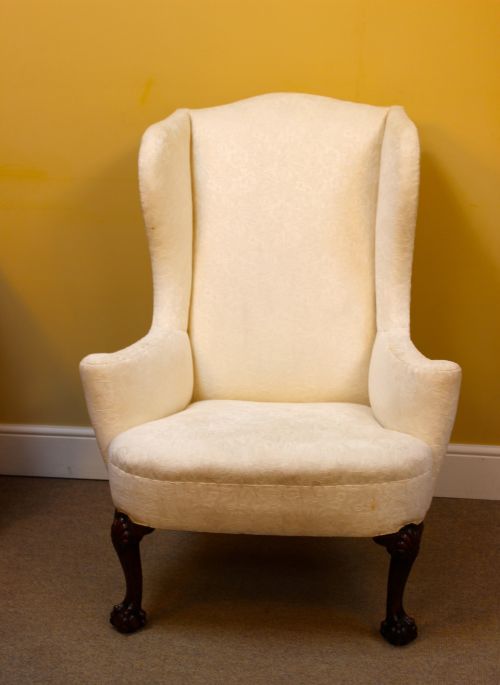
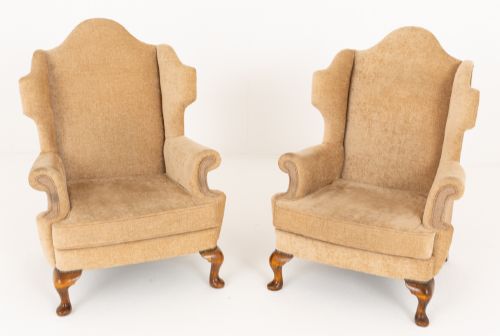
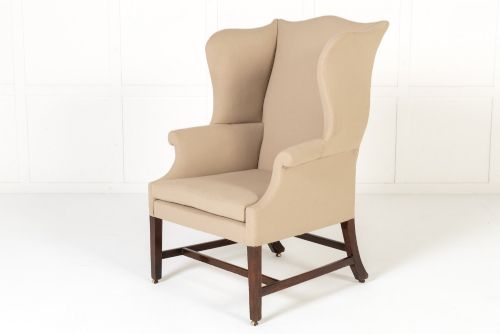
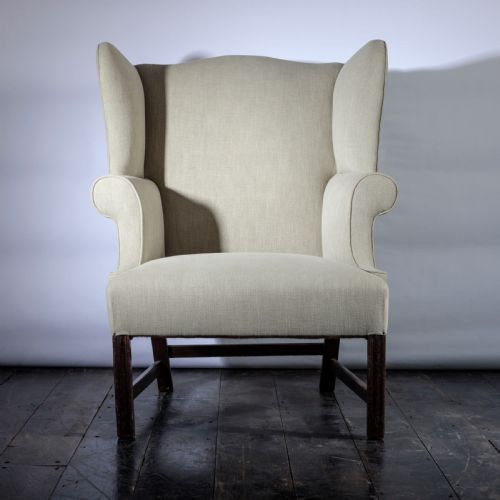
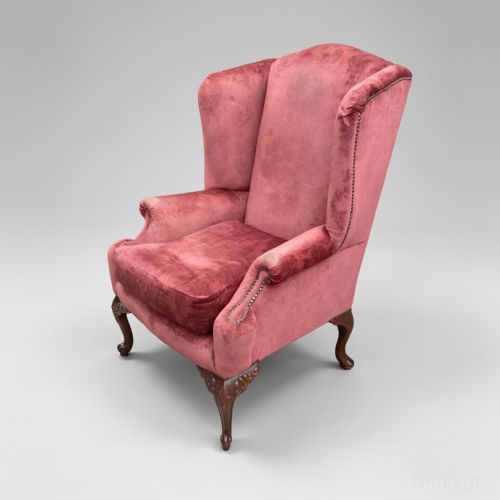
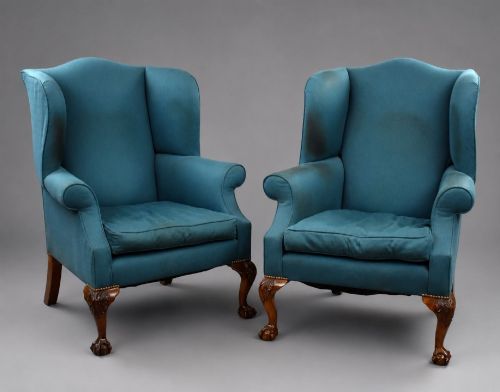
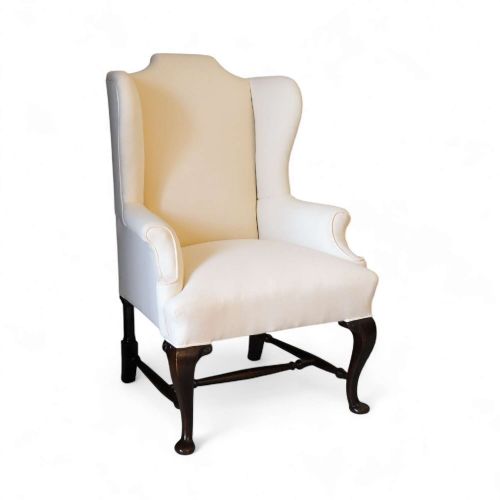
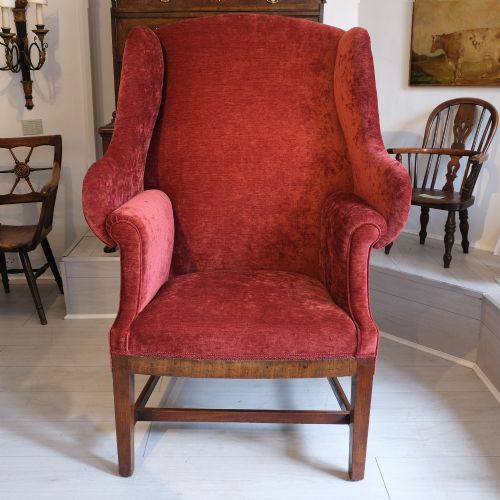
A wingback easy chair provides a high back and prominent upholstered side wings designed to retain warmth and shield the sitter from cold air currents. These seating pieces appear frequently in 18th century, Georgian, and 19th century forms, with later revivals spanning the Edwardian era up to the 1930s.
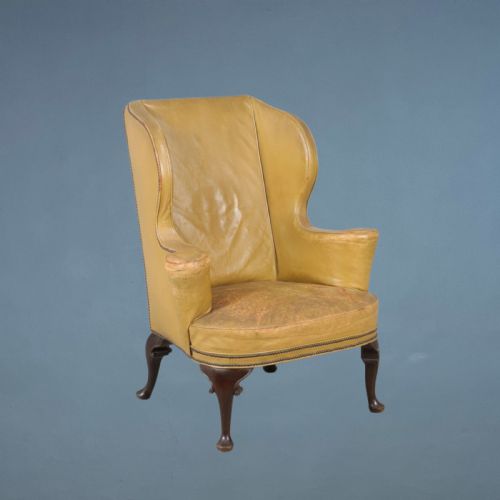
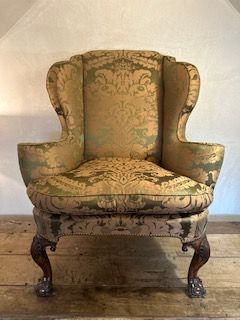
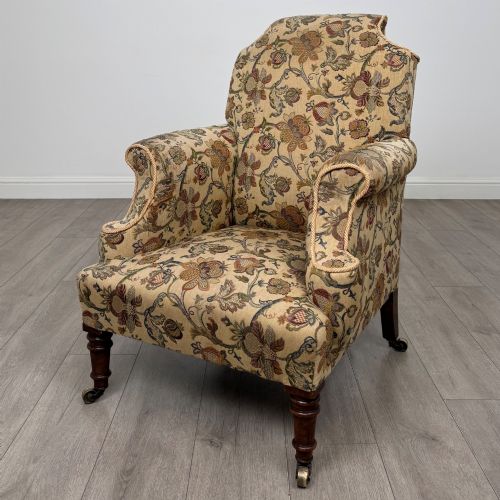
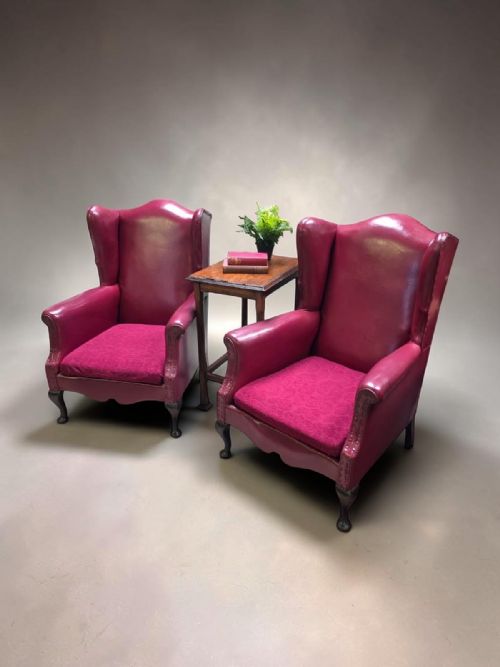
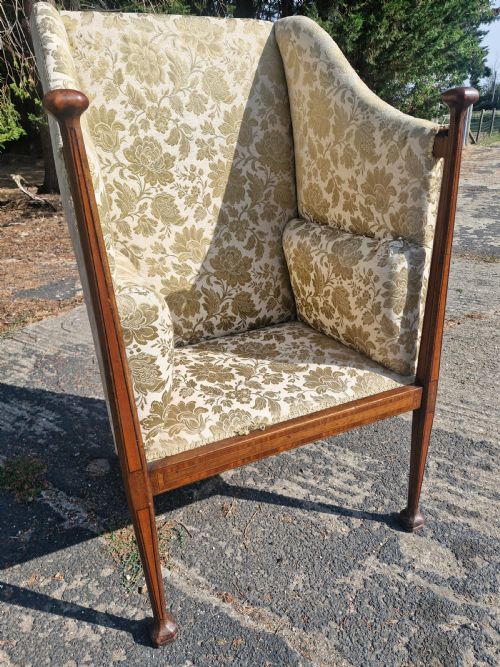
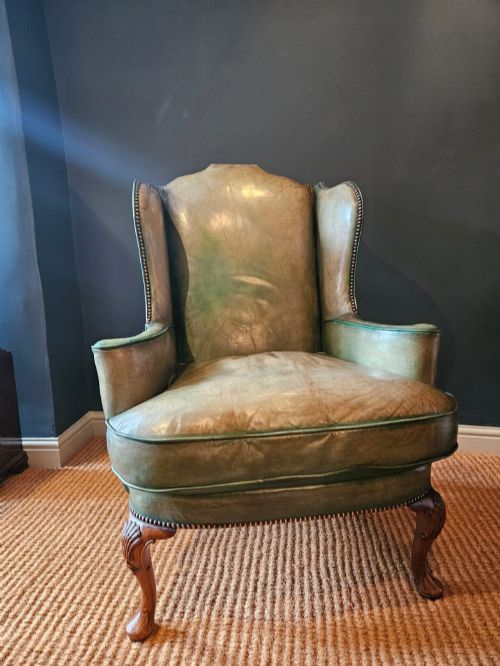
Buyers often encounter large scale mahogany or walnut frames alongside versions upholstered in leather, velvet, fabric, or calico. Traditional interpretations include Queen Anne and Chippendale revival styles, as well as distinct examples featuring cabriole legs.
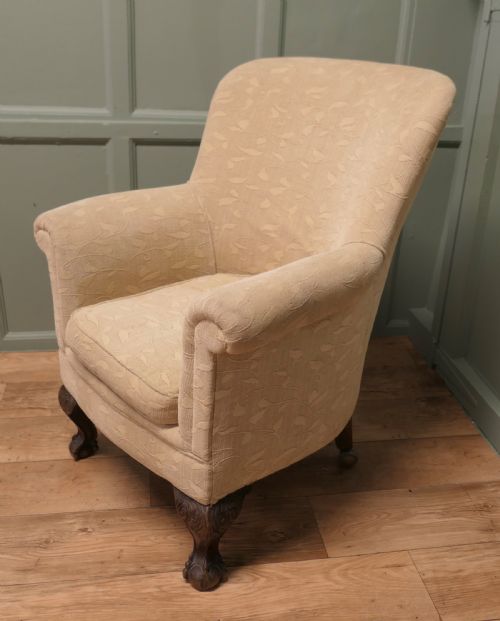
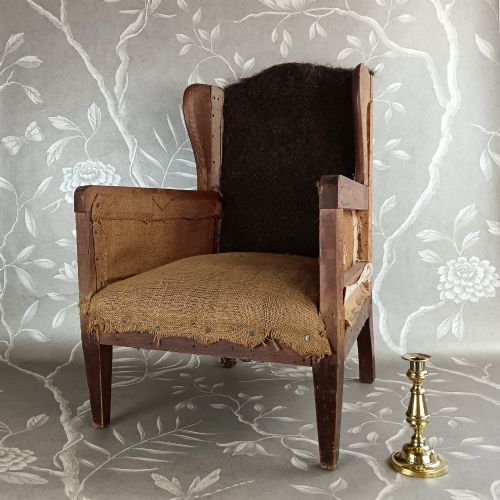
The inventory ranges from generous library armchairs to child-sized variations and occasional tub chairs. Many pieces arrive newly upholstered in calico or Hessian, ready for final covering.
Materials and Construction
Makers built the structural frames of a wingback easy chair using solid timber such as mahogany, walnut, oak, and other hardwoods. Artisans frequently shaped these woods into cabriole legs or carved details in the Irish manner.
Upholstery layers relied on traditional stuffing secured with Hessian foundation cloth, later finished in leather, velvet, or woven fabric. Brass tacks often fastened the hide or textile to the wooden frame, whilst internal elements utilised metal springs in later 19th and 20th century iterations.
Listings feature walnut and mahogany wingback easy chair frames spanning the Georgian, Victorian, and Edwardian periods.
Evaluating Quality
Quality in a wingback easy chair rests upon the proportion of the frame and the integrity of the timber carving. Superior examples display balanced wing curves and robust, well-defined legs rather than plain or clumsy turnings.
The depth of the seat scale and the quality of the primary material, whether figured mahogany or supple leather, dictate the standing of the piece. Authentic period joinery and timber selection separate finer workshop output from later revival interpretations.
Howard And Sons
The Wingback Easy Chair Glossary
- Cabriole leg
- A furniture leg that curves outward at the knee and tapers inward to an ankle, commonly seen on 18th century walnut and mahogany frames. This form mimics the shape of an animal's leg.
- Calico stage
- An intermediate point in upholstery where unbleached cotton calico is stretched tightly over the webbing and stuffing before the final decorative fabric is applied. It allows a buyer to choose their own top covering.
- Hessian
- A coarse woven fabric, often made from jute fibres, used as a sturdy foundation material for internal upholstery and webbing support. It provides a stable base for stuffing.
- Irish manner
- A distinct regional style of carving featuring robust ornamentation and substantial proportions, frequently found on mid-18th century mahogany seating. It denotes bold relief work on the knees and frame.
- Tub chair
- An armchair featuring a rounded, enclosed back that curves continuously into low arms. This compact form provides a cosy, enveloping seat.
Wingback Easy Chair: Frequently Asked Questions
What is a wingback easy chair?
A wingback easy chair is an upholstered seat featuring high backrests and projecting side panels known as wings. These elements were originally designed to shield the occupant from drafts in older, poorly heated rooms.
Today, these chairs serve as prominent seating pieces in studies and living rooms. They combine deep padding with supportive wooden frames.
How do I date a wingback chair?
Dating relies on examining the timber species, leg profiles, and construction methods used in the frame. Walnut and early mahogany typically indicate 18th century or Georgian origins, whilst later Victorian and Edwardian examples show different turning styles.
Upholstery materials also offer clues, though many pieces have been recovered over time. Looking at the bare frame during the calico stage reveals older joinery techniques.
Why buy one in calico?
Buying a chair in the calico stage means the internal webbing, stuffing, and foundational fabric are complete. This leaves the final decorative upholstery layer blank for personal choice.
It allows the buyer to match the chair directly to their interior colour scheme. It also ensures the foundational work is visible for inspection.
Where were these chairs used?
Historically, these chairs sat near fireplaces in parlours, libraries, and drawing rooms where drafts were common. The wings trapped heat from the hearth around the sitter's head and shoulders.
Modern interiors utilise them as statement reading chairs or fireside seating. Their scale makes them focal points within a room.