
Antique Blanket Coffer
An antique blanket coffer is a sturdy lidded chest designed for household storage, offering centuries of joinery skill and rich domestic history for modern interiors.
Antique Blanket Coffer
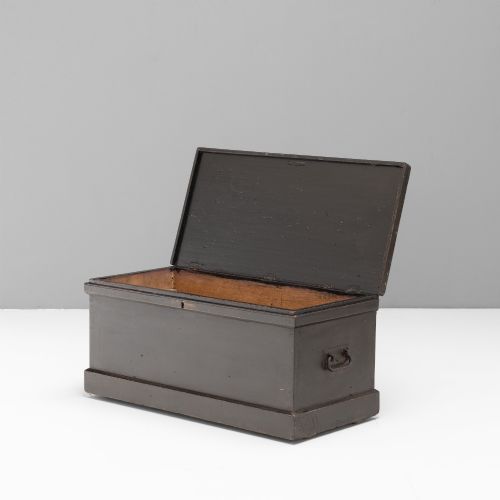
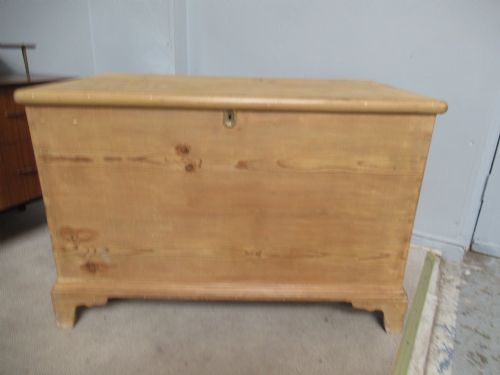
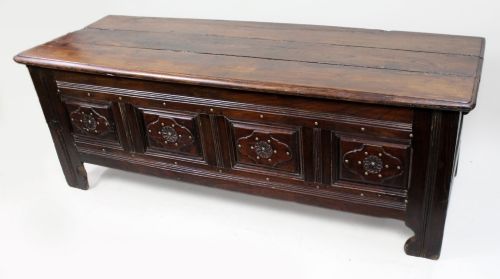
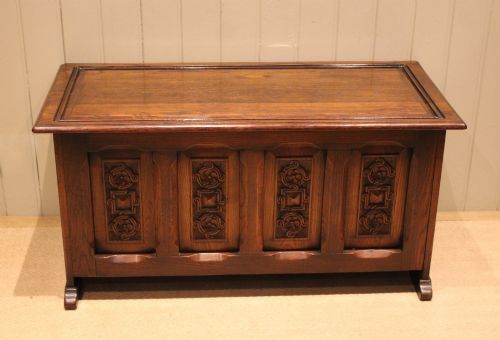
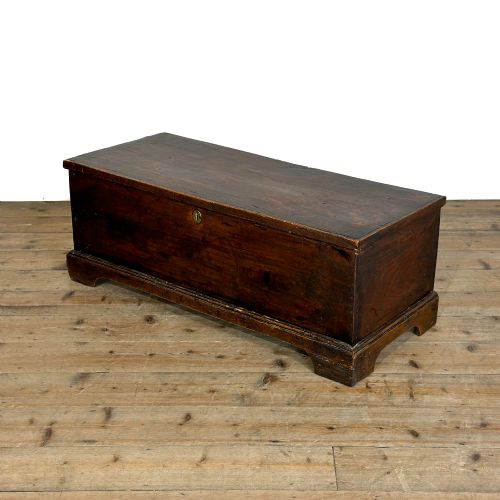
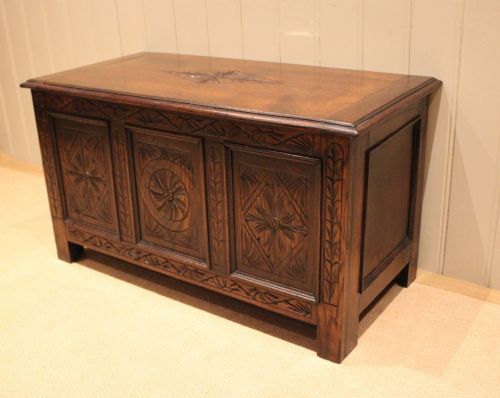
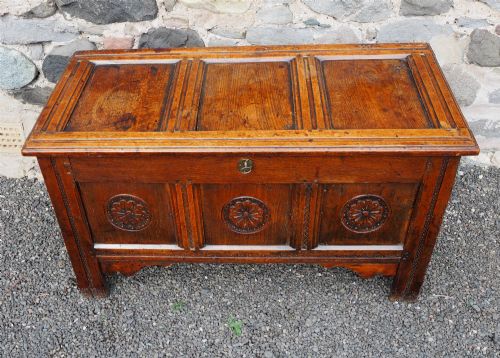
When you search for an antique blanket coffer, you encounter heavy timber storage chests spanning from the seventeenth century through the twentieth century. The most common form on this page is the joined oak box, often featuring carved panels and simple rectangular proportions designed to hold household textiles.
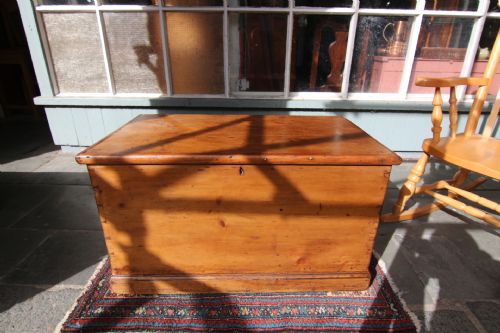
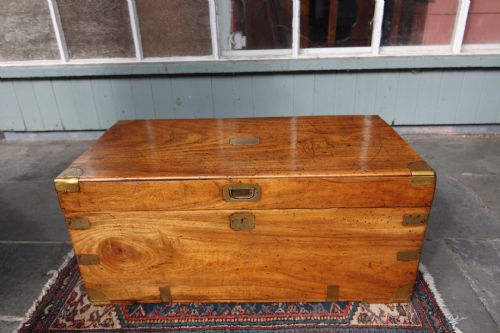
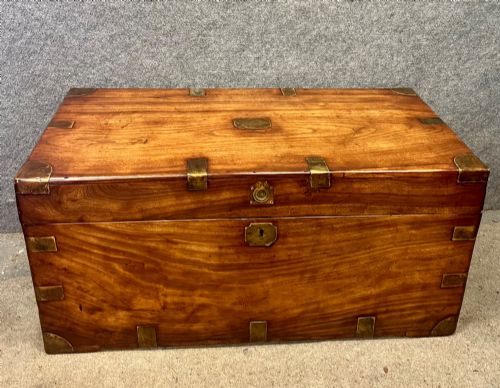
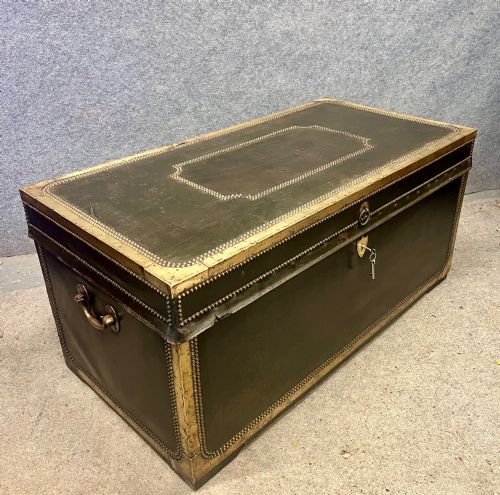
Earlier examples frequently date to the seventeenth or eighteenth centuries, displaying pegged frame-and-panel construction and occasional marquetry inlay. Later pieces tend to be nineteenth-century pine blanket boxes or travel trunks constructed in camphor wood, leather, and brass for military or domestic transit.
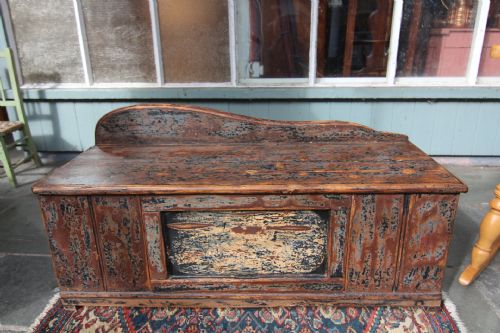
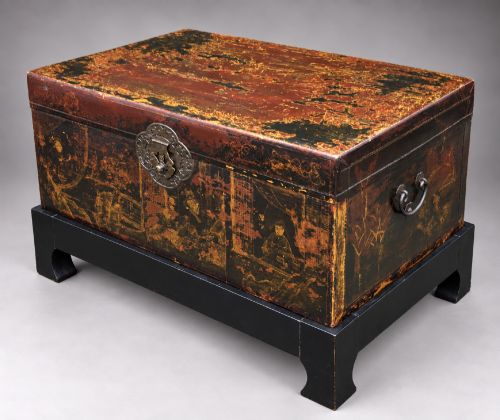
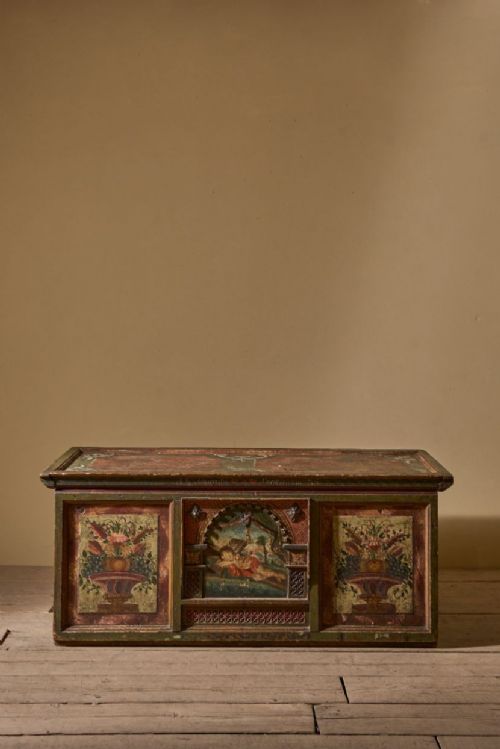
Regional variations appear regularly, from Welsh country oak coffers to Dutch East Indies padouk strong boxes and Anglo-Indian campaign trunks. These pieces served practical roles as blanket chests, sword chests, and mule chests before finding new utility in contemporary homes as low tables or window seats.
Materials and construction methods
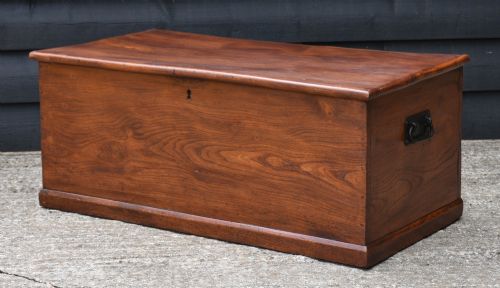
Oak dominates the earlier domestic pieces, shaped through traditional joined and panelled carpentry where pegged tenons lock the frame together around floating panels. Elm and pine appear frequently in regional furniture and later utilitarian boxes, offering durable domestic alternatives to heavier hardwoods.
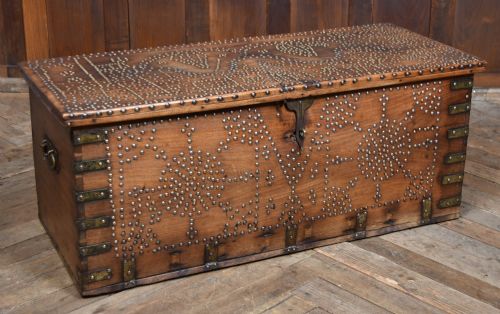
Campaign trunks and overseas pieces utilise exotic timbers such as camphor wood and padouk, selected for their insect-resistant qualities during long sea voyages. These travel pieces incorporate brass bindings, iron handles, and studded leather to reinforce the corners against the rigours of transit.
Listings feature oak, pine, elm, camphor wood, and padouk, spanning seventeenth-century joined chests to twentieth-century steamer trunks.
Distinctions in construction and design
The division between standard utility boxes and finer examples rests on the depth of hand-carved ornamentation, timber selection, and the integrity of the original joints. Early joined oak pieces with crisp geometric or floral carving command greater interest than plain later variants.
Hardware and secondary timbers also signal quality, particularly on travel chests where substantial brass mounts, dovetailed internal tills, and intact leather surfaces survive without modern replacement.
Samuel Pratt
The Antique Blanket Coffer Glossary
- Mule chest
- An antique storage chest that combines a lidded top compartment with one or more drawers built into the base. This form emerged as makers sought easier access to stored linens.
- Campaign trunk
- A portable storage chest designed for military officers or travellers on the move. These pieces usually feature recessed brass handles and reinforced corners for frequent transit.
- Six-plank coffer
- A primitive chest constructed from six distinct boards joined directly at the edges with nails or pegs. This utilitarian form represents some of the earliest surviving domestic storage.
- Marquetry
- The art of applying decorative veneer pieces to a structure to form intricate patterns or pictures. It appears on select high-status seventeenth-century oak coffers.
Antique Blanket Coffer: Frequently Asked Questions
What is an antique blanket coffer?
An antique blanket coffer is a heavy wooden chest traditionally built to store household textiles, linens, and garments. These pieces range from primitive six-plank boards to panelled oak boxes and brass-bound travel trunks.
They served essential storage functions in domestic interiors before evolving into decorative furniture utilised for seating and display in modern hallways and living rooms.
How do I date an oak coffer?
Dating an oak coffer relies on examining the construction methods, tool marks, and decorative carving styles present on the panels and frame. Seventeenth-century examples typically show pegged joinery, hand-riven timber surfaces, and distinct geometric or strapwork carving.
Later eighteenth and nineteenth-century pieces often incorporate machine-sawn elements, simpler mouldings, and standardised hardware that reflect industrial woodworking shifts.
Were these chests used for travel?
Certain coffers and chests were specifically built for travel, notably nineteenth-century campaign trunks fashioned from camphor wood, leather, and brass. These boxes were constructed to withstand long journeys by ship and land for military officers.
Domestic oak coffers, however, remained stationary furniture fixtures within the home, designed to protect heavy woollen blankets from moths and dampness.
How do I use a coffer today?
Blanket coffers function naturally at the foot of a bed or beneath a window as a dual-purpose seat and storage container for spare duvets and cushions. Their flat wooden lids also make them suitable for use as low coffee tables in living spaces.
Placing them away from direct heat sources and radiators protects the aged timber from drying out and splitting over time.