

Vintage Ottoman Seat
A vintage ottoman seat offers practical comfort and period character, bringing traditional upholstery and timber frames into modern rooms.
Vintage Ottoman Seat
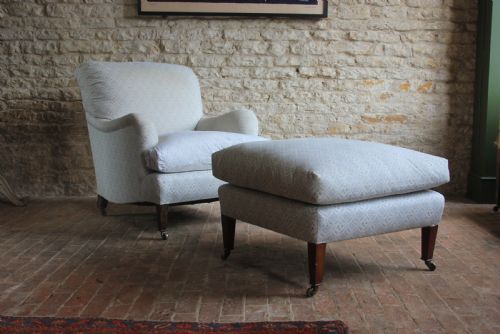
A vintage ottoman seat encompasses a wide variety of low resting furniture, including footstools, dressing stools, and storage ottomans. Buyers search this phrase to find upholstered seating pieces that function as footrests, extra seats, or low tables.
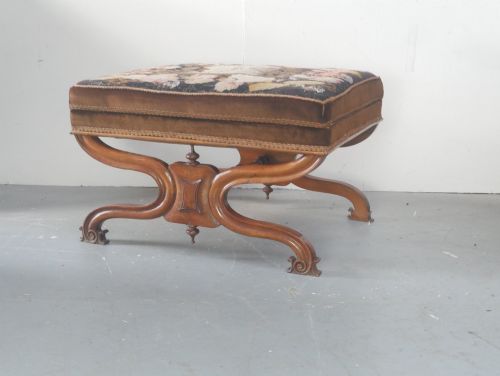
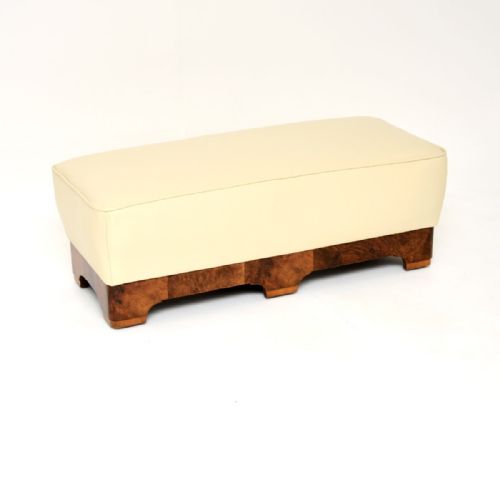
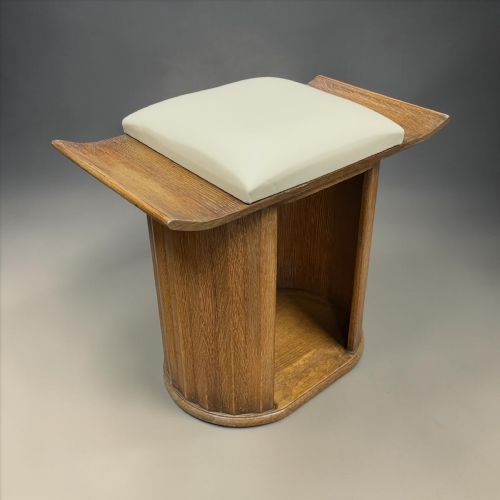
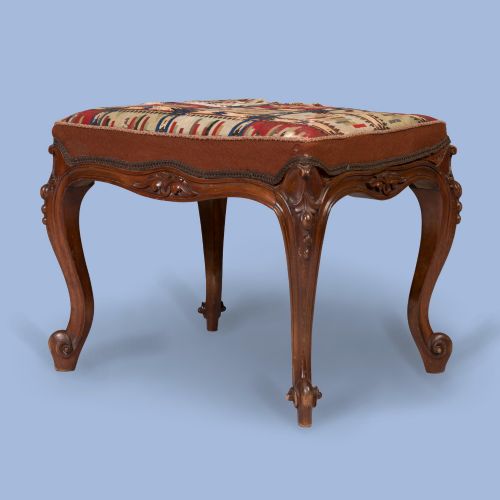
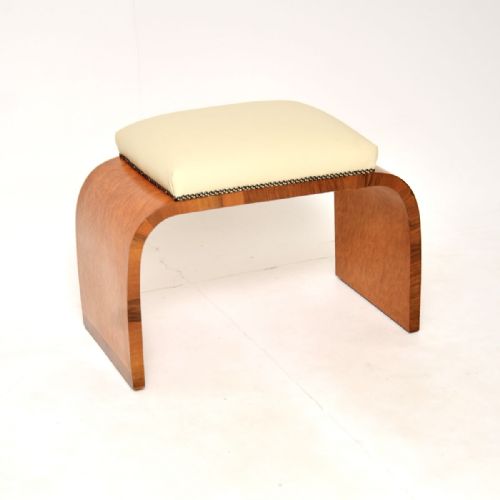
The selections span multiple decades and design revivals, featuring Victorian walnut frames, Edwardian lacquered pieces, and streamline Art Deco forms. Stools and ottomans appear in various timber types with needlework, leather, or kilim coverings.
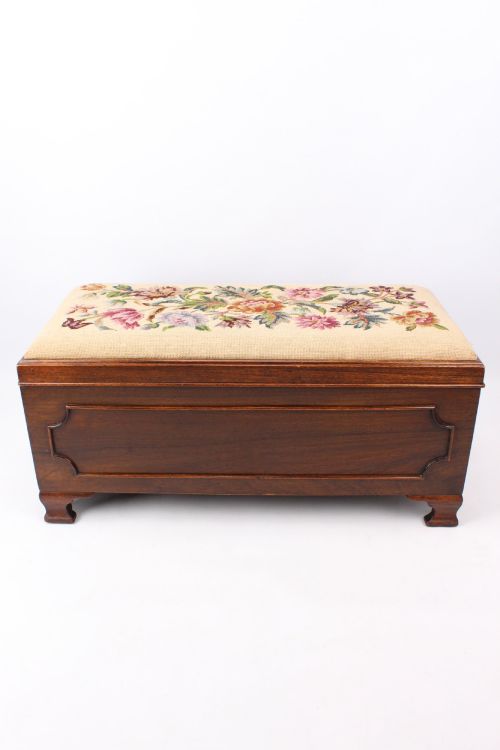
The most common formats on this page combine timber frames with textile or leather upholstery, often incorporating concealed storage beneath the seat. Pieces range from simple dressing table stools to substantial country house storage ottomans.
How they were made
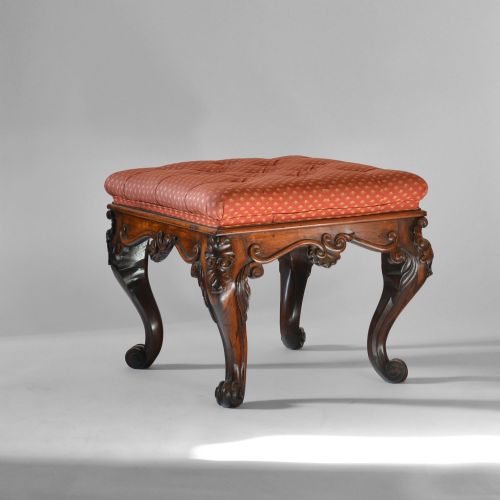
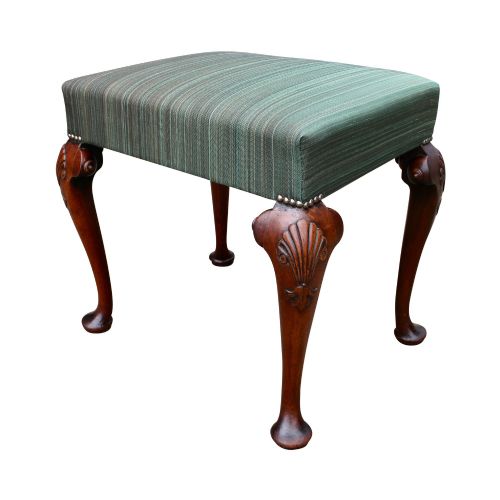
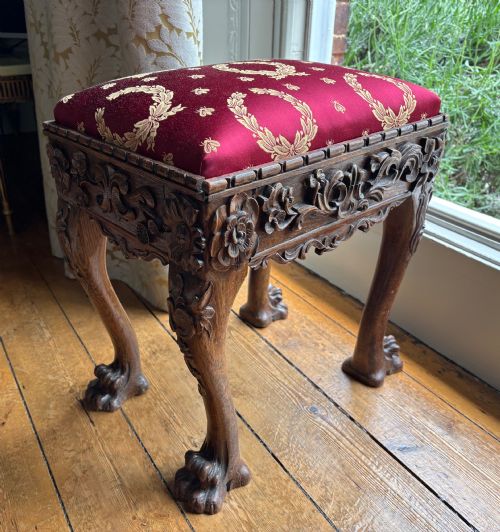
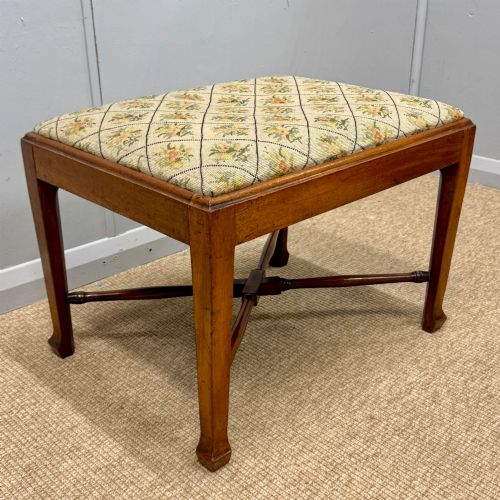
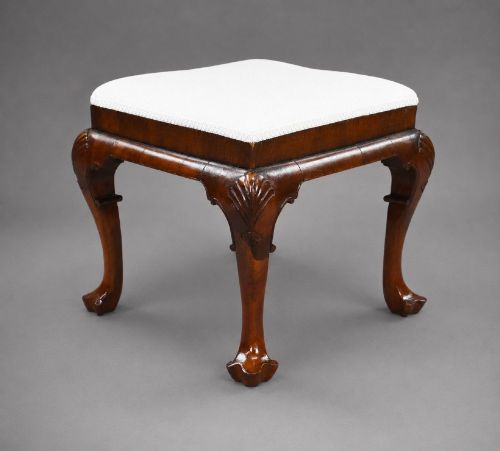
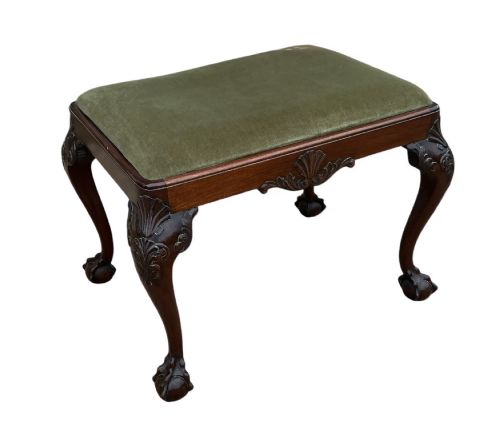
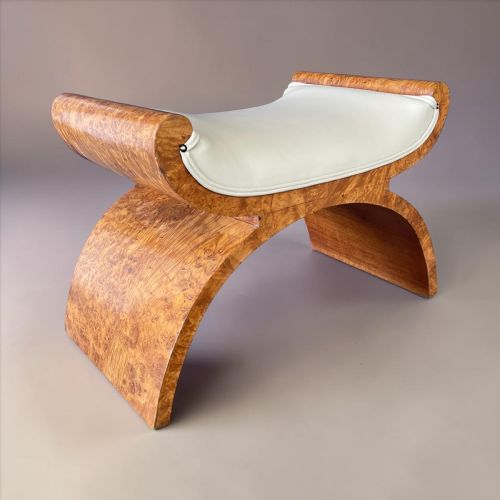
Frames rely on traditional cabinet timbers such as mahogany, walnut, oak, and rosewood, shaped with carved details, cabriole legs, or cross stretchers. Joinery techniques reflect the period, from Victorian solid walnut construction to Art Deco burr walnut and birds-eye maple veneers.
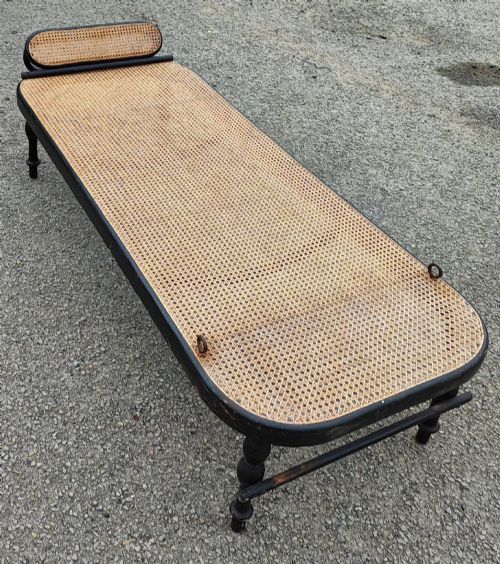
Upholstery methods utilise durable foundations paired with top coverings of leather, velvet, woven textile, needlework, or kilim. Secondary materials like brass castors, cane, and woven rattan appear across nineteenth-century and early twentieth-century examples.
Listings feature timber frames in mahogany, walnut, oak, and rosewood, paired with upholstery including leather, velvet, kilim, and needlework textiles.
What varies in quality
The distinction between ordinary production and superior craftsmanship lies in the execution of the timber frame and the integrity of the carving. Finely carved walnut, mahogany, or giltwood frames with balanced proportions represent the upper tier of execution.
The selection of surface materials also dictates overall standard, particularly where makers employ burr veneers, specialised textiles, or integrated storage mechanisms. Pieces associated with documented makers or specific revival styles command greater attention for their design fidelity.
Harry and Lou Epstein·Howard and Sons·Hallett and Sons·Miles and Edwards
The Vintage Ottoman Seat Glossary
- Ottoman
- A low upholstered seat or footstool without back or arms, often featuring a hinged top that opens for storage. These versatile pieces function as footrests or impromptu seating.
- Cabriole leg
- A furniture leg that curves outward at the knee and inward at the ankle, ending in a decorative foot. This profile is common on revival and period seating.
- Kilim
- A flatwoven textile originating from the Middle East and southeastern Europe, utilised as a durable upholstery covering. Such coverings add geometric patterns and texture to nineteenth-century frames.
- Chinoiserie
- European decorative art style reflecting Chinese motifs, popular in lacquered furniture finishes. Edwardian pieces often display this technique in black lacquer.
- Curule
- An X-shaped stool or chair design derived from ancient Roman magistrate seats. This architectural frame provides structural strength and a classical silhouette.
Vintage Ottoman Seat: Frequently Asked Questions
What is a vintage ottoman seat used for?
These pieces serve multiple domestic functions, acting as footrests, low seats, or dressing table stools. Many incorporate internal storage compartments for blankets or small items.
Their compact scale allows them to fit easily into living rooms, bedrooms, or hallways as both decorative and practical additions.
How do I identify a Victorian ottoman?
Victorian examples typically feature dense timbers like walnut or mahogany, often with deep buttoning, needlework, or leather upholstery. Look for traditional hand-carved details and robust construction.
Proportions tend to be generous, reflecting the heavier upholstered styles popular during the nineteenth century.
Are Art Deco ottomans different from earlier styles?
Art Deco pieces favor geometric symmetry and striking wood veneers such as burr walnut, birds-eye maple, or oak. They often incorporate drum-shaped bodies with built-in storage.
Unlike ornate Victorian or revival seating, these items emphasise clean lines and smooth polished surfaces.
How do I care for leather and wood?
Timber frames benefit from occasional polishing with traditional wax to maintain the finish and nourish the wood. Leather upholstery requires gentle cleaning and conditioning to prevent drying.
Keep these items away from direct sunlight and excessive heat sources to preserve the materials.