




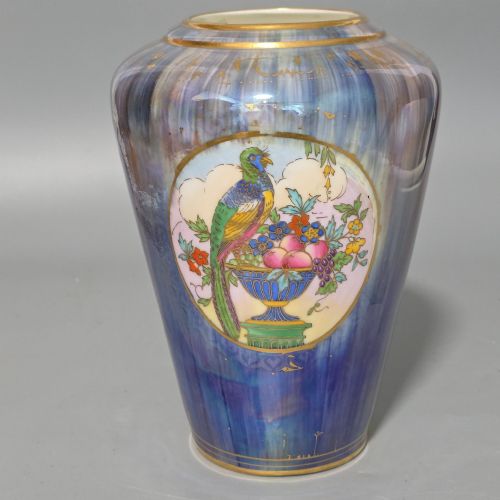

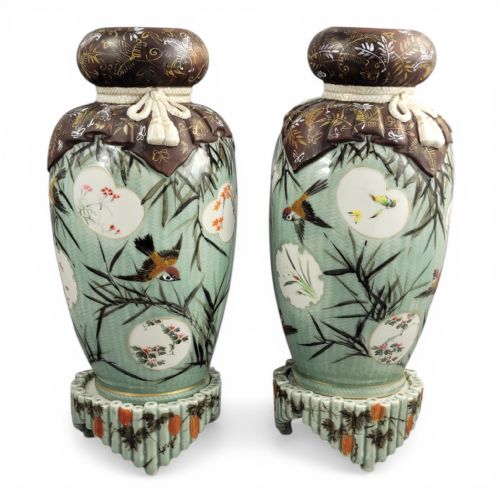

Antique Bird Painted Vase
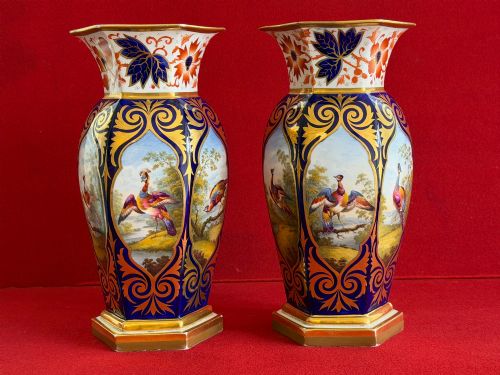
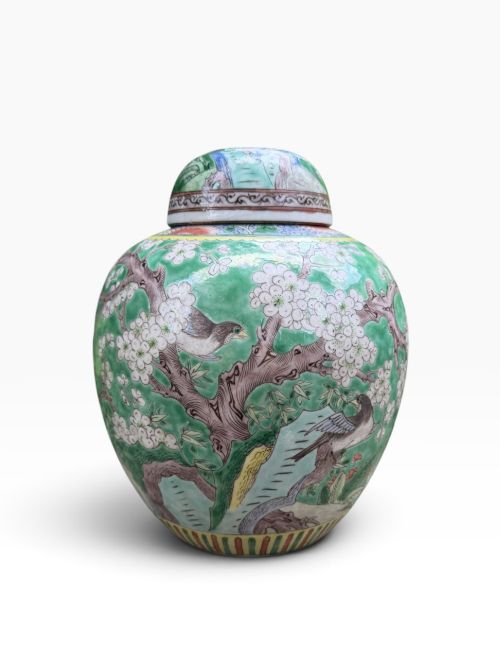
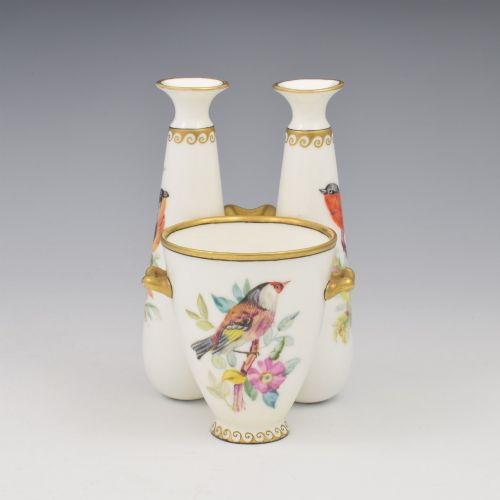
These antique bird painted vase examples bring together porcelain and earthenware forms decorated with hand-rendered avian subjects across several centuries.
Antique Bird Painted Vase
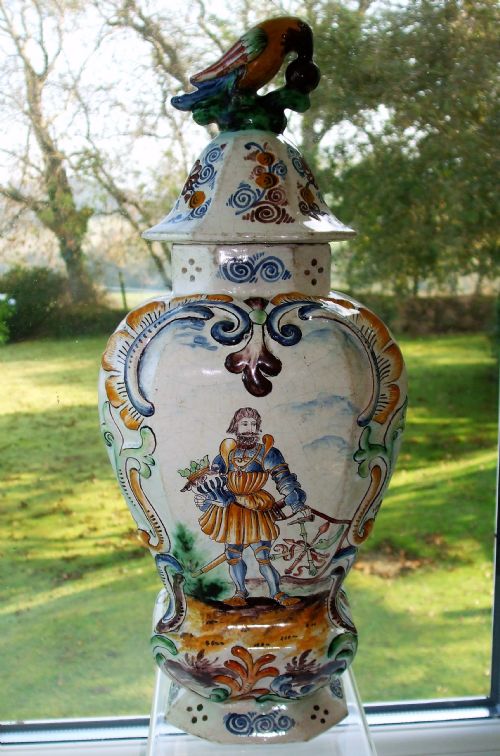
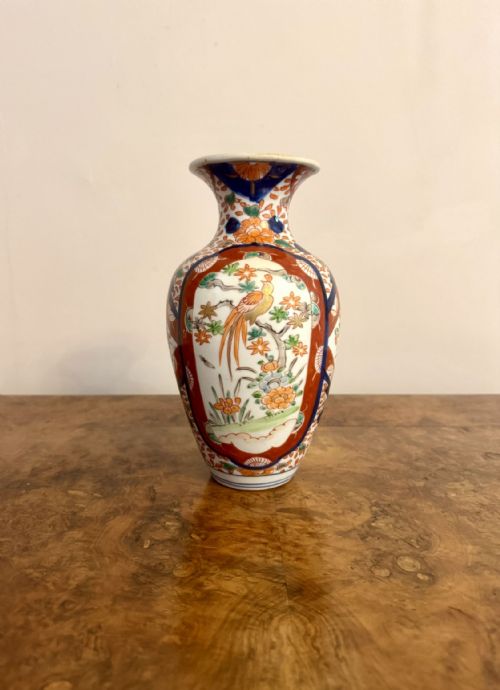
An antique bird painted vase incorporates hand-rendered avian subjects upon ceramic, porcelain, or glass bodies created across the nineteenth and twentieth centuries. Buyers seeking this phrase encounter British porcelain works from factories such as Worcester alongside Japanese earthenware and Chinese porcelain vessels.
The forms span ginger jars, jardinières, and cabinet vases decorated with ornithological studies, exotic birds, or garden fowl. English examples often highlight specific bird species painted by named porcelain artists, while East Asian pieces present traditional interpretations of birds and flowers.
Vessels range from cabinet-scale miniatures to monumental pairs, accommodating diverse collector interests. Earthenware and tin-glazed varieties such as Dutch Delftware provide distinct stylistic contrasts to fine bone china and hard-paste porcelain.
Materials and construction
Makers shaped porcelain, earthenware, or glass bodies before applying tin glazes, enamels, or polychrome pigments by hand. Worcester and Derby pieces utilised fine porcelain painted with mineral colours and finished with gold leaf or gilding.
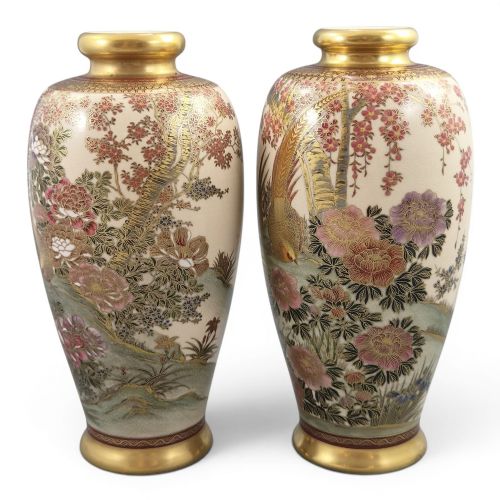
Japanese workshops employed earthenware surfaces decorated with Satsuma glazes and intricate over-paint, occasionally incorporating lacquer layers. European makers utilised enamel techniques fired at high temperatures to secure permanent vibrancy in the plumage details.
Listings feature 19th Century, Victorian, and 18th Century periods alongside earthenware and porcelain materials.
Quality variations
The refinement of the brushwork defines the distinction between standard production and top-tier artistic achievement. Skilled painters captured feather texture, anatomical accuracy, and naturalistic posture with precision rather than relying on stencils or transfer prints.
The prestige of the manufactory and the documented hand of a known porcelain artist elevate certain pieces above anonymous factory output. The clarity of the glaze, the richness of the gilding, and the crisp preservation of the enamel colours separate superior examples from worn or heavily restored items.
Flight, Barr and Barr·Royal Worcester·Royal Crown Derby·Kinkōzan·Doulton Lambeth·Rozenburg
The Antique Bird Painted Vase Glossary
- Famille Rose
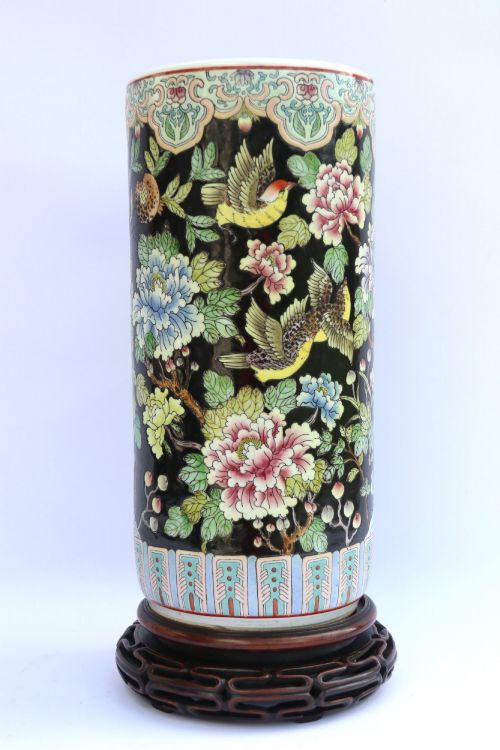
- A major palette of Chinese ceramic glazes introduced in the Qing Dynasty, distinguished by opaque pink or rose enamel colours. It frequently frames elaborate scenes of birds among flowering branches.
- Satsuma
- A type of Japanese earthenware originating from Satsuma Province, characterised by a ivory-coloured, crackled glaze. Pieces are typically decorated with fine polychrome enamels and gilding depicting birds and figures.
- Jardinière
- An ornamental ceramic or metal pot designed to hold plants or floral arrangements. Large examples provide stable bases for extensive avian landscape paintings.
- Tin-Glazed Earthenware
- Pottery coated with a white tin oxide glaze that provides an opaque surface for painting. Dutch Delftware utilises this technique for blue-and-white or polychrome bird motifs.
Antique Bird Painted Vase: Frequently Asked Questions
How do I identify a painted bird vase?
Examine the surface closely under magnification to separate hand-applied enamel brushstrokes from mechanical transfer printing. Look for artist signatures or factory backstamps underneath the base.
Compare the plumage details against known period pattern books from factories like Worcester or Satsuma kilns. The presence of raised enamel work often points towards skilled studio execution.
What periods do these vases date from?
The selection spans from the seventeenth century through to the early twentieth century. Victorian and Edwardian examples sit alongside nineteenth-century Japanese Meiji period imports.
Earlier pieces typically feature Dutch Delft or Georgian porcelain, while later items encompass Art Nouveau and early twentieth-century earthenware production.
Are these vases meant for holding water?
Many antique ceramic and porcelain vessels function primarily as decorative cabinet pieces rather than functional flower holders. Fine gilding, delicate enamel work, and porous earthenware bodies mean modern water usage can damage the interior or surface.
Use internal glass liners if fresh stems are required, or keep the vessels strictly dry to preserve the historic finish.
How should I display porcelain bird vases?
Position vases away from direct sunlight to prevent the hand-painted enamels and gilt highlights from fading over time. Stable, vibration-free surfaces protect fragile porcelain rims and original matching stands.
Ensure adequate spacing around pairs to showcase the continuity of the avian artwork.