


Antique Bird Mount
These antique bird mount pieces bring preserved avian specimens and ornithological art into domestic spaces.
Antique Bird Mount
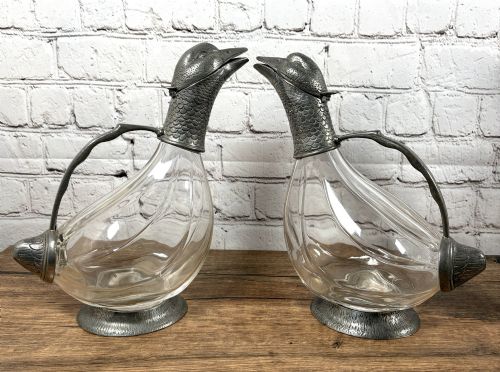
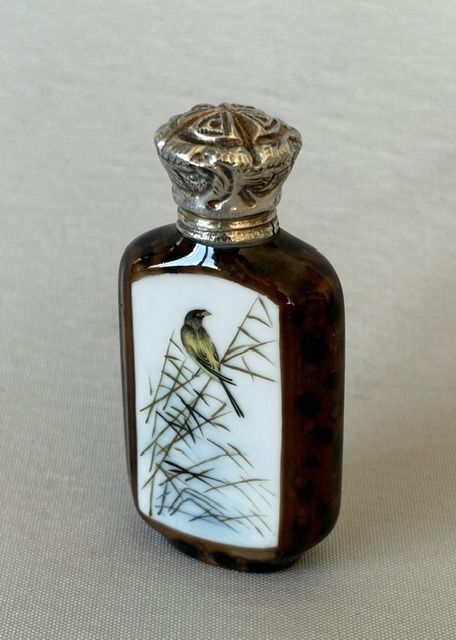
When searching for an antique bird mount, buyers encounter preserved specimens, framed watercolours, lithographs, engravings, sculptures, and decorative household objects depicting avian subjects.
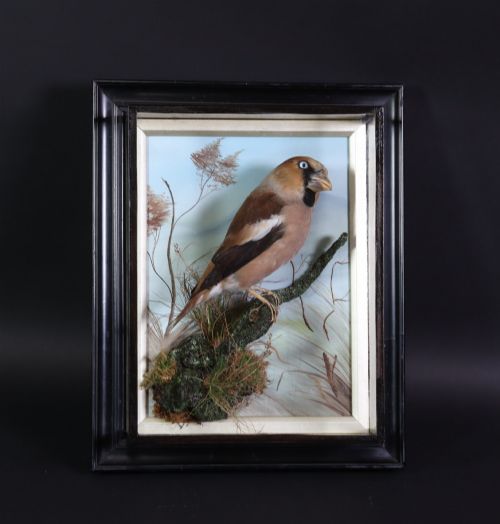
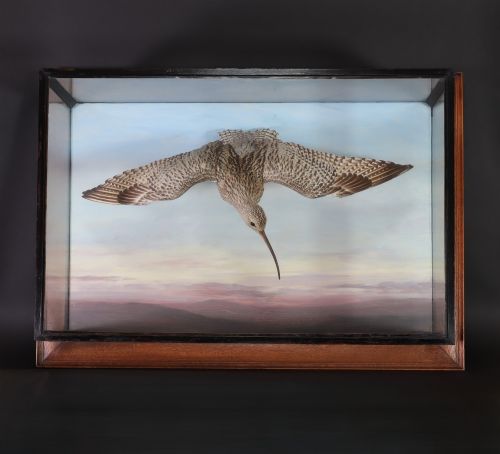
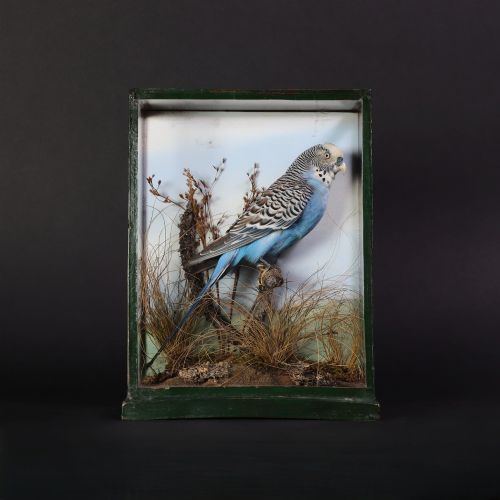
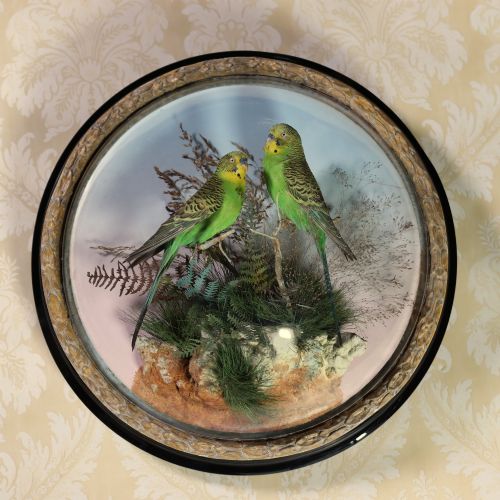
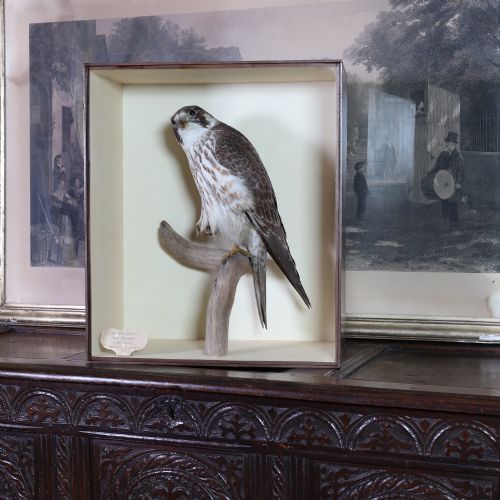
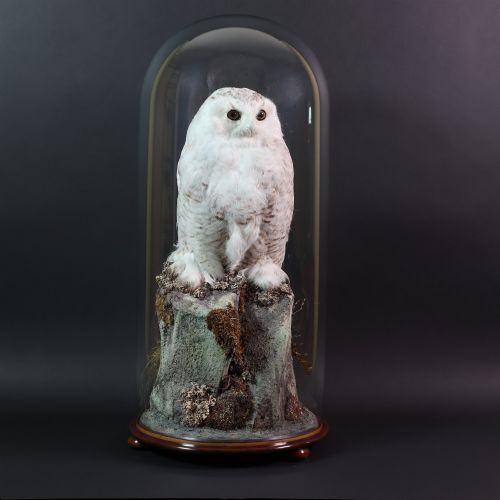
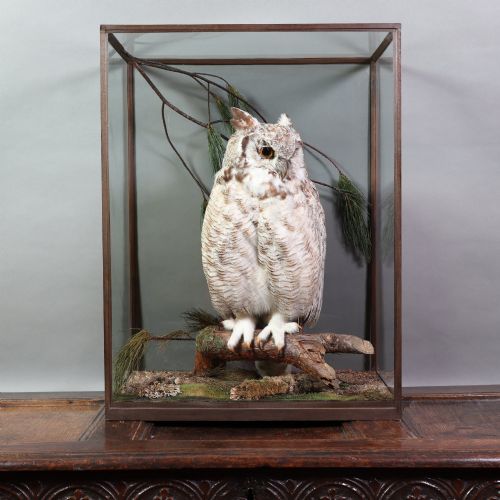
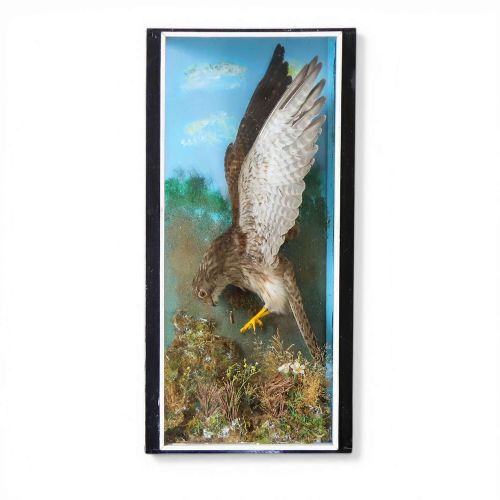
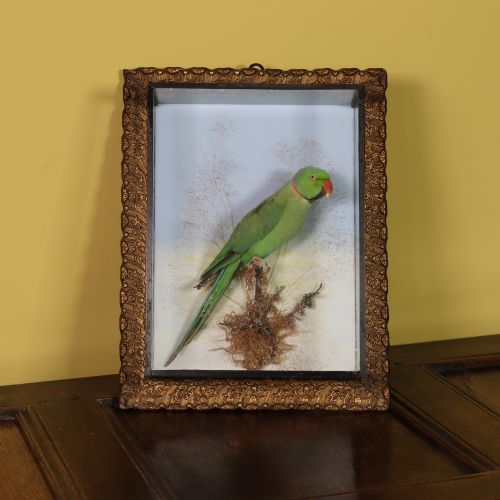
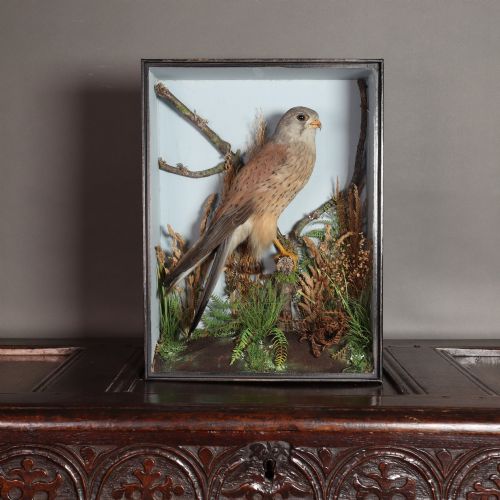
The most common examples on this page are Victorian taxidermy cases and domes containing individual birds or multi-species compositions, alongside framed paintings and prints.
Originating predominantly from the nineteenth and early twentieth centuries, these works reflect historical natural history collecting traditions and artistic interpretations of birds.
Materials and construction techniques
Taxidermy specimens utilise preserved bird skins mounted over anatomical forms, often arranged within glass display cases or domes accompanied by artificial moss, foliage, and painted backdrops.
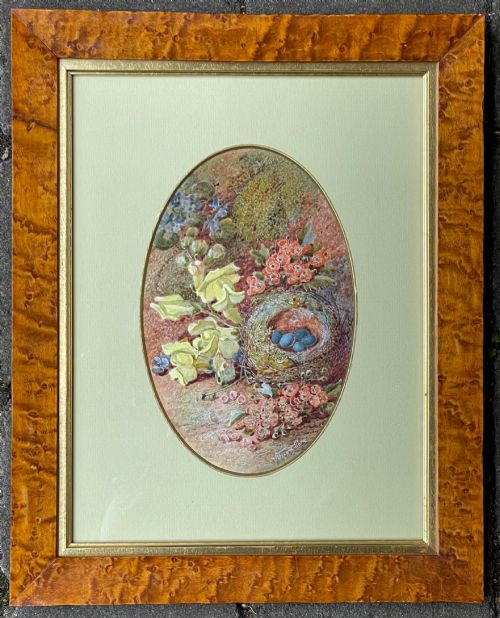
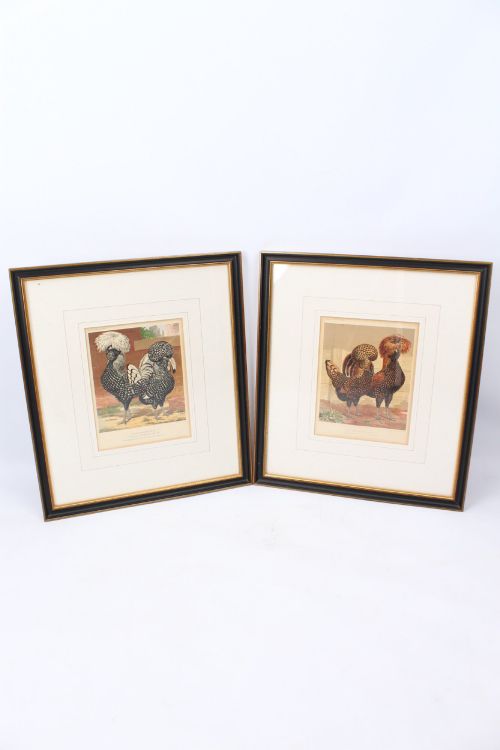
Framed works combine paper, watercolour, or lithographic ink housed within wooden or ebonised frames, frequently accented by giltwood mounts and protective glass.
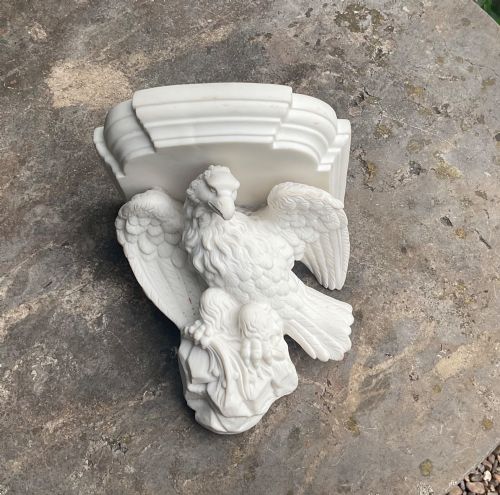
Sculptural pieces employ bronze, porcelain, and parian ware, occasionally incorporating brass elements or marble plinths to support the avian form.
Antique Bird Mount Retail Price Guide 2026
Typical asking prices for bird mount among the pieces listed under this phrase on Sellingantiques today, from the lower quarter to the upper quarter. They describe what is for sale here now, not the wider market.
Distinctions in quality and execution
Quality rests upon the anatomical accuracy and taxidermist skill in recreating lifelike postures, feather arrangements, and natural expressions in preserved specimens.
Artistic works demonstrate mastery through refined brushwork, colour retention in watercolours and lithographs, and the detailed casting of bronze or porcelain sculptures.
The complexity and preservation of the surrounding enclosure, whether an intricate painted diorama case or a bespoke glass dome, elevate the overall piece.
J Griffiths of Burford·Rowland Ward Ltd·T E Gunn·William Bazeley & Sons·A Pollard·James Gardner·W F Homer London·Vincent Clare·Harry Bright
The Antique Bird Mount Glossary
- Taxidermy
- The art of preserving, preparing, and mounting the skins of animals for display in lifelike states. This technique forms the basis of many nineteenth-century ornithological specimens.
- Diorama
- A three-dimensional scene featuring wildlife specimens set against a painted background and naturalistic habitat. These cases provide contextual environments for the mounted birds.
- Lithograph
- A print made from a design drawn on a limestone or metal plate using an oily substance. Many nineteenth-century bird illustrations utilise this reproduction method.
- Parian ware
- A type of fine biscuit porcelain resembling white marble, named after Parian marble from Greece. Figures and wall brackets are frequently cast in this medium.
- Ebonised
- Wood finished to resemble ebony through staining and polishing. This treatment is commonly observed on nineteenth-century picture frames.
Antique Bird Mount: Frequently Asked Questions
How should I display taxidermy bird mounts at home?
Keep enclosed glass cases and domes out of direct sunlight to prevent feather fading and material degradation over time.
Position them on stable surfaces away from excessive humidity and major temperature fluctuations to protect the historical mounting materials.
What is the difference between taxidermy cases and domes?
Taxidermy cases are typically rectangular wooden boxes with glass fronts that allow viewers to observe diorama settings containing one or more birds.
Domes consist of a glass cover resting on a circular base, designed to protect freestanding specimens from dust while offering all-round visibility.
How do I identify Victorian natural history specimens?
Victorian pieces frequently feature specific taxidermy methods, dark wooden or ebonised frames, and detailed handwritten paper labels detailing species names or locations.
The materials used in the construction, such as early glass, old paper backings, and historical taxidermy wire, provide strong chronological indicators.
Are framed bird prints considered taxidermy?
No, framed prints and watercolours are two-dimensional works of art on paper rather than physical preserved bird specimens.
They share a common ornithological subject matter with taxidermy mounts and frequently appear alongside them in natural history collections.