



Antique Bench Footrest
An antique bench footrest supports tired feet after a long day while adding period character to a fireside or bedroom.
Antique Bench Footrest
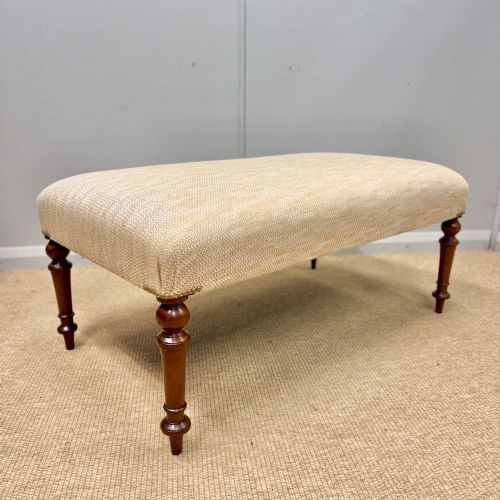
When you search for an antique bench footrest, you are looking at low seating designed to support the feet or serve as a low occasional seat. These pieces frequently appear as long fender stools, dressing stools, and low ottomans originating from the eighteenth and nineteenth centuries.
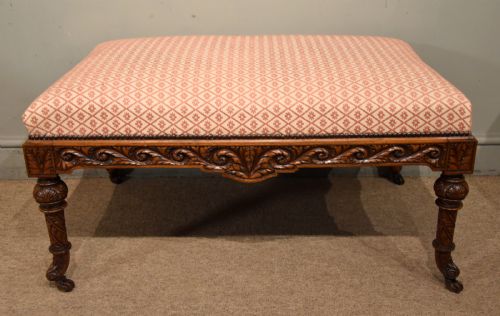
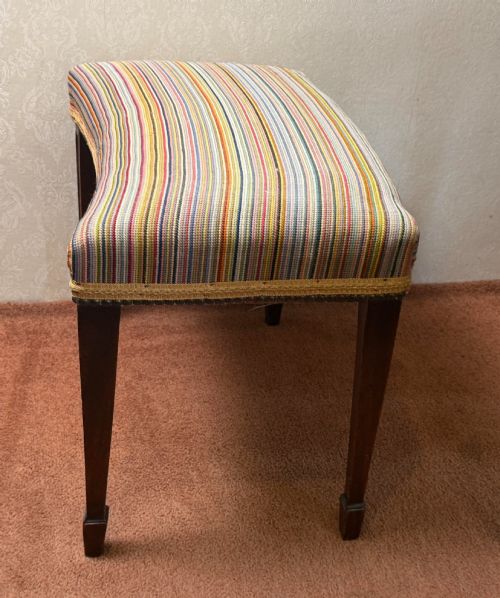
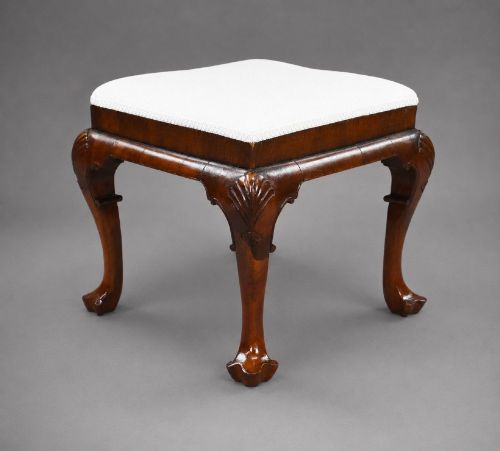
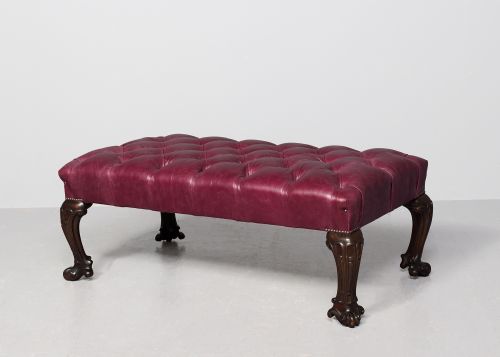
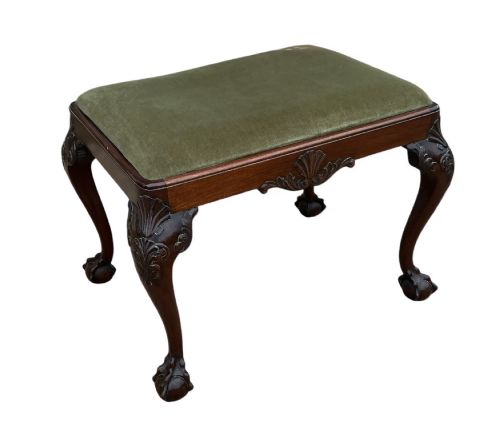
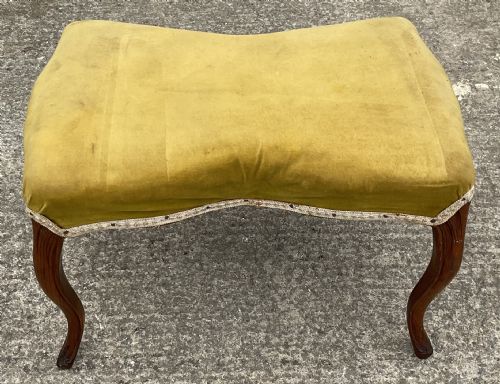
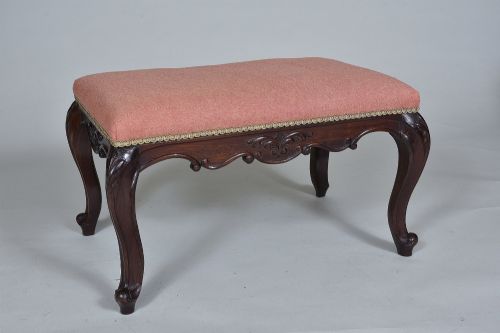
The versions most common on this page date from the Victorian and Edwardian eras. They often feature upholstered tops supported by timber frames with cabriole legs, turned supports, or brass castors.
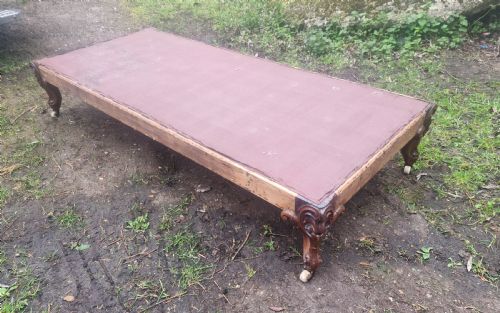
Makers fashioned these low stools for various domestic settings, from grand drawing rooms to fireside hearths. Their forms range from simple square footstools to expansive long benches upholstered in fabric, leather, or wool.
How they were made
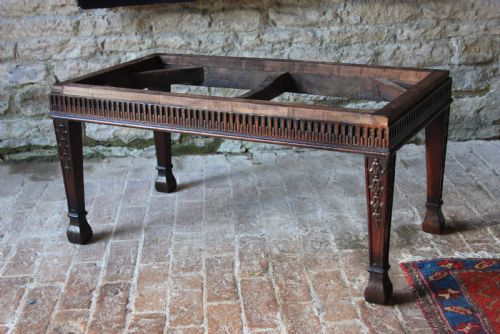
Cabinetmakers constructed the frames using hardwoods such as mahogany, walnut, and oak, often shaping the timber with carving or turning. Joinery methods included traditional joints and sturdy framing to support the weight of resting feet or sitting.
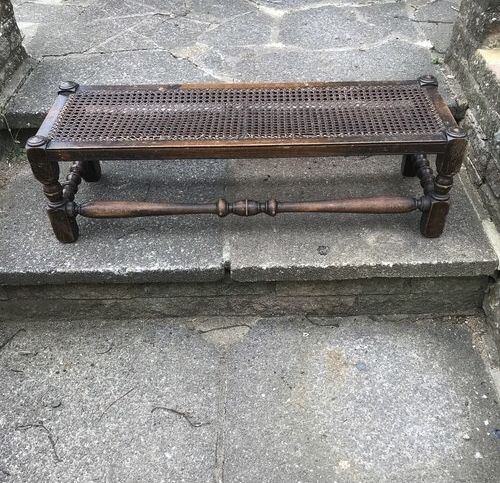
Upholstery formed a central part of construction, utilising textiles, wool, leather, and kilim coverings over padding. Details like brass castors, carved lions' heads, and woven rattan finished the pieces depending on the prevailing style.
Listings feature woods like mahogany, walnut, oak, rosewood, and teak spanning the eighteenth, nineteenth, and early twentieth centuries.
What varies in quality
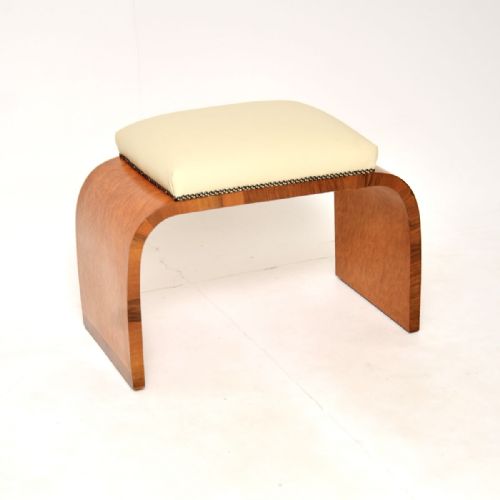
The grade of timber selection and the sharpness of the woodcarving define the upper tier of these items. Finer examples display carefully figured veneers, robust joinery, and well-executed stylistic details like cabriole legs or gilt highlights.
The integrity of the frame and the quality of the upholstery materials also distinguish finer pieces from simpler utilitarian versions. Original hardware such as brass castors adds to the authenticity and character of the piece.
Miles & Edwards
The Antique Bench Footrest Glossary
- Fender stool
- A long, narrow footstool designed to sit in front of a hearth fender. These were popular in Victorian times for keeping feet warm near the fire.
- Cabriole leg
- A furniture leg that curves outward and then tapers inward, finishing in a pad or foot. This stylistic feature appears frequently on eighteenth and nineteenth-century seating.
- Curule stool
- An ancient Roman magistrate's chair shape adapted into X-frame seating during later periods. It offers a distinct cross-frame profile.
- Kilim
- A flatwoven textile originating from the Middle East and Central Asia. These durable fabrics are often repurposed as upholstery for nineteenth-century footstools.
- Joint stool
- An early form of wooden stool constructed with mortise and tenon joints. These sturdy oak pieces predate softer upholstered variants.
Antique Bench Footrest: Frequently Asked Questions
What is a fender stool used for?
A fender stool was specifically placed along the hearth in front of the fireplace. It allowed people to rest their feet close to the warmth.
These pieces are typically longer and narrower than standard footstools to fit neatly in front of the fender.
Are these stools comfortable for daily use?
Most antique footstools provide firm support due to traditional stuffing materials and sturdy wooden frames. Many surviving examples feature modern or period upholstery suitable for sitting or resting feet.
Their low height makes them versatile companions to armchairs and sofas in contemporary living spaces.
What is the difference between an ottoman and a footstool?
Ottomans generally offer larger surface areas and often double as low coffee tables or extra seating. Footstools are traditionally smaller and built primarily to elevate the feet.
Both forms share similar timber frames and upholstery treatments across the nineteenth century.