

Antique Bedding Chest
An antique bedding chest offers sturdy, traditional storage, bringing timber character and historical depth straight to a bedroom.
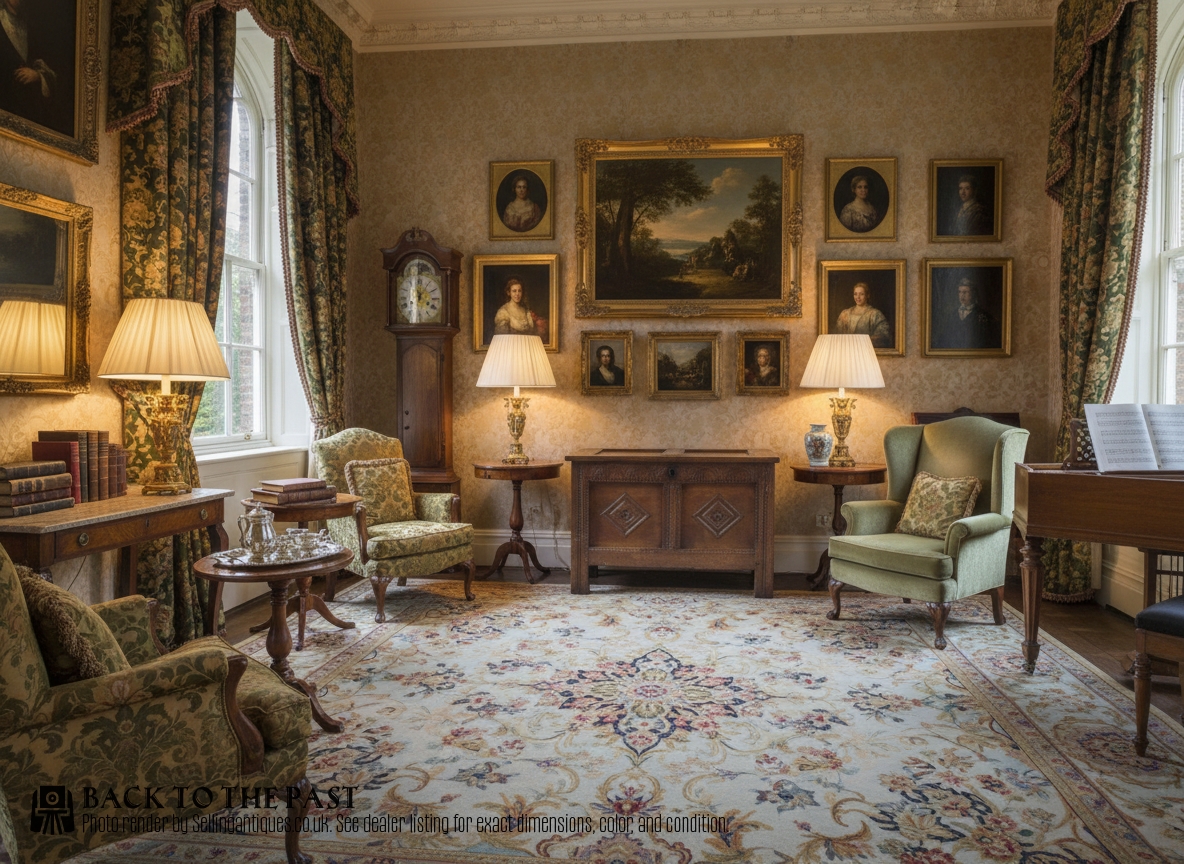
Antique Bedding Chest
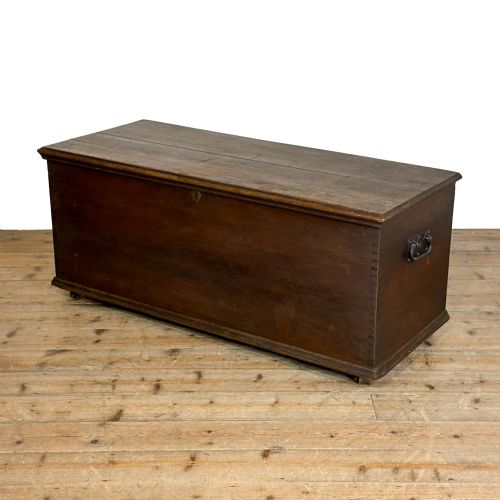
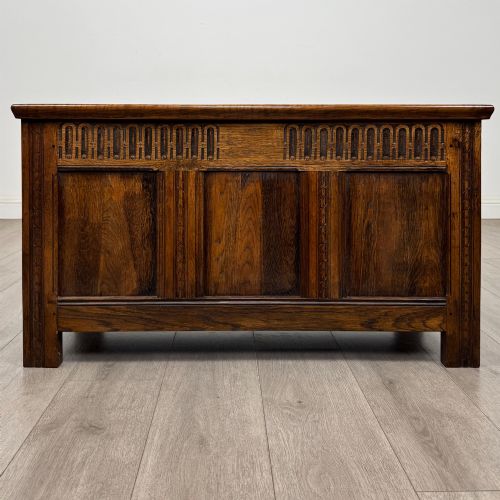
An antique bedding chest serves as a practical repository for linens, blankets, and garments, taking the form of a coffer, blanket box, or mule chest.
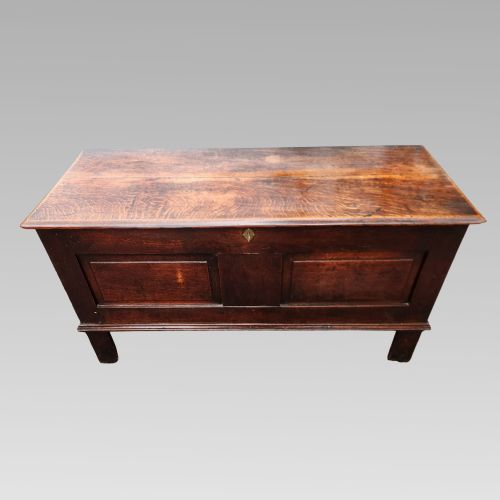
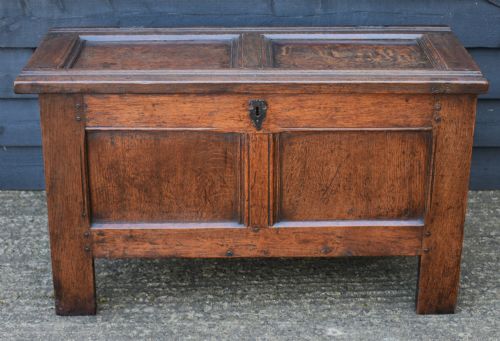
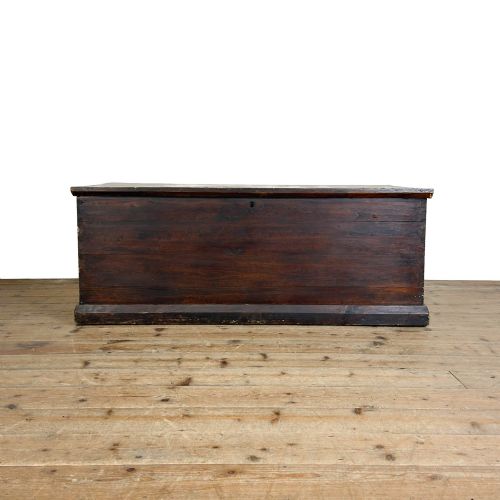
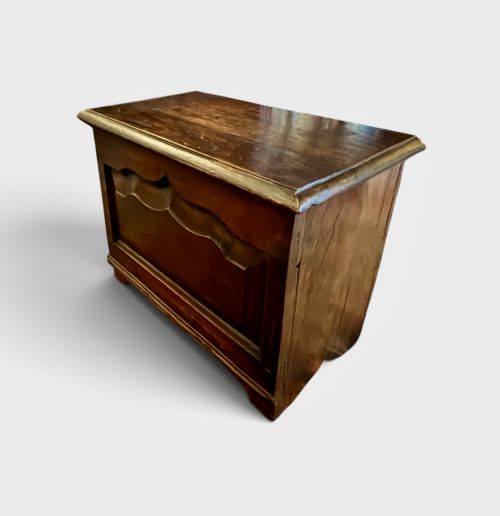
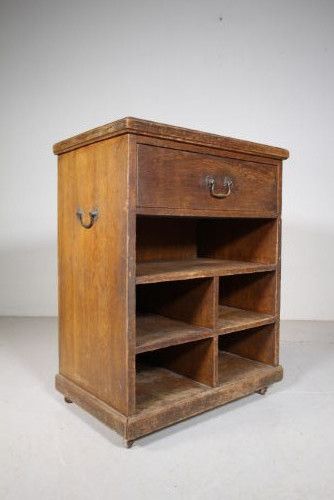
Buyers browsing this selection will most frequently encounter solid timber coffers and blanket boxes originating from the seventeenth, eighteenth, and nineteenth centuries.
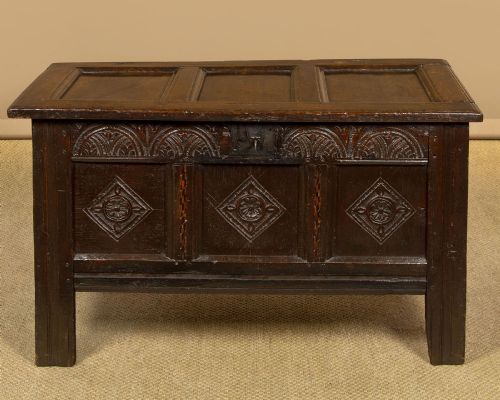
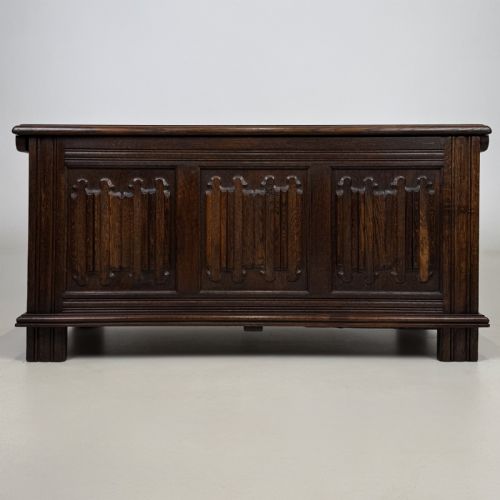
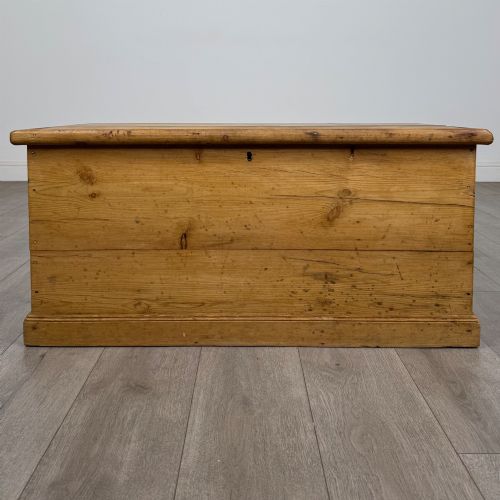
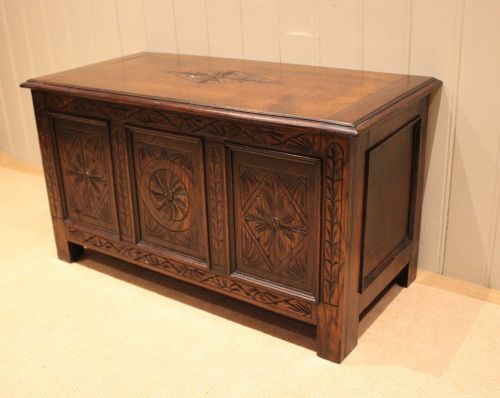
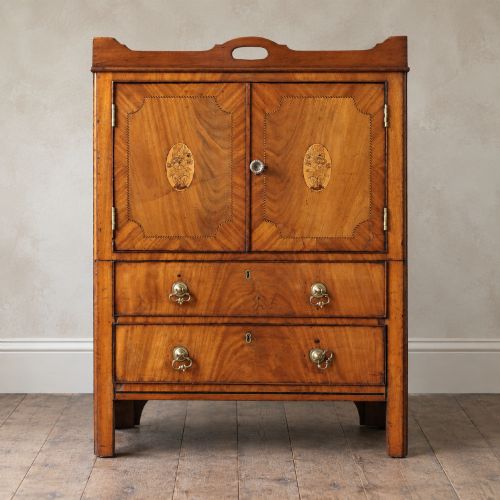
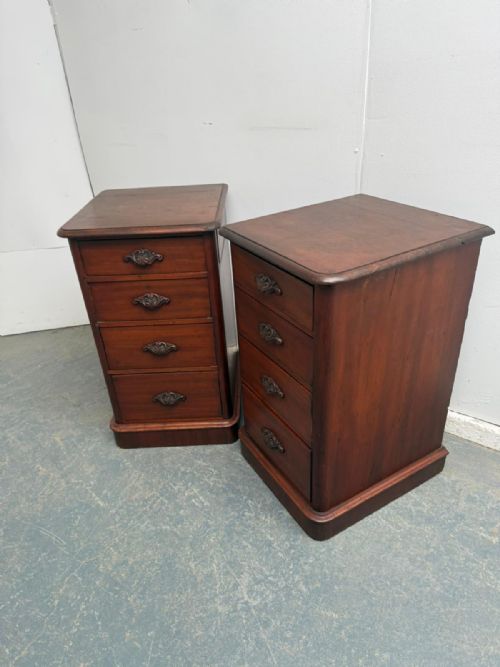
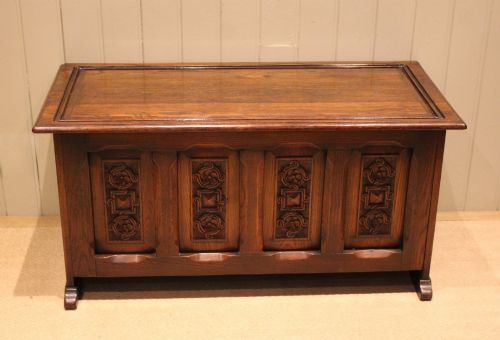
The inventory ranges from plain utility pine boxes to heavily carved oak panels reflecting Jacobean and Georgian styles, alongside occasional bedside variants.
Materials and construction methods
Carpenters built these storage pieces predominantly using native timbers such as oak, elm, pine, and mahogany, often joining structural panels with traditional joinery.
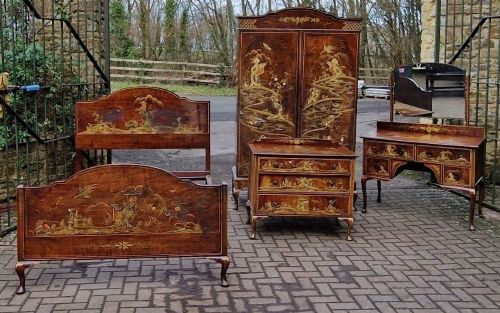
Many historical examples feature decorative surface details including hand carving, paint, ebonised wood finishes, and wax polish.
Iron and brass hardware such as hinges and brackets provided functional reinforcement to heavy lids and corners.
Antique Bedding Chest Retail Price Guide 2026
Typical asking prices for bedding chest among the pieces listed under this phrase on Sellingantiques today, from the lower quarter to the upper quarter. They describe what is for sale here now, not the wider market.
The listings show a strong presence of 17th and 18th century oak coffers alongside Victorian pine blanket boxes and Georgian mahogany bedside tables.
The spectrum of quality
Quality differences lie in the selection of timber, where dense, figured oak or well-grained mahogany separates high-status commissions from utilitarian pine boxes.
The execution and depth of hand carving distinguish standard vernacular work from finer, more ambitious period pieces.
Originality of surface treatment and structural timber heavily influences the integrity of the piece.
The Antique Bedding Chest Glossary
- Coffer
- A large wooden chest traditionally used for storing valuables, garments, and bedding. These sturdy boxes often feature panelled construction and hinged lids.
- Mule chest
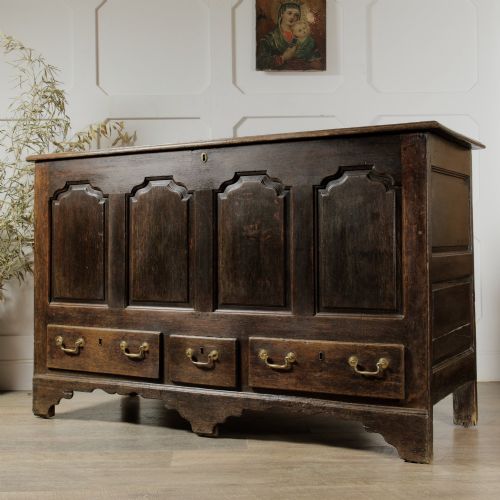
- A traditional storage chest featuring one or more drawers beneath the main lifting compartment. This form bridges the gap between a standard coffer and a drawer chest.
- Blanket box
- A deep chest designed specifically to hold household blankets and textiles. They appear frequently in pine and oak across various domestic periods.
- Jacobean style
- A heavy, seventeenth-century design aesthetic characterised by dark oak, geometric mouldings, and shallow relief carving. Revivals of this style also appear in later twentieth-century furniture.
- Ebonised wood
- Timber treated with a chemical stain or finish to imitate ebony. This dark, formal treatment often highlights specific mouldings or turned elements on period furniture.
Antique Bedding Chest: Frequently Asked Questions
What is an antique bedding chest used for?
These historical boxes provide deep internal storage for household textiles, extra bedding, and winter garments. Their flat lids also allow them to function as surface display areas or low seating benches at the foot of a bed.
In modern rooms, they sit neatly against walls or beneath windows, keeping clutter concealed while introducing tactile timber texture into the interior scheme.
How do I tell a seventeenth-century chest from a later revival?
Early seventeenth-century examples display tool marks, peg construction, and native oak timber that has darkened naturally over centuries of handling and wax polishing. The grain patterns and timber shrinkage offer reliable physical indicators of age.
Later revival pieces made in the twentieth century often display machine-cut elements, lighter interior timbers, and uniform finishes that lack the organic wear patterns of genuine early work.
Are pine blanket boxes sturdy enough for daily use?
Pine blanket boxes were built as utilitarian household furniture, utilising soft yet resilient coniferous timber to withstand daily domestic service. Their robust construction handles regular opening and closing without structural issue.
While pine is softer than oak or mahogany, these boxes easily support the weight of stored blankets and endure typical bedroom or landing environments.
What distinguishes a mule chest from a standard coffer?
A mule chest incorporates one or more external drawers beneath the main lifting compartment, combining box storage with drawer access. This layout allowed users to reach smaller items without lifting the heavy top lid.
Standard coffers rely solely on a top-opening lid and lack the lower drawer section characteristic of the mule chest form.