





Antique Barware Tankard
An antique barware tankard brings substantial weight and period character to the table, and these drinking vessels combine historical presence with enduring utility.
Antique Barware Tankard
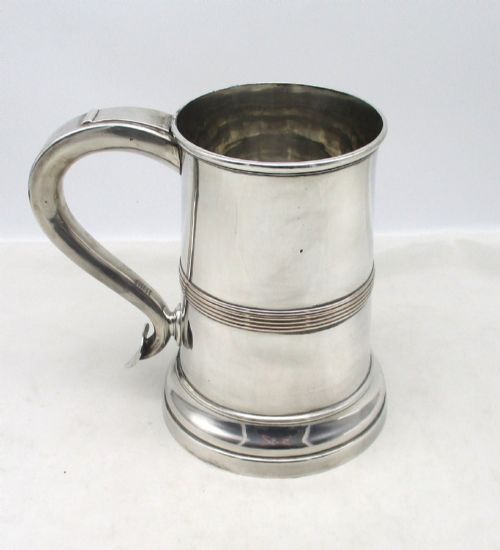
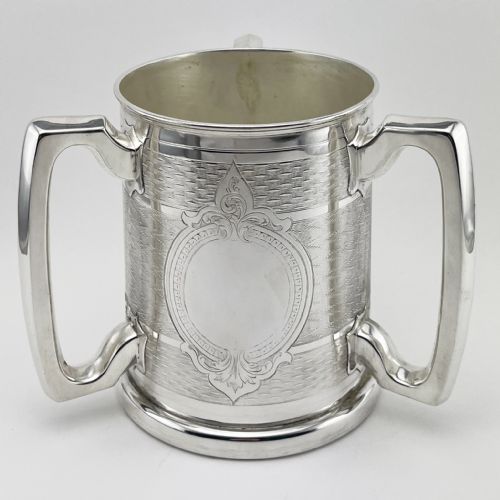
When you search for an antique barware tankard, you encounter robust drinking vessels spanning the eighteenth, nineteenth, and early twentieth centuries. These pieces appear primarily as heavy-plated or solid silver tankards, loving cups, and beer jugs shaped by Georgian and Victorian design.
The selections available here range from eighteenth-century sterling silver and Old Sheffield Plate quart vessels to later silver-plated bell-shaped tankards and glass-bottomed examples. Makers produced these forms for substantial service, resulting in enduring drinking vessels that reflect distinct historical periods.
Materials and construction
Makers fashioned these drinking vessels using solid sterling silver or applied silver plating over copper bases, particularly utilising Sheffield Plate and Old Sheffield Plate methods. Manufacturers also mounted glass bodies with silver hardware or shaped electroplated nickel silver into traditional forms.
The construction involves robust handles, hinged lids, and weighted bases designed for frequent use in domestic and tavern settings. Artisans applied early marks to plated surfaces, while sterling pieces bear traditional hallmarks indicating their origin.
Antique Barware Tankard Retail Price Guide 2026
Typical asking prices for barware tankard among the pieces listed under this phrase on Sellingantiques today, from the lower quarter to the upper quarter. They describe what is for sale here now, not the wider market.
Some nineteenth-century drinkers favoured glass-bottomed tankards so they could keep an eye on press gangs while enjoying a pint.
Distinctions in quality
Quality rests upon the integrity of the plating, the crispness of early marks or hallmarks, and the balance of the vessel. Heavier gauge metal and well-fitted hinged lids distinguish finer pieces from standard production.
The preservation of original glass inserts and the clarity of period chasing or form further separate standard examples from those of superior manufacture.
The Antique Barware Tankard Glossary
- Old Sheffield Plate
- A method of fusing a thin layer of silver to a thicker copper base before shaping the metal into vessels. This technique creates a distinct edge where the base metal is subtly visible.
- Quart Tankard
- A large drinking vessel holding a full quart of liquid, designed for substantial service in domestic or tavern environments during the eighteenth and nineteenth centuries.
- Loving Cup
- A large two-handled drinking vessel passed between guests at feasts and banquets. These forms often share the robust proportions of standard tankards.
- Glass Bottom
- A transparent base fitted to the bottom of a metal tankard. This feature supposedly allowed drinkers to keep companions in view while tilting the vessel to drink.
- Bell Shaped
- A curved profile resembling an inverted bell, seen on Victorian drinking vessels. This contour softens the rigid cylindrical lines of earlier forms.
Antique Barware Tankard: Frequently Asked Questions
How do I care for silver plated tankards?
Silver plated and Old Sheffield Plate tankards require gentle cleaning with non-abrasive silver polishes to preserve the thin silver layer over the copper base. Avoid harsh scrubbing that can wear through the plating.
Store them in a dry environment and handle them carefully by the body and handle to prevent unnecessary wear on hinged lids.
Are these tankards safe for drinking?
Many antique silver and glass-bottomed tankards remain structurally suitable for holding cold beverages, provided the interior is clean and well-maintained. Users should inspect the vessel for integrity.
Historical pieces with extensive wear to the plating or soldered joints are better suited for display rather than active service.
How do I identify the period of a tankard?
Dating relies on examining hallmarks, early makers' marks, material composition, and stylistic cues such as Georgian simplicity or Victorian bell-shaped curves. Sheffield Plate manufacturing techniques also point to specific eras.
Comparing the handle attachment, lid hinge design, and overall weight helps narrow down the production decade.