





Georgian Copper Fused Silver
Georgian copper fused silver brings robust weight and gleaming lustre to the table, uniting base copper with precious metal.
Georgian Copper Fused Silver
Georgian copper fused silver encompasses solid drinking vessels and lighting pieces produced during the eighteenth and nineteenth centuries. These items serve everyday utility and formal display through substantial metalwork designed to endure daily handling.
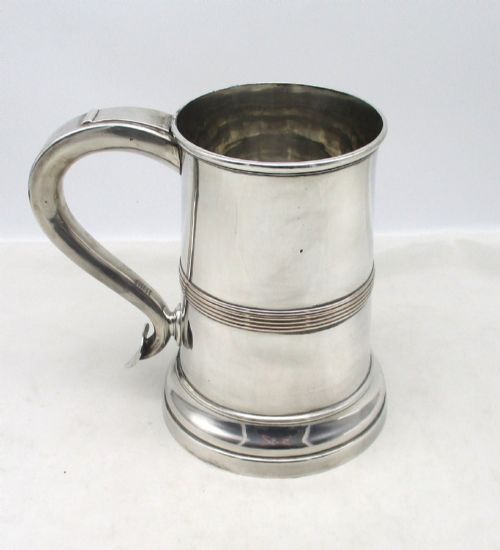
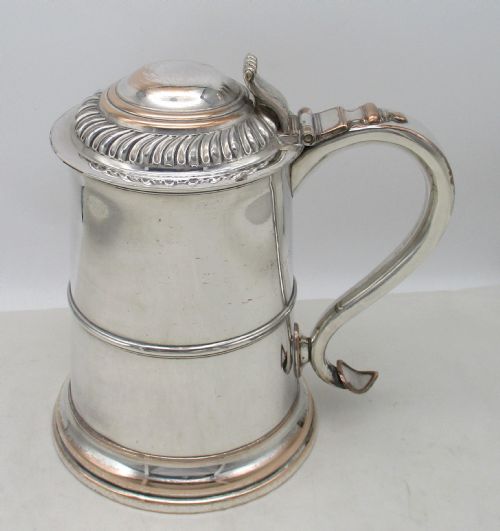
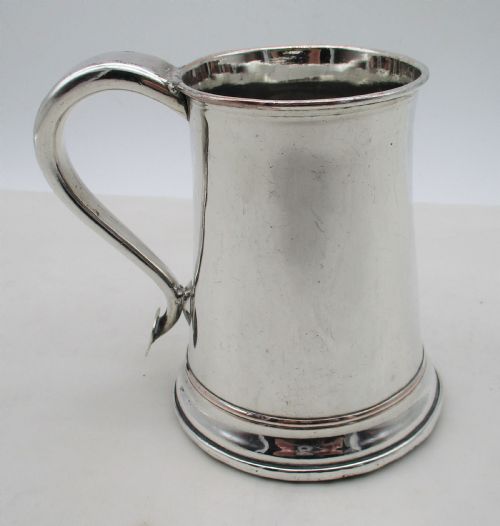
The objects appearing here comprise heavy lidded tankards alongside pairs of candlesticks and candelabra. Tankards range from small pint capacities to large presentation formats, while lighting pieces take taper and standard candlestick forms.
Originating largely within the Georgian period and the early nineteenth century, these pieces demonstrate the output of early plating workshops. Collectors encounter matching pairs of candlesticks and individual drinking vessels with sturdy handles and hinged lids.
How Georgian copper fused silver was made
Craftsmen fused a thin sheet of silver to a thicker ingot of copper through heat and pressure before rolling the combined metal into workable sheets. This technique ensured the precious metal coated the exterior while the base metal provided structural rigidity.
Silversmiths shaped the fused metal by hand, forming cylindrical bodies for tankards and soldering components together. Details such as handles, rims and bases were often reinforced with silver wire or shaped mounts to conceal exposed copper edges.
Georgian Copper Fused Silver Retail Price Guide 2026
Typical asking prices for georgian copper fused silver among the pieces listed under this phrase on Sellingantiques today, from the lower quarter to the upper quarter. They describe what is for sale here now, not the wider market.
Listings feature items spanning the eighteenth century through to the early nineteenth century, constructed from copper, silver and Old Sheffield Plate.
What varies in quality
Quality rests upon the preservation of the silver surface and the discretion shown in concealing exposed copper seams. Pieces retaining thick silver layers display crisp engraving and sharp relief without excessive base metal bleeding through high points.
Proportion and structural integrity distinguish superior examples from ordinary output. Well-balanced tankards with secure hinges and heavy cast bases command greater interest than worn items with thinning plating and repaired mounts.
Richard Morton
The Georgian Copper Fused Silver Glossary
- Old Sheffield Plate
- A composite material made by fusing silver to a copper core. This technique predates modern electroplating and produces a deep, warm lustre.
- Tankard
- A tall, cylindrical drinking vessel featuring a single handle and often a hinged lid. These pieces were built for substantial daily use.
- Taper candlestick
- A slender lighting device designed specifically to hold narrow wax tapers used for sealing letters. They represent a smaller scale of domestic lighting.
- Candelabra
- A branched lighting fixture holding multiple candles upon a single central stem. These items provided significant illumination for dining rooms.
Georgian Copper Fused Silver: Frequently Asked Questions
What is Old Sheffield Plate?
Old Sheffield Plate is a fused metal material created by heating copper and silver together until they bond. The resulting sheets were then worked into durable domestic items.
This method differs entirely from later electroplating because the physical layer of silver is substantially thicker and bonded through heat.
How do I clean these pieces?
Clean these items using a soft cloth and mild silver polish designed for antique plate. Avoid aggressive scrubbing that might wear through the thin silver layer.
Gentle maintenance preserves the underlying copper and keeps the soft, historic sheen intact without damaging the metal structure.
Were tankards used daily?
Tankards served practical drinking functions in both homes and taverns during the Georgian era. Their heavy copper cores made them robust enough for regular table use.
Over time, many transitioned from functional drinking vessels to decorative display pieces in collector cabinets and dining rooms.
How do I date these items?
Dating relies on stylistic clues, construction methods and the characteristics of the fused plate. Eighteenth-century pieces often display hand-beaten seams and simpler proportions.
Nineteenth-century examples tend toward heavier cast mounts and standardised forms as workshop techniques evolved during the Georgian transition.