
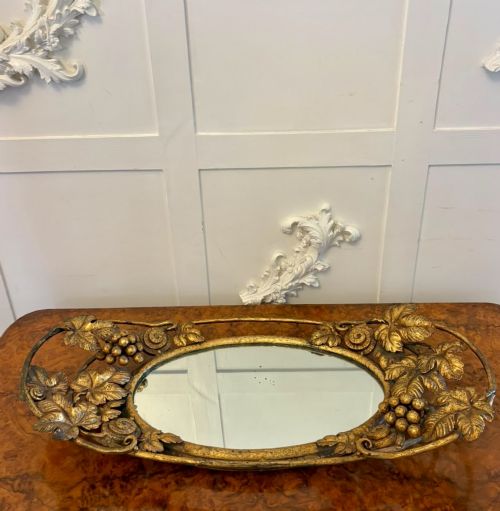
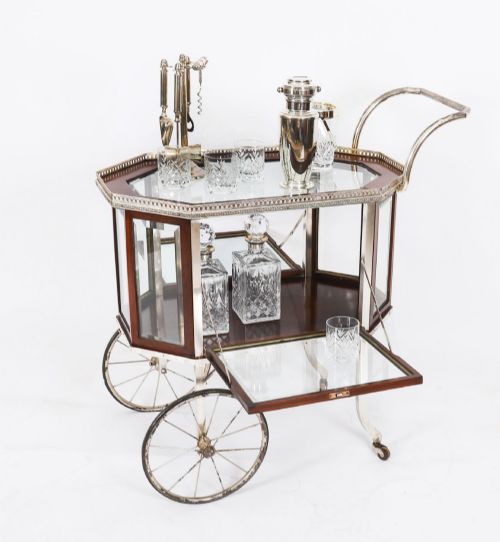
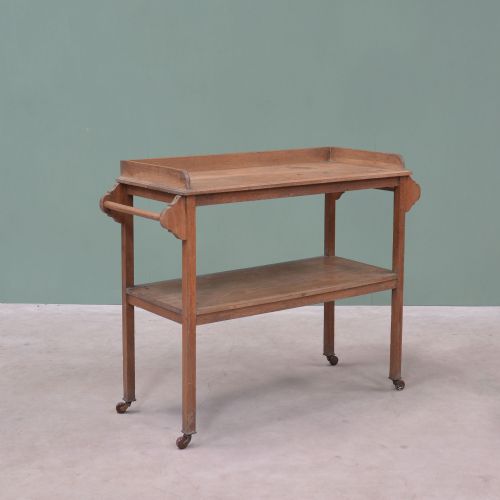
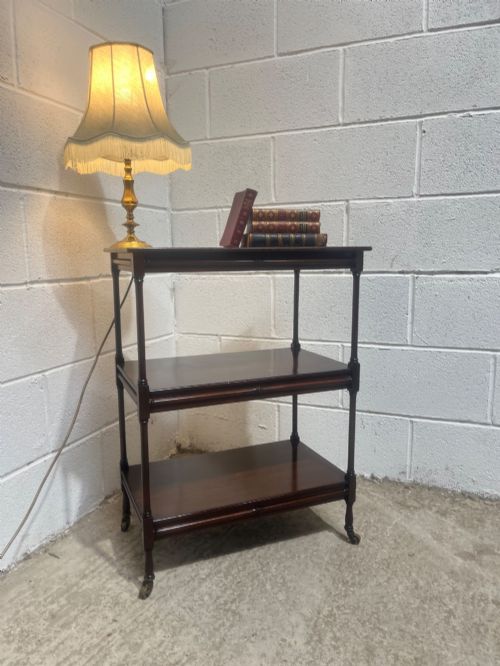

Antique Bar Cart
An antique bar cart brings practical elegance to home entertaining, offering a mobile surface for glassware and bottles.
What These Pieces Are
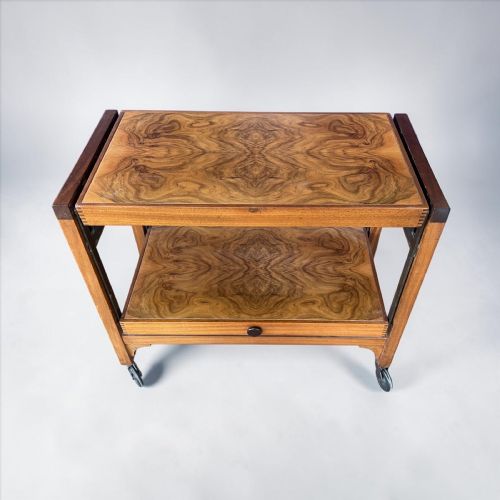
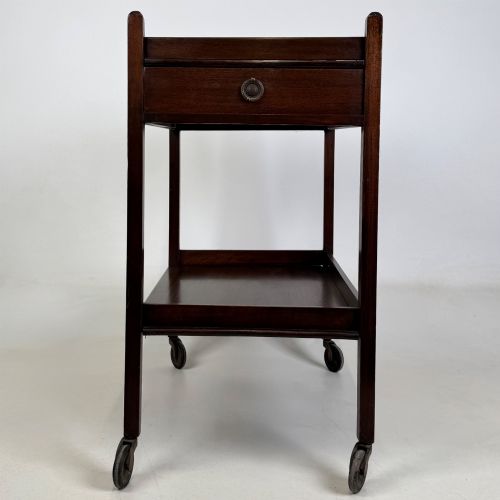
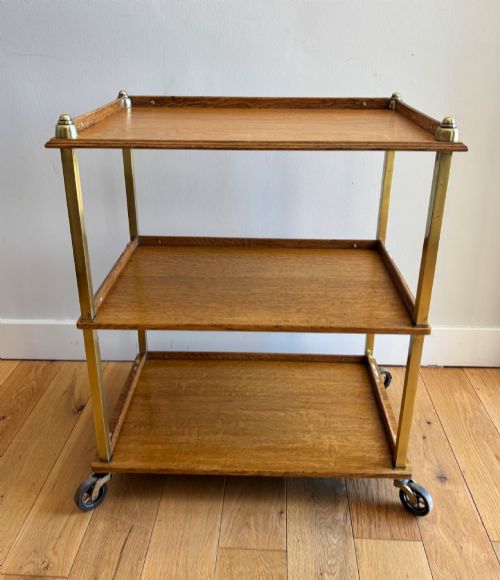
When searching for an antique bar cart, buyers encounter a selection spanning the Victorian, Edwardian, and Georgian periods alongside 1920 and 1930 examples. These pieces serve primarily as drinks trolleys, tea trolleys, and drinks cabinets equipped for serving refreshments.
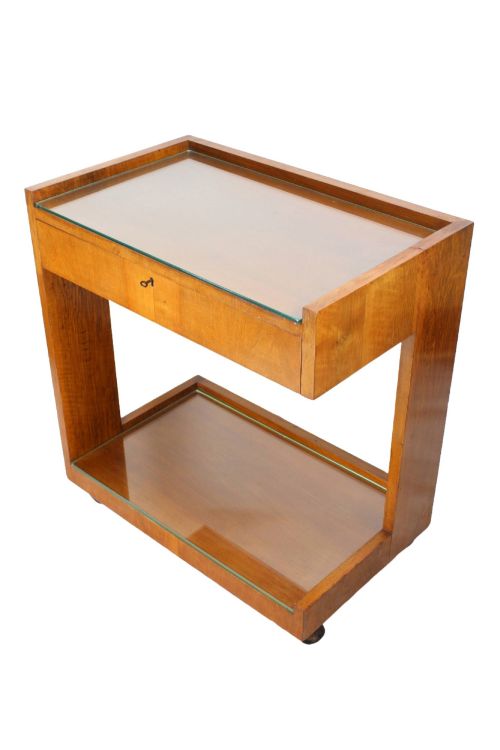
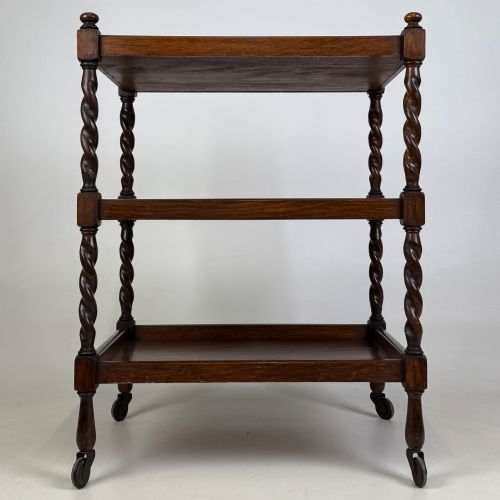
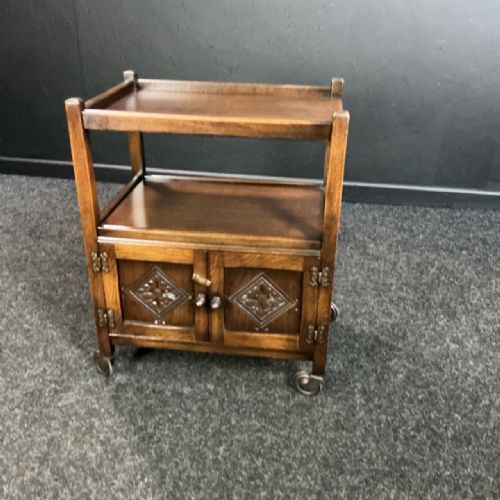
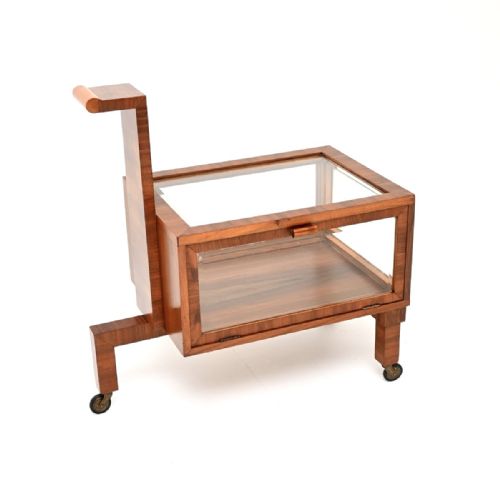
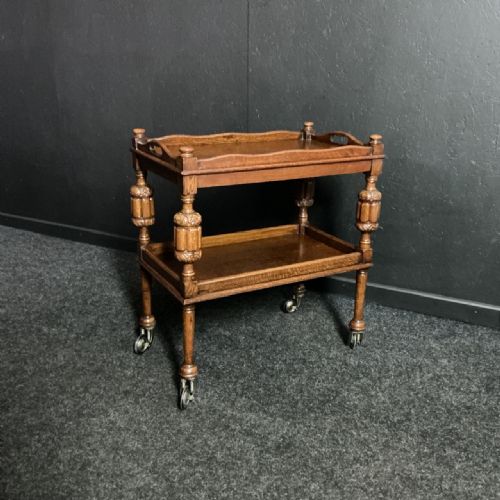
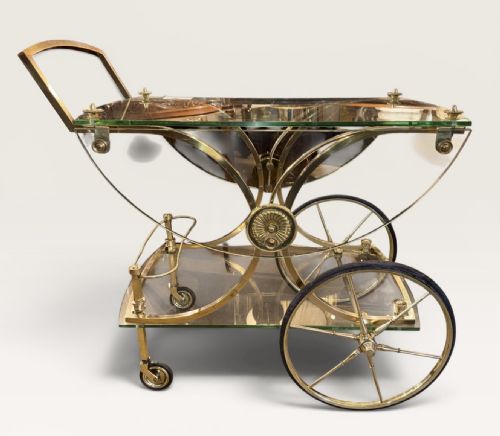
The most common forms on this page include mahogany tea trolleys, oak afternoon tea trolleys, and Art Deco burr amboyna and brass cocktail bar carts. French origins appear alongside British styles such as Jacobean Revival and Georgian Style.
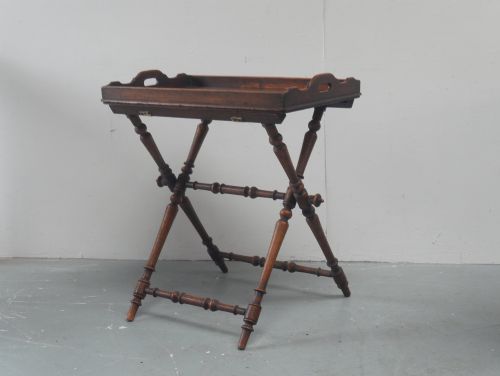
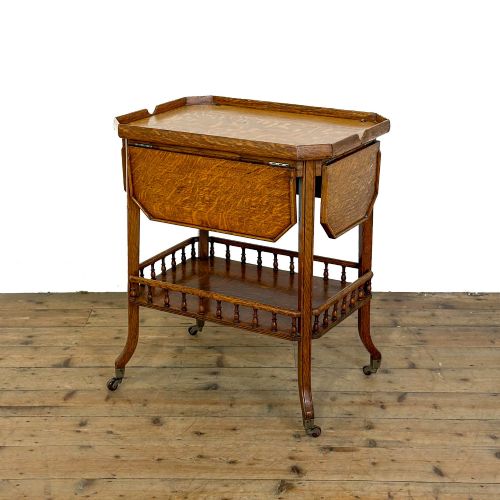
Forms vary from dropleaf designs and removable trays to dual-purpose pieces like an oak tea trolley that doubles as a card table. Each item reflects the social hospitality of its respective era, designed for moving afternoon tea or evening spirits across a room.
How They Were Made
Construction relies on traditional timbers including mahogany, oak, and burr amboyna, occasionally enhanced with boxwood inlay. Metal elements such as brass, cast iron, and iron provide structural support and decorative contrast.
Surfaces incorporate glass alongside polished wood panels, while specific pieces utilise removable trays for convenience. Joinery techniques and turning shape the frames of tea trolleys and drinks carts from the nineteenth and early twentieth centuries.
Retail Price Guide 2026
Typical UK retail prices for bar cart, calculated from the Sellingantiques database of over a million retail prices indexed since 2003. This retail price guide relies exclusively on Sellingantiques data; no external sources or auction records are used, so the figures do not describe the wider market.
Current listings feature pieces spanning the Georgian, Victorian, Edwardian, and 1930 periods, constructed from mahogany, oak, brass, and burr amboyna.
What Varies in Quality
Quality differences emerge through the choice of materials and decorative detailing, distinguishing standard utility items from finer reception furniture. The use of burr amboyna veneer or intricate boxwood inlay elevates the visual presence of a cocktail bar cart.
The integration of functional hardware, such as solid brass fittings and cleanly fitted removable trays, separates simpler afternoon tea trolleys from more ambitious Georgian Style or Art Deco pieces. The sophistication of the woodwork and the cohesion of the style dictate the standing of each trolley.
The Antique Bar Cart Glossary
- Dropleaf
- A table or trolley with hinged flaps that fold down to save space or lift up to extend the surface area. This mechanism allows the furniture to adapt easily to different room layouts.
- Burr Amboyna
- A highly prized wood veneer showing intricate, swirling grain patterns formed by growths on the amboyna tree. It frequently appears on decorative Art Deco cocktail carts.
- Boxwood Inlay
- Fine strips or pieces of pale boxwood set into contrasting darker wood surfaces to create geometric or floral patterns. This decorative technique highlights the craftsmanship of Edwardian and Georgian pieces.
- Jacobean Revival
- A nineteenth and early twentieth-century design style emulating seventeenth-century British furniture through heavy proportions and turned woodwork. Pieces in this style often utilise solid oak.
- Drinks Cabinet
- A specialised piece of furniture designed to securely store bottles, decanters, and glassware. Certain antique variants feature removable top trays for direct serving.
Frequently Asked Questions
What is the difference between a tea trolley and a bar cart?
Tea trolleys typically date from the Edwardian and 1920 periods, designed originally for serving afternoon tea with wooden tiers and wheels. Bar carts often lean towards 1930 Art Deco designs incorporating brass and glass specifically for cocktails and spirits.
Despite their original purposes, both forms serve interchangeably in modern homes as mobile drinks stations. Their construction reflects the shifting social habits of twentieth-century entertaining.
How do I date an antique bar cart?
Dating relies on examining the prevailing materials, styles, and construction methods characteristic of periods like the Victorian era, Edwardian period, or 1930 Art Deco. For instance, burr amboyna combined with brass points toward the interwar years, whereas heavy turned oak suggests earlier Edwardian or Jacobean Revival influences.
Comparing the hardware and secondary timbers helps narrow the decade of manufacture. Each stylistic shift records the changing interior fashions of its time.
Are these trolleys sturdy enough for daily use?
Most pieces are built from durable hardwoods such as mahogany and oak, designed to bear the weight of heavy glassware and ceramic teapots. Their original construction prioritised practical domestic service.
Careful handling of wheels and joints ensures these trolleys function reliably in contemporary settings. They remain robust mobile surfaces for serving drinks.
How were drinks trolleys used historically?
In Victorian and Edwardian households, tea trolleys transported porcelain tea services from the kitchen to the drawing room. By the 1930s, the focus shifted toward cocktail culture, utilising specialised carts to display decanters, ice buckets, and glassware.
This evolution mirrors the transition from formal afternoon tea traditions to relaxed evening entertaining. The furniture adapted directly to the social rituals of the household.