





Antique Baluch Weaving
Antique baluch weaving comprises tribal rugs, bags, and kilims originating from nomadic groups across Persia and Afghanistan.
Antique Baluch Weaving
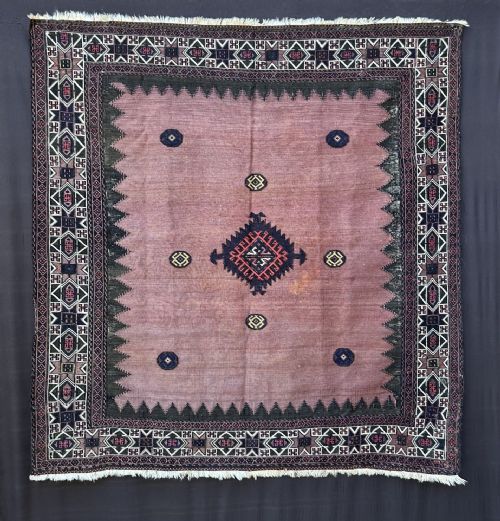
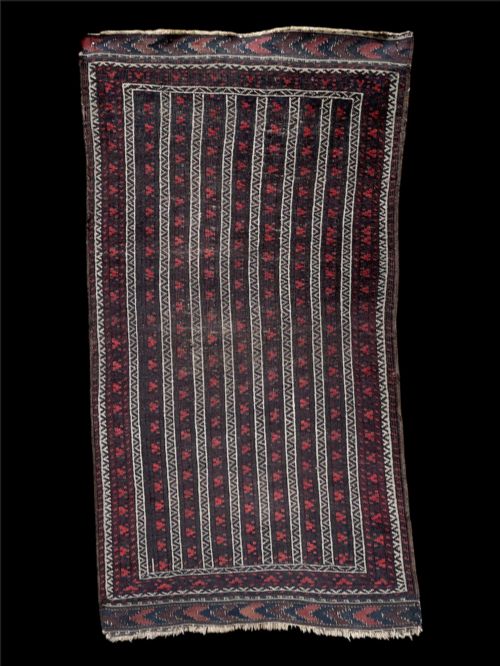
Antique baluch weaving encompasses utilitarian textiles produced by nomadic and village tribes across Persia and Afghanistan. These items include floor coverings, prayer rugs, storage bags, and eating cloths known as sofreh.
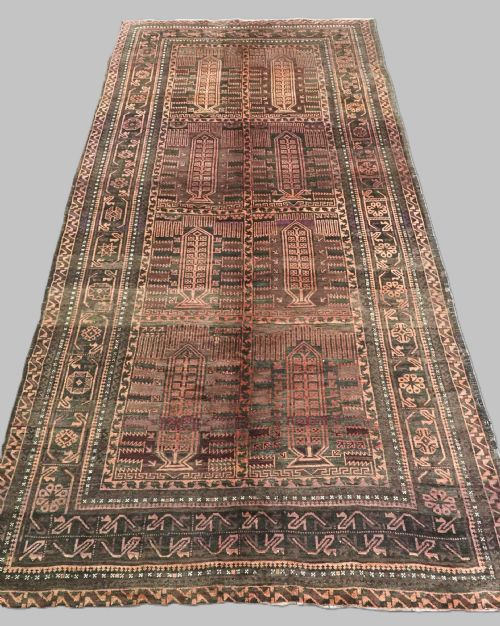
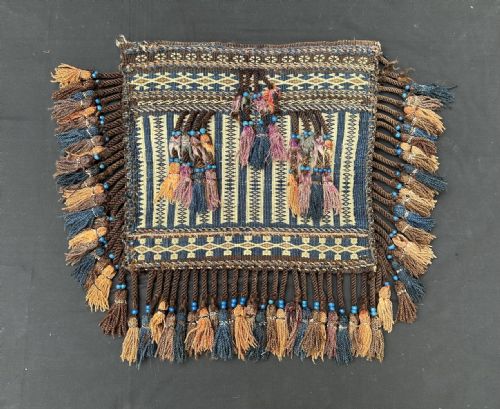
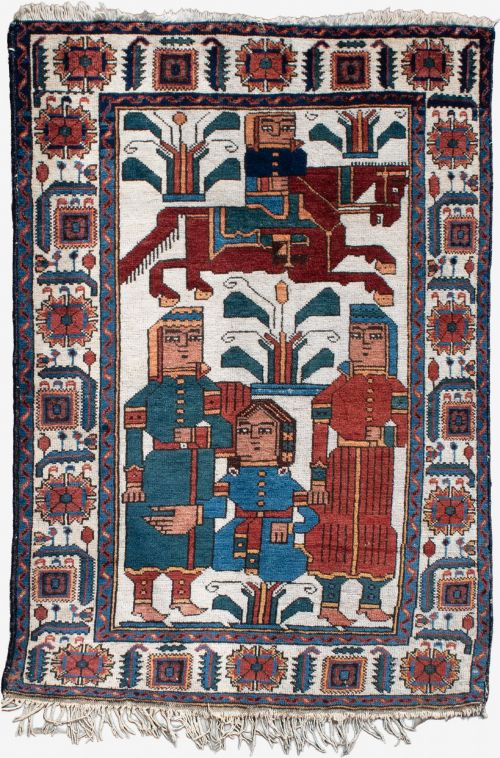
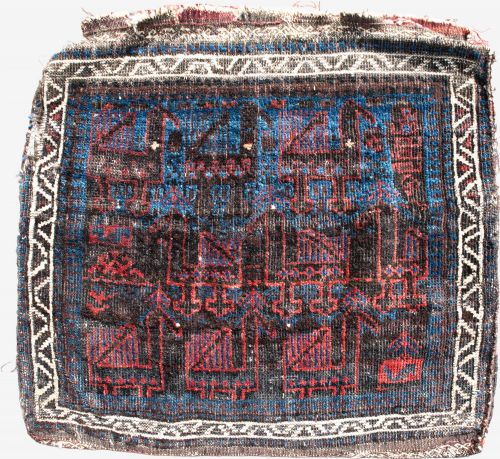
The version most commonly encountered on this page is the wool rug or small format bag face dating from the late nineteenth century to the early decades of the twentieth century. These smaller formats often display intricate geometric motifs and tribal iconography developed across generations.
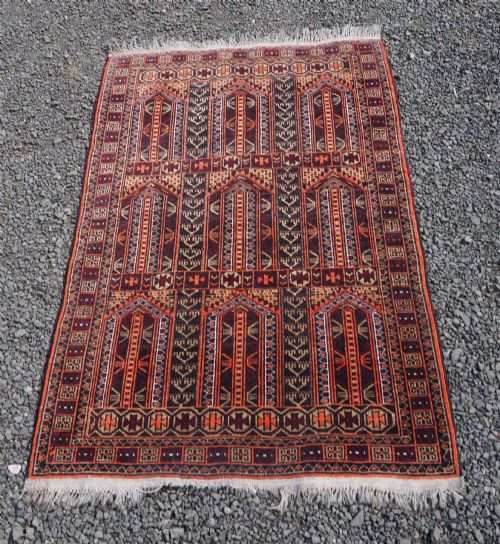
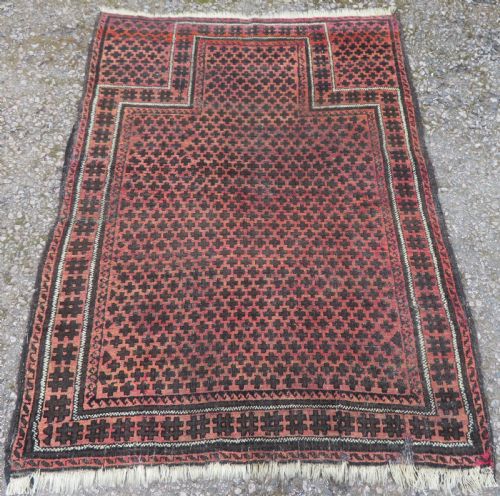
Makers utilised distinct regional designs such as the pencil box, mina khani, and seh mihrab patterns to identify tribal affiliations. Such works reflect the migratory lifestyle and practical domestic requirements of their creators.
How they were made
Weavers constructed these textiles primarily using hand-spun wool and cotton foundations, frequently incorporating goat hair for structural durability along the selvedges. Natural dyes provided a deep palette of saturated colours that mellow over time.
Surface ornamentation relied on traditional pile knots or flatwoven kilim techniques, supplemented occasionally by functional additions such as glass beads and cowrie shells. Artisans executed these structures entirely by hand on portable tribal looms.
Listings span eight distinct periods from the 1870s through to the 1930s, featuring wool, cotton, goat hair, and natural dyes.
What varies in quality
Quality in antique baluch weaving rests upon the precision of the knotting, the handling of the wool, and the complexity of the design layout. Finer examples display tightly packed piles and clear, crisp geometric drawing.
The depth and brilliance of the natural dye palette also dictate the standing of a piece. Superior textiles maintain rich colour saturation and balanced proportions across the field and borders.
The Antique Baluch Weaving Glossary
- Sofreh
- A woven spreading cloth used for dining or food preparation within nomadic households. These items typically feature flatwoven or mixed techniques.
- Balisht
- A traditional tribal storage or grain bag woven with a flatweave back and a decorative face. Such pieces served practical containment purposes in tent dwellings.
- Seh Mihrab
- A triple arch prayer design frequently found on rugs intended for devotional use. This pattern directs the worshipper during daily prayer.
- Mina khani
- A repeating floral lattice motif arranged in an overall grid across the field. This classical design appears frequently in regional carpet production.
- Kalam donneh
- A repeating boteh or shrub motif often referred to as the pencil box design. It forms a structured column pattern across the textile field.
Antique Baluch Weaving: Frequently Asked Questions
How were these bags used?
Nomadic families utilised storage bags and balishts inside tents to contain household provisions, grain, and personal belongings. Their sturdy construction protected contents during seasonal migrations.
Many surviving bag faces were separated from their original plain weave backs when utility ended, preserving the decorative front panels as small decorative wall hangings or floor mats.
What is a ru korssi?
A ru korssi is a specialised textile designed to drape over a traditional low heating table used in Persian homes during colder months. They provided warmth while families gathered underneath.
These pieces often share dimensions and structural qualities with larger rugs and main carpets found in regional households.
How do I identify tribal origins?
Tribal attribution relies on specific structural traits, colour palettes, and repeating geometric motifs unique to groups such as the Timuri, Salar Khani, or Bahluli. Regional border patterns offer key clues.
Consulting the specific design vocabulary within each weaving helps narrow down whether a piece originated in Western Afghanistan or North-East Persia.
Are natural dyes common?
Natural dyes form the foundation of traditional nineteenth and early twentieth century nomadic textiles. Artisans extracted colours from local plants, roots, and insects.
These dyes interact with hand-spun wool to create subtle tonal variations and patination that synthetic dyes cannot replicate.