
Antique Asian Wooden Carving
These pieces of antique asian wooden carving range from household furniture to ritual figures, offering deep hand-carved detail and dense timber construction.
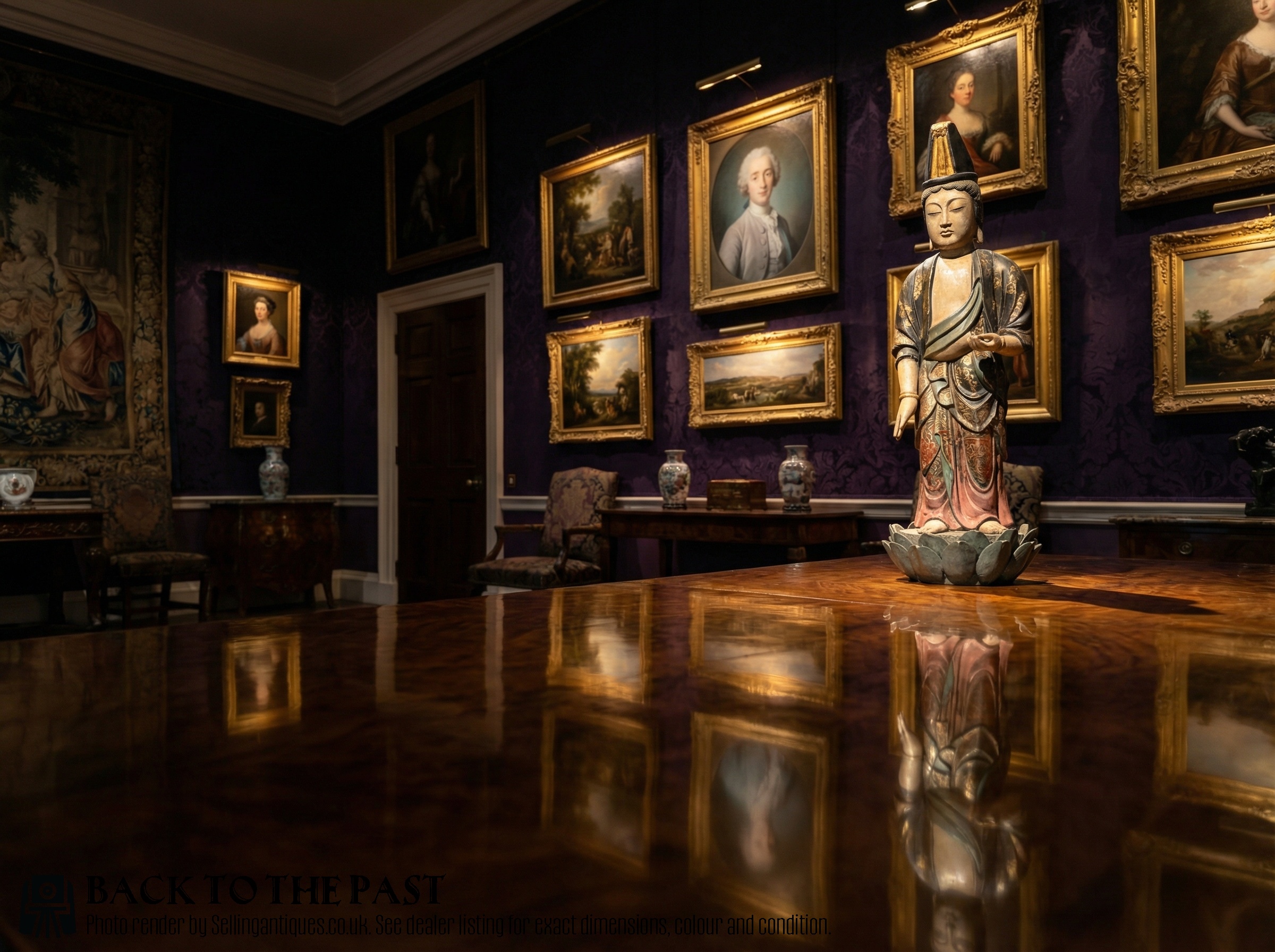
Antique Asian Wooden Carving
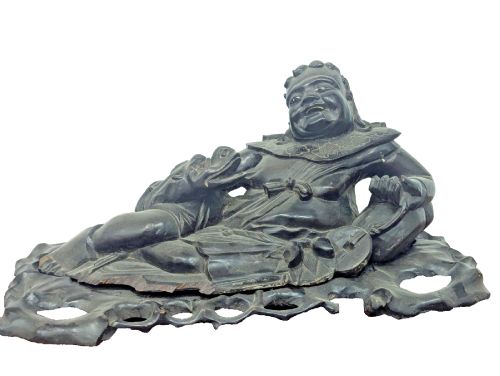
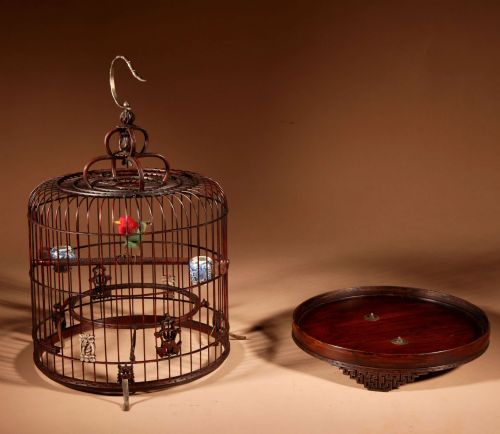
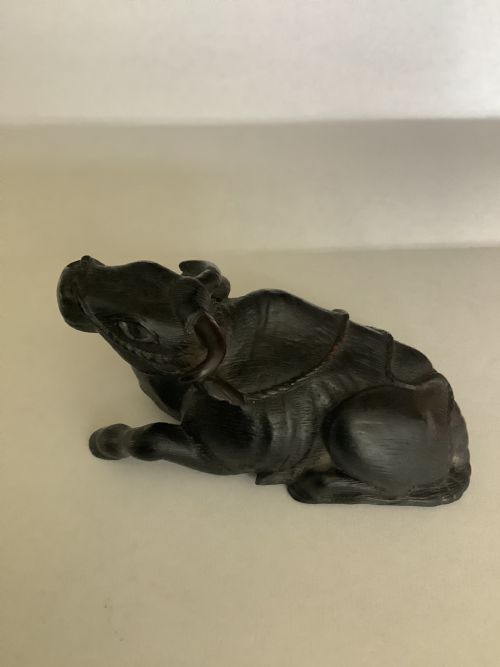
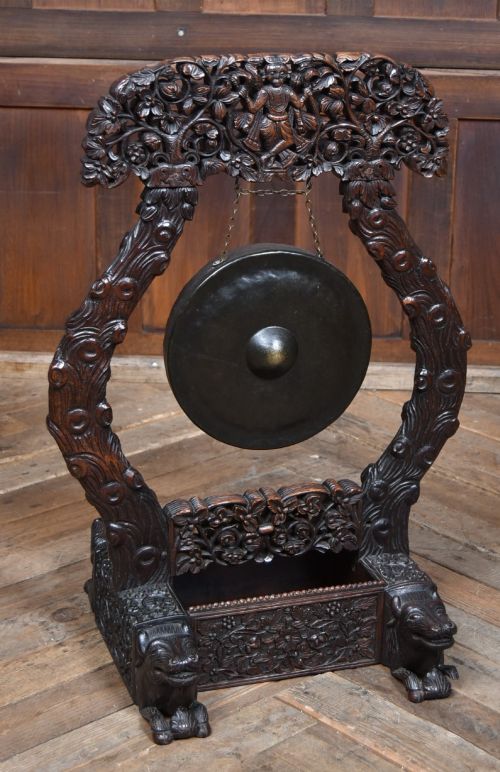
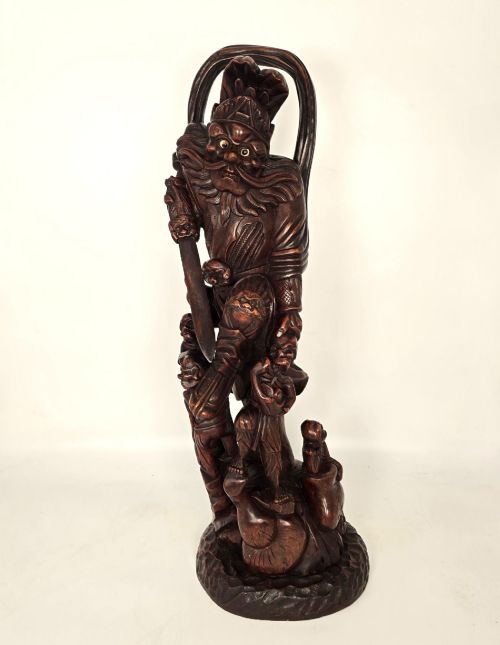
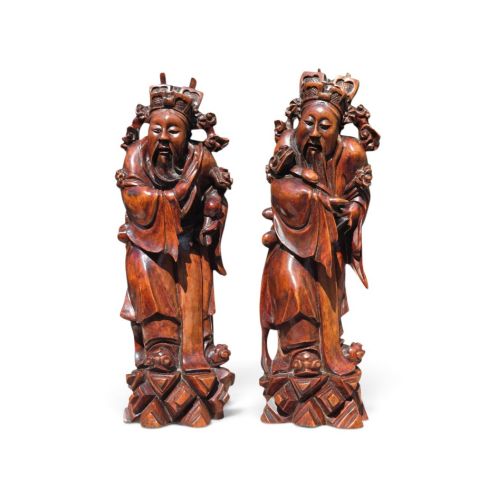
When you search for an antique asian wooden carving, you are looking at items shaped by hand from dense timbers originating across China, Japan, Burma, and South East Asia. These pieces span utility and ritual, covering seating, tables, cabinets, and standalone sculptures.
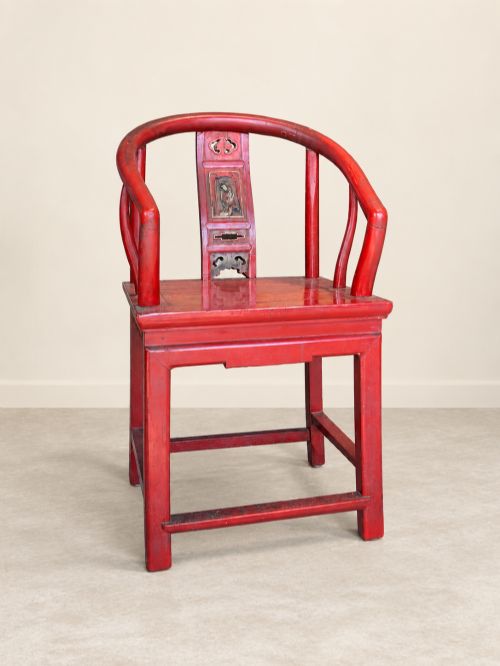
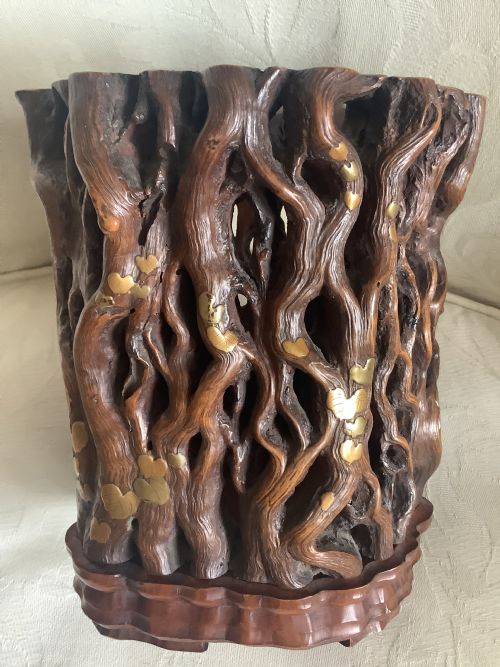
The versions you are most likely to meet on this page date predominantly from the nineteenth and early twentieth centuries. They include traditional Chinese horseshoe-back armchairs, Japanese display cabinets, Burmese panels, and small brush pots.
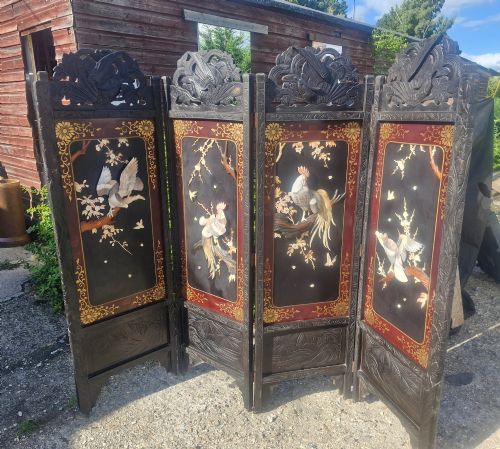
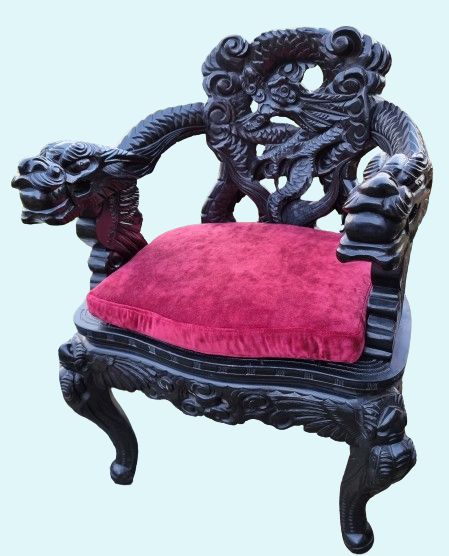
Many of these objects combine structural joinery with intricate relief work, such as Daoist figures, floral motifs, and dragon benches. Their forms reflect centuries of regional design traditions adapted for domestic interiors and scholarly use.
How they were made
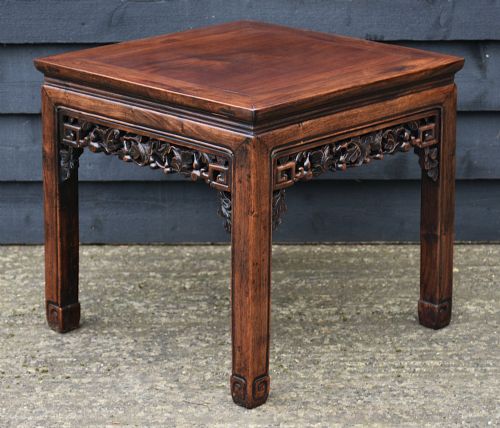
Makers utilised dense regional hardwoods such as rosewood, elm, and padouk, selecting timber for its heavy grain and structural stability. These woods allowed artisans to carve deep relief panels without fracturing the underlying material.
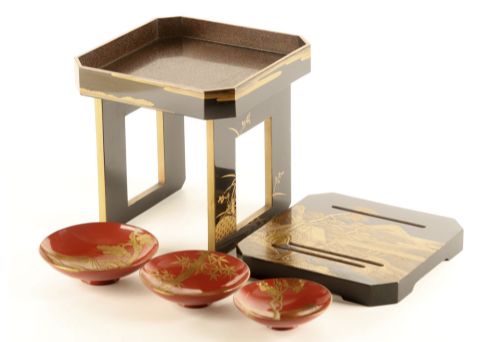
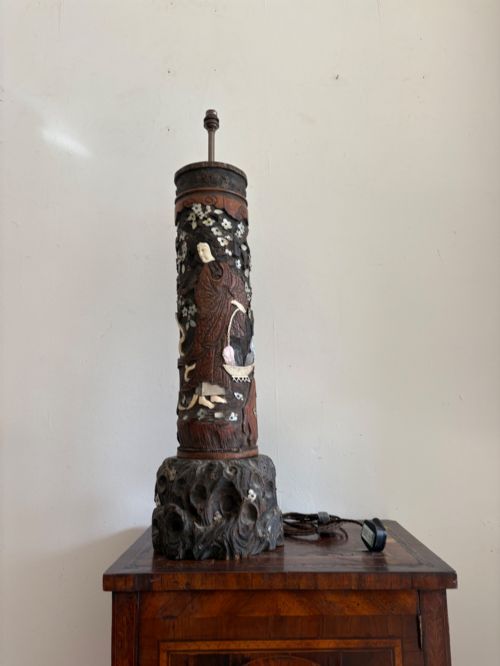
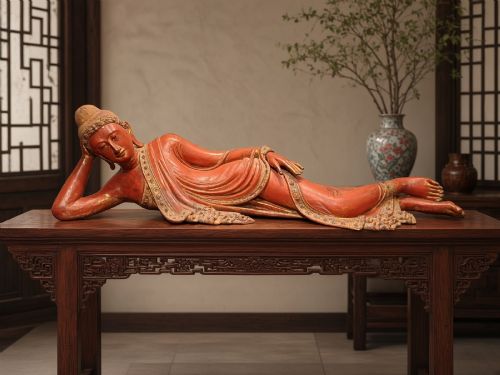
Surfaces were frequently finished with natural red lacquer, giltwood, or polychrome paint, adding colour and protecting the underlying grain. Metal elements like brass fixtures and bone inlays were integrated to accent the woodwork.
Joinery techniques relied on traditional interlocking joints rather than modern fasteners, allowing furniture such as yoke-back armchairs and low tables to support weight while displaying elaborate carved aprons and panels.
Listings feature items from the 18th Century through to the mid 20th Century, constructed in elm, rosewood, lacquer, and carved wood.
What varies in quality
The depth and crispness of the chisel work distinguish higher tier carvings from simpler production pieces. Skilled carvers created figures and foliage with distinct undercut layers, giving scenes a convincing sense of three-dimensional space.
The quality of the timber and its resulting patina reveal how an object was treated over time. Pieces retaining their original red lacquer or showing deep, unpolished warmth in the hardwood grain command greater visual interest.
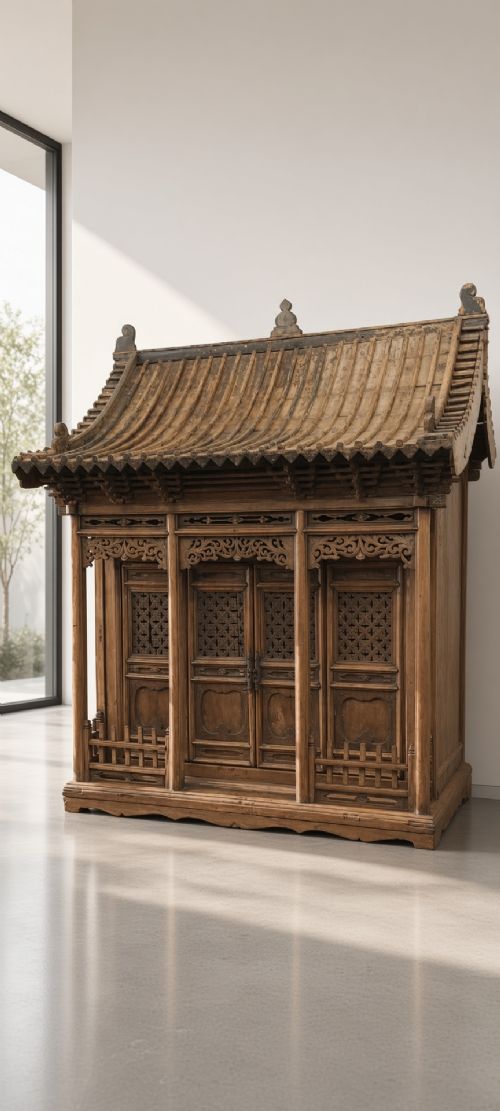
Structural integrity in larger items like display cabinets, benches, and altars depends on the preservation of original joinery and wood movement. Even surfaces with rustic charm benefit from balanced proportions and minimal intervention.
The Antique Asian Wooden Carving Glossary
- Hardwood
- Dense, slow-growing timber such as rosewood or padouk that resists warping and accepts fine chisel work. It forms the structure of many high-status tables and chairs.
- Lacquer
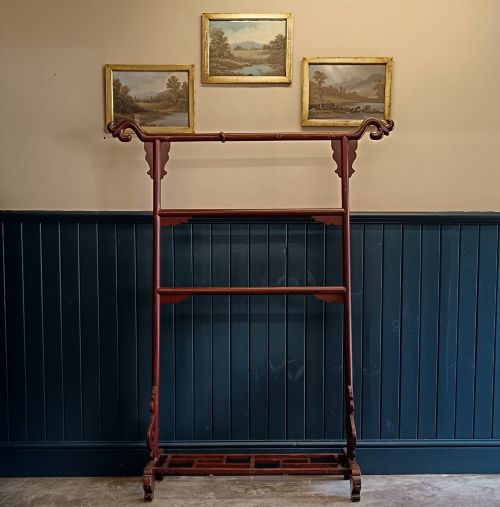
- A natural resin applied in multiple layers to seal and colour wood surfaces. It provides a durable, glossy finish seen on cabinets and clothes racks.
- Yoke-back
- A chair design featuring a curved top rail resembling a traditional ox yoke. This form provides ergonomic head support and clean structural lines.
- Patina
- The surface sheen and colour developed by wood and lacquer through age and handling. A good patina shows decades of natural wear without harsh refinishing.
- Relief
- A sculptural technique where figures and patterns project from a flat background. High relief involves deep carving that detaches elements from the main block.
Antique Asian Wooden Carving: Frequently Asked Questions
What woods were used for these carvings?
Artisans selected heavy, durable timbers capable of holding intricate detail under pressure. Elm, rosewood, camphorwood, and padouk appear frequently across the listings.
These dense materials supported structural forms like armchairs and benches while providing a stable canvas for deep relief panels and sculptural figures.
How should I care for a lacquer finish?
Lacquer surfaces require stable indoor humidity and protection from direct sunlight to prevent drying and cracking. Dusting with a soft, dry cloth preserves the original sheen.
Avoid chemical polishes and abrasive cleaners, as these can strip the fragile layers of natural resin built up over centuries of use.
Where were these pieces originally placed?
Many items served practical and ceremonial roles in traditional homes, temples, and scholar's studios. Altar benches, display cabinets, and brush pots were central to daily domestic and scholarly life.
Larger furniture like yoke-back armchairs furnished reception rooms, while smaller carvings and screens added decorative focus to private spaces.