


Antique Asian Wall Platter
These antique asian wall platter selections bring together decorative chargers and plates shaped by Japanese Imari and Meiji periods.
Antique Asian Wall Platter
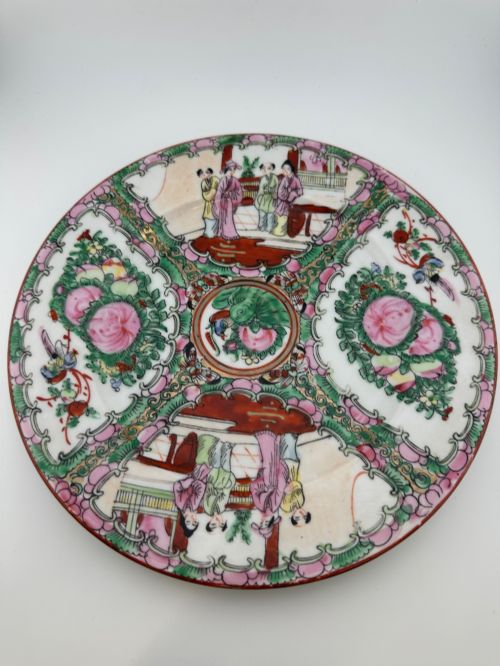
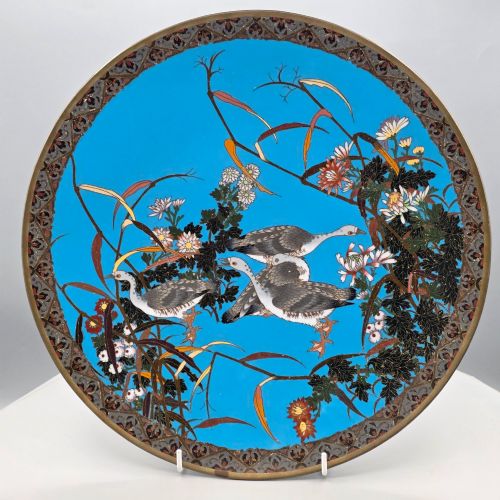
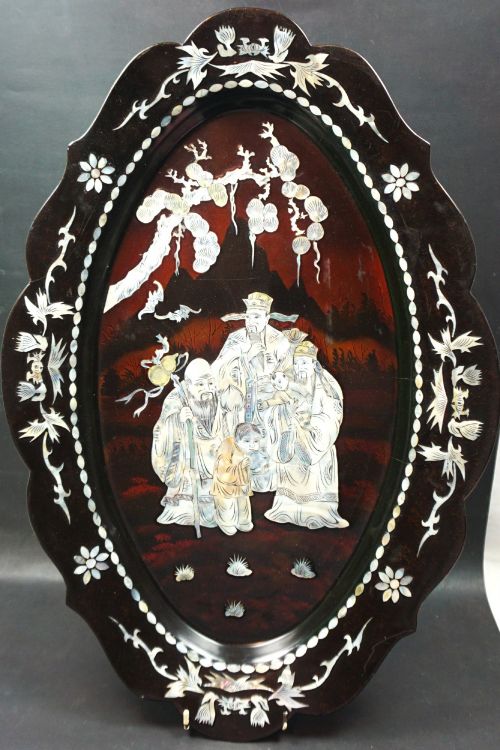
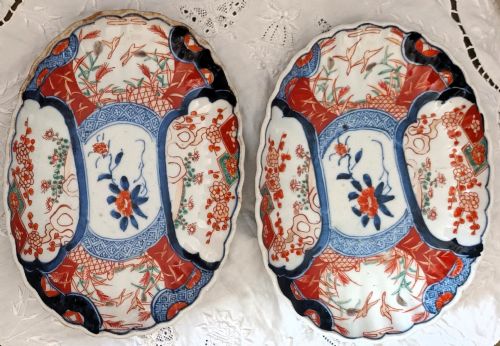
An antique asian wall platter encompasses decorative chargers, large plates, and lacquered plaques originating primarily from Japan and China. The selection relies heavily on Japanese Imari porcelain and Meiji period cloisonne enamel pieces spanning the nineteenth and early twentieth centuries.
Buyers will encounter substantial porcelain chargers featuring hand painted blue and white designs alongside intricate copper and brass vessels worked in enamel. These forms range from standard circular plates to square plates and scalloped shapes designed for display.
Materials and Technique
Potters and artisans utilised porcelain, copper, brass, and wood, applying complex glaze, gold leaf, and enamel finishes across the surface. Cloisonne enamel pieces incorporate metal wire partitions filled with vitreous paste, while porcelain examples demonstrate hand painted pigment beneath or above the glaze.
Lacquered wood platters integrate detailed mother of pearl inlay work, combining organic material with traditional resin coatings. Kiln firing techniques allowed makers to fix cobalt blue pigments and rich multi-coloured enamel designs onto heavy ceramic bodies.
Listings feature periods from the late seventeenth century through the Victorian era, with a strong concentration of Meiji period pieces.
Levels of Execution
Execution separates standard decorative items from superior works through the precision of hand painting, wirework density in enamel pieces, and the clarity of the glaze. Masterpieces display intricate iconography such as dragons, phoenixes, and figures rendered with exceptional control over line and colour.
The weight of the porcelain body, the evenness of the surface finish, and the presence of artist signatures contribute to the distinction between basic production wares and high grade examples from the Meiji period.
The Antique Asian Wall Platter Glossary
- Imari
- A style of Japanese porcelain featuring a distinct palette of underglaze blue, iron red, and gilt highlights. These wares were produced in Arita and exported widely.
- Cloisonne
- A metalwork technique where flat wires are soldered to a base to form compartments, which are then filled with enamel paste and fired. This method creates intricate pictorial designs on plates and chargers.
- Meiji Period
- The era in Japanese history spanning from 1868 to 1912, characterised by a surge in decorative arts created for international export. Pieces from this time often exhibit advanced technical skill.
- Charger
- A large decorative plate intended for display on a wall or sideboard rather than for dining use. These items typically measure significantly wider than standard tableware.
- Kutani
- A style of Japanese porcelain known for bold pictorial designs and vibrant multi-coloured overglaze enamels. Production centres in Ishikawa Prefecture produced these distinctive decorative pieces.
Antique Asian Wall Platter: Frequently Asked Questions
How do I hang a heavy charger safely?
Heavy chargers and platters require specialised wall brackets or spring loaded plate hangers that distribute weight evenly across the rim. Ensure the fixture anchors directly into wall studs rather than plaster alone.
Selecting a secure mounting system protects fragile porcelain and enamel surfaces from accidental slips. It allows large decorative plates to serve as stable wall art.
What is the difference between Imari and Kutani?
Imari porcelain relies on a characteristic palette of cobalt blue and iron red, often enhanced with gold on a white ceramic ground. The style emphasises structured geometric and floral motifs.
Kutani porcelain utilises a broader range of heavier, opaque overglaze enamels to depict pictorial scenes and figures. The aesthetic focuses heavily on dense, colourful ornamentation across the surface.
Can I use these plates for serving food?
Antique decorative chargers and platters are intended strictly for display and collection rather than culinary use. Older glazes and metallic decorations may not meet modern food safety standards.
Displaying these pieces on walls or stands preserves the hand painted pigments and delicate enamel work. Regular handling and washing risk wearing down the historic surface finish.
How do I date a cloisonne charger?
Dating cloisonne enamel involves examining the thickness of the brass or copper base, the composition of the wirework, and the colour tones of the enamel. Pieces from the Meiji period often display remarkably fine wire boundaries and complex pictorial themes.
Earlier nineteenth century items tend to feature slightly heavier metal foundations and distinct palette choices. Comparing decorative motifs helps narrow down the production era.