
Antique Asian Vase
When you search for an antique asian vase, you discover centuries of diverse craft traditions spanning Chinese and Japanese workshops.
Antique Asian Vase
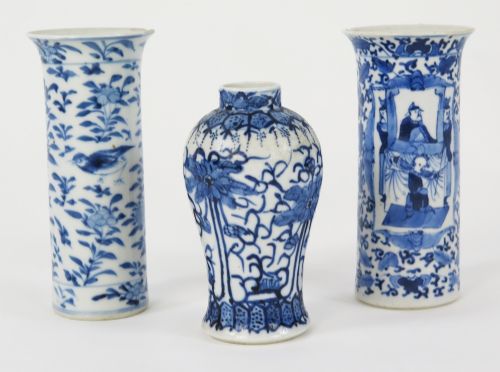
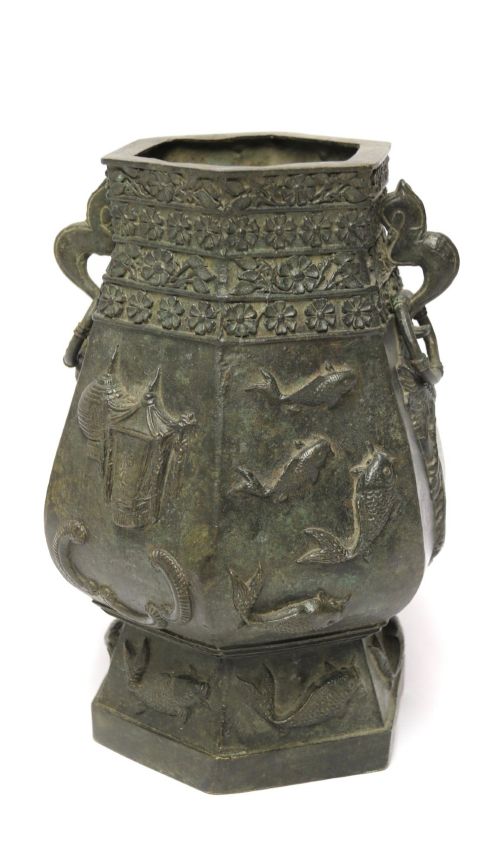
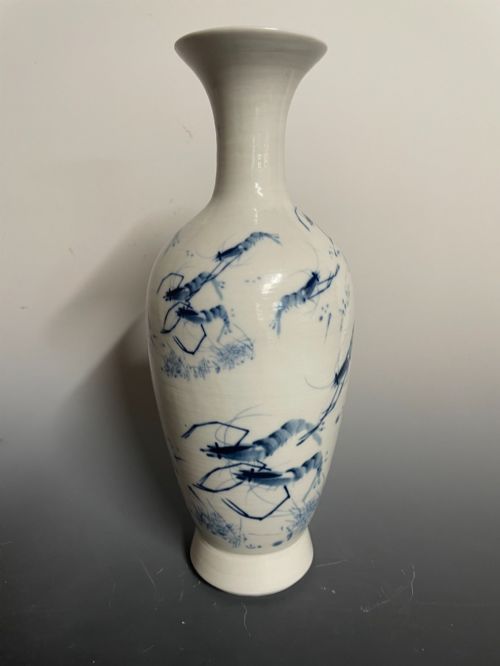
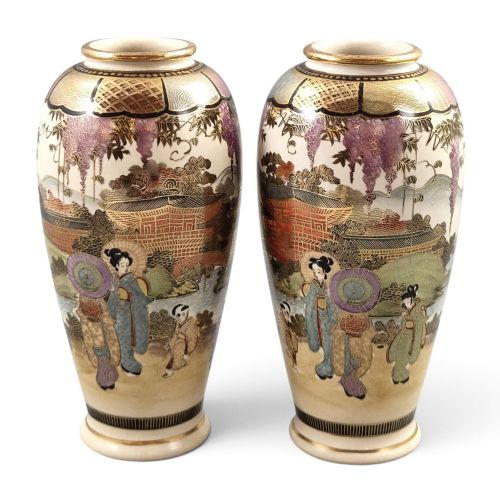
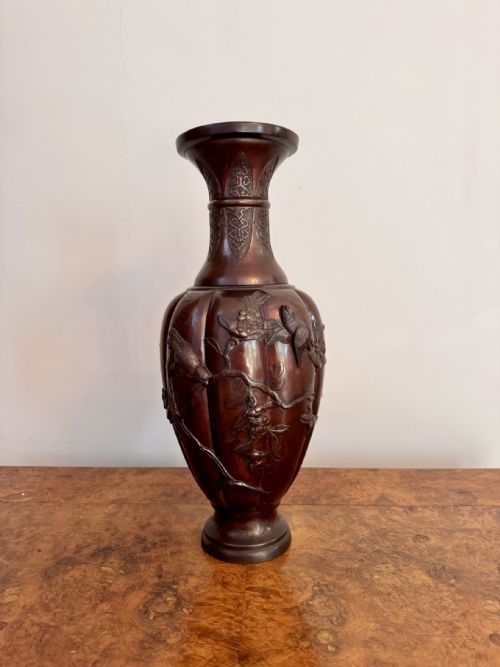
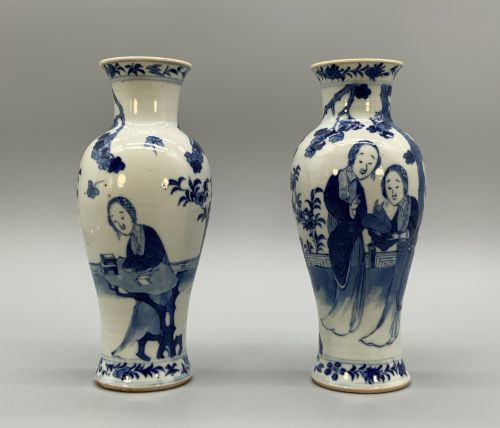
An antique asian vase encompasses vessel forms created across China and Japan, taking shapes from hexagonal bronze vessels to large baluster jars. The selection leans heavily toward Japanese Meiji period bronzes, Satsuma pottery, and Chinese porcelain decorated in blue and white or famille vert palettes.
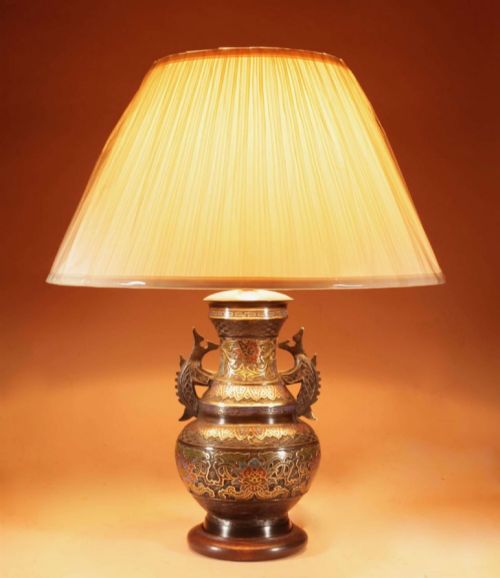
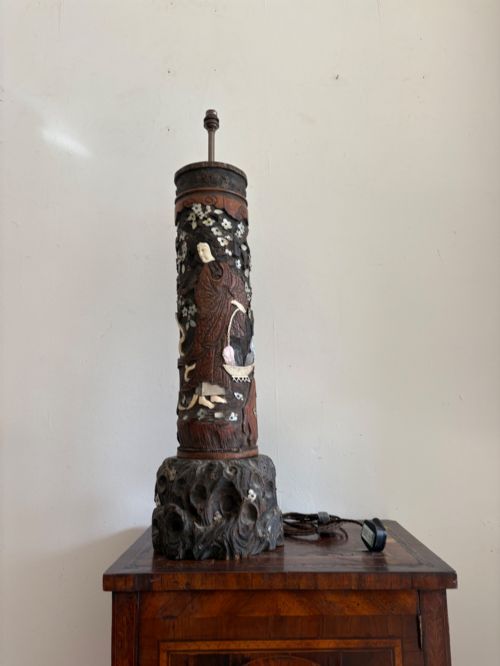
Makers produced these pieces for both domestic display and export markets, utilising traditional techniques that evolved through the nineteenth and early twentieth centuries. Alongside standard mantel and floor vases, buyers encounter items adapted into table lamps or forms like lidded jars and baskets.
The category records objects originating from the seventeenth century through the early twentieth century, showing shifts in aesthetic preference from imperial porcelain styles to intricate Meiji metalwork and earthenware. Each piece reflects the specific decorative vocabulary of its regional pottery or bronze workshop.
Materials and methods of production
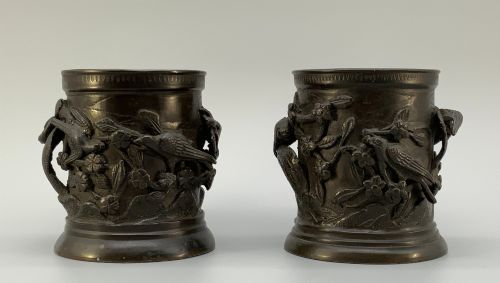
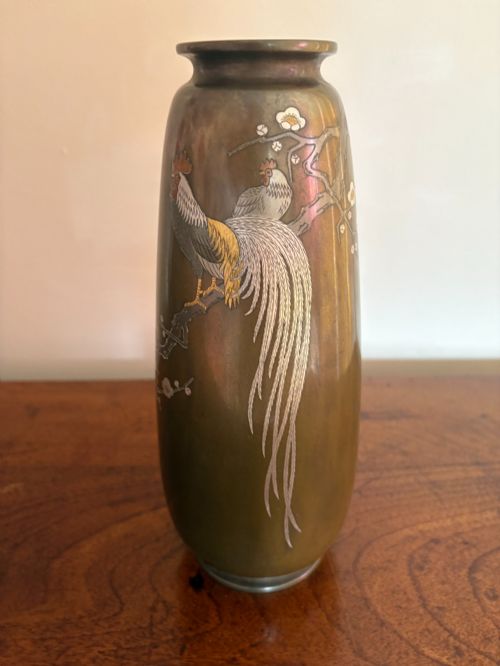
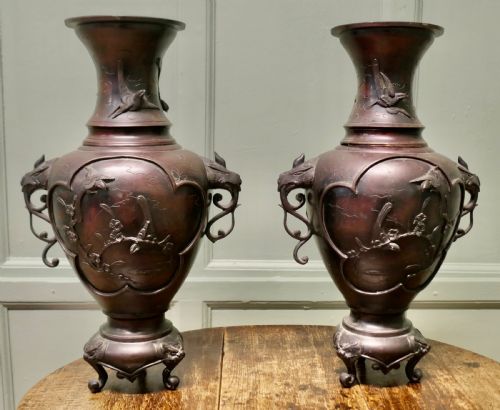
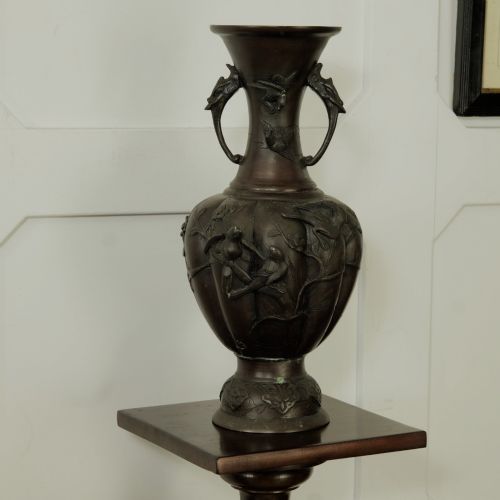
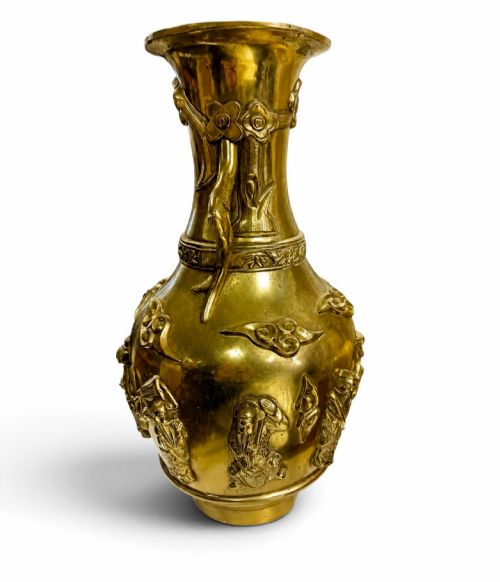
Bronze and copper alloys form the structural basis for many cast vessels, frequently finished with intricate high-relief carvings, inlaid details, or champlevé enamel work. Artisans manipulated metal through casting and chiselling to produce figures of immortals, dragons, and botanical motifs.
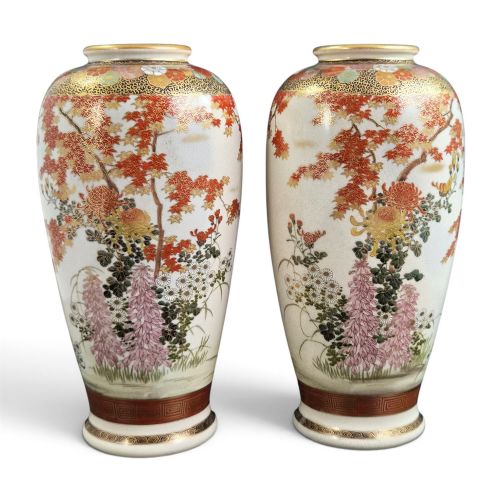
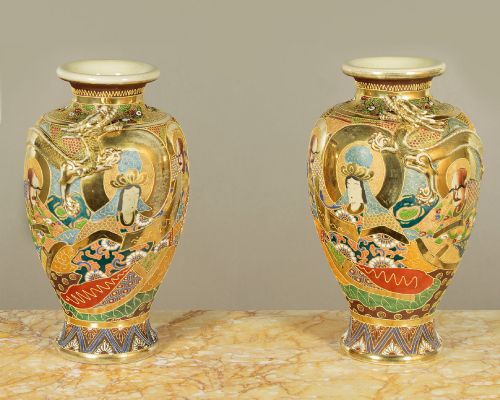
Pottery and porcelain pieces rely on high-fired ceramic bodies decorated with underglaze blue, iron-red accents, or polychrome enamel overglazes. Satsuma wares employ a characteristic crackle-glaze earthenware surface painted with detailed figural scenes and enriched with gold leaf.
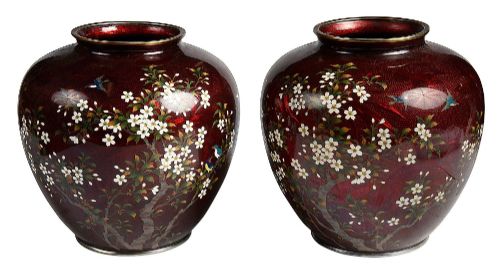
Cloisonné manufacturing involves soldering thin metal wires onto a metal base to create cellular compartments, which are subsequently filled with coloured enamel pastes and fired. This technique produces dense, patterned surfaces featuring birds, blossoms, and geometric borders.
Listings feature bronze, porcelain, and earthenware pieces spanning from the seventeenth-century Qing dynasty and Japanese production up to the Taishō and Shōwa eras.
Distinctions in execution and design
Execution of detail separates standard commercial wares from pieces carrying specific studio signatures or imperial marks. Finely rendered facial expressions on figural subjects and crisp, deep casting in bronze indicate superior workshop standards.
The complexity of the palette and the precision of the enamel or brushwork determine visual depth. Pieces demonstrating controlled firing temperatures and harmonious integration of gold leaf or inlaid elements achieve greater aesthetic coherence.
KANASAWA·Maruni Kobe·Shozan·Inoue Ryōsai
The Antique Asian Vase Glossary
- Meiji Period
- The era in Japanese history spanning from 1868 to 1912, characterised by extensive artistic output for international and domestic exhibition. Pieces from this time often exhibit highly intricate bronze casting and Satsuma pottery.
- Satsuma
- A type of Japanese earthenware featuring a distinctive ivory-coloured, crackled glaze. Artisans typically decorate these surfaces with dense polychrome designs and raised gold highlights depicting figures or landscapes.
- Cloisonné
- An enamelwork technique where metal wire partitions are affixed to a bronze or copper base before filling with coloured glass pastes. Fired multiple times, the surface is ground smooth to reveal distinct cellular patterns.
- Imari
- A style of Japanese export porcelain originating from Arita, traditionally employing a palette of underglaze blue, iron-red, and gold. Designs frequently incorporate floral and brocade motifs.
- Baluster
- A vase form characterised by a rounded body that tapers toward a narrow neck and flares slightly at the rim. This silhouette appears frequently in large Chinese porcelain and copper-alloy vessels.
Antique Asian Vase: Frequently Asked Questions
How do I identify a Meiji period bronze vase?
Meiji period bronze vases usually date between 1868 and 1912, displaying precise cast decoration such as dragons, birds, or botanical motifs. Many carry workshop signatures or artist seals incorporated directly into the bronze surface.
Examining the weight, patination, and depth of the high-relief carving helps confirm the period manufacturing techniques used by Japanese metalworkers.
What is the difference between Satsuma and Imari ware?
Satsuma ware consists of an earthenware body covered in a cream-coloured crackled glaze, painted with detailed human figures and gold leaf. Imari pieces are hard-paste porcelains featuring a distinct colour scheme of cobalt blue, iron-red, and gold.
Understanding this fundamental distinction in ceramic body and palette allows collectors to separate Japanese earthenware from porcelain traditions.
Can I safely use an antique vase as a lamp?
Many antique vases were converted into table lamps during the twentieth century to suit domestic interiors. This adaptation often involved wiring through existing apertures or mounting the vessel on a bespoke base.
When living with these pieces, ensure the electrical components meet modern safety standards without altering the historic body of the vase itself.
How should I care for cloisonné enamel vases?
Cloisonné enamel surfaces require gentle dusting with a soft, dry cloth to prevent accumulation in the wire recesses. Avoid using chemical cleaners or abrasive materials that might scratch the delicate glass enamel or tarnish the bronze base.
Displaying the vases away from direct sunlight and dramatic temperature fluctuations preserves the stability of both the metal and the enamel paste.